Depression and drug addiction are two serious health conditions that can affect a person’s emotions, relationships, physical health, and everyday life. People experiencing depression may struggle with sadness, hopelessness, low energy, or a loss of interest in activities they once enjoyed. Some may turn to drugs or alcohol in an attempt to escape these feelings or find temporary relief.
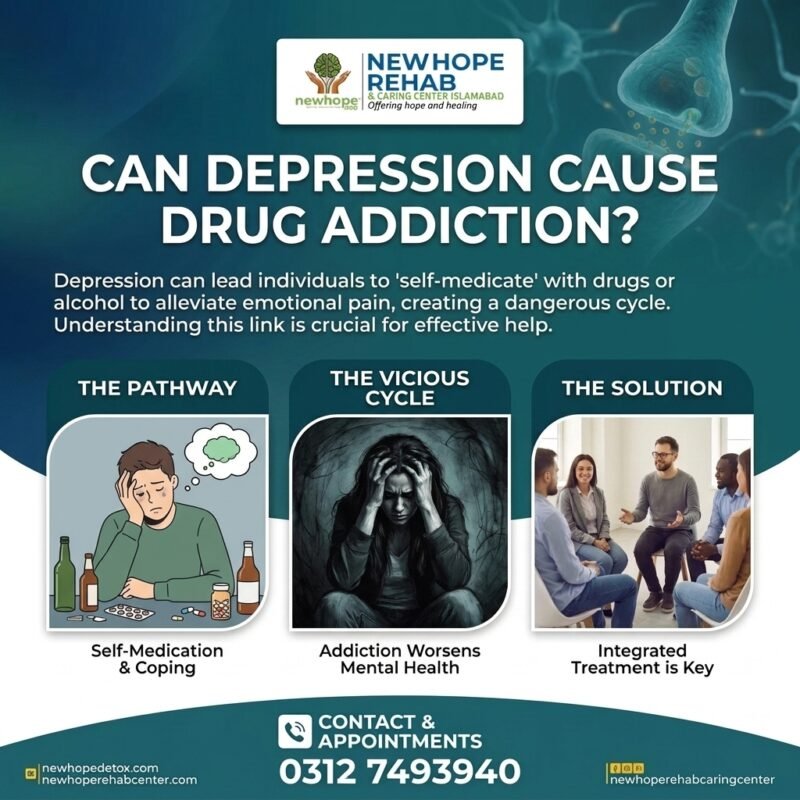
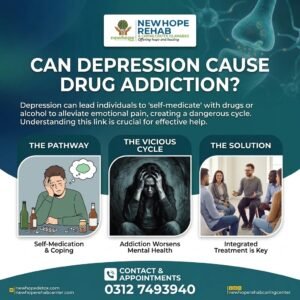
Can depression cause drug addiction? Depression does not automatically lead to addiction, but it can increase the risk of substance misuse for some people. At the same time, drug use can worsen depressive symptoms or contribute to the development of depression. When both conditions occur together, they can create a difficult cycle that may require professional treatment.
Understanding the connection between depression and addiction is an important step toward recognizing warning signs, finding appropriate care, and supporting long-term recovery.
What Is the Connection Between Depression and Drug Addiction?
Depression is a mental health condition that can affect mood, motivation, sleep, appetite, concentration, and the ability to enjoy daily activities. It is more than feeling sad for a short period and may interfere with work, education, relationships, and personal responsibilities.
Drug addiction, clinically known as a substance use disorder, involves difficulty controlling substance use despite harmful consequences.
These conditions can influence each other in several ways. A person experiencing depression may use drugs to temporarily change their mood, increase energy, reduce emotional pain, or escape distressing thoughts. However, the effects may be short-lived, and repeated substance use can lead to cravings, dependence, and further emotional difficulties.
Drug use can also disrupt sleep, affect brain function, increase social isolation, and create financial or relationship problems that contribute to worsening depression.
This relationship is complex. Depression can increase vulnerability to substance misuse, but addiction can also contribute to depression. In some cases, both conditions develop because of shared risk factors, such as trauma, chronic stress, or family history.
Can Depression Increase the Risk of Drug Addiction?
Yes. Depression can increase the risk of substance misuse, particularly when a person has limited access to support or struggles to manage emotional distress.
1. Using Drugs to Escape Emotional Pain
People experiencing depression may feel overwhelmed by sadness, emptiness, guilt, or hopelessness. Some turn to drugs or alcohol because they believe these substances will help them feel better.
Although a substance may temporarily change how someone feels, it does not address the underlying depression. Repeated use can create a pattern in which the person relies on drugs whenever difficult emotions arise.
2. Seeking Temporary Relief or Energy
Depression can cause fatigue, low motivation, and difficulty concentrating. Some people misuse stimulants or other substances in an attempt to feel more energetic or productive.
These substances can have serious risks and may cause anxiety, sleep disruption, mood changes, or dependence. When their effects wear off, a person may feel even more exhausted or emotionally distressed.
3. Coping With Loneliness and Isolation
Depression can make social interaction feel difficult. People may withdraw from friends and family or lose interest in activities they once enjoyed.
Isolation can reduce access to emotional support and increase the risk of using substances alone. Rebuilding social connections and seeking mental health care can help address this vulnerability.
4. Dealing With Trauma or Chronic Stress
People who have experienced abuse, grief, family conflict, or other traumatic events may face an increased risk of depression and substance use problems.
Drugs or alcohol may become a way to avoid painful memories or manage overwhelming emotions. Trauma-informed mental health treatment can help individuals develop safer coping strategies.
Can Drug Addiction Cause Depression?
Yes. Substance use can contribute to depressive symptoms, worsen existing depression, or complicate the treatment of a mental health condition.
The effects depend on the substance, how often it is used, the person’s health, and other circumstances.
-
 Alcohol: Heavy drinking can disrupt sleep, affect mood, and worsen depressive symptoms.
- Stimulants: Cocaine and methamphetamine may cause low mood, exhaustion, and emotional distress as their effects wear off.
- Opioids: Opioid misuse can affect daily functioning, relationships, and emotional well-being. Withdrawal may also involve anxiety, sleep problems, and low mood.
- Cannabis: Cannabis affects people differently, and frequent use may be associated with mental health difficulties in some individuals.
- Sedatives: Misuse of sedative medications can contribute to cognitive and emotional problems, while withdrawal may cause severe symptoms.
It is also important to recognize that depression can occur independently of substance use. A healthcare professional can help determine whether symptoms are related to depression, substance effects, withdrawal, or a combination of factors.
Warning Signs of Depression and Drug Addiction
Recognizing the signs of both conditions can help individuals and families seek support before the problems become more severe.
Common Signs of Depression
Possible symptoms include:
- Persistent sadness, emptiness, or hopelessness.
- Loss of interest in hobbies or social activities.
- Low energy or ongoing fatigue.
- Changes in sleep or appetite.
- Difficulty concentrating or making decisions.
- Feelings of guilt, worthlessness, or helplessness.
- Withdrawing from family and friends.
- Thoughts of death or suicide.
Depression symptoms that persist or significantly interfere with daily life should be assessed by a qualified healthcare professional.
Common Signs of Drug Addiction
Possible warning signs include:
- Strong cravings or frequent thoughts about using drugs.
- Taking more of a substance than intended.
- Repeated unsuccessful attempts to stop.
- Continuing to use despite physical, emotional, or relationship problems.
- Neglecting work, education, or family responsibilities.
- Spending substantial time obtaining or recovering from substances.
- Experiencing withdrawal symptoms when reducing or stopping use.
These signs do not establish a diagnosis on their own. Professional assessment can help clarify what is happening and identify appropriate treatment options.
Why Depression and Addiction Should Be Treated Together
When depression and substance use disorder occur together, they are often described as co-occurring disorders. Treating both conditions is important because each may affect the other.
For example, a person may stop using drugs but continue to experience untreated depression. Emotional distress may then make recovery more difficult. Alternatively, treating depression without addressing ongoing substance misuse may leave important triggers and health risks unresolved.
An integrated treatment plan considers mental health, substance use, physical health, and individual circumstances.
A healthcare professional may also need to assess whether depressive symptoms began before substance use or developed during intoxication, withdrawal, or prolonged use. This distinction can help guide treatment, although care for urgent symptoms should not be delayed while waiting for a diagnosis.
Treatment Options for Depression and Drug Addiction
Effective treatment is available for both conditions. The right approach depends on symptom severity, the substance involved, medical history, and personal needs.
1. Professional Assessment
Treatment usually begins with an assessment of mental health symptoms, substance use patterns, physical health, medications, and safety concerns.
This assessment helps determine whether the person needs outpatient counseling, structured addiction treatment, medication, medically supervised withdrawal management, or a higher level of care.
If someone has thoughts of suicide or cannot keep themselves safe, urgent mental health support is necessary.
2. Psychotherapy and Counseling
Psychotherapy can help people understand their emotions, identify unhelpful thought patterns, and develop healthier ways to cope with stress.
Cognitive behavioral therapy (CBT) is commonly used to treat depression and can also help people identify substance-use triggers and develop practical coping skills.
Other approaches may help individuals address trauma, improve relationships, and manage difficult emotions. Treatment should be tailored to the person’s circumstances.
3. Medication When Appropriate
Medication may be recommended for depression or certain substance use disorders.
Antidepressants can help some people manage depression, while medications such as buprenorphine or methadone are evidence-based treatments for opioid use disorder. Other medication options may be considered depending on the substance and clinical situation.
Medication decisions should be made with a qualified healthcare professional. Some substances and medications can interact dangerously, so people should disclose all substances and prescribed medicines they use.
4. Medical Detox and Withdrawal Management
Some people need medical support when stopping drugs or alcohol. Withdrawal risks vary depending on the substance, duration of use, and overall health.
Withdrawal from alcohol and benzodiazepines can be life-threatening. Anyone who may be physically dependent on these substances should seek medical advice before stopping suddenly.
Detox can help manage withdrawal and immediate health risks, but it does not fully treat depression or addiction. Ongoing care is often needed to support recovery.
5. Rehabilitation and Continued Recovery Support
Depending on individual needs, treatment may include residential rehabilitation, outpatient counseling, group support, family education, or ongoing medical care.
A recovery plan may also focus on rebuilding daily routines, improving sleep, reconnecting with supportive people, and returning to meaningful activities.
Progress can take time. Regular follow-up allows treatment to be adjusted when symptoms change or new challenges arise.
How Families Can Support Someone With Depression and Addiction
Family members and friends can play a valuable role by offering encouragement without judgment.
Helpful ways to support a loved one include:
- Listening patiently and taking their concerns seriously.
- Encouraging professional mental health and addiction assessment.
- Helping with appointments or daily tasks when appropriate.
- Avoiding blame, humiliation, or threats.
- Supporting healthy routines and positive social connections.
- Learning about depression, addiction, and overdose risks.
- Maintaining healthy boundaries and seeking support for themselves.
If a loved one talks about suicide, ask directly whether they are thinking about harming themselves. If there is an immediate risk, stay with them if it is safe to do so and contact local emergency services or an appropriate crisis service.
Family support is important, but it cannot replace professional treatment when treatment is needed.
Depression and Addiction Support at New Hope Rehab and Caring Centre Islamabad
New Hope Rehab and Caring Centre Islamabad is a resource for individuals and families seeking addiction-related support. People experiencing depression alongside substance use may benefit from discussing their symptoms, substance use history, and recovery needs with an appropriate professional.
Because depression and addiction can influence each other, it is important to consider both conditions when planning care. A professional assessment can help identify whether addiction treatment, mental health support, medical evaluation, or referral to a specialist is appropriate.
Individuals and families should contact the centre directly to confirm which services are available and whether it can provide or coordinate the required mental health and medical care.
Seeking suitable professional support can help individuals understand their symptoms, explore treatment options, and begin working toward recovery.
Frequently Asked Questions
1. Can depression lead to drug addiction?
Depression can increase the risk of drug misuse for some people, especially when substances are used to cope with sadness, hopelessness, or emotional distress. However, depression does not automatically lead to addiction. Many other factors influence whether a substance use disorder develops.
2. Can drug addiction make depression worse?
Yes. Substance use can disrupt sleep, affect mood, increase stress, and contribute to relationship or financial problems. Intoxication and withdrawal may also worsen depressive symptoms. Professional assessment can help identify the causes and appropriate treatment.
3. What is the best treatment for depression and drug addiction?
Treatment depends on the individual’s needs. A combination of psychotherapy, appropriate medication, addiction treatment, and ongoing recovery support may be helpful. When both conditions occur together, an integrated treatment plan is often important.
4. Can depression improve after stopping drug use?
Depressive symptoms related to substance effects may improve as the body recovers, but the timing varies. Some people continue to experience depression that needs separate treatment. Anyone with persistent or severe symptoms should seek professional assessment rather than assuming the symptoms will disappear on their own.
5. How can I help someone who is depressed and struggling with addiction?
Listen without judgment, express concern, and encourage the person to seek professional help. Offer practical assistance if they are comfortable accepting it, and learn how to recognize overdose and mental health emergencies. If they may harm themselves or cannot stay safe, seek urgent assistance.
Conclusion
Depression and drug addiction can influence one another, creating a cycle of emotional distress and substance use that can be difficult to manage alone. Although depression may increase the risk of addiction, neither condition is a personal failure, and both can be treated.
Recognizing warning signs, seeking professional assessment, and addressing mental health and substance use together can support a more effective recovery plan. With appropriate care, ongoing support, and healthier coping strategies, individuals can improve their well-being and work toward a more stable future.