+92 312 7493940

Alcohol Addiction – Alcohol Addiction Centre in Islamabad, Pakistan

Alcohol addiction is a publicly-reputed health issue that transcends all generations and demographics. Though alcohol can be socially acceptable in some places, continued and excess use can result in dependence, with ramifications for the mind as well as body. Early recognition of the signs and professional support in recovery can be game-changing.

New Hope Rehab Caring Centre Islamabad, run for Individuals and Families Seeking Structured Care in Pakistan, offers a structured environment where treatment is administered safely with ethical practices implemented at every level. Thus, looking for a reliable Alcohol Addiction Centre in Islamabad, Pakistan is what a lot of people seek so that one starts getting on the road to recovery with medical supervision and emotional assistance. This article discusses alcohol addiction, its impact on those affected and how professional treatment can help restore the person’s life.

Understanding Alcohol Addiction

Alcohol use disorder is the official term for someone who is entirely dependent upon alcohol, and has difficulty controlling their consumption even when bad things happen. With continued alcohol use, the brain becomes accustomed to that state, and when sober, individuals may not be able to operate as they normally would.

This dependence can build over time, beginning with the occasional drink and developing into a routine. Approaching an Alcohol Addiction Centre in Islamabad, Pakistan will help us to achieve a better structure and management of this disorder.

At New Hope Rehab and Caring Centre Islamabad, we provide a different type of treatment based on an understanding of each person’s journey and resolving the root causes of addiction.

What are the Causes and Risk Factors of Alcohol Addiction

When it comes to alcohol addiction, there is not a single factor that produces the condition.

Alcohol Addiction – Alcohol Addiction Centre in Islamabad, Pakistan

Emotional and Psychological Factors

Alcohol is a common coping mechanism for stress, anxiety, and depression or trauma.

Social and Environmental Influences

The risk of regular use may increase in situations where there is peer pressure, cultural acceptance of drinking and easy access to alcohol.

Genetic Predisposition

Others may have a greater chance based on genetics or biology.

A professional Alcohol Addiction Centre in Islamabad, Pakistan takes all these factors into account to create personalized treatment plans.

Symptoms of Alcohol Addiction

Identifying the Signs of Alcohol Addiction Recognizing your symptoms of alcohol addiction is a vital step to getting help.

Behavioral Symptoms

  • Frequent or excessive drinking
  • Difficulty controlling alcohol intake
  • Neglecting responsibilities
  • Drinking despite negative consequences

Psychological Symptoms

  • Mood swings or irritability
  • Anxiety or depression
  • Strong cravings for alcohol
  • Difficulty concentrating

Physical Symptoms

  • Fatigue or low energy
  • Sleep disturbances
  • Changes in appetite
  • Withdrawal symptoms like sweating, or feeling restless

These symptoms indicate if there are Alcohol Addiction Centre in Islamabad, Pakistan that can provide care.

Health Impacts of Chronic Use of Alcohol

Long-term alcohol usage can impact many facets of health and wellness.

Physical Health Impact

Chronic alcohol consumption can damage the liver, heart and immune system, resulting in serious health problems.

Mental Health Challenges

Alcohol can worsen anxiety, depression, and emotional instability — especially when a person becomes dependent on alcohol.

Social and Lifestyle Effects

Addiction can cause relations to fail, productivity to drop, and daily activities become increasingly difficult.

Treatment programs at New Hope Rehab and Caring Centre Islamabad target these effects with a holistic, patient-centered approach.

Alcoholates has always been looked down upon by people.

In most cases of alcohol addiction, a clear treatment process is needed for recovery.

1.     Medical Assessment and Detoxification

The initial step is usually a thorough assessment of the person’s health and drinking habits. Medically assisted detoxification might be prescribed to reduce withdrawal effects.

A Professional Alcohol Addiction Centre in Islamabad, Pakistan makes sure that detox is being done safely and effectively.

2.     Counseling and Behavioral Therapy

Therapy is an essential part of recovery. It helps people understand what makes them become alcohol and find better coping skills.

Common approaches include:

  • Cognitive Behavioral Therapy (CBT)
  • Individual counseling
  • Motivational therapy

Therapy sessions at New Hope Rehab and Caring Centre Islamabad are individualized.

3.     Group Therapy and Peer Support

Making a group therapy setting is an example of support for people who share their experience and it will help know that you are not only one facing the challenges. This sense of community can help provide motivation during recovery.

4.     Relapse Prevention and Aftercare

Relapse prevention strategies can help you manage triggers and stay clean. Aftercare is a service that offers continuing treatment with respect to emotional therapy and healthy living.

A structured plan from an Alcohol Addiction Centre in Islamabad, Pakistan can help in the longer recovery process.

Lifestyle Changes for Long-Term Recovery

During a sustainable recovery, we develop better habits that strengthen our bodies and minds.

Important lifestyle changes include:

  • Establishing a consistent daily routine
  • Practicing stress management techniques
  • Engaging in regular physical activity
  • Building supportive relationships
  • Setting realistic goals

People are taught to bring these positive changes at New Hope Rehab and Caring Centre Islamabad.

Importance of Family Support in Recovery

Families can be an important support on the road to recovery. Support and empathy from family members can inspire individuals to remain engaged in treatment, as well.

Family counseling sessions aid in enhancing communication and restoring trust. Family participation at an Alcohol Addiction Centre in Islamabad, Pakistan is a component of many programs that deliver comprehensive care.

Frequently Asked Questions (FAQs)

1.     What is alcohol addiction?

This condition is characterized by the dependence and inability to control alcohol consumption.

2.     What are the early symptoms of alcohol addiction?

Some early indicators include growing tolerance, drinking frequently, and having difficulty handling responsibilities.

3.     Do you need detox for treatment of alcohol addiction?

Detoxification may be suggested for safely managing withdrawal symptoms prior to entering therapy and counseling.

4.     How is alcohol addiction treated?

Treatment usually involves medical assistance, therapy, counseling, and prevention methods against relapse.

5.     Is long-term recovery from alcohol possible?

Yes, individuals can achieve long-term recovery with proper treatment at a luxury drug rehab facility, lifestyle changes, and support.

Conclusion

Alcoholism is a chronic disease that can impact all areas of life. However, if supported and given the appropriate type of care, it is possible to recover. Acknowledging the problem and seeking treatment can ultimately lead to a better quality of life.

There are many facilities like New Hope Rehab and Caring Centre Islamabad that are offering professional care with love and dedication to recover an individual. Programs at an Alcohol Addiction Centre in Islamabad, Pakistan include medical supervision, psychological support and long-term recovery planning.

Latest Post

Newsletter

Signup our newsletter to get free update, news or insight. 

Related Article

How Family Support Can Help Prevent Relapse in Addiction Recovery
Family Support Program

How Family Support Can Help Prevent Relapse in Addiction Recovery

Recovering from an addiction is often a long process that takes patience, professional help, and support. Treatment allows people to learn how to manage their behaviors, hunger and urges better but support from family members can be just as important. Learning how Family support plays a critical role in preventing acute relapse empowers loved ones to foster an atmosphere of recovery that promotes sustained wellbeing. Relapse is when you return to using substances following a period of reduced use or abstinence. It may occur at recovery, but this does not mean treatment has been unsuccessful. Rather it could indicate a need to revisit the recovery plan, re-assess new challenges and for greater professional support. Through compassion, establishing healthy boundaries and continuing support of their loved one, family can provide an increased level of safety for those beginning their recovery journey. What is relapse in the Recovery from addiction Relapse is defined as the act of returning to drinking or using drugs after a period of attempting to stop or cut down. Others will develop a relapse slowly. Mood changes, isolation, urges or going back to high-risk situations may come before their use of substances resumes. Examples of relapse triggers include: stress, emotional distress, social influences and peer pressure, unresolved trauma, exposure to substances or reminders of using behavior, contact with people who facilitate or engage in previous drug use. Not all users relapse, and recovery varies from person to person. A personalized trigger- and relapse-prevention plan can identify the risks that might contribute to use, and define your ideal support system for staying drug-free. The Process of Support for Family in Addiction Recovery Family can provide emotional support and help us in challenging times. Letting go looks like the shift in your relationships, routines, social circles and coping strategies that occur in recovery. Having family support can help ease these transitions. Family support may help by: Lessening the sense of disconnection and shame Recommending going to therapy and counseling Helping identify potential relapse triggers Supporting healthier daily routines ”Providing a space to talk about cravings and stress Encouraging a serene and respectful home environment While family involvement is not a fool-proof way to prevent relapse, it may be an asset in a more comprehensive recovery approach. Providing Emotional Support Without Judgment Those in recovery from substance abuse may feel guilty, anxious, frustrated or fearful about the future. If they feel like they’re being criticized constantly, they’ll be much less likely to share anything they’re struggling with or ask for help. The family can support the affected person by listening without judgement, recognizing progress over time, and seeing relapses as a chance to adjust what is working in the recovery plan. Instead of “You constantly take the same mistakes, “say this: “I see that now things are hard… What can we do to find you the support that you need?” When one can reaffirm respectful communication, it becomes simpler for an individual to talk about cravings, psychological distress or situations that may translate into a break. Recognizing Relapse Warning Signs Families often notice changes that the one that is recovering cannot see in themselves. There is no primary behavior that demonstrates relapse is likely, however, several patterns may warrant monitoring. Possible warning signs include: Continuing justification for being away from family and friends Missing treatment or support meetings Significant alterations in sleep or daily routines Feeling irritable, anxious or emotionally distressed Going back to people who were in your life when you were using substances Glorifying past use of drugs or alcohol. Voicing a strong urge or sensation of having no other option This should lead to a calm conversation and not immediate accusations. Then families can suggest the person to get in touch with their counselor, doctor, or recovery support network. Creating a Healthy Home Environment Having a stable home can aid your recovery by not only providing added security, but also minimizing unnecessary stress and incentivizing you to keep away from drugs. Create predictable routines, encourage healthy activities, and ensure that family members avoid the use of alcohol or drugs around the recovering person. This means that where appropriate, eliminating alcohol/non-legal medicines and other reminders of these type substances from the environment whenever possible. Yet, a healthy home does not need to be pristine. Common differences of opinion and trying times still come up. Organizations learning to handle conflict and ask for help during tough times, in the most respectful of ways. Encouraging Professional Treatment A health condition that has the option of needing ongoing help with your career. Family members can help by encouraging the treatment to be attended, assisting in scheduling appointments and supporting adherence with clinician recommendations. Treatment may include: Individual counseling Cognitive behavioral therapy (CBT) Group therapy or peer support Have medical treatment for withdrawal and health issues related to drug misuse Medication when clinically appropriate When someone has a combination of mental health issues, Continuing care and relapse-prevention planning Families should not change prescription medications or try to treat severe withdrawal symptoms on their own without medical supervision. Helping Identify and Manage Triggers Triggers are individuals, situations, places or emotion that may trigger an increased desire or need to use. Those triggers can be something as simple as family discord, loneliness, financial stress, specific social situations and even rehabilitation settings when meeting with old friends who may also have been using substances. Families may assist the person working on recovery to identify these triggers and develop concrete responses. They might, for example, work with the person to plot a safer way home to avoid a particular part of town that carries high-risk potential, plan a chat after a stressful event or prepare the phone number of someone who can be phoned when cravings surge. These decisions should still include the recovering person. Collaborative planning is a much more respectful and sustainable way than control their life in every possible aspect. The Importance of Encouraging Healthy Living and Daily Routines Establishing healthy routines aids

World Mental Health Day: Importance, Awareness, and Support
World Mental Health Day

World Mental Health Day: Importance, Awareness, and Support

World Mental Health Day is observed every year on October 10 to raise awareness about mental health, promote emotional well-being, and encourage access to appropriate mental health care. It reminds people that mental health is an essential part of overall health and deserves the same attention, understanding, and compassion as physical health. Mental health challenges can affect people of every age and background. Stress, anxiety, depression, trauma, and substance use disorders can influence daily life, relationships, education, and work. World Mental Health Day provides an opportunity to challenge stigma, share reliable information, and encourage people to seek help when they need it. What Is World Mental Health Day? World Mental Health Day is an international awareness day coordinated by the World Federation for Mental Health, with support and participation from organizations around the world, including the World Health Organization. The day encourages individuals, families, healthcare professionals, workplaces, schools, and communities to take mental health seriously. Activities may include awareness campaigns, educational sessions, community events, discussions, and initiatives that improve access to support. The central message is simple: mental health matters, and everyone deserves dignity, understanding, and appropriate care. Why Is World Mental Health Day Important? Mental health conditions are common, but many people still face barriers to getting help. These barriers may include stigma, misinformation, financial difficulties, limited access to professionals, or fear of being judged. World Mental Health Day helps draw attention to these challenges and encourages communities to respond with empathy rather than blame. Raising Mental Health Awareness Many people experience mental health symptoms without understanding what they mean or where to seek help. Public awareness can help people recognize common signs of distress and learn about available support options. Reducing Stigma and Discrimination People experiencing depression, anxiety, or other mental health conditions may be unfairly judged. Some are told to simply become stronger or stop worrying. Such attitudes can discourage people from seeking professional help. Mental health conditions are not personal failures. They deserve understanding, appropriate assessment, and evidence-based treatment. Encouraging Early Support Recognizing mental health concerns early can help people access care before symptoms become more disruptive. Early support may include talking with a trusted person, consulting a healthcare professional, or accessing counseling and other services. Promoting Access to Mental Health Care Awareness is only one part of the solution. Communities also need accessible, appropriate, and affordable mental health services, trained professionals, and support systems that respect people’s needs. Common Mental Health Challenges Mental health includes emotional, psychological, and social wellbeing. It can affect how people think, feel, respond to stress, make decisions, and interact with others. Some common mental health challenges include: Depression Depression can involve persistent sadness, loss of interest, low energy, changes in sleep or appetite, difficulty concentrating, and feelings of hopelessness. It is more than a temporary period of feeling down and may require professional care. Anxiety Disorders Anxiety disorders can cause excessive worry, fear, panic, restlessness, and physical symptoms such as a racing heart or muscle tension. When anxiety interferes with everyday activities, professional assessment may be helpful. Stress and Emotional Burnout Ongoing stress can affect sleep, concentration, relationships, and physical health. Work pressure, financial difficulties, family responsibilities, illness, and major life changes may contribute to emotional exhaustion. Trauma-Related Conditions People who experience frightening or distressing events may develop persistent emotional and psychological symptoms. Trauma-informed support can help individuals address these experiences safely and appropriately. Substance Use Disorders Alcohol and drug problems can affect both physical and mental health. Some people use substances to cope with anxiety, depression, or trauma, but substance use may worsen symptoms and create additional difficulties. The Connection Between Mental Health and Addiction Mental health and addiction can influence each other in several ways. A person experiencing depression or anxiety may use alcohol or drugs in an attempt to manage difficult feelings. However, substances can disrupt sleep, affect mood, worsen anxiety, and contribute to dependence. In other cases, substance use may trigger or intensify mental health symptoms. When a person experiences both a substance use disorder and a mental health condition, this is often called a dual diagnosis or co-occurring disorders. Effective care should consider both concerns. Depending on the individual’s needs, treatment may include medical assessment, psychological counseling, addiction treatment, psychiatric care, family support, and continuing recovery planning. Seeking help for addiction is an important part of protecting mental health, not a reason for shame. Warning Signs That Someone May Need Mental Health Support Mental health difficulties do not look the same for everyone. Some people openly express distress, while others become withdrawn or try to hide their struggles. Possible warning signs include: Persistent sadness, fear, or anxiety Major changes in sleep or appetite Losing interest in usual activities Withdrawing from friends or family Difficulty concentrating or managing daily responsibilities Increased alcohol or drug use Frequent mood changes or feelings of hopelessness Struggling to cope with everyday stress These signs do not necessarily indicate a specific mental health condition. If symptoms persist, worsen, or interfere with daily life, consider consulting a qualified healthcare professional. If someone may harm themselves or another person, or is experiencing a psychiatric emergency, seek immediate emergency assistance. How to Support Mental Health Every Day World Mental Health Day is a useful reminder, but mental wellbeing deserves attention throughout the year. Small, consistent steps can support emotional health, although they are not substitutes for professional treatment when it is needed. Talk Openly About Feelings Creating a safe space for honest conversations can help people feel less isolated. Listen without judgment and avoid dismissing someone’s concerns. Maintain Healthy Daily Routines Regular sleep, balanced meals, physical activity, and time for rest can support general wellbeing. Consistency may be especially helpful during stressful periods. Stay Connected With Others Supportive relationships can reduce isolation and make it easier to cope with difficulties. Checking in with a friend or family member can be a meaningful first step. Set Realistic Boundaries Taking breaks, managing responsibilities, and asking for help when needed can reduce unnecessary pressure. It is

Dual Diagnosis Treatment: A Complete Guide to Addiction and Mental Health Care
Dual Diagnosis Treatment

Dual Diagnosis Treatment: A Complete Guide to Addiction and Mental Health Care

Dual diagnosis treatment is for those who suffer from some type of substance abuse (misuse or addiction) along with a mental health disorder. All of these conditions can impact one another making it more difficult to fully recover if only one problem is attended to or treated. A treatment plan should target addiction, emotional wellbeing and establish routines to be developed into lifelong habits. Those who are suffering from depression, anxiety, post-traumatic stress disorder (PTSD), bipolar disorder or other mental health problems may be victim to alcohol abuse or drug use. Acknowledging these two concerns is a good first step towards getting the treatment you need. What Is Dual Diagnosis Treatment? Dual diagnosis treatment is an integrated approach to the care of patients presenting with both substances use disorders and co-occurring mental health conditions. For instance, one may suffer addiction to alcohol with a depressive disorder or dependence on drugs with an anxiety disorder. They use in a manner to escape emotional pain, stress or even memories that you do not want to reside with. But alcohol and drugs can make mental health symptoms worse and also make treatment less effective. Sometimes, substance use gives rise to symptoms that look like a mental health disorder. A clinical evaluation assesses to find out the conditions in the instances that are treatable. General Problems Handled with Double Medical diagnosis Treatment Counseling for dual diagnosis may be effective for people struggling with the twin burden of an addiction and one or more mental health conditions. Depression and Addiction It can include long-term sadness, low energy, loss of interest, changes in sleep and feelings of hopelessness. Bu some just turn to drugs or other substances to try and hide from these feelings for a short time — which only actually makes the symptoms worse with consistent use. Anxiety Disorders and Substance Use Due to anxiety or inability, this effort makes people take alcohol or drugs for confident and calm. Substance use, then again, can cause a whole host of issues through the years consisting of increasing anxiety, impairing sleep, and growing dependence. PTSD and Addiction Trauma survivors may have intrusive memories, nightmares, emotional distress or an exaggerated startle response. Using substances may be a coping mechanism, but it does not alleviate the trauma at its root and will, in fact, create new problems. Bipolar Disorder and Addiction Bipolar disorder can be described as depressed periods and mania/hypomania. Substance use can worsen symptoms, interact with medication, and make staying stable much more difficult. Other Mental Health Conditions Others may suffer from both addiction and other psychiatric disorders. Individual assessment — not mere assumptions about symptoms or diagnosis — should be the basis for treatment. Signs That Someone Needs Dual Diagnosis Treatment It can be hard to realize when you might need help, particularly when addiction and mental health signs coexist. Possible warning signs include: Alcohol or drug use for which you continue to drink or use drugs even if it is ruining your life Feelings of sadness, anxiety or mood changes that just won’t go away Coping with stress and emotional pain via substances Difficulty controlling cravings Changes in sleeping, eating or concentration Withdrawal from family, friends, or favorite activities Issues at work, school or home Worsening of mental health symptoms when using the substance Failed attempts to cut down substance use These signs are not diagnostic on their own. A healthcare professional will be able to evaluate the symptoms and determine appropriate next steps in care. The Importance of Integrated Dual Diagnosis Treatment For instance, if addiction and mental health conditions are addressed separately, some of their most fundamental needs may go unmet. This means that someone can be drug-free but still suffer from unaddressed depression, which will make recovery harder to sustain. Integrated care provides coordinated treatment for both disorders. Its potential benefits include: A better insight into the health needs of that individual Increased coordination between the addiction and mental health workforce Help with cravings and emotional triggers More appropriate treatment planning Better functional skills and coping strategies Enhanced underpinning For continued recovery There is no such thing as a universal recovery, and outcomes depend on the individual’s health status, support systems, involvement in treatment programs, and provided individualized care. Dual Diagnosis Treatment is also not quite straight-forward. A comprehensive evaluation is typically the first step in treatment. These could include reviewing substance use history, mental health symptoms, physical health, medications, family circumstances and previous treatment experiences. Medical and Psychiatric Assessment On the front lines, clinicians evaluate the person’s symptoms and immediate medical risks and decide whether further medical or psychiatric evaluation is necessary. Since many substances do induce or exacerbate some excessive-feeding issues, clinicians ought to observe for alterations insufficient time earlier than establishing a diagnosis. Medically Supervised Withdrawal Management Certain substances can lead to severe withdrawal issues. Alcohol and benzodiazepine withdrawal, in particular, can be life-threatening and require medical oversight. Acute symptoms can be addressed with withdrawal management, but this is only one element of treatment. It does not itself treat the underlying substance use disorder or mental health condition. Psychological Counseling Counseling helps clients comprehend how thoughts, feelings, and triggers at times leads to substance use. One treatment that can assist with this is cognitive behavioral therapy (CBT), which enables a person to normalize their coping strategies, successfully question harmful thinking patterns and manage risky circumstances. Medication Management A mental health condition or substance use disorder may require medication, depending on your diagnosis. Those decisions — as to what medications may be needed, in what doses and for how long — should be made by qualified clinicians who take into account the whole person, including symptoms, medical history and other substances or medicines being used. Family Therapy and Support Family involvement can improve communication, set appropriate boundaries and create a more supportive home environment. Relative treatment strate gy — Family may also be educated in warning sign identification as well as how to deploy the precise processes necessary

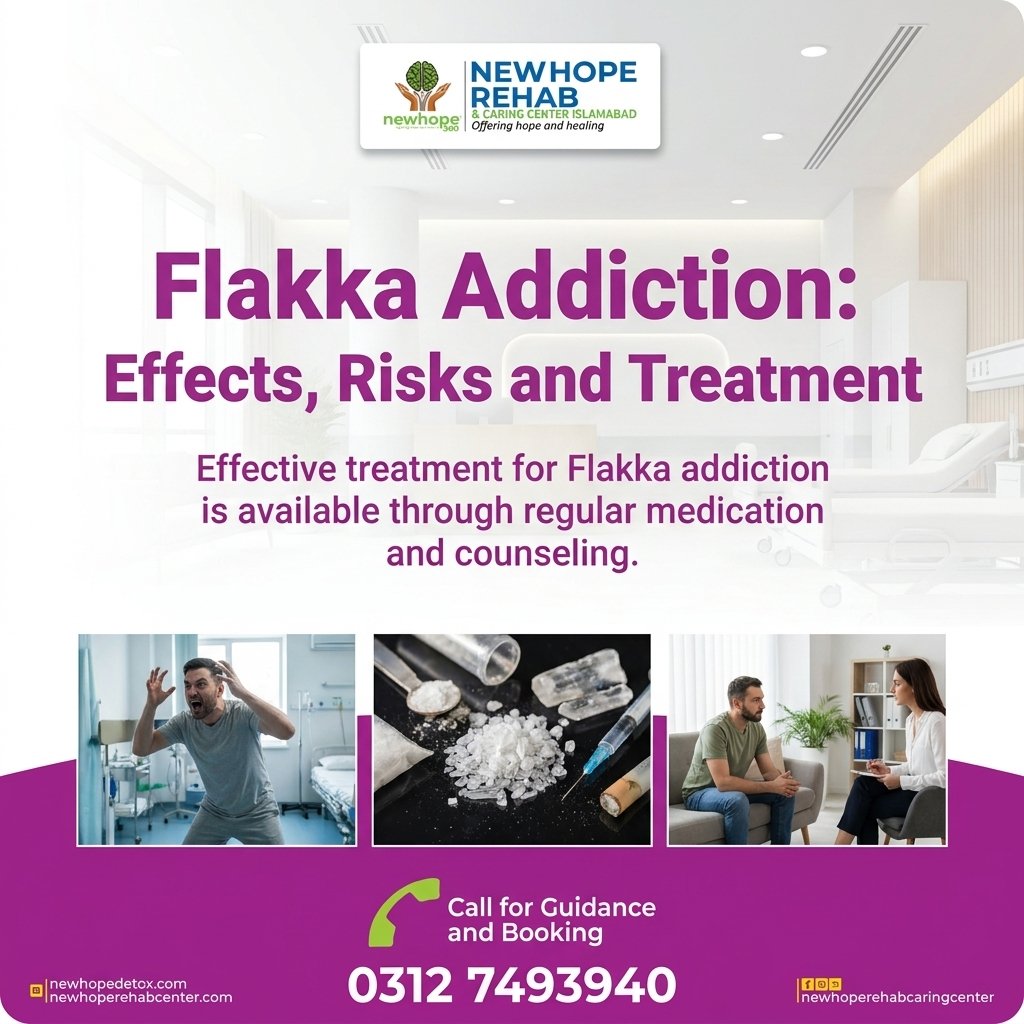
Flakka Addiction: Effects, Risks and Treatment
Flakka Addiction

Flakka Addiction: Effects, Risks and Treatment

Addiction to flakka is linked with a variety of severe physical, psychosocial and behavioral disorders. In this case, flakka would be the street name of one of the new synthetic stimulants-based drugs called alpha-PVP. It can cause extreme stimulation and may result in agitation, paranoia, hallucinations, and harmful changes to body temperature and heart rate. Media stories about flakka have suggested very extreme behavior but the actual effects depend on the drug, the dose can vary and most importantly also on how & why it was used together with other drugs. People who understand the risks of flakka and also notice subtle signs of problematic use may obtain treatment sooner. What Is Flakka? Flakka is the street name for alpha-PVP, a synthetic stimulant of the cathinone class. These compounds have a potent effect on the reward system and stimulation systems of the brain. It could be found in a powder or crystal form and you can take it in many different ways. Users may not know what they are consuming because illicitly produced substances may contain unidentified ingredients or different concentrations. Unpredictability may pose a higher chance of poisoning, overdose and other medical problems. How Does Flakka Affect the Body and Brain? Flakka has potent stimulant effects. It has potential to boost neurotransmitters that enhance alertness, reward, and arousal. Possible short-term effects include: Increased energy and alertness Rapid heartbeat Increased blood pressure Restlessness and agitation Anxiety and panic Sweating Dilated pupils Reduced appetite Insomnia Confusion Paranoia Hallucinations In the most serious circumstances, it can lead to extremes of agitation, fits, and hyperthermia (high body temperature), abnormal heart rhythms or loss of consciousness. Flakka Addiction and Dependence Cycle of stimulation use could add to mental obsession. Cravings increase in individual and may have a need to take the drug in order to feel pleasure, energy, confidence or alertness. When use is frequent, a person will continue to take flakka even when resulting in medical issues, relationship problems, trouble at work or school flooding home. Signs of flakka addiction may include: Strong cravings Repeated unsuccessful attempts to stop A lot of time spent obtaining or using the drug Neglecting responsibilities Using despite inhaling potential detrimental consequences Social withdrawal Increasing secrecy Sleep and appetite changes Mood instability Complementing flakka effects with other substances PHYSICAL EFFECTS AND HEALTH RISKS OF FLAKKA Flakka also puts the cardiovascular system and nervous system under strain. Potential complications include: Heart Problems Stimulant-induced delirium is another form of intoxication overdose that can lead to increased heart rate and high blood pressure, especially from illicit amphetamines. Severe reactions can lead to deadly heartbeat disturbances and cardiovascular issues. Dangerous Overheating Hyperthermia, or dangerously high body temperature, can result from severe stimulant toxicity. However, extreme overheating and its dangerous consequences on muscles and organs NEEE emergency medical attention. Seizures Too much stimulation from drugs can result in seizures, especially if very high doses are taken or multiple substances are used together. Kidney and Muscle Damage Extreme exertion and heat, panorama are cited as contributory factors in rhabdomyolysis, or muscle breakdown that injures the kidneys. Mental Health Effects Numerous psychiatric symptoms such as anxiety, paranoia, confusion and hallucination may be caused by Flakka. These effects can be especially dangerous when a person feels threatened or disoriented. Flakka Withdrawal Stimulants are less likely to cause a dangerous physical withdrawal syndrome like some depressant drugs, but more often Cocaine Tablets (or any other drug) withdrawal symptoms are psychological and emotional. A person who has stopped using flakka may experience: Fatigue Increased sleep Low mood Irritability Anxiety Difficulty concentrating Strong cravings Increased appetite Reduced motivation A lot of people become depressed. Anyone reading this who is experiencing suicidal thoughts or severe mental distress needs help urgently. Why Flakka Can Be Difficult to Treat Illicit products can differ quite a lot in content and strength, meaning that synthetic stimulants can be an unpredictable option. Other drugs such as alcohol, opioids, cannabis, benzodiazepines or other stimulants may be used by individuals that use flakka. Polysubstance use may also make some assessments and treatments more complex. Assessment is important because it can determine all the substances being used and also any comorbid mental health issues. Treatment for Flakka Addiction Stimulant addiction is not one size fits all. Treatment is typically designed around the individuals habits in substance use, physical health, mental health and social standings. Medical Assessment It usually starts with a physical and psychological evaluation. Patterns of substance use, cardiovascular risks, mental health symptoms, sleep and nutrition concerns are among the medical issues that clinicians may be assessing. Behavioral Therapy Behavioral therapies are effective in modifying patients’ attitudes and behaviors related to drug use, as well as increasing the effectiveness of various interventions. Cognitive-behavioral approaches can help identify thoughts and behaviours that perpetuate drug use. Mental Health Treatment Individuals suffering from depression, anxiety, psychosis, post-traumatic symptoms or any other mental health disorder may need combined psychiatric and psychological treatment. When it comes to lasting recovery, treating co-occurring challenges is an integral step. Family Support Addiction education and counseling for family members enables relatives to provide supportive assistance. Similarly, a supportive environment may support the maintenance of treatment and recovery goals. Relapse Prevention This recovery does not stop when acute symptoms fade. The tools that are involved in relapse prevention may include an awareness of triggers, the rebuilding of a healthy lifestyle, curating a solid support system, and continuing with counseling if needed. At What Points Does Flakka Intoxication Become a Medical Emergency? Life threatening levels of acute overdose toxicity may occur with severe stimulants. If someone who has taken flakka experiences: Chest pain Difficulty breathing Seizures Severe confusion or agitation Loss of consciousness Extremely high body temperature Severe hallucinations or dangerous behavior Indications of a serious medical emergency Never try to handle a serious case of intoxicated at home. Depressed with flakka | New Hope Rehab and Caring Centre Islamabad New Hope Rehab and Caring Centre Islamabad are a leading addiction treatment center for people who are