+92 312 7493940

Best Drug Rehabilitation Centre in Pakistan: How to Choose

Best Drug Rehabilitation Centre in Pakistan: How to Choose

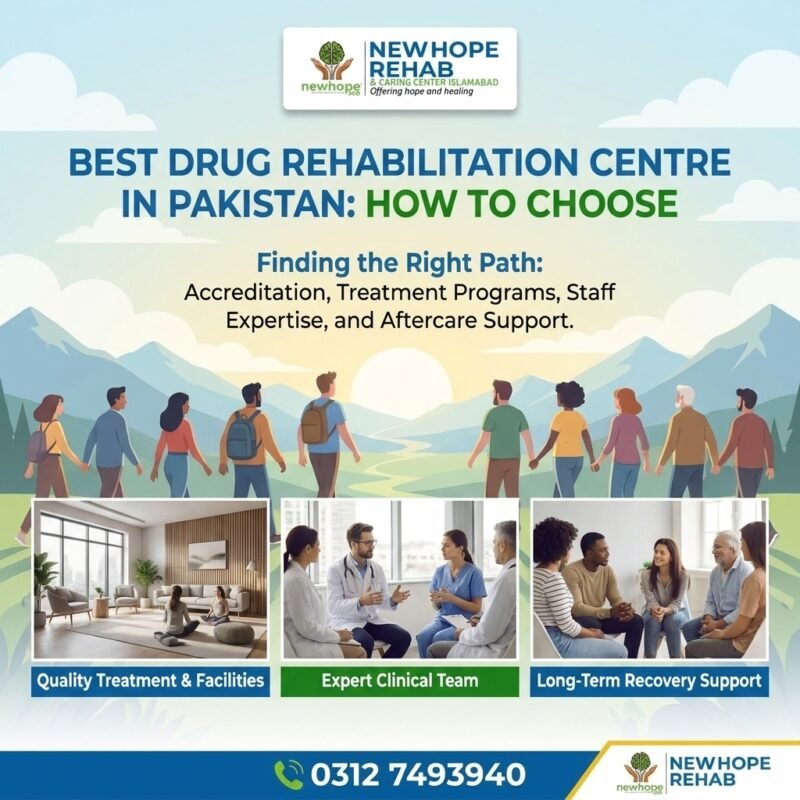
Choosing the best drug rehabilitation centre in Pakistan is an important decision for individuals and families dealing with addiction. The right treatment environment can help people understand their substance use, address related health concerns, and work toward long-term recovery.

However, not every rehabilitation centre offers the same level of care. Before making a decision, it is important to consider treatment quality, qualified staff, safety, and ongoing support.

1. Check the Centre’s Medical and Professional Staff

A reliable rehabilitation centre should have access to qualified healthcare professionals who understand addiction treatment.

Look for appropriate medical supervision, mental health support, and trained staff. Medical assessment is especially important for people who may experience withdrawal symptoms or have other health conditions.

2. Understand the Available Treatment Programs

Addiction treatment should be based on individual needs. Ask whether the centre provides appropriate options such as:

  • Medical assessment and detox support.
  • Individual counseling.
  • Group therapy.
  • Mental health support.
  • Family counseling.
  • Relapse prevention planning.
  • Aftercare guidance.

The availability of specific services should always be confirmed directly with the centre.

3. Look for a Safe and Supportive Environment

A positive treatment environment should protect patients’ dignity, privacy, and wellbeing.

When evaluating a facility, ask about accommodation, hygiene, patient safety, emergency procedures, and how staff respond to medical or emotional concerns.

Patients should be treated respectfully, without humiliation, threats, or unnecessary punishment.

4. Ask About Personalized Treatment Plans

Every person’s experience with addiction is different. Treatment may depend on the substance involved, duration of use, physical health, and mental health needs.

A suitable centre should assess each individual and explain how the proposed treatment plan addresses their circumstances.

Be cautious of facilities that promise guaranteed recovery or offer exactly the same plan to everyone.

5. Consider Family Involvement and Aftercare

Best Drug Rehabilitation Centre in Pakistan: How to Choose

Family support can make a positive difference during recovery. Ask whether family counseling or educational support is available.

It is also important to understand what happens after a patient completes residential treatment. Ongoing counseling, follow-up appointments, and relapse prevention support can help individuals adjust to everyday life.

6. Compare Costs and Transparency

Before choosing a rehabilitation centre, ask for clear information about:

  • Treatment fees and additional charges.
  • What the quoted cost includes.
  • Expected treatment arrangements.
  • Medical services and supervision.
  • Policies regarding privacy and patient rights.

Do not choose a facility based on price alone. Safety, professional care, and treatment quality should remain priorities.

Choosing New Hope Rehab and Caring Centre Islamabad

New Hope Rehab and Caring Centre Islamabad is a resource for individuals and families seeking addiction-related support.

When considering the centre, contact its team directly to confirm available treatment programs, professional qualifications, medical arrangements, costs, and aftercare options. A professional assessment can help determine whether its services are appropriate for an individual’s needs.

Frequently Asked Questions

1. How do I choose the best drug rehabilitation centre in Pakistan?

Compare professional qualifications, medical supervision, treatment options, safety standards, patient rights, costs, and aftercare support.

2. How long does drug rehabilitation take?

Treatment duration varies depending on the substance involved, health conditions, and individual progress. A qualified professional can recommend an appropriate treatment plan.

3. Is medical detox necessary for every patient?

Not everyone needs the same detox approach. A medical assessment helps determine whether supervised withdrawal management is necessary and what level of care is safest.

4. Should families be involved in addiction treatment?

Family involvement can improve communication and provide emotional support. Counseling may also help families understand addiction and establish healthy boundaries.

5. What should happen after completing rehabilitation?

Aftercare may include counseling, support groups, medical follow-ups, and relapse prevention planning. Continued support can help individuals manage challenges after leaving rehab.

Conclusion

Choosing the best drug rehabilitation centre in Pakistan requires careful research. Focus on qualified professionals, safe treatment practices, personalized care, transparent costs, and ongoing support. Taking time to evaluate these factors can help individuals and families make a more informed decision about addiction treatment and recovery.

Latest Post

Newsletter

Signup our newsletter to get free update, news or insight. 

Related Article

Best Drug Rehabilitation Centre in Pakistan: How to Choose
Best Drug Rehabilitation Centre in Pakistan

Best Drug Rehabilitation Centre in Pakistan: How to Choose

Choosing the best drug rehabilitation centre in Pakistan is an important decision for individuals and families dealing with addiction. The right treatment environment can help people understand their substance use, address related health concerns, and work toward long-term recovery. However, not every rehabilitation centre offers the same level of care. Before making a decision, it is important to consider treatment quality, qualified staff, safety, and ongoing support. 1. Check the Centre’s Medical and Professional Staff A reliable rehabilitation centre should have access to qualified healthcare professionals who understand addiction treatment. Look for appropriate medical supervision, mental health support, and trained staff. Medical assessment is especially important for people who may experience withdrawal symptoms or have other health conditions. 2. Understand the Available Treatment Programs Addiction treatment should be based on individual needs. Ask whether the centre provides appropriate options such as: Medical assessment and detox support. Individual counseling. Group therapy. Mental health support. Family counseling. Relapse prevention planning. Aftercare guidance. The availability of specific services should always be confirmed directly with the centre. 3. Look for a Safe and Supportive Environment A positive treatment environment should protect patients’ dignity, privacy, and wellbeing. When evaluating a facility, ask about accommodation, hygiene, patient safety, emergency procedures, and how staff respond to medical or emotional concerns. Patients should be treated respectfully, without humiliation, threats, or unnecessary punishment. 4. Ask About Personalized Treatment Plans Every person’s experience with addiction is different. Treatment may depend on the substance involved, duration of use, physical health, and mental health needs. A suitable centre should assess each individual and explain how the proposed treatment plan addresses their circumstances. Be cautious of facilities that promise guaranteed recovery or offer exactly the same plan to everyone. 5. Consider Family Involvement and Aftercare Family support can make a positive difference during recovery. Ask whether family counseling or educational support is available. It is also important to understand what happens after a patient completes residential treatment. Ongoing counseling, follow-up appointments, and relapse prevention support can help individuals adjust to everyday life. 6. Compare Costs and Transparency Before choosing a rehabilitation centre, ask for clear information about: Treatment fees and additional charges. What the quoted cost includes. Expected treatment arrangements. Medical services and supervision. Policies regarding privacy and patient rights. Do not choose a facility based on price alone. Safety, professional care, and treatment quality should remain priorities. Choosing New Hope Rehab and Caring Centre Islamabad New Hope Rehab and Caring Centre Islamabad is a resource for individuals and families seeking addiction-related support. When considering the centre, contact its team directly to confirm available treatment programs, professional qualifications, medical arrangements, costs, and aftercare options. A professional assessment can help determine whether its services are appropriate for an individual’s needs. Frequently Asked Questions 1. How do I choose the best drug rehabilitation centre in Pakistan? Compare professional qualifications, medical supervision, treatment options, safety standards, patient rights, costs, and aftercare support. 2. How long does drug rehabilitation take? Treatment duration varies depending on the substance involved, health conditions, and individual progress. A qualified professional can recommend an appropriate treatment plan. 3. Is medical detox necessary for every patient? Not everyone needs the same detox approach. A medical assessment helps determine whether supervised withdrawal management is necessary and what level of care is safest. 4. Should families be involved in addiction treatment? Family involvement can improve communication and provide emotional support. Counseling may also help families understand addiction and establish healthy boundaries. 5. What should happen after completing rehabilitation? Aftercare may include counseling, support groups, medical follow-ups, and relapse prevention planning. Continued support can help individuals manage challenges after leaving rehab. Conclusion Choosing the best drug rehabilitation centre in Pakistan requires careful research. Focus on qualified professionals, safe treatment practices, personalized care, transparent costs, and ongoing support. Taking time to evaluate these factors can help individuals and families make a more informed decision about addiction treatment and recovery.
Family Support Program: Helping Families Through Addiction Recovery
Family Support Program

Family Support Program: Helping Families Through Addiction Recovery

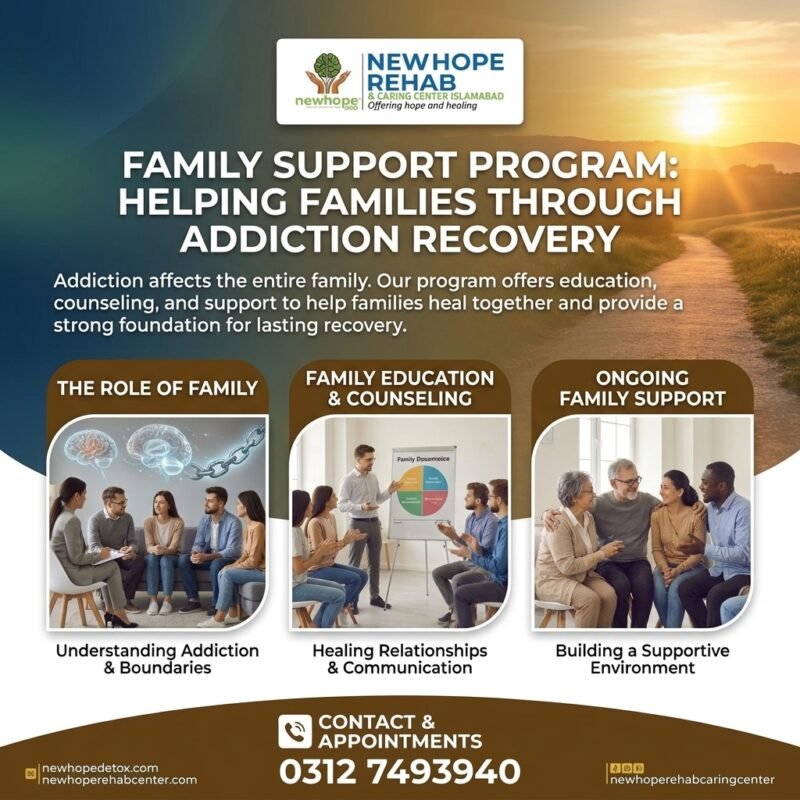
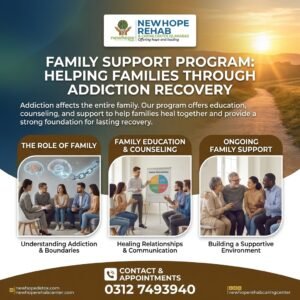
Addiction is not just an issue for individuals who are dealing with a drug problem. There are other areas of an individual’s life that may be impacted by addiction, such as family relationships, emotional health, and building trust. A family support program provides families with the opportunity to gain knowledge about addiction, develop improved communication skills, and assist their loved ones as they work towards recovering from addiction. Education, counseling and hands-on help will allow families to develop an atmosphere of wellness which supports sustained recovery. What Is a Family Support Program? The Family Support Program offers support and information to families who are experiencing problems with addiction or other mental health issues. The program supports the family member’s understanding of what part he/she plays in the recovery process, as well as teaching them how to maintain their personal well-being. Depending on individual needs, a program may include: Family counseling sessions. Education about addiction and recovery. Communication and conflict-resolution skills. Guidance on setting healthy boundaries. Strategies for recognizing relapse warning signs. Emotional support for family members. The exact services provided differ among various providers, and you need to contact them directly for clarification. Why Is Family Support Important in Addiction Recovery? In addition to creating stress, misinterpretations, and emotional distance in families, the use of family support may be able to help resolve many of the problems associated with addiction and promote better family interactions. Improves Communication Family members will be able to share their thoughts and opinions about things they feel need attention through open and respectful communication. By listening to what others have to say, and then responding in a calm manner, you may be able to lower conflicts and regain the confidence of your family. Encourages Treatment Participation When there are supportive family members who are encouraging their loved ones to seek treatment and/or to stick with a plan of action toward recovery, this is a great thing. However, when making decisions regarding what types of treatment to use, it is best to consult with a professional in order to determine which type of treatment will be most beneficial for the person seeking help. Helps Prevent Relapse Families can be taught to identify the early warning signs that indicate something may be wrong; what are the typical causes of these types of problems; and how to get help from a professional as soon as possible after they notice a problem. Supports Family Wellbeing Loved ones may experience anxiety, frustration, or exhaustion as they provide support to an individual who has an addiction. These feelings can be managed by using counseling and/or peer support to establish and maintain healthy boundaries. How Can Families Support a Loved One After Rehab? After the end of formal treatment, families can continue to support their loved one in their recovery process by developing a supportive environment, and establishing healthy daily habits. Helpful steps include: Avoiding judgmental or shaming language. Encouraging follow-up appointments and counseling. Supporting healthy daily habits. Recognizing progress and effort. Maintaining clear boundaries around unsafe behavior. Seeking professional help when challenges become difficult to manage. Families need to be aware of the fact that they are not able to control the recovery process for an individual. The family has the responsibility to support the individual appropriately, and protect themselves emotionally and physically. Family Support Program at New Hope Rehab and Caring Centre Islamabad New Hope Rehab & Caring Centre Islamabad is a service that provides support for people who are experiencing problems related to drug/alcohol use. If you wish to seek out help with respect to either your family’s experience with addiction, or if you would like to find some direction regarding how to begin the process of recovering from an addiction, then you may call the center to verify what services they provide, as well as discuss what you need. The professional input can assist families in developing an understanding of addiction, identify the most appropriate support systems available to them, and acquire the knowledge required to pursue a course of recovery with one another. Frequently Asked Questions 1.     What is the purpose of a Family Support Program? This program’s primary objective is to assist families in understanding addiction, enhancing their ability to communicate with each other, establishing appropriate boundaries within the family unit and supporting each member’s recovery process. 2.     Can family support help prevent relapse? Family support can be helpful in many ways such as encouraging family members to seek out and participate in treatment programs, identifying potential warning signs of possible relapse, and providing a positive/supportive environment at home. However, family support does not provide an absolute guarantee that a relapse will not occur. 3.     Should family members attend addiction counseling? When families have experienced problems due to an addiction, family counseling may be beneficial. An experienced counselor will assist you in determining if family counseling would be suitable for your family’s situation. 4.     How can families support someone after rehab? These people will provide encouragement for the individual to receive continued treatment, help establish a regular pattern of healthy behaviors, use respectful communication, and obtain professional advice as necessary. 5.     Can family members receive support even if their loved one refuses treatment? Yes. Family members can obtain independent counseling or other types of support to assist them with developing effective coping mechanisms, establishing healthy boundaries and protecting their individual well-being. Conclusion The Family Support Program is a critical part of the recovery process for individuals with addictions. It provides families with tools to enhance communication, restore trust, and handle problems more effectively. Through education, healthy boundaries, and proper professional assistance, families are able to help their family member recover, and also take care of themselves.

Drug Addiction Recovery: What Happens After Rehab?
Drug Addiction Recovery

Drug Addiction Recovery: What Happens After Rehab?

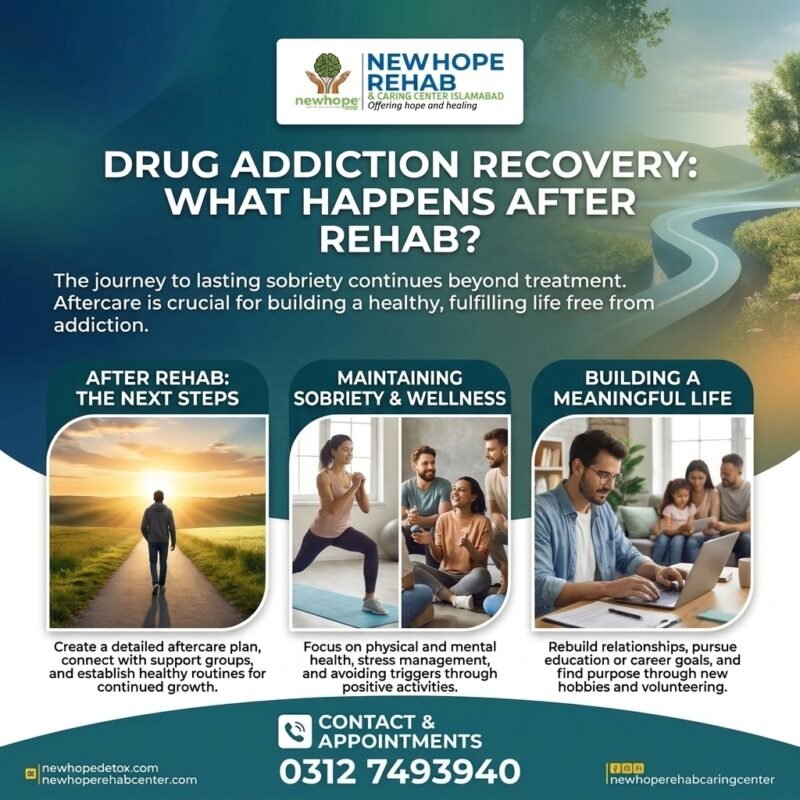
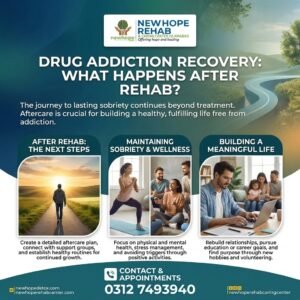
The completion of your Drug rehabilitation program is a significant event. However, the process of recovering from a drug problem continues after you leave the facility. There are many obstacles that may present themselves upon returning to daily routines. These obstacles include cravings, stressful situations, and rebuilding relationships. By providing continued support, developing healthy habits, and having a well-defined recovery plan, individuals can maintain their efforts to achieve a more stable and healthier lifestyle. What Happens After Drug Rehab? After rehab, individuals apply what they have learned in treatment to daily life. Some aspects of their recovery plan might include: Attending counseling sessions. Joining addiction recovery support groups. Following a healthy daily routine. Avoiding situations that trigger drug use. Rebuilding family and social relationships. Returning to work or education gradually. The recovery process varies from person to person. While some individuals may adapt rapidly, others will continue to require professional help. Why Is Aftercare Important? Aftercare is the ongoing support that follows a structured rehab program. It assists the person in managing their cravings, dealing with stress and recognizing when they are about to experience a relapse. Depending upon an individual’s specific needs, there are many forms of post-treatment support available. These could include but are not limited to, individual therapy; medical follow-up appointments; family counseling; and/or peer support groups. By staying in touch with licensed professionals, people have the ability to deal with issues that could develop into larger problems if left unaddressed. Common Challenges After Rehab Life after rehab can be rewarding, but certain difficulties may arise. Managing Drug Cravings When an individual is under stress and/or is exposed to people, places and/or environments that are related to their prior history of illicit substance usage; they may experience “craving.” Learning how to identify your triggers and applying coping mechanisms that were taught to you in your treatment program will assist you in managing these cravings. Handling Stress and Emotions Recovery may be more difficult with anxiety, depression, and loneliness. There are several things that can assist individuals in managing these emotions: counseling; regular exercise; sufficient sleep; and effective communication. Rebuilding Relationships Trust between family members and friends can be affected by addiction. When we have honest communication, are patient, and consistently behave, we can begin to restore our relationships with each other over time. Returning to Daily Responsibilities Setting realistic goals, as well as being careful not to put too much strain on yourself, will help you with the transition into work, education, and/or family responsibilities which can offer a sense of structure and purpose. How Can You Prevent Relapse After Rehab? Relapses are preventable, and proper planning will decrease your chances of experiencing one. Some effective methods for preventing relapses include: Identify triggers: Determine what circumstances or feelings can lead to an increased desire to use drugs. Create a daily schedule: Make time for sleep, nutritious food, exercise, and activities that matter to you. Be connected: Connect with your trusted people, counsel, and support groups. Seek Help Sooner: Get in touch with a health care provider if you are having trouble managing your food cravings or emotional issues. A person who has returned to drug use should find help from a professional immediately. Because tolerance can go down during the time that someone is not using drugs, there is an increased chance of overdosing when you begin to use drugs again. How Family Support Helps Recovery When you are recovering, it helps to know that you have the support of your family so you do not feel as if you are going through this alone. Your family members may help with your follow -up care, listen to what you have to say about your recovery, and create a supportive environment at home for you. However, families need to establish proper limits for their members and request assistance when necessary. Recovery from addiction is not a process that families should handle on their own. Drug Addiction Recovery Support at New Hope Rehab and Caring Centre Islamabad New Hope Rehab and Caring Center in Islamabad provides resources for individuals and families who require assistance with issues related to substance abuse. Individuals who may be interested in obtaining treatment or post-treatment care should contact the center directly to determine the availability of services and discuss their individual requirements. A professional evaluation will help decide how much continued assistance should be provided for an individual during his or her recovery process. Frequently Asked Questions 1.     What should I do after completing drug rehab? Follow through with your post-treatment care program, go to all scheduled visits and create a positive routine for yourself. If you require further assistance, please contact the professional who treated you. 2.     How long does drug addiction recovery take? Recovery can vary greatly among people. Depending upon their health, prior use of substances, and individual situation, some may require long-term support for several months or even longer. 3.     Are cravings normal after rehab? Yes, craving may persist even after completing the treatment program. Coping with cravings will require you to identify what causes your cravings (trigger) and use coping techniques to deal with those cravings. 4.     What should I do if someone relapses after rehab? Promptly encourage them to get in touch with a healthcare professional. Seek immediate emergency medical attention if they are experiencing symptoms of an overdose (e.g., loss of consciousness or difficulty breathing). 5.     Can someone live a healthy life after drug addiction? Many individuals continue to make positive progress toward building a healthier life following treatment. Continued support, as well as personalized recovery plans, will assist in helping them to sustain their progress. Conclusion Aftercare, positive routines, support from loved ones, and access to professional help are all necessary for successful drug addiction recovery. These resources will assist individuals as they work through obstacles and avoid potential triggers that may lead to relapse.

Can Depression Cause Drug Addiction? Understanding the Link
Can Depression Cause Drug Addiction

Can Depression Cause Drug Addiction? Understanding the Link

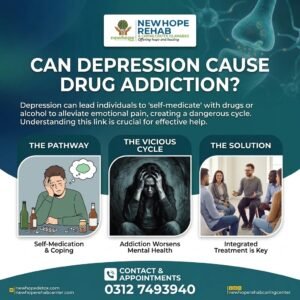
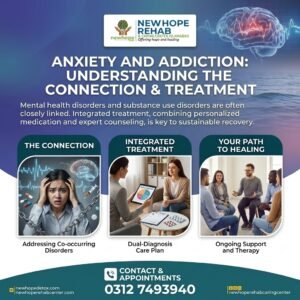
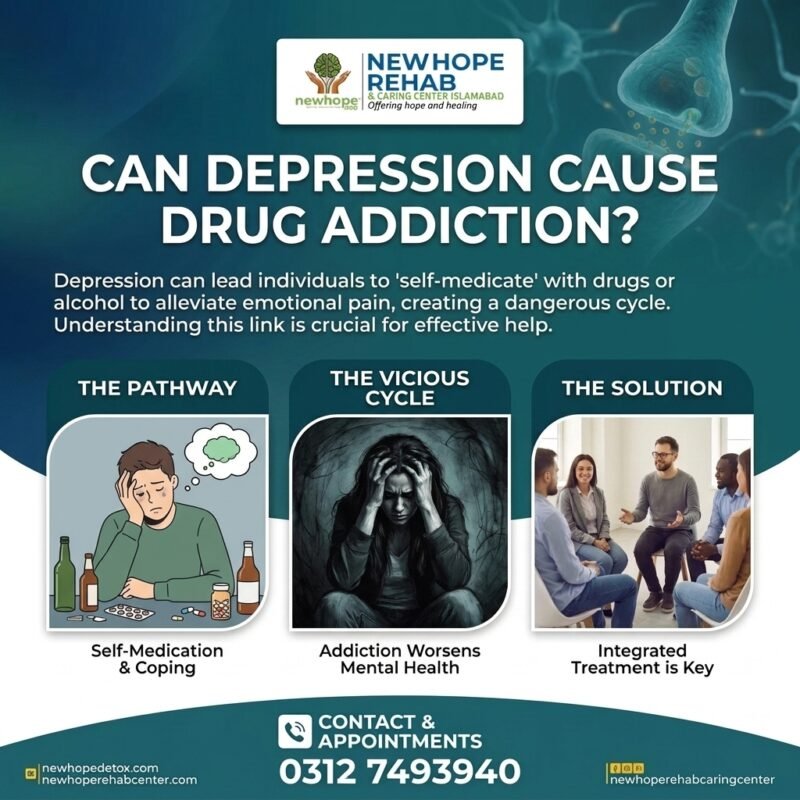
Depression and drug addiction are two serious health conditions that can affect a person’s emotions, relationships, physical health, and everyday life. People experiencing depression may struggle with sadness, hopelessness, low energy, or a loss of interest in activities they once enjoyed. Some may turn to drugs or alcohol in an attempt to escape these feelings or find temporary relief. Can depression cause drug addiction? Depression does not automatically lead to addiction, but it can increase the risk of substance misuse for some people. At the same time, drug use can worsen depressive symptoms or contribute to the development of depression. When both conditions occur together, they can create a difficult cycle that may require professional treatment. Understanding the connection between depression and addiction is an important step toward recognizing warning signs, finding appropriate care, and supporting long-term recovery. What Is the Connection Between Depression and Drug Addiction? Depression is a mental health condition that can affect mood, motivation, sleep, appetite, concentration, and the ability to enjoy daily activities. It is more than feeling sad for a short period and may interfere with work, education, relationships, and personal responsibilities. Drug addiction, clinically known as a substance use disorder, involves difficulty controlling substance use despite harmful consequences. These conditions can influence each other in several ways. A person experiencing depression may use drugs to temporarily change their mood, increase energy, reduce emotional pain, or escape distressing thoughts. However, the effects may be short-lived, and repeated substance use can lead to cravings, dependence, and further emotional difficulties. Drug use can also disrupt sleep, affect brain function, increase social isolation, and create financial or relationship problems that contribute to worsening depression. This relationship is complex. Depression can increase vulnerability to substance misuse, but addiction can also contribute to depression. In some cases, both conditions develop because of shared risk factors, such as trauma, chronic stress, or family history. Can Depression Increase the Risk of Drug Addiction? Yes. Depression can increase the risk of substance misuse, particularly when a person has limited access to support or struggles to manage emotional distress. 1. Using Drugs to Escape Emotional Pain People experiencing depression may feel overwhelmed by sadness, emptiness, guilt, or hopelessness. Some turn to drugs or alcohol because they believe these substances will help them feel better. Although a substance may temporarily change how someone feels, it does not address the underlying depression. Repeated use can create a pattern in which the person relies on drugs whenever difficult emotions arise. 2. Seeking Temporary Relief or Energy Depression can cause fatigue, low motivation, and difficulty concentrating. Some people misuse stimulants or other substances in an attempt to feel more energetic or productive. These substances can have serious risks and may cause anxiety, sleep disruption, mood changes, or dependence. When their effects wear off, a person may feel even more exhausted or emotionally distressed. 3. Coping With Loneliness and Isolation Depression can make social interaction feel difficult. People may withdraw from friends and family or lose interest in activities they once enjoyed. Isolation can reduce access to emotional support and increase the risk of using substances alone. Rebuilding social connections and seeking mental health care can help address this vulnerability. 4. Dealing With Trauma or Chronic Stress People who have experienced abuse, grief, family conflict, or other traumatic events may face an increased risk of depression and substance use problems. Drugs or alcohol may become a way to avoid painful memories or manage overwhelming emotions. Trauma-informed mental health treatment can help individuals develop safer coping strategies. Can Drug Addiction Cause Depression? Yes. Substance use can contribute to depressive symptoms, worsen existing depression, or complicate the treatment of a mental health condition. The effects depend on the substance, how often it is used, the person’s health, and other circumstances. Alcohol: Heavy drinking can disrupt sleep, affect mood, and worsen depressive symptoms. Stimulants: Cocaine and methamphetamine may cause low mood, exhaustion, and emotional distress as their effects wear off. Opioids: Opioid misuse can affect daily functioning, relationships, and emotional well-being. Withdrawal may also involve anxiety, sleep problems, and low mood. Cannabis: Cannabis affects people differently, and frequent use may be associated with mental health difficulties in some individuals. Sedatives: Misuse of sedative medications can contribute to cognitive and emotional problems, while withdrawal may cause severe symptoms. It is also important to recognize that depression can occur independently of substance use. A healthcare professional can help determine whether symptoms are related to depression, substance effects, withdrawal, or a combination of factors. Warning Signs of Depression and Drug Addiction Recognizing the signs of both conditions can help individuals and families seek support before the problems become more severe. Common Signs of Depression Possible symptoms include: Persistent sadness, emptiness, or hopelessness. Loss of interest in hobbies or social activities. Low energy or ongoing fatigue. Changes in sleep or appetite. Difficulty concentrating or making decisions. Feelings of guilt, worthlessness, or helplessness. Withdrawing from family and friends. Thoughts of death or suicide. Depression symptoms that persist or significantly interfere with daily life should be assessed by a qualified healthcare professional. Common Signs of Drug Addiction Possible warning signs include: Strong cravings or frequent thoughts about using drugs. Taking more of a substance than intended. Repeated unsuccessful attempts to stop. Continuing to use despite physical, emotional, or relationship problems. Neglecting work, education, or family responsibilities. Spending substantial time obtaining or recovering from substances. Experiencing withdrawal symptoms when reducing or stopping use. These signs do not establish a diagnosis on their own. Professional assessment can help clarify what is happening and identify appropriate treatment options. Why Depression and Addiction Should Be Treated Together When depression and substance use disorder occur together, they are often described as co-occurring disorders. Treating both conditions is important because each may affect the other. For example, a person may stop using drugs but continue to experience untreated depression. Emotional distress may then make recovery more difficult. Alternatively, treating depression without addressing ongoing substance misuse may leave important triggers and health risks