+92 312 7493940

Depression and Drug Addiction: Understanding the Connection and Treatment

Depression and Drug Addiction: Understanding the Connection and Treatment

Co-occurrence of depression and drug addiction is challenging and can affect individuals physically, socially, and emotionally. While some turn to drugs during depression in an effort to escape or numb from sadness, anxiety, stressor trauma and emotional pain. In some instances, continued use of drugs may also play a role in the development or worsening of depressive symptoms.

If both conditions are present treating either condition alone may fail to address important recovery needs. An integrated assessment can evaluate cooccurring substance use and mental health problems and create a personalized treatment plan.

New hope rehab and caring center Islamabad is a private, professional rehabilitation center that specializes in providing organized substance-use and other mental health services for individuals with such behavioral disorders and their families.

How Are Depression and Drug Addiction Related?

Depression can include a range of mental health problems involved in low mood, loss of interest and changes in sleep or appetite, fatigue, trouble concentrating, thoughts of death or suicide.

Substance use disorder (SUD), also known as drug addiction, is a disease characterized by compulsive drug seeking, continued use despite harmful consequences.

The correlation between both could be a cocktail of complexities. Depression can precede drug use, emerge along with ongoing substance abuse or develop during withdrawal from drug use and recovery.

Many factors which can drive both possibly include:

  • Genetics and family history
  • Trauma or prolonged stress
  • Social isolation
  • Environmental factors
  • Chronic health problems
  • Previous mental health difficulties
  • Effects of repeated substance use

A professional assessment can assist in identifying how the conditions might be interacting.

How drug use can impact on depression

Other substances might affect neurotransmitter activity, alter mood (adjusted within hours) or provide a short-term sense of relief. These effects may be accompanied by changes in mood, sleep, motivation and emotional stability.

Substance use can progress to:

  • Increased isolation
  • Sleep disruption
  • Financial and relationship problems
  • Reduced motivation
  • Emotional instability
  • Increased anxiety
  • Worsening depressive symptoms
  • Greater dependence on the substance

It depends upon the substance will you use, the amount used and how often it’s used as well as your health at the time.

Is Drug Addiction a Result of Depression?

Depression boarders on earliest part and not all addicts have addiction to it but some of them, who want go away from this feeling are definitely using substances.

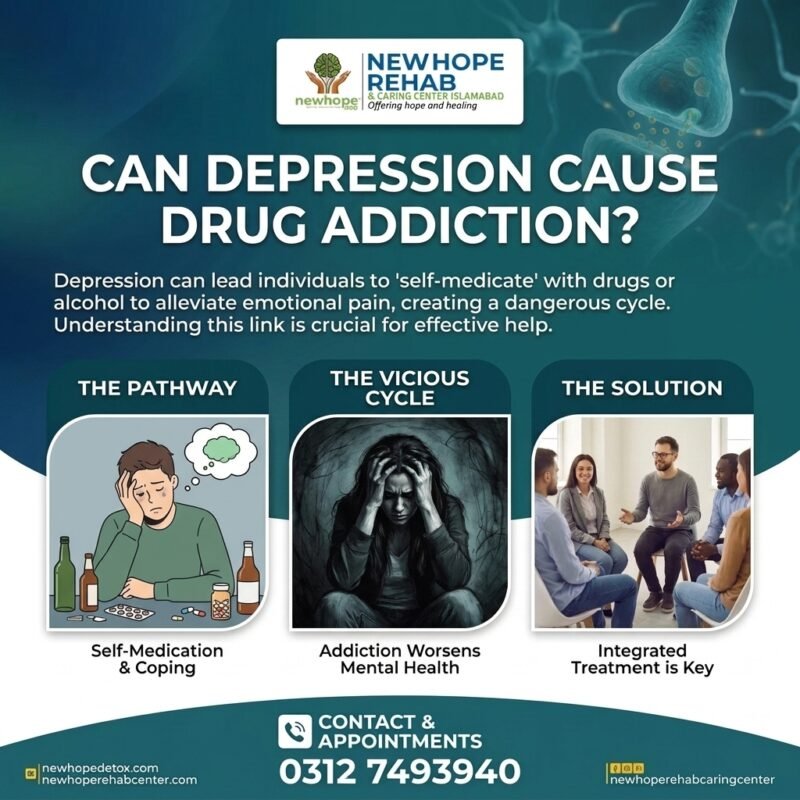
Someone who suffers from continued sad moods, for example, may be using drugs as a distraction from pain. Repeated use can become a pattern that is not easy to stop over time.

This can create a cycle:

Depression → use of drugs/alcohol → some short-term relief → bad consequences (big or small) → more depression ⇒ uses drug more

It often takes treatment for both the mental health condition and substance-use disorder to break this cycle.

Symptoms of Co-Occurring Depression and Drug Addiction

Due to overlap in symptoms, identifying co-occurring conditions can be challenging.

Possible warning signs include:

  • Persistent sadness or hopelessness
  • losing interest in usual activities
  • Major changes in sleep
  • Changes in appetite
  • Social withdrawal
  • Difficulty concentrating
  • Strong drug cravings
  • Increasing drug use
  • Neglecting responsibilities
  • Continued use despite negative consequences
  • Irritability or mood changes
  • Feelings of guilt or worthlessness

These symptoms alone do not constitute a diagnosis. An appropriate evaluation can be performed by a qualified individual.

Dual Diagnosis Treatment
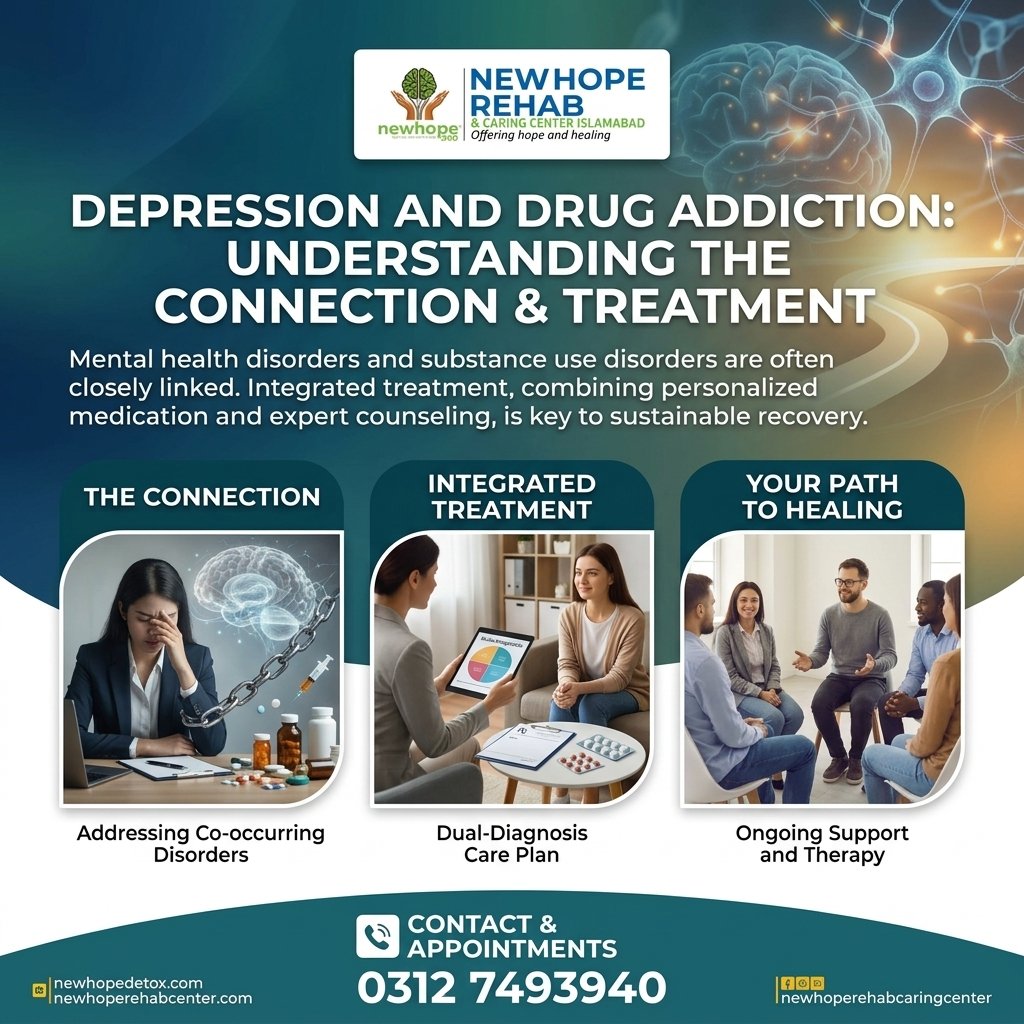
Depression and Drug Addiction: Understanding the Connection and Treatment

If a person has a depression and substance-use disorder at the same time, professionals may say that she or he has a dual diagnosis or co-occurring disorder.

Management needs to address both conditions, and one should not assume that treatment of one will lead to the other resolving.

A comprehensive treatment plan can entail:

  • Psychiatric assessment
  • Addiction assessment
  • Counseling
  • Behavioral therapy
  • Medication when clinically appropriate
  • Withdrawal management
  • Family support
  • Relapse prevention
  • Continuing care

The specific combination is tailored to the individualized symptoms and clinical picture of each patient.

Depression Assessment During Addiction Treatment

Screening for mental health should be conducted when patients are not experiencing intoxication or withdrawal, as depression may present during these phases.

Professionals may assess:

  • When depressive symptoms began
  • Whether there had been symptoms prior to using drugs
  • Fluctuations in mood during the abstinent window
  • Pattern and type of substance use
  • Previous mental health treatment
  • Family mental health history
  • Suicidal thoughts or self-harm risk
  • Current medications
  • Physical health

This information may help the clinicians subsequently devise a more suitable treatment plan(s).

Counseling and Behavioral Therapy

Psychological treatment may simplify the explaining not only of substance use also vacantia symptoms.

Therapy may focus on:

  • Identifying triggers
  • Managing difficult emotions
  • Challenging unhelpful thought patterns
  • Developing healthier coping skills
  • Improving motivation
  • Managing cravings
  • Building daily routines
  • Improving communication
  • Preventing relapse

Studies of cognitive behavioral therapies and other evidence-based therapies may be adapted to individual needs.

Medication for Depression and Addiction

Medication may help certain individuals dealing with depression. These treatment decisions should be made by a qualified medical professional after thorough evaluation of your symptoms, substance use, physical health and other medications.

This medication can be an element of a wider treatment which includes counseling and/or addiction treatment.

People do not start, stop or change psychiatric medication or addiction-related medication without guidance from a professional.

Detox and Depression

Withdrawal management may be a critical first step for someone who is physically dependent on drugs. But detoxification does not, by itself, treat depression or the roots of addiction.

Withdrawal may also cause mood, anxiety, sleep or other psychological symptoms to worsen temporarily. Mood disorders could be treated a little better if detected early, and professional monitoring can help with this.

Medically dangerous withdrawal occurs in particular with alcohol and some sedative medications. It is necessary to get a professional decision in advance of discontinuing substances when dependence is suspected.

Family Support

The family is not just the person with depression and addiction. Family members might not understand behavioral changes or how to help.

Family-focused treatment can help relatives:

  • Understand addiction and depression
  • Communicate more effectively
  • Establish healthy boundaries
  • Recognize warning signs
  • Avoid enabling harmful substance use
  • Encourage appropriate professional care
  • Support healthy recovery routines

So, family members should also get support as and when required for their emotional support.

Relapse Prevention for Co-Occurring Conditions

For some people in recovery from addiction, depression can trigger a relapse. Likewise, relapse to substance use may aggravate depressive symptoms.

A relapse-prevention plan can include:

  • Identifying emotional and environmental triggers
  • Continuing mental health treatment
  • Attending addiction counseling
  • Managing stress
  • Maintaining healthy sleep routines
  • Building supportive relationships
  • Avoiding high-risk situations
  • Monitoring changes in mood
  • Getting professional help soon when symptoms get worse

Recovery models quickly adapt as conditions evolve

When Depression Requires Immediate Help

The worst-case scenario is that the mixture of depression and addiction could lead to serious psychological distress.

If someone:

  • Has thoughts of suicide
  • Has a plan or intention for self-harm
  • Has seriously harmed themselves
  • is an imminent threat to him — or herself, or to others
  • Experiences severe confusion or psychosis
  • Becoming increasingly activated or dissociated

You should NEVER leave anyone in immediate and imminent danger alone while arranging emergency help.

Selecting Treatment Between Depression Versus Drug Addiction

Consider if how you approach treatment can be able to treat both mental health and substance use.

Useful questions include:

  • Do they conduct a thorough mental health assessment?
  • Is substance use assessed separately?
  • Is this in the presence of a licensed mental health professional?
  • Is withdrawal risk evaluated?
  • Is counseling available?
  • Is psychiatric treatment, if indicated and needed, available?
  • Is family support available?
  • Is relapse prevention included?
  • Is continuing care available?

It can make it easier to get the support needed to help identify and treat both depression and addiction as part of an integrated treatment plan.

NEW HOPE REHAB AND CARING CENTRE ISLAMABAD; Depression, Drug addiction Treatment

At New Hope Rehab and Caring Centre Islamabad, you are offered the therapy that is both organized as well as directed for keeping substance abuse and other mental difficulties in balance.

Therapy or treatment planning, depending on your need’s withdrawal management addiction and mental health assessment counseling psychological support family involvement relapse prevention care for continuing recovery

A specialist review can pick which sort and how much treatment will be required for people who have sadness alongside their substance abuse.

Frequently Asked Questions

1.     Can depression and drug addiction happen together?

Yes. Read more: It is common for someone with depression to use drugs or alcohol One condition might onset earlier than the other, or both may be influenced by common biological, psychological and environmental factors.

2.     Can drugs make depression worse?

Certain drugs and ways of taking a substance repeatedly can lead to shifts in mood, sleep disturbances, social withdrawal and so forth that may amplify the indicators of despair. The consequences vary with the type of drug and personal situation.

3.     Should you treat depression or addiction first?

In the case of both conditions, the answer lies in an integrated approach. The specific care settings, intensity of services, which level of care an individual should be admitted to will depend on the individual’s characteristics such as symptomatology, substance(s) utilized, severity of withdrawal symptoms (if applicable), and presence or absence of co-occurring mental health needs.

4.     What if It Is Just Depression and Drug Addiction — Is Detox Enough?

No. Detox primarily addresses withdrawal. Counseling, psychiatric care, behavioral therapy, relapse preventionwww.consumerhealthdigest.com/addiction-prevention-resource/prevent-addiction-from-relapsing.html and continuing addiction treatment may also be required for an individual who has co-occurring depression.

5.     The impact of addiction on families — but how can you support someone with depression and addiction?

An indication of the positive role families can take is that this study outlines several guidelines for families including encouraging professional treatment; gaining appreciation of both disorders — including their overlap; maintaining appropriate boundaries; using supportive communication, and knowing warning signs. Ask for help urgently if there is an imminent risk of suicide or serious harm.

Conclusion

In other words, emotional instability and drug use can reinforce each other in a cycle of depression and substance addiction. An effective treatment should not only focus on substance use in isolation, but rather the degeneration of one or more following: – mental health: self-harm, risk of suicide- physical health: breathing problem (e.g. asthma), liver damage (in case of excess alcohol consumption)- relationships: professional contacts (work), family and friends- recovery environment and social networks: home and neighborhood.

Comprehensive Treatment Usually Includes: Withdrawal Management Counseling Behavioral Therapy Psychiatric Care Family Support Relapse Prevention Continuing Treatment However, professional assessment is a key first step in assessing what mix of services may be best.

If you or a loved one is facing drug addiction along with depressive symptoms, talking to a qualified health care or addiction professional can refer you to the right support. New Hope Rehab and Caring Centre Islamabad offer a systematic approach to addiction and mental health treatment for individuals and families who need clinical care.

Related Article

Depression and Drug Addiction: Understanding the Connection and Treatment
Depression and Drug Addiction

Depression and Drug Addiction: Understanding the Connection and Treatment

Co-occurrence of depression and drug addiction is challenging and can affect individuals physically, socially, and emotionally. While some turn to drugs during depression in an effort to escape or numb from sadness, anxiety, stressor trauma and emotional pain. In some instances, continued use of drugs may also play a role in the development or worsening of depressive symptoms. If both conditions are present treating either condition alone may fail to address important recovery needs. An integrated assessment can evaluate cooccurring substance use and mental health problems and create a personalized treatment plan. New hope rehab and caring center Islamabad is a private, professional rehabilitation center that specializes in providing organized substance-use and other mental health services for individuals with such behavioral disorders and their families. How Are Depression and Drug Addiction Related? Depression can include a range of mental health problems involved in low mood, loss of interest and changes in sleep or appetite, fatigue, trouble concentrating, thoughts of death or suicide. Substance use disorder (SUD), also known as drug addiction, is a disease characterized by compulsive drug seeking, continued use despite harmful consequences. The correlation between both could be a cocktail of complexities. Depression can precede drug use, emerge along with ongoing substance abuse or develop during withdrawal from drug use and recovery. Many factors which can drive both possibly include: Genetics and family history Trauma or prolonged stress Social isolation Environmental factors Chronic health problems Previous mental health difficulties Effects of repeated substance use A professional assessment can assist in identifying how the conditions might be interacting. How drug use can impact on depression Other substances might affect neurotransmitter activity, alter mood (adjusted within hours) or provide a short-term sense of relief. These effects may be accompanied by changes in mood, sleep, motivation and emotional stability. Substance use can progress to: Increased isolation Sleep disruption Financial and relationship problems Reduced motivation Emotional instability Increased anxiety Worsening depressive symptoms Greater dependence on the substance It depends upon the substance will you use, the amount used and how often it’s used as well as your health at the time. Is Drug Addiction a Result of Depression? Depression boarders on earliest part and not all addicts have addiction to it but some of them, who want go away from this feeling are definitely using substances. Someone who suffers from continued sad moods, for example, may be using drugs as a distraction from pain. Repeated use can become a pattern that is not easy to stop over time. This can create a cycle: Depression → use of drugs/alcohol → some short-term relief → bad consequences (big or small) → more depression ⇒ uses drug more It often takes treatment for both the mental health condition and substance-use disorder to break this cycle. Symptoms of Co-Occurring Depression and Drug Addiction Due to overlap in symptoms, identifying co-occurring conditions can be challenging. Possible warning signs include: Persistent sadness or hopelessness losing interest in usual activities Major changes in sleep Changes in appetite Social withdrawal Difficulty concentrating Strong drug cravings Increasing drug use Neglecting responsibilities Continued use despite negative consequences Irritability or mood changes Feelings of guilt or worthlessness These symptoms alone do not constitute a diagnosis. An appropriate evaluation can be performed by a qualified individual. Dual Diagnosis Treatment If a person has a depression and substance-use disorder at the same time, professionals may say that she or he has a dual diagnosis or co-occurring disorder. Management needs to address both conditions, and one should not assume that treatment of one will lead to the other resolving. A comprehensive treatment plan can entail: Psychiatric assessment Addiction assessment Counseling Behavioral therapy Medication when clinically appropriate Withdrawal management Family support Relapse prevention Continuing care The specific combination is tailored to the individualized symptoms and clinical picture of each patient. Depression Assessment During Addiction Treatment Screening for mental health should be conducted when patients are not experiencing intoxication or withdrawal, as depression may present during these phases. Professionals may assess: When depressive symptoms began Whether there had been symptoms prior to using drugs Fluctuations in mood during the abstinent window Pattern and type of substance use Previous mental health treatment Family mental health history Suicidal thoughts or self-harm risk Current medications Physical health This information may help the clinicians subsequently devise a more suitable treatment plan(s). Counseling and Behavioral Therapy Psychological treatment may simplify the explaining not only of substance use also vacantia symptoms. Therapy may focus on: Identifying triggers Managing difficult emotions Challenging unhelpful thought patterns Developing healthier coping skills Improving motivation Managing cravings Building daily routines Improving communication Preventing relapse Studies of cognitive behavioral therapies and other evidence-based therapies may be adapted to individual needs. Medication for Depression and Addiction Medication may help certain individuals dealing with depression. These treatment decisions should be made by a qualified medical professional after thorough evaluation of your symptoms, substance use, physical health and other medications. This medication can be an element of a wider treatment which includes counseling and/or addiction treatment. People do not start, stop or change psychiatric medication or addiction-related medication without guidance from a professional. Detox and Depression Withdrawal management may be a critical first step for someone who is physically dependent on drugs. But detoxification does not, by itself, treat depression or the roots of addiction. Withdrawal may also cause mood, anxiety, sleep or other psychological symptoms to worsen temporarily. Mood disorders could be treated a little better if detected early, and professional monitoring can help with this. Medically dangerous withdrawal occurs in particular with alcohol and some sedative medications. It is necessary to get a professional decision in advance of discontinuing substances when dependence is suspected. Family Support The family is not just the person with depression and addiction. Family members might not understand behavioral changes or how to help. Family-focused treatment can help relatives: Understand addiction and depression Communicate more effectively Establish healthy boundaries Recognize warning signs Avoid enabling harmful substance use Encourage appropriate professional care Support healthy recovery routines So,

Rapid Detox Treatment in Islamabad, Pakistan: What You Need to Know
Rapid Detox Treatment

Rapid Detox Treatment in Islamabad, Pakistan: What You Need to Know

Rapid Detox Treatment refers to approaches intended to manage or shorten the acute phase of withdrawal from certain substances. The term is sometimes used in connection with accelerated opioid detoxification methods, including approaches involving medications that rapidly displace opioids from their receptors. Although the idea of completing detox quickly may sound appealing, rapid detox is not appropriate for everyone and can carry significant medical risks. Detoxification should be based on an individualized medical assessment and conducted by appropriately qualified professionals. New Hope Rehab and Caring Centre Islamabad provides structured addiction treatment and recovery support for individuals and families dealing with substance-use and related mental health concerns. What Is Rapid Detox Treatment? Rapid detox generally refers to an accelerated approach to withdrawal management. In some settings, medications may be used to accelerate the onset of opioid withdrawal while the patient is medically monitored. The exact meaning of “rapid detox” varies between treatment providers. Patients should therefore ask specifically: Which substance is being treated? What medications are used? Who supervises the procedure? What level of medical monitoring is provided? What complications can occur? What treatment is provided after detox? The goal should not simply be to complete withdrawal quickly. Safe and appropriate treatment should also address the individual’s longer-term recovery needs. Who May Need Detoxification? Detoxification may be considered for people who have developed physical dependence on substances such as: Heroin Prescription opioids Other opioids Alcohol Benzodiazepines Certain other drugs The safest approach depends on the substance and the person’s medical and psychological condition. Not every person who uses drugs requires a rapid detox procedure. A healthcare professional should determine the appropriate level and type of withdrawal management. Rapid Opioid Detoxification Rapid detox has historically been associated with opioid dependence. Some accelerated approaches use an opioid antagonist, such as naltrexone, to rapidly block opioid receptors. This can cause withdrawal to begin quickly and potentially intensify symptoms. Because of this, appropriate medical supervision and careful patient selection are essential. Rapid opioid detox should not be considered a simple shortcut to recovery. Evidence and clinical guidance have raised concerns about the risks and limited long-term advantages of some accelerated detox approaches compared with established opioid withdrawal treatments. Risks of Rapid Detox Rapid withdrawal can place considerable stress on the body. Potential complications may include: Severe withdrawal symptoms Dehydration Vomiting or diarrhea Changes in blood pressure or heart rate Aspiration Electrolyte disturbances Psychological distress Complications related to anesthesia or sedation, when used The risk profile depends on the specific procedure, medications, patient health, and level of monitoring. For this reason, people should not attempt to reproduce rapid detox procedures outside a properly equipped medical setting. Medical Assessment Before Detox Before considering any accelerated detoxification procedure, a healthcare professional should evaluate the person’s overall condition. Assessment may include: Substance-use history Amount and frequency of use Last substance use Previous withdrawal experiences Physical health Heart and respiratory health Current medications Other substances being used Mental health Previous addiction treatment Current opioid tolerance, when applicable This information helps determine whether detoxification is appropriate and what level of medical supervision may be required. Rapid Detox Is Not the Same as Addiction Treatment One of the most important things to understand is that detoxification does not by itself treat addiction. After withdrawal, individuals may still experience: Cravings Psychological dependence Substance-use triggers Stress Relationship difficulties Mental health symptoms Relapse risk Long-term treatment may include counseling, behavioral therapy, medication-assisted treatment when appropriate, family support, relapse prevention, and continuing care. Treatment After Rapid Detox A recovery plan should begin before or during detox rather than waiting until withdrawal has ended. Depending on the individual’s needs, continuing treatment may involve: Counseling Therapy can help individuals understand the factors contributing to substance use and develop healthier coping strategies. Behavioral Treatment Behavioral approaches can help identify triggers, manage cravings, and change patterns associated with substance use. Medication For certain substance-use disorders, evidence-based medications may be appropriate. A qualified clinician can assess whether medication is suitable. Relapse Prevention Patients can develop a personalized plan for recognizing warning signs, avoiding high-risk situations, and seeking help when cravings increase. Family Support Education and counseling can help families understand addiction and provide constructive support while maintaining appropriate boundaries. Rapid Detox and Opioid Overdose Risk After opioid detoxification, tolerance can decrease. If a person returns to a previously used opioid dose, the risk of overdose may be higher because the body may no longer tolerate the previous amount. This makes continuing treatment and overdose-prevention education particularly important after opioid detox. People prescribed or using opioids should discuss overdose-prevention measures with a qualified healthcare professional. Rapid Detox and Mental Health Addiction can occur alongside depression, anxiety, trauma-related conditions, or other mental health problems. Mental health assessment is important when someone undergoing detox experiences: Severe depression Extreme anxiety Psychosis Suicidal thoughts Severe agitation Significant changes in behavior When substance use and mental health conditions occur together, professionals may refer to this as a dual diagnosis or co-occurring disorder. Treatment should consider both conditions when appropriate. How to Choose a Rapid Detox Treatment Centre If you are considering Rapid Detox Treatment in Islamabad, ask the treatment provider detailed questions before making a decision. Important questions include: Is a physician involved in the assessment? What type of detox procedure is being offered? What medications are used? Is continuous medical monitoring available when required? What happens if complications occur? Is emergency equipment available? Are mental health concerns assessed? What treatment is provided after detox? Is relapse prevention included? Is continuing addiction treatment available? A reputable treatment provider should explain both potential benefits and risks rather than presenting rapid detox as a guaranteed or instant cure. Rapid Detox Treatment at New Hope Rehab and Caring Centre Islamabad New Hope Rehab and Caring Centre Islamabad provides structured addiction and mental health support for individuals and families seeking professional treatment. Treatment planning can be based on the individual’s substance-use history, physical health, mental health, withdrawal risk, and recovery requirements. Depending on clinical needs, care may include assessment, withdrawal

VIP Rehab Facility: Private, Personalised Addiction Treatment and Recovery Support
VIP Rehab Facility

VIP Rehab Facility: Private, Personalised Addiction Treatment and Recovery Support

A VIP Rehab Facility provides a private and structured environment for individuals seeking professional treatment for drug or alcohol addiction. For some people, privacy, comfort, individualized attention, and a discreet setting are important considerations when choosing rehabilitation services. While a VIP treatment environment may offer enhanced comfort and privacy, effective rehabilitation should remain centered on qualified healthcare, individualized treatment planning, psychological support, and continuing recovery care. New Hope Rehab and Caring Centre Islamabad provides structured support for individuals and families affected by addiction and related mental health concerns. What Is a VIP Rehab Facility? A VIP rehab facility generally refers to a rehabilitation setting that emphasizes privacy, comfort, discretion, and personalized attention alongside addiction treatment. Depending on the facility and an individual’s needs, services may include: Addiction assessment Detoxification or withdrawal management Individual counseling Behavioral therapy Psychiatric assessment Mental health support Family counseling Relapse prevention Aftercare planning Private or discreet accommodation The exact services and level of care vary between facilities, so prospective patients and families should ask about the clinical services available. Why Do People Choose VIP Rehabilitation? People may consider a VIP rehabilitation environment for different reasons. Privacy can be particularly important for individuals concerned about confidentiality or disruption to their personal and professional responsibilities. Potential considerations include: Greater privacy Discreet treatment arrangements Comfortable surroundings Individualized attention Personalized recovery planning Reduced distractions Family involvement when appropriate Access to continuing support However, luxury or privacy should not be viewed as a substitute for qualified clinical care. Medical safety, professional treatment, and appropriate follow-up remain central to addiction recovery. Addiction Assessment Before Treatment A comprehensive assessment can help determine the appropriate level of care. Healthcare professionals may consider: Type of substance used Frequency and amount of use Duration of substance use Previous treatment Previous withdrawal experiences Physical health Mental health Current medications Use of multiple substances Family and social circumstances The results can help determine whether a person needs detoxification, residential treatment, outpatient care, psychiatric support, or another level of treatment. Detoxification at a VIP Rehab Facility For people who have developed physical dependence, detoxification may be an early stage of treatment. Withdrawal symptoms vary depending on the substance. They may include: Anxiety Irritability Sweating Tremors Nausea Fatigue Sleep difficulties Muscle aches Mood changes Strong cravings Withdrawal from alcohol and certain sedative medications can become medically dangerous. People with significant dependence should seek professional medical guidance before stopping these substances abruptly. Detox should be considered the beginning of recovery rather than the complete treatment for addiction. Individualized Addiction Treatment A major component of professional rehabilitation is developing a treatment plan based on the individual’s needs. Treatment may include: Individual Counseling Private counseling can provide an opportunity to explore substance use, emotional difficulties, relationships, stress, and recovery goals. Behavioral Therapy Behavioral approaches can help individuals identify triggers, manage cravings, change harmful patterns, and develop healthier coping strategies. Psychiatric Support Psychiatric assessment may be appropriate when addiction occurs alongside significant depression, anxiety, psychosis, bipolar disorder, or other mental health concerns. Relapse Prevention Individuals can learn to recognize high-risk situations and develop strategies for responding to cravings and triggers. VIP Rehab and Dual Diagnosis Treatment Addiction sometimes occurs alongside mental health conditions. Depression, anxiety, trauma-related symptoms, and other psychiatric concerns can affect substance use and recovery. When substance use and mental health conditions occur together, professionals may refer to this as a dual diagnosis or co-occurring disorder. A comprehensive VIP rehabilitation program should consider mental health as part of the overall assessment and treatment plan when clinically appropriate. Family Support and Rehabilitation Addiction can have a significant effect on spouses, parents, children, and other relatives. Family support may include education and counseling that help relatives understand addiction and establish healthier ways of responding. Families can learn about: Addiction and recovery Healthy communication Appropriate boundaries Relapse warning signs Supportive recovery behaviors Avoiding enabling behaviors Family involvement should be guided by the individual’s privacy, safety, and treatment needs. Relapse Prevention and Aftercare Completing residential rehabilitation does not necessarily mean that treatment is finished. Continued support can help individuals maintain recovery after returning to their usual environment. Aftercare may involve: Individual counseling Follow-up appointments Family support Mental health care Relapse-prevention planning Recovery-focused routines Ongoing professional monitoring A relapse-prevention plan can identify personal triggers and establish specific steps to take when cravings or other warning signs appear. How to Choose a VIP Rehab Facility When comparing a VIP Rehab Facility, consider clinical quality as well as privacy and comfort. Important questions include: Are qualified medical professionals available? Is there a comprehensive assessment? Is withdrawal risk evaluated? How are medical emergencies handled? Are mental health conditions assessed? Is individual counseling available? Are behavioral therapies offered? Is family support available? Is relapse prevention included? Is aftercare provided? It is also important to understand exactly what the facility means by “VIP.” Services, accommodation, staffing, and clinical capabilities can differ substantially between rehabilitation centers. Be cautious about claims of guaranteed recovery, instant cures, or treatment outcomes that cannot reasonably be guaranteed. VIP Rehab Facility in Islamabad For individuals seeking rehabilitation services in Islamabad, New Hope Rehab and Caring Centre Islamabad provides structured support for people and families affected by addiction and related mental health concerns. Depending on individual needs, treatment planning may include addiction assessment, withdrawal management, counseling, psychological support, family involvement, relapse prevention, and continuing care. A professional assessment can help determine which level of treatment is appropriate for the individual’s substance use, health, mental health, and recovery needs. Frequently Asked Questions 1. What is a VIP rehab facility? A VIP rehab facility generally provides addiction treatment in a setting that emphasizes privacy, comfort, discretion, and individualized attention. Clinical services vary between facilities. 2. Does VIP rehab mean luxury treatment only? Not necessarily. A VIP program may include enhanced privacy and accommodation, but effective rehabilitation should also include appropriate medical, psychological, and addiction treatment. 3. Is detox included in VIP rehabilitation? Some facilities provide detoxification or withdrawal management, while others may refer patients to another medical service. Always confirm

Cocaine Withdrawal: Symptoms and Professional Treatment
Cocaine Addiction

Cocaine Withdrawal: Symptoms and Professional Treatment

Cocaine withdrawal happens when a person who has been using cocaine regularly cuts down or suddenly stops using the drug. Cocaine withdrawal does not ordinarily create a process of poisonous withdrawal syndrome that requires treatment medicine for all cocaine cases, such as the way some outputs endure after substance exchange. It, however, can be with considerable psychological symptoms, cravings fatigue and mood changes requiring professional help. Professional addiction treatment can help ease the withdrawal process, exploring underlying factors that lead to cocaine use in the first place, and give patients tools for prolonged recovery. What Is Cocaine Withdrawal? Cocaine is a strong central nervous system stimulant that stimulates the brain’s reward and stress systems. After prolonged use, an individual can develop tolerance, cravings and a cycle of compulsive use. The brain and body start a long process of adapting to life without cocaine after a user stops adopting. This modification can, in turn, lead to withdrawal signs. It creates an experience that differs based on: Cocaine use frequency and quantity Duration of use Method of use Use of other substances Physical health Mental health Previous withdrawal experiences Common Cocaine Withdrawal Symptoms Though cocaine withdrawal can be a danger to the emotional health or wellbeing of an individual, its actual physical dangers tend to be in reality rather limited. Common symptoms can include: Extreme tiredness Increased sleep or disrupted sleep Increased appetite Low mood Irritability Anxiety Restlessness Difficulty concentrating Reduced motivation Strong cravings for cocaine Loss of interest in activities Withdrawal can produce intense depression in some people. The Cocaine Crash Others go through a near immediate withdrawal period called cocaine crash shortly after they stop using the drug. At this time, an individual may feel very worn out and sleep for extended hours of time with coping to having a heightened hunger and resounding craving to go get cocaine again. After the crash, there may be an extended period of cravings, mood changes and sleeping problems too. How Long Does Cocaine Withdrawal Take? There is not one time frame for withdrawal that works for everyone. The initial crash can start relatively soon after the last time it was used. It may take a few days or longer for fatigue, low mood, and sleep changes as well as cravings to settle down — other individuals have intermittent cravings and psychological symptoms over a much longer time span. This could be affected by the pattern of cocaine use, as well as an individual patient’s health status and mental state or co-occurring drug use. Symptoms that are persistent or worsening should be evaluated by a healthcare provider. Is Cocaine Withdrawal Dangerous? Cocaine withdrawal is not often associated with the same intense physical complications that one might see in alcohol or some sedative medication withdrawal. But the mental health risk is considerable. During and post-cocaine withdrawal, you may experience depression, symptoms of severe anxiety, agitation, paranoia (like in the world of drugs) or even think about suicide. Immediate medical attention should be sought by anyone experiencing suicidal thoughts, an immediate risk of self-harm, severe confusion, psychosis, chest pain or difficulty breathing along with seizures or loss of consciousness. Professional Assessment for Cocaine Withdrawal An evaluation by a professional can help assess the correct level of care needed. A healthcare or addiction specialist may do an assessment: Cocaine-use history Amount and frequency of use Previous attempts to stop Other substances being used Physical health Mental health Current medications Withdrawal symptoms Risk of self-harm or other current issues Available family and social support In addition, this evaluation estimates what type of treatment is appropriate between outpatient care, residential rehabilitation or a higher level of care. Treatment for Cocaine Withdrawal At present, there is no panacea for the treatment of cocaine withdrawal. Treatment usually aim to ease symptoms, keep a person safe, minimize cravings and treat the drug-use disorder. Professional treatment may include: Medical Monitoring Tracking physical and psychological symptoms allows health care professionals to discern complications needing further management. Psychological Support Counseling has shown to help individuals cope with low mood, anxiety, cravings, and the struggles of early recovery. Behavioral Therapy Cognitive behavioral approaches based-in-evidence can assist patients in recognizing stimuli, modifying behaviors connected with cocaine use and devising better ways to cope. Recovery Planning This may involve creating a plan for avoiding situations in which the temptation is high, coping with cravings, re-establishing nightly routines and on-going support. Behavioral Therapy for Cocaine Addiction Many affected individuals are treated with behavioral therapies as part of their care for cocaine use disorder. Therapy may help individuals: Identify triggers Understand cravings Recognize unhelpful thought patterns Develop alternative behaviors Manage stress Improve decision-making Strengthen motivation for recovery Prepare for high-risk situations Cognitive behavior therapies and other evidence-informed interventions can be considered as per the individual requirements. Cocaine Withdrawal and Mental Health Cocaine new syndromes & co-morbidity with mental illnesses Some of the people can have a depressive episode, anxiety or trauma-related symptoms, and some may experience psychotic symptoms. Assessment of mental health during significant shifts in mood during withdrawal are important. When cocaine use occurs alongside a mental health condition, this may be known as dual diagnosis or co-occurring disorder. Concerns can be resolved through treatment as part of a coordinated recovery plan. Cocaine Withdrawal and Other Substances Individuals abusing cocaine may also be using alcohol, opiates, benzodiazepines, cannabis or other drugs. It can alter the withdrawal image and possibly raises medical risks. Withdrawal from alcohol or benzodiazepines after long-term or heavy use can be potentially dangerous, for example. This is why a thorough history of substance use leading up to decision making for withdrawal management is critical. Family Support During Cocaine Recovery Family members can observe shifts in a person’s mood, sleep, behavior or relationships or finances that may not be apparent to the person when he is struggling with cocaine addiction. Family support can involve: Learning about cocaine addiction Encouraging professional treatment Maintaining healthy boundaries Supporting recovery routines Avoiding enabling behaviors Recognizing warning signs Seeking professional