Drug and alcohol addiction is a growing health concern that affects individuals, families, and communities worldwide. Substance use disorders can impact physical health, mental well-being, relationships, education, and employment. Seeking professional help at the right time can make a significant difference in recovery and long-term wellness.
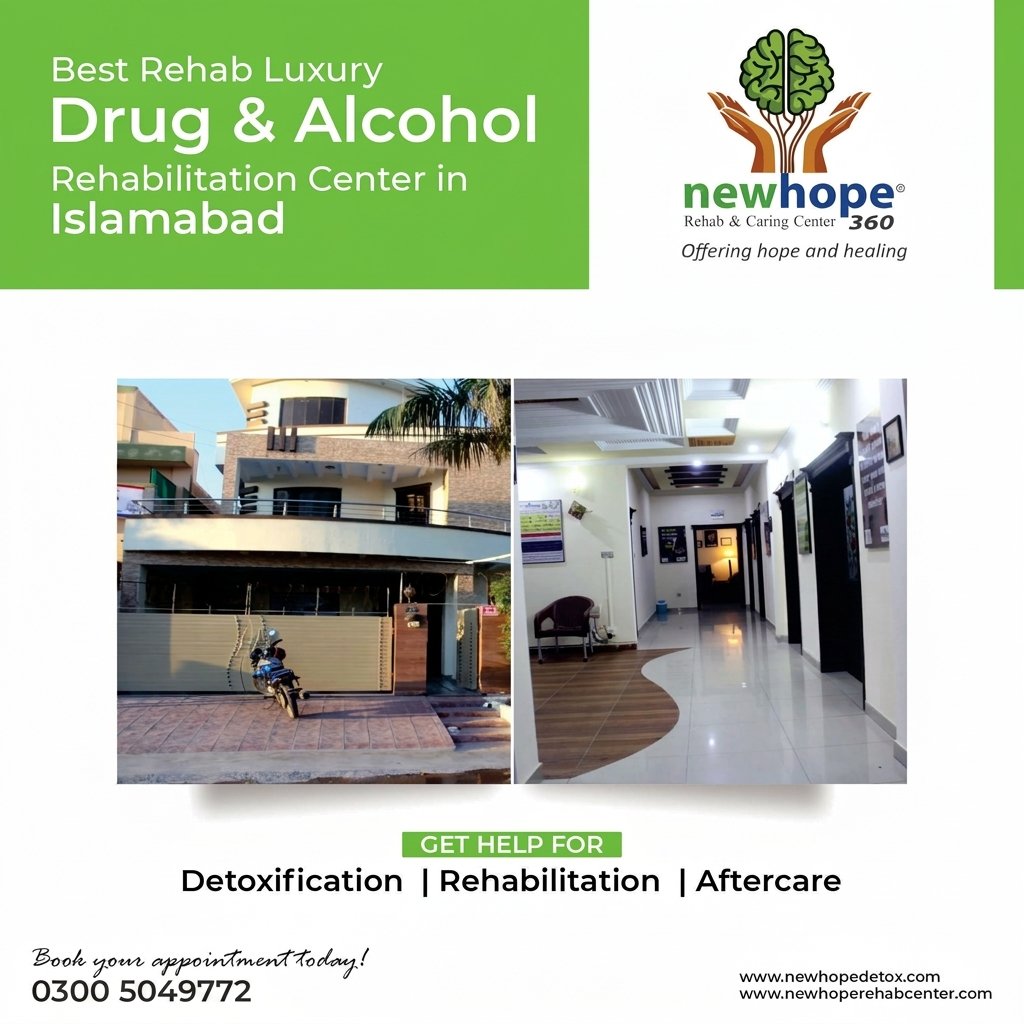
For individuals and families looking for Drug and Alcohol Addiction Treatment in Islamabad, Pakistan, understanding the nature of addiction and available treatment options is an important first step. At New Hope Rehab and Caring Centre Islamabad, recovery is approached through evidence-based care, emotional support, and personalized treatment planning designed to meet individual needs.
Understanding Drug and Alcohol Addiction
Drug and alcohol addiction is a chronic condition characterized by the inability to stop using substances despite harmful consequences. Addiction can develop gradually as the brain becomes dependent on substances that alter mood, behavior, and thinking patterns.
Common substances associated with addiction include:
- Alcohol
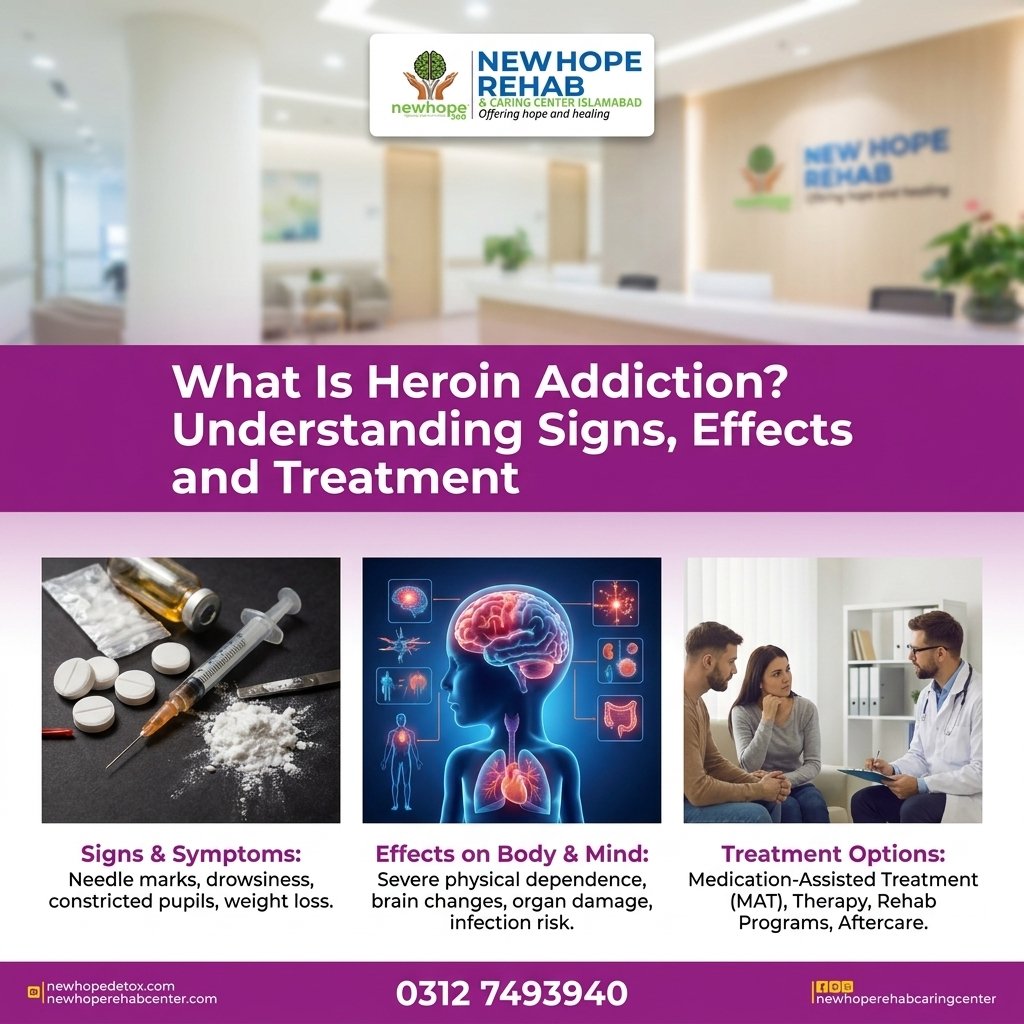
- Heroin
- Cocaine
- Cannabis
- ICE (Crystal Meth)
- Prescription medications
- Opioids
- Nicotine
Over time, substance use can affect brain function, making it difficult for individuals to control cravings and maintain healthy daily routines.
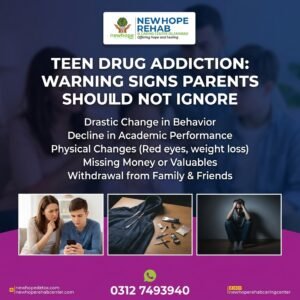
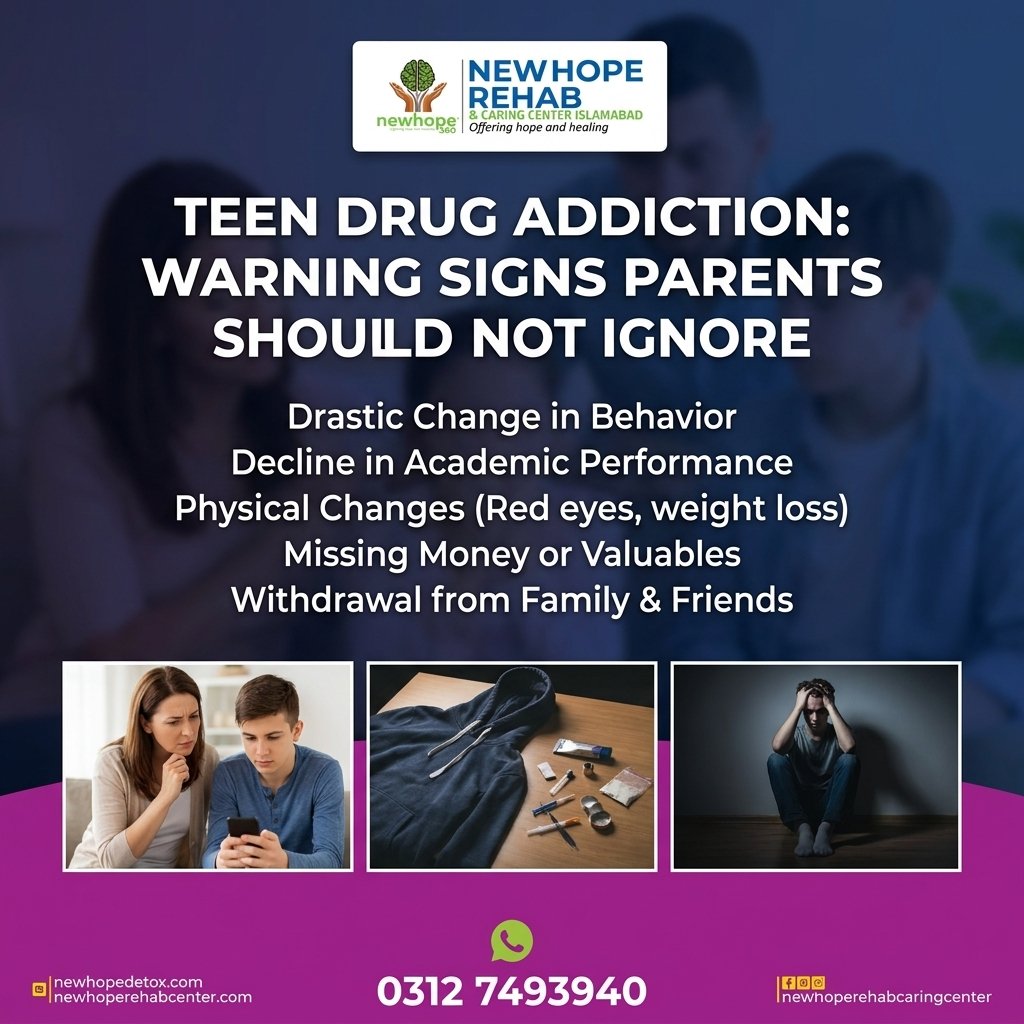
Common Signs of Drug and Alcohol Addiction
Recognizing addiction early can help individuals seek treatment before the condition becomes more severe.
Some common signs include:
- Strong cravings for drugs or alcohol
- Increased tolerance requiring larger amounts
- Withdrawal symptoms when not using substances
- Mood swings and irritability
- Poor concentration and decision-making
- Declining performance at work or school
- Financial difficulties related to substance use
- Social isolation and relationship problems
If these symptoms persist, professional assessment may be beneficial.
Causes and Risk Factors
Addiction is often influenced by multiple factors rather than a single cause. Understanding these factors helps create more effective treatment plans.
Genetic Factors
Family history may increase vulnerability to substance use disorders. Individuals with close relatives who have experienced addiction may face a higher risk.
Mental Health Conditions
Conditions such as anxiety, depression, trauma, and stress can contribute to substance misuse. Many individuals use drugs or alcohol as a coping mechanism for emotional pain.
Environmental Influences
Peer pressure, social environments, family conflict, and exposure to substance use can increase the likelihood of addiction.
Chronic Stress
Long-term stress can affect emotional health and increase the risk of developing unhealthy coping strategies, including substance abuse.
The Importance of Professional Treatment
Many people attempt to stop using substances on their own but face challenges due to withdrawal symptoms and psychological dependence.
Professional Drug and Alcohol Addiction Treatment in Islamabad, Pakistan offers structured support through trained healthcare professionals, therapists, and recovery specialists. Treatment programs focus on addressing both the physical and psychological aspects of addiction.
Professional care may help individuals:
- Manage withdrawal symptoms safely
- Understand addiction triggers
- Develop healthy coping strategies
- Improve emotional well-being
- Reduce relapse risks
- Rebuild personal and family relationships
Treatment Approaches for Addiction Recovery

Effective addiction treatment often combines multiple therapeutic approaches tailored to each individual’s needs.
Assessment and Evaluation
Recovery usually begins with a comprehensive assessment. Healthcare professionals evaluate medical history, substance use patterns, mental health status, and personal recovery goals.
Detoxification Support
Detoxification is often the first stage of treatment for individuals with physical dependence. Medical supervision can help manage withdrawal symptoms and improve safety during the detox process.
Individual Counseling
One-on-one counseling sessions provide a safe environment for individuals to explore underlying issues contributing to addiction.
Cognitive Behavioral Therapy (CBT)
CBT is widely used in addiction treatment. It helps individuals identify harmful thought patterns and replace them with healthier behaviors.
Group Therapy
Group sessions allow participants to share experiences, learn from others, and build supportive recovery networks.
Family Support Programs
Family involvement can play an important role in recovery. Educational and counseling programs help family members better understand addiction and support their loved one’s recovery journey.
Mental Health and Addiction
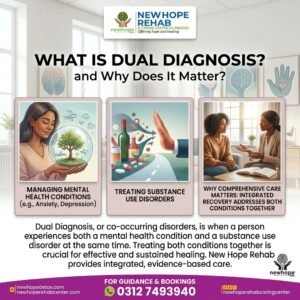
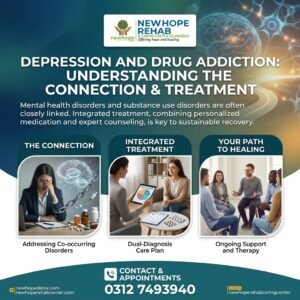
Substance use disorders frequently occur alongside mental health conditions. Anxiety, depression, trauma, and emotional distress may contribute to addiction or develop as a result of substance misuse.
Integrated treatment that addresses both addiction and mental health concerns is often recommended. This approach supports overall wellness and promotes long-term recovery outcomes.
At New Hope Rehab and Caring Centre Islamabad, attention is given to both addiction recovery and emotional well-being to support comprehensive care.
Relapse Prevention Strategies
Recovery is an ongoing process that continues beyond initial treatment. Learning relapse prevention skills is an important component of long-term success.
Effective relapse prevention strategies include:
- Identifying personal triggers
- Developing healthy coping mechanisms
- Practicing stress management techniques
- Maintaining supportive relationships
- Participating in ongoing counseling
- Following structured recovery plans
Building resilience and maintaining a recovery-focused lifestyle can help individuals navigate challenges more effectively.
Benefits of Seeking Early Treatment
Early intervention can reduce the long-term effects of substance use and improve recovery outcomes.
Potential benefits include:
- Improved physical health
- Better emotional stability
- Stronger family relationships
- Enhanced workplace and academic performance
- Increased self-confidence
- Reduced risk of serious health complications
Seeking help early can provide individuals with the support and resources needed to move toward a healthier future.
Frequently Asked Questions (FAQs)
1. What is drug and alcohol addiction?
Drug and alcohol addiction is a condition in which an individual loses control over substance use despite experiencing harmful consequences in various areas of life.
2. How do I know if someone needs professional addiction treatment?
Warning signs may include frequent substance use, withdrawal symptoms, mood changes, relationship conflicts, and difficulty fulfilling daily responsibilities.
3. Can addiction affect mental health?
Yes. Addiction often coexists with anxiety, depression, stress-related conditions, and other mental health concerns that may require professional support.
4. Is family involvement important during recovery?
Family support can be highly beneficial. Education, counseling, and healthy communication often contribute positively to the recovery process.
5. How long does addiction treatment take?
Treatment duration varies depending on individual needs, substance use history, physical health, and recovery goals. Recovery is a long-term process that may involve ongoing support.
Conclusion
Drug and alcohol addiction is a complex health condition that can affect every aspect of a person’s life. However, recovery is possible with the right support, professional guidance, and commitment to positive change. Comprehensive Drug and Alcohol Addiction Treatment in Islamabad, Pakistan focuses on addressing the physical, emotional, and psychological factors associated with substance use disorders.
New Hope Rehab and Caring Centre Islamabad is committed to providing compassionate, ethical, and individualized care that supports recovery, mental wellness, and healthier living. Through professional treatment, counseling, family support, and relapse prevention strategies, individuals can work toward rebuilding their lives and achieving long-term recovery.