+92 312 7493940

Drug Rehabilitation Centre – Drug Rehabilitation Centre in Islamabad, Pakistan

Addiction to drugs is a chronic and complex disease that impacts people physically, emotionally, and socially. If untreated, it can interfere with daily life, harm relationships and leave lasting health problems. Getting professional help is crucial to recovery, and a comprehensive rehabilitation program can offer the support necessary for sustained change.

Centers such as New Hope Rehab and Caring Centre Islamabad provide holistic treatment for those struggling with substance use disorders. Most of the people searching for recovery solutions after substance abuse find a trustworthy Drug Rehabilitation Centre Islamabad Pakistan where they can get professional treatment in well-maintained conditions. In this article, we will discuss why drug rehabilitation is necessary, different treatment approaches to drug rehabilitation, and the role structured programs play in supporting long-term recovery.

Prescriptive drug addiction and rehabilitation
Drug Rehabilitation Centre in Islamabad Pakistan.

Drug Addiction: Drug addiction is a condition in which a person becomes dependent on drugs and has trouble quitting, even when it extracts an unwanted toll. As time progresses, drugs are capable of changing how the brain works and impacts a person’s judgments, actions, and emotional regulation.

Rehabilitation centers provide education and assistance for people trying to take back control of their lives. Drug Rehabilitation Centre in Islamabad Pakistan A professional Drug Rehabilitation Centre in Islamabad, Pakistan offers structured treatment programs tailored to address both the physical and psychological aspects of addiction.

The goal is to facilitate recovery and prepare individuals for life as healthy members of society, which includes understanding what each person requires in a program and forming a plan that adheres to these needs at New Hope Rehab and Caring Centre Islamabad.

Important Services Provided by Drug Rehabilitation Centre

An experienced rehabilitation center provides multiple aspects of services that promotes recovery from level to another.

1.     Medical Assessment and Detoxification

A comprehensive medical evaluation is the first step for many treatment programs. In some cases, detoxification is advised to allow the body to safely remove substances from the system under medical supervision.

Detox will prepare you for subsequent therapy and recovery at a rehabilitation center. The Detox process is handled securely and effectively at a Drug Rehabilitation Centre in Islamabad, Pakistan.

2.     Psychological Counseling and Therapy

The way therapy is a central part of addiction treatment. This also provides Clear Path to help the individuals sustain on their recovery and learn to manage stressors without depending upon substances.

Common therapeutic approaches include:

  • Cognitive Behavioral Therapy (CBT)
  • Individual counseling
  • Motivational therapy

These approaches work to help people resolve negative thought patterns and behaviors.

3.     Group Therapy and Peer Support

Group therapy allows a space for individuals to meet other people going through similar experiences, sharing their feelings and learning from others. Peer support creates a sense of community and helps reduce isolation.

At New Hope Rehab and Caring Centre Islamabad, group sessions are focused on open communication and support.

4.     Mental Health Support

Many addicts also struggle with anxiety, depression or trauma-related mental health issues. In addition, mental health and addiction care should be integrated so that we can treat both.

Psychological support is also an essential part of a complete treatment plan for addiction in a professional Drug Rehabilitation Centre Islamabad Pakistan.

5.     Relapse Prevention and Aftercare

The work doesn’t stop once they are done with rehab. Relapse prevention will help people learn how to cope with triggers and stay sober.

This may involve counseling for follow-up, support groups, and advice on lifestyle changes to maintain the progress achieved during treatment.

Benefits of Professional Drug Rehabilitation

There are many major advantages to seeking treatment at a structured rehabilitation center.

Safe and Supportive Environment

Rehabilitation centers serve as controlled environments that enable people to concentrate on recovery in the absence of external diversions or triggers.

Personalized Treatment Plans

Every individual’s experience of addiction is unique. Programs are designed to meet individual needs and challenges.

Professional Guidance

Designed recovery is a support process in which trained healthcare professionals provide assistance, counseling and monitoring.

Improved Long-Term Outcomes

This comprehensive treatment approach is a huge factor contributing to the success rate of drug rehab, as structured programs bring physical and psychological aspects of addiction together for lasting recovery.

New Hope Rehab and Caring Centre Islamabad offer care for those who are ready to commit to a healthier way of living.

Lifestyle Changes That Support Recovery

Recovery is not just about abstaining from substances — it’s also about creating a well-rounded and healthy life.

Key lifestyle changes include:

  • Establishing consistent daily routines
  • Practicing stress management techniques
  • Engaging in physical activity
  • Maintaining a balanced diet
  • Building supportive relationships

A Drug Rehabilitation Centre in Islamabad, Pakistan has the best knowledge to advise you on how these habits can be built for a lifetime recovery.

Strengthening Family Participation in the Recovery Process

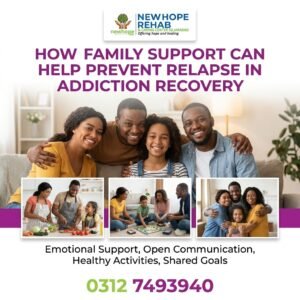
Family involvement is huge in recovery from addiction. Your loved ones can provide great motivations and emotional stability at these times.

Sessions focus on better communication, re-establishing trust and fostering an atmosphere where family members can thrive in a secure household. New Hope Rehab and Caring Centre Islamabad believe that family involvement is an essential component of rehabilitation.

Having a solid support group around you can aid in the continuation of progress and dedication to recovery.

Frequently Asked Questions (FAQs)

1.     What is a Drug Rehabilitation Center?

A drug rehabilitation center — also known as a detox unit or treatment center — is a facility that provides medical care, counseling care and support to patient recovering from substance addiction.

2.     How long is a rehabilitation program?

How Long Does Treatment Take? Duration of treatment will be based on each persons needs and addiction being treated, as well as the type of program involved.

3.     Detox, the process of removing toxic substances from the body, plays a role in drug addiction treatment.

Detox might be needed first to help manage withdrawal symptoms in a safe manner prior to entering therapy and counseling.

4.     What types of therapy are used in drug rehabilitation?

Common therapies are CBT (cognitive-behavioral therapy), individual counseling, group treatment and motivational treatment.

5.     What role does family support play in the recovery process?

Yes, family support can enhance emotional stability and assist them to remain substance-free for a long time.

Conclusion

A drug addict is a sick person and they need qualified care. That can impact physical health, mental health and social relationships without support. The good news is with proper direction and treatment, recovery is attainable.

New Hope Rehab and Caring Centre Islamabad are among the facilities that offer all-inclusive care at every step of the way to ensure individuals receive the support they need in their journey to recovery. These programs include medical treatment, psychological support, an environment that promotes recovery and long-term rehabilitation at a Drug Rehabilitation Centre in Islamabad Pakistan.

 

Related Article

Heroin Addiction – Heroin Addiction Treatment in Islamabad, Pakistan
Heroin Addiction

Heroin Addiction – Heroin Addiction Treatment in Islamabad, Pakistan

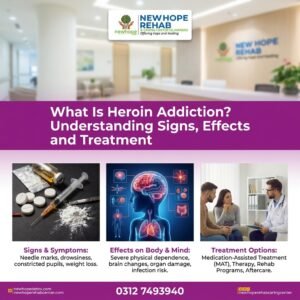
A heroin addiction is a grave issue of drug misuse that can involve the brain, body, relationships and daily life. It is an opioid that causes a sensation of rush and euphoria, but with time of second use develops tolerance, dependence and strong cravings. A person might continue using the drug even after suffering grave consequences for their health and personal life over time. Professional assessment and a structured care system will go a long way to helping individuals or families who are seeking Heroin Addiction Treatment in Islamabad, Pakistan. New Hope Rehab and Caring Centre Islamabad approaches treatment through patient-centered, trauma-informed, and evidenced-based care, accepting that recovery looks different for each person. What Is Heroin Addiction? Heroin addiction, clinically analyzed as opioid use disorder when clinical criteria are met, is a condition characterized by compulsive drug-seeking continued use despite harmful consequences. Chronic opioid exposure can permanently alter reward and stress circuitry in the brain. Finally, as dependence progresses, withdrawal symptoms upon cessation of heroin can render recovery extremely difficult without appropriate medical and psychological management. Heroin addiction is not a character flaw nor evidence of a lack of willpower; it is a medical condition. Signs and symptoms that indicate you to be suffering from an addiction towards heroin By recognizing the early warning signs, families can get help sooner. Common signs may include: Strong cravings for heroin Increasing tolerance Continued use despite negative consequences Withdrawal symptoms when use stops Changes in sleeping patterns Reduced interest in normal activities Overlooking professional, academic or family commitments Social withdrawal Financial difficulties Changes in mood or behavior These symptoms alone do not mean that you have a diagnosis. An appropriate evaluation should be performed by a qualified healthcare professional. The Health Risks of Heroin The impact of heroin on physical and mental health is devastating. The danger is extremely high when the drug is cut, of an unknown strength or if it contains other drugs. Potential complications include: Respiratory depression Overdose Infectious diseases linked with improper injection practices Vein and skin infections Constipation and gastrointestinal problems Poor nutrition Sleep disturbances Depression and anxiety Social and occupational difficulties When it comes to opioids, the danger of overdose is that they are capable of suppressing a person’s ability to breathe. Emergency medical help should be sought immediately if overdose is suspected. Why Professional Treatment Matters Heroin addiction can have a strong physiological dependence on the substance, withdrawal effects. Getting professional help will assist users to avoid withdrawal, anxiety and other psychological concerns as well as the strategies you need to remain sober. Heroin addiction treatment in Islamabad, Pakistan can be done in few steps depending on individual requirement: Comprehensive clinical assessment Medically appropriate withdrawal management Behavioral and psychological treatment Family support Relapse prevention Continuing care and aftercare The treatment plan should always be assessed by specialists. Treatment Approaches for Heroin Addiction Comprehensive Assessment The first step in treatment involved evaluating substance use, medical history, mental health history; whether the patient had undergone previous treatments; medications used or prescription drugs needed and their social situation. Such information is useful in ascertaining the level of care and prioritization of treatment. Medical Withdrawal Management Heroin withdrawal can lead to symptoms such as muscle aches, sweating, nausea, diarrhea restlessness and strong cravings. Medical facilities can also determine if a person is at risk of withdrawal and provide necessary support. Qualified clinicians may, when appropriate, prescribe evidence-based medications for opioid use disorder (e.g., buprenorphine or methadone). They are among standard medical tools for opioid use disorder, which lessen withdrawal and cravings. Individual Counseling Individual therapy offers a confidential environment in which you can discuss triggers, emotional issues, behavioral patterns, and the events surrounding your use of heroin. Cognitive Behavioral Therapy Cognitive behavioral therapy (CBT)23 can assist individuals in acknowledging non-useful thoughts and behaviors while establishing more helpful one-of-a-kind strategies for coping with stress, cravings, and high-risk events. Group Therapy Peer support, accountability, and the chance to learn from others going through recovery is what group sessions can offer. Family Support Family education and counseling assists families in better understanding the nature of opioid addiction, how to communicate more effectively, enhance boundaries and support. Dual Diagnosis Therapy and Mental health therapy People with heroin addiction may also be struggling with depression, anxiety-related disorders, post-traumatic stress disorder (PTSD), or other mental health conditions. These issues may affect substance use and recovery. Integrated care meets substance use needs along with mental health needs when co-occurring conditions exist. Addressing a single condition may leave important areas for recovery unaddressed. Relapse Prevention and Aftercare Recovery does not stop upon improvement of withdrawal symptoms. Relapse is a known risk and cravings can last long after initial treatment which is why ongoing support is so important. A relapse prevention plan might involve: Identifying personal triggers Continuing counseling Maintaining healthy routines Avoiding high-risk environments Building supportive relationships Participating in follow-up care Addressing mental health concerns Where appropriate, clinicians may also have a conversation with those with opioid use disorder around overdose prevention and availability of naloxone. Frequently Asked Questions (FAQs) 1.     What is heroin addiction? Heroin addiction is a subtype of opioid use disorder in which the patterned and compulsive use of heroin continues, despite adverse physical or mental health situations. 2.     Can heroin addiction be treated? Yes. Treatment may involve detoxification, psychotropic medications as clinically appropriate, psycho-therapeutic interventions, mutual support groups and follow-up care. 3.     What are the Common Symptoms of Heroin Withdrawal Symptoms of withdrawal can include muscle pain, drooling, sweating, restlessness and anxiety (including depression), nausea, diarrhea, trouble sleeping or even strong cravings around. It is of utmost important getting a medical assessment to understand which way is the best option for you with regards to withdrawal management. 4.     So, detoxification takes place in two phases. Detox may manage withdrawal but rarely is a complete treatment. These aims may involve continuing therapy, planning for relapse prevention, medication where appropriate, long-term support and a focus on recovery. 5.     How can Families Help Someone Recovering from

Home Based Treatment Program – Home Based Treatment Program in Islamabad, Pakistan
Home Based Treatment Program

Home Based Treatment Program – Home Based Treatment Program in Islamabad, Pakistan

A home based treatment program can provide a practical option for selected individuals who need ongoing addiction or mental health support without staying in a residential facility. Receiving appropriate care at home may allow patients to remain connected with family members and familiar surroundings while participating in a structured recovery plan. However, home-based care isn’t suitable for everyone. The appropriate level of treatment depends on the person’s medical condition, substance use history, withdrawal risk, mental health needs, and home environment. Professional assessment is therefore an important first step. For people searching for a Home Based Treatment Program in Islamabad, Pakistan, New Hope Rehab and Caring Centre Islamabad emphasizes individualized, respectful, and clinically appropriate care. What Is a Home Based Treatment Program? A home based treatment program delivers selected healthcare, counseling, and recovery services within a person’s home rather than requiring residential admission. Depending on clinical needs, services may include psychological counseling, family education, recovery planning, follow-up care, and monitoring by qualified professionals. The goal is to provide appropriate support while maintaining safety and continuity of care. Home-based treatment may be used as a primary option for suitable patients or as part of continuing care following residential treatment. Who May Benefit From Home-Based Care? Home-based treatment may be considered for individuals who: Are medically stable Have a safe and supportive home environment Do not require continuous inpatient monitoring Need ongoing counseling or psychological support Are continuing treatment after residential rehabilitation Have family members who can provide appropriate support Suitability should always be determined through professional assessment rather than convenience alone. Conditions That May Require Home-Based Support Depending on an individual’s clinical needs, home-based services may support people dealing with: Alcohol use disorder Drug addiction Opioid dependence Cannabis use Prescription medication dependence Anxiety Depression Stress-related difficulties Recovery after residential rehabilitation Certain co-occurring mental health and substance use conditions The treatment approach should be tailored to the person’s diagnosis, health status, and recovery goals. Key Components of Home Based Treatment Initial Clinical Assessment Treatment begins with an assessment of physical health, mental health, substance use, medications, withdrawal risk, and family circumstances. This helps determine whether home-based care is appropriate and what services may be required. Individual Counseling One-to-one counseling can help individuals understand triggers, emotional challenges, behavioral patterns, and factors contributing to substance use. Cognitive Behavioral Therapy Cognitive Behavioral Therapy (CBT) may be incorporated into treatment when appropriate. It can help individuals identify unhelpful thought patterns and develop healthier responses to stress, cravings, and difficult situations. Family Counseling Family involvement can improve communication and help relatives understand how to provide constructive support while maintaining appropriate boundaries. Medication Monitoring If medication is part of an individual’s treatment plan, qualified healthcare professionals may provide appropriate monitoring and guidance. Medicines should only be taken according to professional instructions. Relapse Prevention Individuals can learn to recognize triggers and develop practical strategies for maintaining recovery in everyday situations. Benefits of a Home Based Treatment Program For appropriately selected patients, home-based care may offer several advantages. Familiar Environment Remaining at home can allow individuals to receive support in surroundings they already know. Family Involvement Close family members may be able to participate in appropriate counseling and education. Continuity of Daily Responsibilities Some medically stable individuals may continue selected family, educational, or professional responsibilities while receiving treatment. Individualized Care Treatment can be adapted according to the individual’s progress, circumstances, and recovery goals. Privacy and Comfort Home-based care may offer a more private treatment setting for individuals who prefer support outside a residential facility. When Home-Based Treatment May Not Be Appropriate Home-based treatment isn’t appropriate for every situation. Individuals experiencing severe withdrawal risk, serious medical complications, acute psychiatric symptoms, significant safety concerns, or an unstable home environment may require a higher level of care. For example, certain forms of alcohol or sedative withdrawal can become medically dangerous and may require supervised medical treatment. If there is an immediate risk of overdose, severe withdrawal, self-harm, or harm to another person, urgent medical evaluation is necessary rather than routine home-based care. Role of Family Support Family members can contribute positively to home-based recovery by: Encouraging treatment participation Supporting healthy routines Maintaining respectful communication Reducing unnecessary conflict Helping identify changes in behavior Encouraging follow-up care Families should also understand that they are supporters, not substitutes for qualified healthcare professionals. Relapse Prevention and Aftercare Recovery continues after the initial treatment phase. An effective home-based program may include ongoing follow-up and relapse prevention planning. Important strategies can include: Identifying personal triggers Maintaining healthy sleep routines Managing stress appropriately Continuing counseling Avoiding high-risk environments Building positive social connections Following the recommended aftercare plan At New Hope Rehab and Caring Centre Islamabad, continuing support can be tailored to the individual’s recovery needs and progress. Frequently Asked Questions (FAQs) 1. What is a home based treatment program? A home based treatment program provides selected addiction or mental health services in a person’s home under an individualized professional care plan. 2. Is home-based treatment suitable for everyone? No. Suitability depends on medical stability, withdrawal risk, mental health status, safety concerns, and the availability of a supportive home environment. 3. Can family members participate in home-based treatment? Yes. Where appropriate, family members may participate in counseling, education, and recovery planning to provide constructive support. 4. Can home-based treatment include therapy? Yes. Depending on clinical needs, services may include individual counseling, CBT, family counseling, and relapse prevention support. 5. What happens if someone develops severe withdrawal symptoms at home? Severe or rapidly worsening withdrawal symptoms require urgent medical assessment. Home-based treatment should not replace emergency or medically supervised care when a person’s safety is at risk. Conclusion A Home Based Treatment Program in Islamabad, Pakistan can be a suitable option for some individuals who are medically stable and have an appropriate home environment. It can provide structured counseling, family involvement, recovery planning, and continued professional support while allowing individuals to remain at home. At New Hope Rehab and Caring Centre Islamabad, home-based care is approached through individualized assessment and clinically appropriate

Dual Diagnosis Treatment – Dual-Diagnosis Treatment in Islamabad, Pakistan
Dual Diagnosis Treatment

Dual Diagnosis Treatment – Dual-Diagnosis Treatment in Islamabad, Pakistan

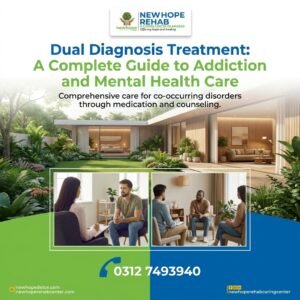
Dual diagnosis is when a person has both a substance uses disorder and another mental health condition. Because of the interrelationship between these co-occurring conditions, only treating one problem at a time will not help with recovery in case another condition exists. This integrated approach serves to help those in need of addiction and mental health support ultimately manage day-to-day stressors in healthier ways. If you are looking for Dual-Diagnosis Treatment in Islamabad, Pakistan professional assessment can be a good first step. The New Hope Rehab and Caring Centre Islamabad program is built around individual care, dignity, privacy and the best available scientific treatment methods. What Is Dual-Diagnosis Treatment? A dual-diagnosis treatment is a comprehensive treatment method for individuals with both mental health and substance use issues. Rather than considering addiction and psychological issues in isolation, clinicians consider how the two interact and create a coordinated treatment plan. Substance use disorders can be related to alcohol, opioids or opiates, such as heroin and oxycodone; cocaine or cannabis prescriptions including Ritalin and non-prescription stimulants like crystal meth. Some of the common mental health issues that co-occur with use of substances are: Depression Anxiety disorders Bipolar disorder Post-traumatic stress disorder (PTSD) Trauma-related conditions Other mood or behavioral disorders Only a professional evaluation can ascertain the specifics of an individual diagnosis and require by way of treatment. Why do you get co-occurring mental health and addiction conditions? The causes of dual diagnosis are many, and not unique. It could be due to various biological, psychological or environmental factors. Self-Medication Many people are treated not with medication but by using alcohol or drugs for a brief relief from anxiety, sadness, trauma, insomnia and other painful signs. Substances may offer temporary relief, but in the long run they can be detrimental to mental health and create addictions. Effects of Substance Use Using substances over and over can disrupt how your brain works, or it may affect your sleep, mood and behavior. In some patients, this can cause or exacerbate psychological symptoms. Trauma and Chronic Stress Adversity, chronic stress or exposure to trauma can increase the risk of developing mental health problems and substance use disorders. Shared Risk Factors Both kinds of illnesses do occur potentially due to genetics and family history, social situations and loss of environmental assurance. Indicators That a Person May Prefer To Seek Dual-Symptom Maintenance They can have various warning signs, such as: Persistent sadness or anxiety Significant mood changes Intense craving — for drugs or alcohol Social withdrawal Difficulty managing emotions Sleep disturbances Declining work or academic performance Substance uses despite harmful consequences Repeated unsuccessful previous attempts to cut down or stop using substances The diagnosis is not made by these signs alone. A competent professional needs to carry out a detailed analysis. How Dual-Diagnosis Treatment Works Comprehensive Assessment An assessment of substance use, mental health symptoms, medical history, medications, family situation and any treatment history is carried out to begin with. This provides an assessment to clinicians to prioritize and begin treatment at the correct level of care. Medical Detoxification If you have physical dependence, you may require supervised detoxification. Detox aims at managing the withdrawal and putting the individual in a stable condition with rest of rehabilitation and psychological treatment. Individual Therapy In individual counseling, you will have the opportunity to discuss inner struggles; witnessed substance-use patterns, triggers and trauma; and behavioral challenges in a private setting. Cognitive Behavioral Therapy (CBT) CBT enables a person to identify unhelpful thoughts and behaviors, such as a need for alcohol or the inability to deal with anxiety or stress, and develop coping strategies. Group Therapy Group therapies are another form of treatment where you gain encouragement, help and a chance to hear from people struggling with the exact same steps in recovery. Medication Management Clinical psychologists are qualified to use medications to treat certain mental health disorders or substance use disorders when deemed appropriate. Individual medical assessment always must decide the use of medication. The Importance of Family Support Having family members who understand both addiction and mental health conditions can help strengthen recovery. Family support may involve: Education about co-occurring disorders Family counseling Improved communication Healthy boundaries Relapse-prevention education Emotional support New Hope Rehab & Caring Centre Islamabad also incorporates family involvement into treatment as appropriate based on clinical judgement and the likelihood that accommodation of the family members alternative beliefs will further enhance client engagement. Relapse Prevention and Aftercare In cases of dual-diagnosis, the need for support remains after intensive treatment. Relapse Prevention is about spotting the signs of trouble early and getting help before things get out of hand. An aftercare plan may include: Ongoing counseling Mental health follow-up Medication monitoring when prescribed Support groups Family involvement Healthy daily routines Stress-management strategies For this reason, continued treatment for both disorders is needed as deterioration of mental health symptoms can lead to a greater risk of substance use and the impact of harmful substances may aggravate psychological symptoms. Benefits of Integrated Care An integrated approach to treatment can provide individuals with: Tackle addiction and mental health hand-in-hand Understand personal triggers Develop healthier coping skills Improve emotional regulation Strengthen relationships Establish healthier routines Reduce the risk of relapse Improve overall quality of life Recovery is not the same for everyone; some people may progress more quickly than others. Frequently Asked Questions (FAQs) 1.     What is dual diagnosis? Dual diagnosis is when you have both a substance uses disorder and a mental health condition at the same time. 2.     Why are both conditions necessary to be treated in tandem? Addiction and mental health disorders can affect one another. By treating both together, the treatment plan accounts for all factors impacting recovery. 3.     What therapies may be employed for dual-diagnosis treatment methods? Treatment may be based on resident needs, and can include individual counseling, CBT, group therapy, family counseling, medical care, and medication management as clinically appropriate. 4.     Is detoxification always required? Not necessarily. Detox is contingent on the specific substance, strength

Smoking Addiction Program – Smoking Addiction Program in Islamabad, Pakistan
Smoking Addiction

Smoking Addiction Program – Smoking Addiction Program in Islamabad, Pakistan

Smoking addiction is a common form of nicotine dependence that can affect physical health, emotional well-being, daily routines, and relationships. Although many people understand the health risks associated with smoking, stopping can be difficult because nicotine changes the brain’s reward system and can create strong cravings. A structured Smoking Addiction Program in Islamabad, Pakistan can provide professional guidance, behavioral support, and practical strategies for people who want to reduce or stop smoking. At New Hope Rehab and Caring Centre Islamabad, treatment is approached with respect, privacy, and an understanding that every person’s relationship with nicotine is different. What Is a Smoking Addiction Program? A smoking addiction program is a structured approach designed to help individuals overcome nicotine dependence. It may combine assessment, counseling, behavioral strategies, education, and ongoing support. Treatment doesn’t simply focus on avoiding cigarettes. It also addresses the habits, emotions, environments, and situations that can lead to smoking. A healthcare professional can assess an individual’s smoking pattern, nicotine dependence, previous quit attempts, and overall health before recommending an appropriate plan. Understanding Nicotine Addiction Nicotine is the main addictive substance in tobacco products. With repeated exposure, the brain becomes accustomed to nicotine, which can lead to cravings and withdrawal symptoms when a person stops using it. Common nicotine withdrawal symptoms include: Irritability Restlessness Difficulty concentrating Increased appetite Anxiety Low mood Sleep difficulties Strong cravings for cigarettes These symptoms can vary from person to person and may make quitting challenging without appropriate support. Who May Benefit From a Smoking Addiction Program? A smoking addiction program may be useful for people who: Smoke cigarettes regularly Have difficulty stopping independently Experience strong nicotine cravings Have returned to smoking after previous quit attempts Use tobacco to cope with stress Want professional guidance during the quitting process People who use multiple tobacco or nicotine products may also benefit from a comprehensive assessment. How a Smoking Addiction Program Works Initial Assessment Treatment generally begins with an assessment of smoking history, nicotine dependence, previous attempts to quit, mental health, and relevant medical factors. This information helps healthcare professionals develop an individualized approach. Behavioral Counseling Counseling can help individuals understand why they smoke and identify situations that increase the urge to use nicotine. Common triggers may include: Stress Social situations Tea or coffee breaks Certain routines Alcohol or other substances Boredom Emotional distress Learning to recognize these patterns can make it easier to develop healthier responses. Cognitive Behavioral Therapy Cognitive Behavioral Therapy (CBT) may be used to identify unhelpful thoughts and behaviors associated with smoking. Individuals can learn practical techniques for managing cravings, changing routines, and responding differently to stressful situations. Nicotine Withdrawal Support Withdrawal is a normal part of nicotine dependence recovery. Professional guidance can help individuals understand what to expect and develop appropriate strategies for managing cravings and other symptoms. Where clinically appropriate, a healthcare professional may also discuss evidence-based smoking cessation medicines or nicotine replacement options. The Role of Family Support Family members can provide valuable encouragement during smoking cessation. However, support works best when it is respectful rather than judgmental. Families can help by: Encouraging healthy routines Avoiding criticism Supporting smoke-free environments Recognizing progress Providing emotional encouragement At New Hope Rehab and Caring Centre Islamabad, family involvement may be included when appropriate to the individual’s treatment needs and preferences. Managing Cravings and Preventing Relapse Cravings can occur even after a person has stopped smoking. A relapse prevention plan can help individuals prepare for challenging situations. Useful strategies may include: Identifying personal triggers Delaying the response to a craving Practicing deep breathing or relaxation techniques Staying physically active Maintaining healthy sleep habits Avoiding environments strongly associated with smoking Seeking support when cravings become difficult to manage A lapse does not necessarily mean that recovery has failed. Instead, it can provide an opportunity to identify what triggered the return to smoking and adjust the treatment plan. Mental Health and Smoking Cessation Some people use nicotine as a way to manage stress, anxiety, or difficult emotions. When smoking is reduced or stopped, these underlying concerns may become more noticeable. For this reason, a comprehensive smoking addiction program may consider mental health as well as nicotine dependence. Counseling can help individuals develop healthier ways of managing stress and emotional challenges. Frequently Asked Questions (FAQs) 1. What is a smoking addiction program? A smoking addiction program is a structured treatment approach that helps people address nicotine dependence through assessment, counseling, behavioral strategies, education, and ongoing support. 2. Why is quitting smoking difficult? Nicotine can create dependence, while smoking also becomes connected with daily routines, emotions, and social situations. These physical and behavioral factors can make quitting challenging. 3. What are common nicotine withdrawal symptoms? Common symptoms include cravings, irritability, restlessness, difficulty concentrating, changes in appetite, sleep difficulties, and temporary changes in mood. 4. Can counseling help with smoking addiction? Yes. Behavioral counseling can help individuals identify triggers, understand smoking patterns, develop coping strategies, and prepare for situations that may increase the risk of relapse. 5. Is it possible to quit smoking after several unsuccessful attempts? Yes. Previous unsuccessful attempts do not mean that quitting is impossible. Each attempt can provide useful information about triggers and challenges, helping individuals and healthcare professionals develop a more suitable strategy. Conclusion Smoking addiction involves both nicotine dependence and deeply established behavioral patterns. Quitting can be challenging, but professional support can make the process more structured and manageable. A Smoking Addiction Program in Islamabad, Pakistan may provide individuals with assessment, counseling, behavioral strategies, family support, and relapse prevention planning tailored to their needs. At New Hope Rehab and Caring Centre Islamabad, the focus is on respectful, individualized care that considers both nicotine dependence and the factors that influence smoking behavior. With appropriate guidance and continued support, individuals can work toward reducing or ending tobacco use and developing healthier long-term habits.