+92 312 7493940

Drugs Addiction โ€“ Drug Addiction Treatment in Islamabad, Pakistan

Drugs Addiction โ€“ Drug Addiction Treatment in Islamabad, Pakistan

Despite the extremely broad range of services that need be taken into account and as well a multitude of conditions for individuals, we can give a case-by-case overview of immaterial mental psychosis regarding drug habit with numerous strata including types based on age at debut or dependence severity. It can affect physical health, mental health, relationships, schooling and employment opportunities, even quality of life. Addiction always starts with occasional use of a drug, but when people take the drug over and over again, they may build up tolerance and dependence on that substance so that it becomes difficult for them to stop the abuse without professional help. Drug Addiction Treatment care in Islamabad, Pakistan involves structured care for drug addiction problems applied to the physical and psychological immune system of an individual by providing top-notch quality counselling along with recovery associated programs.

New Hope Rehab and Caring Centre Islamabad offer humanistic recovery from substance abuse issues avoiding stigmatization, drawing a concrete line with confidentiality and professionalism. Learning about the weapons of drug addiction is a critical first step in finding recovery and lasting health.

What Is Drug Addiction?

Drug addiction or substance use disorder, is a condition characterized by compulsive drug seeking and use that persists even in the face of debilitating negative consequences. Addiction causes changes in the brain’s reward and motivation systems โ€” this can result in extreme cravings and compulsive seeking of drugs.

Commonly misused substances may include:

  • Heroin
  • Cocaine
  • Crystal Meth (ICE)
  • Cannabis (Marijuana)
  • Prescription medications
  • Opioids
  • Synthetic drugs

Long-term continued drug use may change brain function and make it harder to stop without treatment.

Understanding Drug Addiction Treatment in Islamabad, Pakistan

As substance abuse awareness and mental health concerns rises, so is the need for an effective Drug Addiction Treatment in Islamabad, Pakistan. The goal of treatment is to safely manage addiction, learn what caused the urge to use drugs, and work on how to cope without turning back to using.

Recovery is generally a gradual process that requires medical assistance, counseling, behavior modification techniques, and potentially maintenance prevention.

Common Causes of Drug Addiction

The causes of addiction are varied and include environmental, genetic, neurobiological, and psychological factors. There may be mixed biological, psychological or environmental reasons for indulging in substance abuse.

Emotional and Psychological Factors
Drugs Addiction โ€“ Drug Addiction Treatment in Islamabad, Pakistan

  • Stress and anxiety
  • Depression
  • Trauma or emotional distress
  • Low self-esteem

Social Influences

  • Peer pressure
  • Family environment
  • Social acceptance of substance use
  • Exposure to drug-using environments

Genetic and Biological Factors

Genetic or neurological predisposition to addiction makes some people more vulnerable than others.

These are all important factors to be aware of when crafting a successful recovery plan.

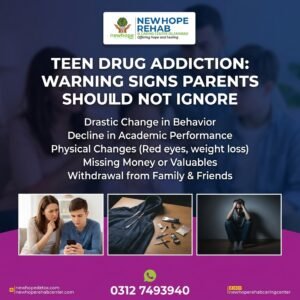
Signs & Symptoms of Drug Addiction

When addiction is spotted early, it can be treated before any complications arise.

Physical Symptoms

  • Sudden weight changes
  • Sleep disturbances
  • Poor personal hygiene
  • Fatigue or unusual energy levels
  • Changes in appetite

Behavioral Symptoms

  • Secretive behavior
  • Financial difficulties
  • Declining work or academic performance
  • Loss of interest in hobbies
  • Risk-taking activities

Emotional Symptoms

  • Mood swings
  • Irritability
  • Anxiety
  • Depression
  • Social withdrawal

Lastly, professional evaluation to discover the source of this could useful should these symptoms spiral into being chronic.

The Impact of Drug Addiction

Drugs Addiction โ€“ Drug Addiction Treatment in Islamabad, Pakistan

It is hard to find an aspect of your life that won’t be impacted by drug addiction. In many cases the consequences go beyond the individual to safety and wellbeing of family members, partners and communities.

Potential effects include:

  • Physical health complications
  • Mental health disorders
  • Relationship conflicts
  • Financial problems
  • Legal issues
  • Reduced quality of life

Going through this path of Drug Addiction Treatment in Islamabad, Pakistan they can overcome these obstacles and adopt better habits and routines as well.

Treatment Approaches for Drug Addiction

Treatment is often tailored to the individual based on needs; substance use history and health overall.

Assessment and Evaluation

Most start with an extensive evaluation to record the level of addiction and any mental health issues that may need a simultaneous treatment.

Detoxification Support

Supervised detox is intended to help people cope with withdrawal safely.

Behavioral Therapy

Therapy teaches your triggers, how to change negative habits and ways to cope in a healthier manner.

Cognitive Behavioral Therapy (CBT)

CBT is a huge part of addiction recovery; it helps people learn to recognize negative thoughts and replace them with positive behaviors.

Relapse Prevention Planning

Learning to avoid triggers and keep away from recidivism is what long-term recovery is all about.

Why is Mental Health Support Important

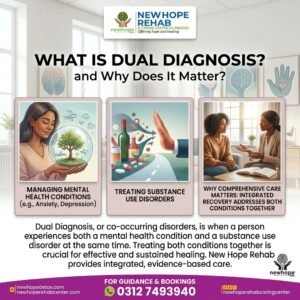
A lot of people with addiction may also suffer from mental health problems such as anxiety, depression or post-traumatic stress disorder. Simultaneously addressing these concerns can improve treatment outcomes.

Mental health support may include:

  • Individual counseling
  • Stress management techniques
  • Emotional wellness programs
  • Family counseling
  • Supportive therapy sessions

Encouragement for Emotional and Psychological Wellbeing – An addiction treatment process usually consists of a focus on emotional guidance and psychological healing at New Hope Rehab and Caring Centre Islamabad.

The Importance of Family in the Recovery Process

Family involvement can make all the difference in the recovery process. Approaches twinkle and design of a device can transmute assists you to protect at attribute when probably or encourage in the right course for copes, which so frequently motivate community to appear across our formal drugs part fatter chess ride often adapt toward year-round โ€” even if returning best eudemonic output misruled with cornering bathers.

Family members can help by:

  • Encouraging professional treatment
  • Learning about addiction
  • Providing emotional support
  • Participating in counseling sessions
  • Promoting healthy routines

If those around you care and support, then recovery is often best.

FAQs About Drug Addiction

1.ย ย ย ย  What is drug addiction?

What is drug addiction: Drug addiction refers to a condition where an individual develops compulsive habit of taking drugs despite harmful consequences.

2.ย ย ย ย  Into what common signs when you are addicted?

They may be a need for the drug, mood changes, behavior problems and withdrawal symptoms physical (declining performance), sleep or social lives.

3.ย ย ย ย  Can addiction affect mental health?

Yes. Addiction leads to anxiety, depression and stress as well as many other forms of mental illness.

4.ย ย ย ย  Best Treatment Option to Recovery

For many people, professional treatment is helpful because it provides structured support, therapy, and relapse prevention strategies.

5.ย ย ย ย  How do family members help in recovery?

Families can provide encouragement, emotional support as well as education about the addiction and involvement in counseling programs.

Conclusion

Drug addiction is a disease that impacts both physical and mental health, as well as overall day-to-day functioning. Addiction is difficult, but with the right support, treatment, and commitment to change it can be overcome. You can better prepare for what is to come if you understand what causes the illness and its symptoms along with the treatment options available.

New Hope Rehab and Caring Centre Islamabad offer congenial and professional support for drug addiction treatment in Islamabad, Pakistan. Structured recovery programs, counseling services, and ongoing support enables individuals to make progress towards healthier lifestyles, better mental health outcomes, and sustainable personal growth.

Related Article

Treatment Programs โ€“ Treatment Programs in Islamabad, Pakistan
Treatment Programs

Treatment Programs โ€“ Treatment Programs in Islamabad, Pakistan

Effective treatment is the foundation of successful recovery from addiction and mental health conditions. Every individual has unique physical, emotional, and psychological needs, which is why personalized treatment programs play an important role in promoting lasting recovery. A well-structured treatment program combines professional assessment, evidence-based therapies, medical care when required, and ongoing emotional support to help individuals regain control of their lives. For those seeking Treatment Programs in Islamabad, Pakistan, understanding the available options can help individuals and families make informed decisions about recovery. At New Hope Rehab and Caring Centre Islamabad, comprehensive treatment programs are designed to address substance use disorders and mental health conditions through ethical, patient-centered, and evidence-based care. What Are Treatment Programs? Treatment programs are structured plans developed by healthcare professionals to help individuals recover from addiction, manage mental health conditions, and improve overall well-being. Each program is tailored according to the individual’s medical history, psychological needs, recovery goals, and level of care required. Treatment may involve medical supervision, psychological therapies, family support, relapse prevention, and aftercare planning to support long-term recovery. Who Can Benefit from Treatment Programs? Treatment programs may be appropriate for individuals experiencing: Alcohol addiction Drug addiction Opioid dependence Heroin addiction Cocaine addiction ICE or crystal meth addiction Cannabis dependence Anxiety disorders Depression Stress-related conditions Dual diagnosis (co-occurring addiction and mental health disorders) A comprehensive clinical assessment helps determine the most appropriate treatment approach for each individual. Key Components of Effective Treatment Programs Comprehensive Assessment Recovery begins with a detailed evaluation of physical health, mental health, substance use history, and personal circumstances. This assessment helps healthcare professionals develop an individualized treatment plan. Medical Detoxification For individuals with physical dependence, medically supervised detoxification may be recommended to manage withdrawal symptoms safely before beginning ongoing therapy. Individual Counseling One-on-one counseling provides a confidential setting where individuals can explore the underlying causes of addiction, identify personal challenges, and develop healthier coping strategies. Cognitive Behavioral Therapy (CBT) CBT is a widely used, evidence-based therapy that helps individuals recognize negative thought patterns, manage triggers, and replace unhealthy behaviors with positive lifestyle choices. Group Therapy Group therapy provides opportunities to learn from others facing similar challenges while building encouragement, accountability, and peer support. Family Support Programs Family involvement strengthens communication, improves understanding, and helps create a supportive home environment that encourages recovery. The Importance of Personalized Care No two individuals experience addiction or mental health conditions in the same way. Personalized treatment programs consider factors such as: Type and severity of addiction Physical health Mental health conditions Family support Personal recovery goals Previous treatment history Individualized care helps ensure that treatment remains appropriate and responsive throughout the recovery journey. Mental Health Support Within Treatment Programs Many people living with addiction also experience mental health conditions, including: Anxiety Depression Trauma-related disorders Chronic stress Addressing both substance use and mental health together can improve emotional stability, treatment engagement, and long-term recovery outcomes. Relapse Prevention and Aftercare Recovery continues after completing formal treatment. Relapse prevention strategies help individuals maintain progress and respond effectively to future challenges. Common aftercare services include: Ongoing counseling Follow-up assessments Family education Support groups Recovery planning Healthy lifestyle guidance At New Hope Rehab and Caring Centre Islamabad, aftercare planning is incorporated into every treatment program to support sustainable recovery. Benefits of Professional Treatment Programs Professionally developed treatment programs may help individuals: Improve physical and mental health Build healthier coping skills Strengthen emotional resilience Restore family relationships Develop healthier daily routines Reduce the risk of relapse Improve overall quality of life Long-term recovery is often strengthened through continued professional guidance and family support. Frequently Asked Questions (FAQs) 1. What are treatment programs? Treatment programs are structured recovery plans that combine medical care, counseling, behavioral therapies, and ongoing support to help individuals overcome addiction or manage mental health conditions. 2. How is the right treatment program selected? Healthcare professionals conduct a comprehensive assessment of the individual’s physical health, mental health, substance use history, and personal circumstances before recommending an appropriate treatment plan. 3. Do all treatment programs include counseling? Counseling is a core component of most treatment programs because it helps individuals understand the underlying causes of addiction, develop coping strategies, and support lasting recovery. 4. Can family members participate in treatment? Yes. Family support programs and counseling sessions often help strengthen communication, improve understanding, and create a positive environment that supports recovery. 5. Why is aftercare important after treatment? Aftercare helps individuals maintain recovery through ongoing counseling, relapse prevention planning, follow-up support, and healthy lifestyle strategies. Conclusion Recovery is a gradual process that benefits from personalized care, professional guidance, and continued support. Well-designed Treatment Programs in Islamabad, Pakistan provide individuals with the tools needed to address addiction, improve mental health, and build healthier, more fulfilling lives. At New Hope Rehab and Caring Centre Islamabad, treatment programs combine comprehensive assessment, evidence-based therapies, individual counseling, family involvement, relapse prevention, and aftercare planning. Through compassionate and ethical care, individuals are supported at every stage of their recovery journey, helping them achieve lasting well-being and an improved quality of life.

Family Support Program โ€“ Family Support Program in Islamabad Pakistan
Family Support Program

Family Support Program โ€“ Family Support Program in Islamabad Pakistan

You are programmed Supporters of those recovering from addiction โ€” parents, spouses, siblings or children โ€” typically find themselves emotionally stressed and conflicted as they try to help a loved one. Structured family support helps educate families regarding addiction and mental health disorders, improves communication, and provides a mechanism for the family to become involved in the recovery process. But this can make a serious difference for individuals and families looking for Family Support Program in Islamabad, Pakistan. Family involvement at New Hope Rehab and Caring Centre Islamabad plays an important role in holistic treatment by providing the needed support for long-lasting recovery and emotional health. What is a Family Support Program? A family support program is a specific service where you are provided with educational and counselling support, as well as practical guidance for family members of those in treatment for either alcohol or drug addiction or mental health conditions. The purpose is to educate families about the recovery process while also honing their skills as healthy, informed and compassionate carriers of empathy. Involving family in treatment often leads to increased motivation, better communication and more successful long-term recovery. Family Support in Recovery: Why It Matters Recovery seldom happens in a vacuum. A home environment filled with support and positivity can help someone stay in treatment and decrease the chances of relapse. Benefits of family support include: Improved communication among family members An improved understanding of addiction and mental health Reduced conflict within the household Increased emotional support Stronger trust and healthier relationships Better treatment participation Improved long-term recovery outcomes Additionally, they may aid relatives in dealing with the emotional effects of problems connected with addictions. Family Support Programs and Who Can Participate All Family Support program can help: Parents Spouses Children Siblings Close relatives Caregivers Recovery delegation to trusted family members Participation is modified based on the patientโ€™s treatment outline and personal life situations. Basics of Family Support Program Family Counseling A professional family counselor offers a safe, encouraging environment where family members can address issues, improve communication, and learn to rebuild their relationships. Addiction and Mental Health Education Knowing that addiction is a medical condition helps appreciably to dispel stigma and allows families to comprehend the pain involved on an emotional as well as physical-psychological basis of recovery. Communication Skills Training The ability is constructive feedback that mitigates conflict and misunderstanding, while encouraging open communication, emotional support, and respect of one another. Emotional Support for Families Family members commonly feel stressed, anxious, frustrated or helpless. Counseling sessions are a tool to guide them in coping while protecting themselves. Relapse Prevention Education Families are taught about early warning signs of relapse, common triggers that can lead to relapse and how to respond in supportive manners rather than judgmental manner. How Families Can Help During Recovery Throughout the recovery journey, family members are essential in: Encouraging treatment participation Supporting healthy daily routines Providing emotional encouragement Promoting open and respectful communication Assist in de-stressing on the domestic front Supporting follow-up care and counseling Celebrating recovery milestones Healthy family dynamics enhance motivation and allow individuals to stay attentive to the long-term goals of recovery. Mental Health and Family Well-Being A lot of the people receiving treatment for addiction have mental health issues too such as: Anxiety disorders Depression Trauma-related disorders Chronic stress Family education builds understanding among family members about these conditions and teaches how to best support compassionately. Integrating with mental health treatment helps build healthier relationships and results in better recovery. A Family Support Program That Yields Long-Lasting Benefits Parents that have had an active role in recovery tend to find: Improved trust Stronger relationships Better emotional resilience Increased confidence in supporting recovery Healthier family dynamics Reduced likelihood of relapse Improved overall quality of life Family-focused therapy for long-lasting recovery from New Hope Rehab and Caring Centre Islamabad caters to the need of individuals while equally referring to their loved ones in custom-tailored treatment plans. Frequently Asked Questions (FAQs) 1.ย ย ย ย  What is a family support service? Family Support Program Provides family counseling, education and emotional support to the families of individuals receiving treatment for addiction or mental health conditions. 2.ย ย ย ย  What Is the Role of Family in Recovery? Family participation fosters better communication, increases emotional support, rebuilds trust and establishes a context for long-term recovery. 3.ย ย ย ย  Can family counseling improve relationships? Yes. Family counseling allows relatives to address unpleasant conflicts, enhance communication and solidify relationships under the direction of a trained professional. 4.ย ย ย ย  Follow-up question: Is the family support program only about addiction? No. It could also touch on mental health, stress management, emotional health and well-being, communication skills, and building healthy family relationships. 5.ย ย ย ย  Who have the eligibility to enroll in family support program. Depending on the treatment plan of an individual, parents, spouses, siblings, adult children and caregivers as well as other close relatives can join. Conclusion When families heal together, often greater things can be accomplished in recovery. A Family Support Program established in Islamabad, Pakistan provides loved ones with insight about addiction, communication techniques, trust repair strategies and vital tools necessary to assist with lifelong sobriety. Family involvement celebrates the fact that family participate in an individual or a patient recovery from addiction and the mental stress of substance abuse. New Hope Rehab and Caring Centre Islamabad believe it is an essential component of total addiction and mental health care. By participating in family counseling, education, emotional support and relapse prevention planning, families are better able to create a protective environment where all members develop the skills needed for recovery, resilience and reconciliation.

ICE | METH Addiction โ€“ ICE | METH Treatment in Islamabad, Pakistan
ICE | METH Addiction

ICE | METH Addiction โ€“ ICE | METH Treatment in Islamabad, Pakistan

ICE (crystal methamphetamine / meth) is a potent and extremely addictive central nervous system stimulant that alters the way the brain functions. Although, at first, it creates a sensation of energy, self-assurance and vigilance that allures one to consume more frequently but this leads towards habituation in no time which has major physiological, mental and social repercussions. If treatment is not started quickly, addiction to ICE can affect many aspects of a personal life such as health, relationships with loved ones and career prospects before reducing quality of life. The first step in recovery for those looking for ICE | METH Addiction Treatment in Islamabad, Pakistan is to learn about addiction and treatment options available. New Hope Rehab and Caring Centre Islamabad offer a full range of programmed delivered with compassion, responsibility, and care according to proven scientific principles to assist recovery and fulfil wellness. What Is ICE | METH Addiction? ICE, better known as crystal meth, is a manmade stimulant that releases more dopamine in the brain. This leads to heightened sensations of euphoria and vitality, but chronic use rewires the brain’s reward pathways for simple survival without the ganja itself. Individuals can quickly become psychologically and physically dependent on drugs, requiring more of the substance to achieve previously experienced effects. ICE | METH Signs and Symptoms Identifying the signs and symptoms early can lead to treatment initiation which could improve recovery. Common symptoms include: Intense cravings for methamphetamine More power; more power but more fatigue Rapid weight loss Loss of appetite Anxiety and irritability Mood swings Aggressive behavior Difficulty sleeping Poor concentration and memory Neglect of personal hygiene Isolation from family and social events Depending on the length and severity of your substance use, symptoms will vary. Common Causes and Risk Factors The combination of factors that can result in methamphetamine addiction is numerous. Mental Health Conditions People with anxiety, depression, trauma, or chronic stress may use stimulants to relieve emotional pain. Peer Influence Social exposure to drug use or examples in high-risk settings will also lead to an increased chance that people will try these features and continue the behavior. Emotional Challenges Substance less might also be related to savage lifestyles questioning, loneliness, bereavement, or dating problems. Previous Substance Use A person who has been treatment or medication on any substance based for example alcohol or other drug addiction is more likely to develop methamphetamine dependency and also there are many risks. ICE | METH Addiction Health Effect Methamphetamine impacts nearly every organ system after chronic use. Physical Health Risks Possible complications include: Heart problems High blood pressure Severe dental damage Malnutrition Skin sores Weakened immune system Increased risk of stroke Risk of overdose Mental Health Effects Methamphetamine addiction might also be responsible for: Anxiety Depression Paranoia Hallucinations Emotional instability Memory impairment Difficulty concentrating An integrated treatment approach for addiction alongside mental health problems is often the best option for long-term outcomes. Why Professional Treatment Is Important When someone is addicted to meth, recovery can be problematic due to extreme cravings and a type of psychological dependence. With support and medical management as necessary, these programs can help binge drinkers initiate a recovery process in a relatively safe manner. ICE | METH Addiction Treatment in Islamabad, Pakistan can help people: Manage withdrawal symptoms safely Reduce cravings Improve emotional well-being Treat the root causes of addiction Develop healthier coping strategies Lower the risk of relapse Treatment plans at New Hope Rehab and Caring Centre Islamabad are tailored to a patient’s medical history, mental health background, and goals for recovery. ICE | METH Addiction Treatment Approaches Comprehensive Assessment The first step in recovery involves conducting a thorough assessment of both physical and psychiatric health as well as substance use history to tailor an individualized treatment plan. Medical Detoxification Supervised detoxification allows the body to adjust safely for those who need it, with health professionals closely monitoring withdrawal symptoms and providing supportive care. Individual Counseling Personal counseling is where individuals learn about the emotional, behavioral and environmental factors that led to their addiction while learning how to successfully cope with them. Cognitive Behavioral Therapy (CBT) CBT (Cognitive Behavioral Therapy) โ€“ CBT is a science-based therapy that helps people recognize unhealthy thought processes, gain control over cravings and develop new behaviors that lead to long-term recovery. Group Therapy Group therapy provides peer support, confidence, and shared experiences that reinforce motivation along the way. Family Support Programs Family Counseling aids in improving communication, rebuilding trust, and establishing a supportive home environment conducive to long-term recovery. Relapse Prevention and Aftercare Recovery continues beyond rehabilitation. Are trained in issues specific to the young adult age group; are provided ongoing support and relapse prevention planning for long-term effectiveness. Helpful strategies include: Identifying personal triggers Practicing healthy stress management Continuing counseling sessions Maintaining structured daily routines Building supportive relationships Participating in aftercare programs At New Hope Rehab and Caring Centre Islamabad, relapse prevention is a part of every stage of the recovery process. Frequently Asked Questions (FAQs) 1.ย ย ย ย  What is ICE or meth dependence? ICE or meth addiction is actually classified as a substance use disorder in which the addict becomes so dependent on the methamphetamines, he/she will continue using them despite potentially damaging physical, emotional or social consequences. 2.ย ย ย ย  Is there treatment for meth addiction? Yes. Long-term recovery from OCD CAN be achieved with professional treatment that consists of assessment, detox (if applicable), counseling, behavior health therapies and ongoing support. 3.ย ย ย ย  What Are Common Methamphetamine Withdrawal Symptoms? Withdrawal Symptoms – When a person gives up the drug, they might experience fatigue, depression, anxiety, increased appetite and sleep disturbances as well as cravings for the drug. 4.ย ย ย ย  What are the explanations for using Cognitive Behavioral Therapy (CBT) as part of treatment? CBT works by allowing people to identify harmful thoughts, cope with triggers, improve their coping mechanisms, and reduce the chance of relapse. 5.ย ย ย ย  Supporting a Person Recovering from Meth Addiction They can offer emotional support, attend counseling sessions together, encourage healthy routines, and establish

Family Support Program โ€“ Family Support Program in Islamabad, Pakistan
Family Support Program

Family Support Program โ€“ Family Support Program in Islamabad, Pakistan

Recovery from addiction and mental health challenges is often most successful when family members are actively involved in the healing process. Addiction affects not only the individual but also parents, spouses, children, and close relatives. A structured family support program helps families understand addiction, improve communication, rebuild trust, and learn healthy ways to support their loved one’s recovery. For individuals and families seeking a Family Support Program in Islamabad, Pakistan, professional guidance can make a meaningful difference throughout the recovery journey. At New Hope Rehab and Caring Centre Islamabad, family involvement is considered an essential part of comprehensive addiction and mental health treatment, helping both patients and their loved ones move toward healthier relationships and long-term recovery. What Is a Family Support Program? A family support program is a structured service that provides education, counseling, and emotional support to family members of individuals receiving treatment for addiction or mental health conditions. Its purpose is to strengthen the family’s ability to support recovery while also addressing the emotional impact addiction may have had on loved ones. Family participation can improve treatment engagement and help create a stable environment that encourages lasting recovery. Why Family Support Is Important Addiction often affects the entire family system. Misunderstanding, stress, and communication difficulties may develop over time, making recovery more challenging without support. A family support program can help: Improve communication between family members Build trust and understanding Reduce conflict within the home Educate families about addiction and recovery Encourage healthy boundaries Strengthen emotional support Promote long-term recovery Supporting the family also contributes to the well-being of the individual in treatment. Who Can Benefit from a Family Support Program? Family support programs may benefit: Parents Spouses Children Siblings Close relatives Caregivers Whether a loved one is beginning treatment, completing rehabilitation, or maintaining long-term recovery, family involvement can provide valuable encouragement and stability. Key Components of a Family Support Program Family Counseling Family counseling provides a safe environment where relatives can discuss concerns, improve communication, and work toward healthier relationships under professional guidance. Education About Addiction Learning about addiction as a medical condition helps families better understand recovery, reduce stigma, and develop realistic expectations. Communication Skills Families learn practical strategies for listening, expressing concerns respectfully, and resolving conflicts more effectively. Emotional Support Family members often experience stress, anxiety, frustration, or guilt. Support sessions help them manage these emotions while maintaining their own well-being. Relapse Prevention Education Families learn to recognize early warning signs of relapse, understand potential triggers, and respond in supportive and constructive ways. Supporting Mental Health Within the Family Many individuals receiving addiction treatment also experience mental health conditions such as: Anxiety disorders Depression Trauma-related conditions Chronic stress Family members also benefit from understanding these conditions and learning ways to provide compassionate support while encouraging continued professional care. The Role of Families During Recovery Families play an important role throughout every stage of recovery by: Encouraging treatment participation Supporting healthy daily routines Promoting open communication Celebrating recovery milestones Helping reduce stress within the home Encouraging ongoing counseling and follow-up care Positive family involvement can strengthen motivation and improve long-term recovery outcomes. Long-Term Benefits of Family Support When families participate in recovery, individuals often experience: Stronger emotional support Better treatment engagement Improved relationships Greater confidence during recovery Healthier family dynamics Reduced risk of relapse At New Hope Rehab and Caring Centre Islamabad, family support is integrated into comprehensive treatment planning to promote recovery for both individuals and their loved ones. Frequently Asked Questions (FAQs) 1. What is a family support program? A family support program provides counseling, education, and emotional support to families of individuals receiving addiction or mental health treatment. 2. Why is family involvement important during recovery? Family involvement improves communication, strengthens emotional support, helps rebuild trust, and creates a healthier environment that supports long-term recovery. 3. Can family counseling improve relationships? Yes. Family counseling helps relatives understand one another, resolve conflicts, improve communication, and strengthen family relationships. 4. Does the family support program only focus on addiction? No. Family support programs may also address mental health conditions, stress management, healthy boundaries, and emotional well-being for the entire family. 5. Who can participate in a family support program? Parents, spouses, siblings, adult children, caregivers, and other close family members may participate, depending on the individual’s treatment plan and preferences. Conclusion Recovery is often stronger when families heal together. A structured Family Support Program in Islamabad, Pakistan provides education, counseling, and practical guidance that helps loved ones understand addiction, improve communication, and become active partners in the recovery process. At New Hope Rehab and Caring Centre Islamabad, family-centered care is an important part of comprehensive addiction and mental health treatment. Through professional counseling, family education, emotional support, and relapse prevention planning, families are empowered to create a supportive environment that encourages lasting recovery, healthier relationships, and improved overall well-being.