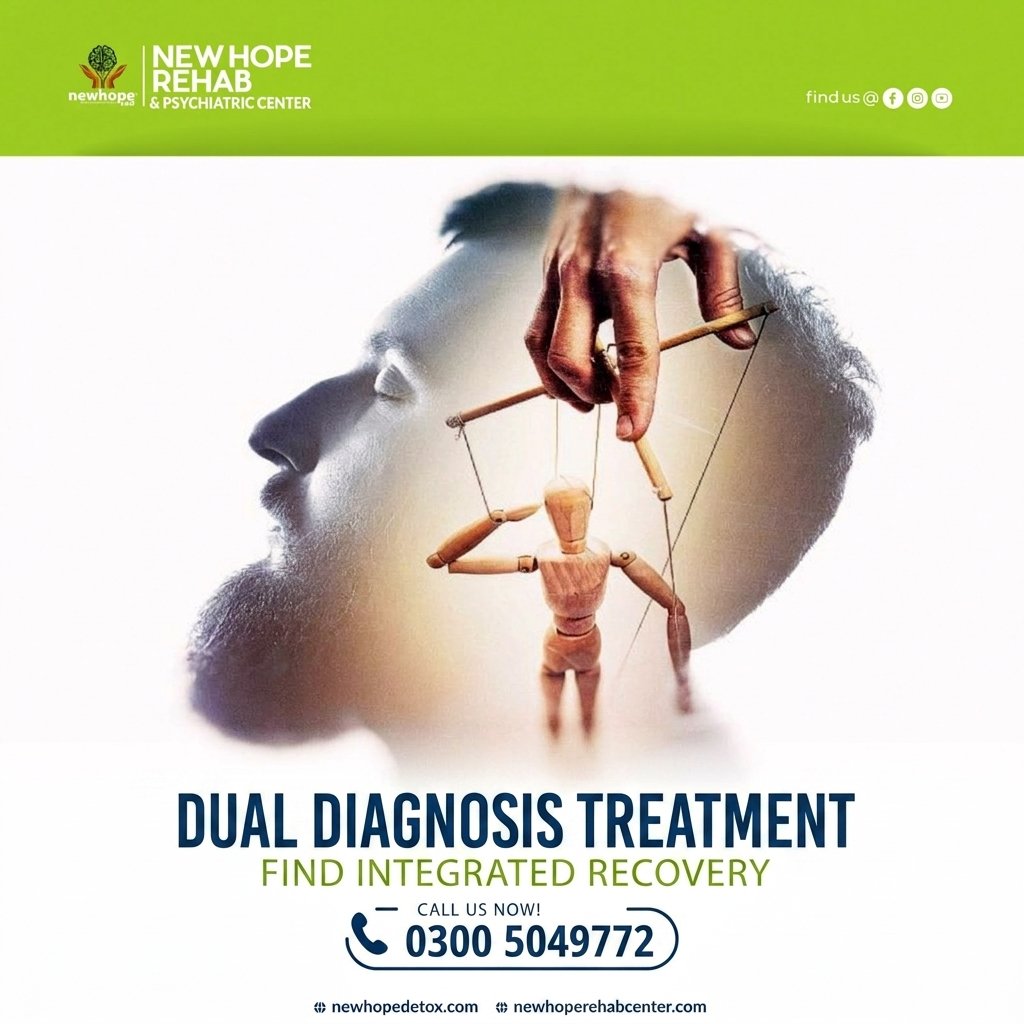
Dual diagnosis is a condition in which an individual experiences both a substance use disorder and a mental health disorder at the same time. These conditions often influence one another, making recovery more challenging if only one issue is treated. An integrated treatment approach that addresses both addiction and mental health can help individuals achieve better long-term outcomes and improve their overall quality of life.
For those seeking Dual-Diagnosis Treatment in Islamabad, Pakistan, understanding the connection between addiction and mental health is an important first step. At New Hope Rehab and Caring Centre Islamabad, comprehensive treatment programs are designed to provide ethical, evidence-based, and compassionate care that addresses both conditions simultaneously.
What Is Dual Diagnosis?
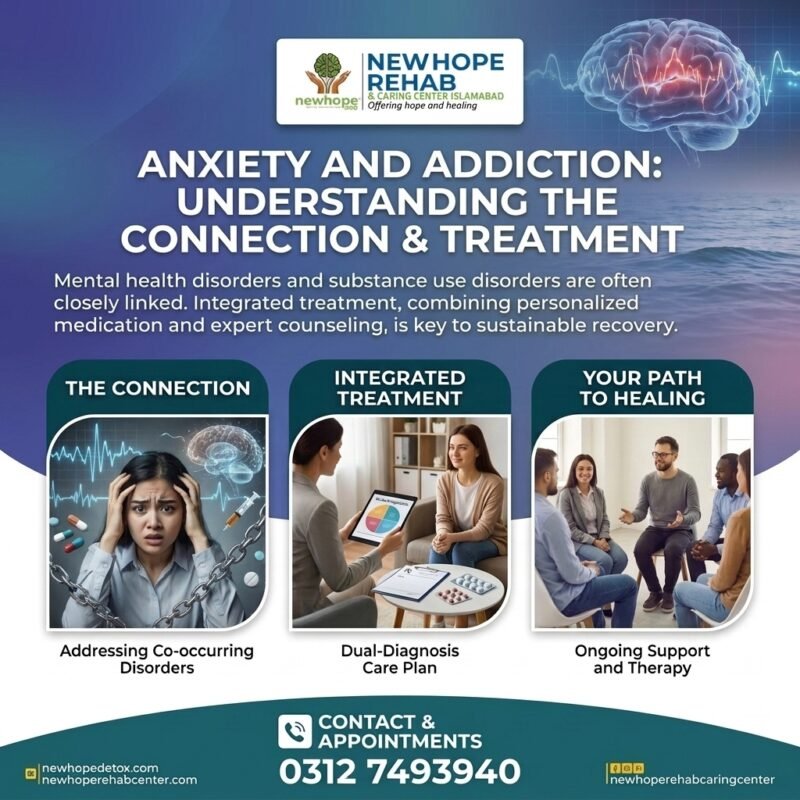
Dual diagnosis, also known as co-occurring disorders, refers to the presence of both a mental health condition and a substance use disorder in the same individual. In many cases, one condition can worsen the other, creating a cycle that is difficult to break without professional support.
Common mental health conditions associated with dual diagnosis include:
- Anxiety disorders
- Depression
- Bipolar disorder
- Post-traumatic stress disorder (PTSD)
- Obsessive-compulsive disorder (OCD)
- Personality disorders
These conditions may occur alongside addiction to alcohol, opioids, heroin, cocaine, cannabis, crystal meth (ICE), prescription medications, or other substances.
Signs and Symptoms of Dual Diagnosis
Recognizing the signs of dual diagnosis can help individuals seek appropriate treatment sooner.
Common symptoms include:
- Persistent anxiety or depression
- Mood swings
- Difficulty concentrating
- Strong cravings for drugs or alcohol
- Social withdrawal
- Changes in sleeping or eating habits
- Emotional instability
- Loss of interest in daily activities
- Difficulty maintaining work, education, or relationships
- Continued substance use despite negative consequences
Symptoms vary depending on the individual’s mental health condition and substance use history.
Why Dual Diagnosis Occurs
Several factors may contribute to the development of co-occurring disorders.
Mental Health Conditions
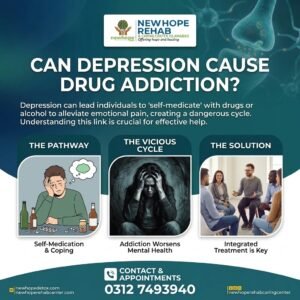
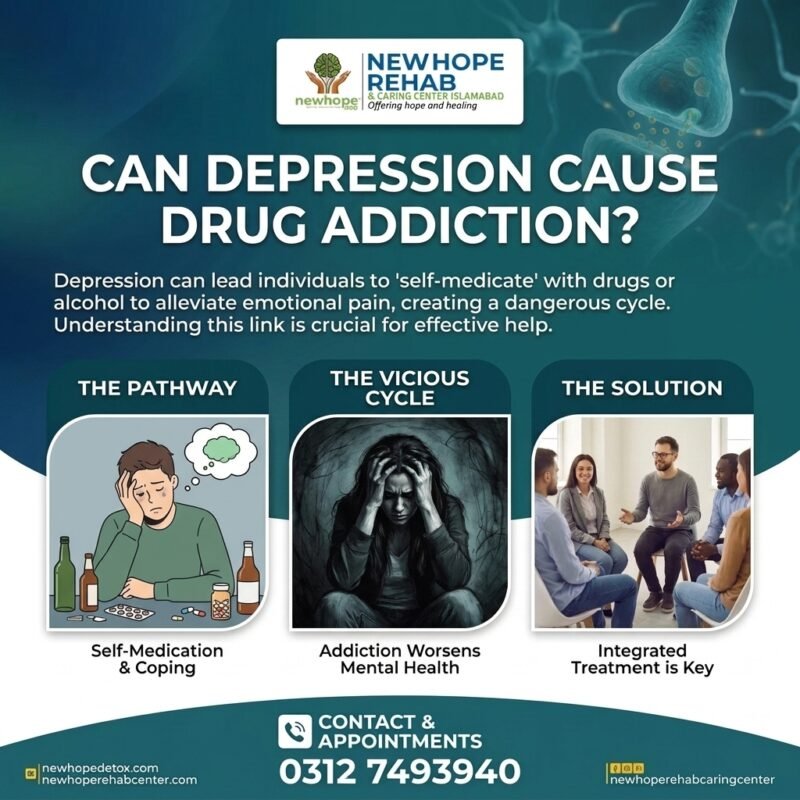
Some individuals may use drugs or alcohol in an attempt to manage symptoms of anxiety, depression, or emotional distress.
Substance Use
Long-term substance misuse can affect brain chemistry and may contribute to the development or worsening of mental health disorders.
Genetic Factors
A family history of addiction or mental illness may increase an individual’s vulnerability.
Trauma and Stress
Experiences such as childhood trauma, chronic stress, abuse, or significant life events can increase the risk of both addiction and mental health disorders.
Why Integrated Treatment Is Important
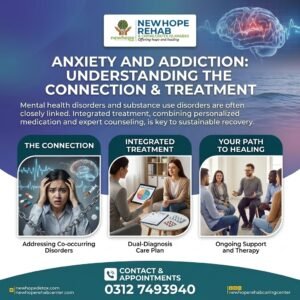
Treating only addiction or only the mental health condition may reduce the effectiveness of recovery. An integrated treatment approach addresses both conditions together, helping individuals understand the relationship between them and develop healthier coping strategies.
Seeking Dual-Diagnosis Treatment in Islamabad, Pakistan may help individuals:
- Improve emotional well-being
- Reduce substance use
- Strengthen coping skills
- Improve relationships
- Lower the risk of relapse
- Enhance long-term recovery
At New Hope Rehab and Caring Centre Islamabad, treatment plans are individualized according to each person’s physical, emotional, and psychological needs.
Treatment Approaches for Dual Diagnosis
Comprehensive Assessment
Treatment begins with a detailed evaluation of the individual’s medical history, mental health, and substance use to create a personalized recovery plan.
Medical Detoxification
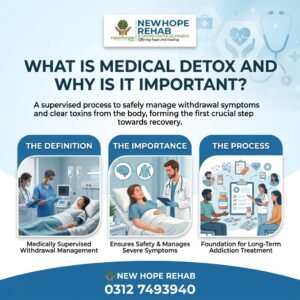
When necessary, supervised detoxification helps individuals safely manage withdrawal symptoms before beginning therapeutic treatment.
Individual Counseling
One-on-one counseling helps patients understand the emotional factors contributing to both addiction and mental health challenges.
Cognitive Behavioral Therapy (CBT)
CBT is an evidence-based therapy that helps individuals identify negative thought patterns, develop healthier behaviors, and improve emotional regulation.
Group Therapy
Group therapy offers encouragement, peer support, and opportunities to learn from others with similar experiences.
Family Support Programs
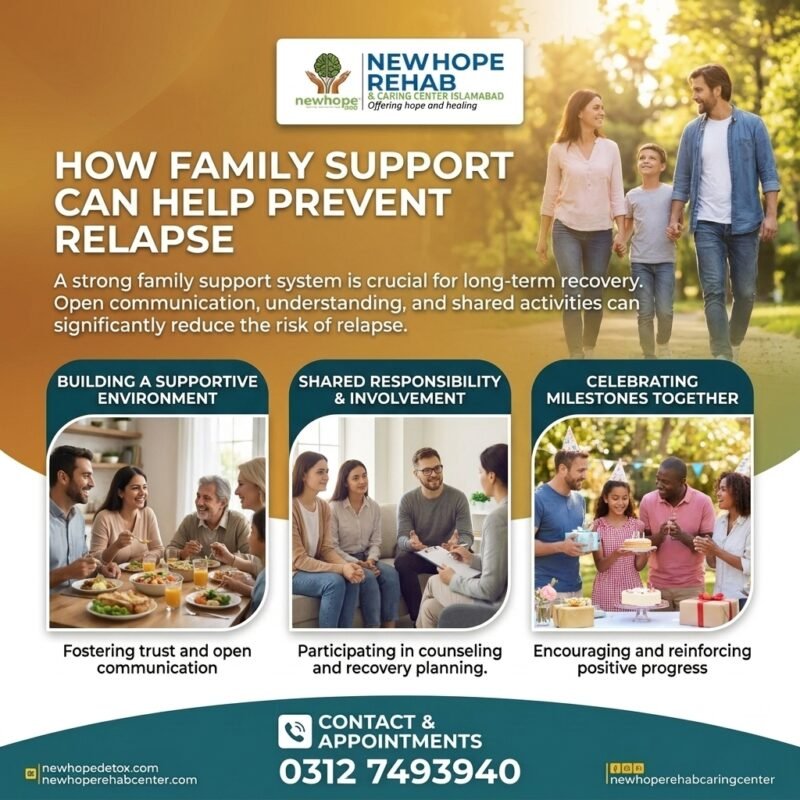
Family counseling strengthens communication, rebuilds trust, and helps loved ones better understand the recovery process.
The Importance of Relapse Prevention
Recovery from dual diagnosis requires ongoing care even after formal treatment has ended.
Relapse prevention strategies include:
- Identifying emotional and environmental triggers
- Managing stress in healthy ways
- Attending regular counseling sessions
- Following a structured daily routine
- Building supportive relationships
- Participating in aftercare programs
Long-term support plays a vital role in maintaining recovery.
Supporting Mental Wellness During Recovery
Developing healthy daily habits can strengthen both mental health and addiction recovery.
Helpful practices include:
- Maintaining regular sleep patterns
- Eating a balanced diet
- Engaging in regular physical activity
- Practicing relaxation techniques
- Building positive social connections
- Continuing professional counseling when needed
These habits support emotional resilience and overall well-being.
Frequently Asked Questions (FAQs)
1. What is dual diagnosis?
Dual diagnosis refers to the presence of both a substance use disorder and a mental health disorder in the same individual.
2. Can dual diagnosis be treated successfully?
Yes. Integrated treatment that addresses both addiction and mental health conditions together can support long-term recovery.
3. Why is integrated treatment important?
Treating both conditions at the same time helps address the underlying causes of addiction and improves overall recovery outcomes.
4. What therapies are commonly used for dual diagnosis?
Treatment often includes individual counseling, Cognitive Behavioral Therapy (CBT), group therapy, family counseling, and relapse prevention planning.
5. Can family involvement improve recovery?
Yes. Family support can strengthen communication, provide emotional encouragement, and help create a stable environment that supports long-term recovery.
Conclusion
Dual diagnosis presents unique challenges because addiction and mental health conditions often influence each other. However, with comprehensive care and an integrated treatment approach, individuals can achieve meaningful recovery and improve their quality of life. Seeking Dual-Diagnosis Treatment in Islamabad, Pakistan is an important step toward addressing both conditions in a safe and supportive environment.
At New Hope Rehab and Caring Centre Islamabad, treatment focuses on personalized care, evidence-based therapies, mental health support, family involvement, and relapse prevention. By addressing both addiction and co-occurring mental health disorders together, individuals receive the comprehensive support needed to build a healthier, more balanced, and substance-free future.