+92 312 7493940

Family Support Program – Family Support Program in Islamabad Pakistan

Family Support Program – Family Support Program in Islamabad Pakistan

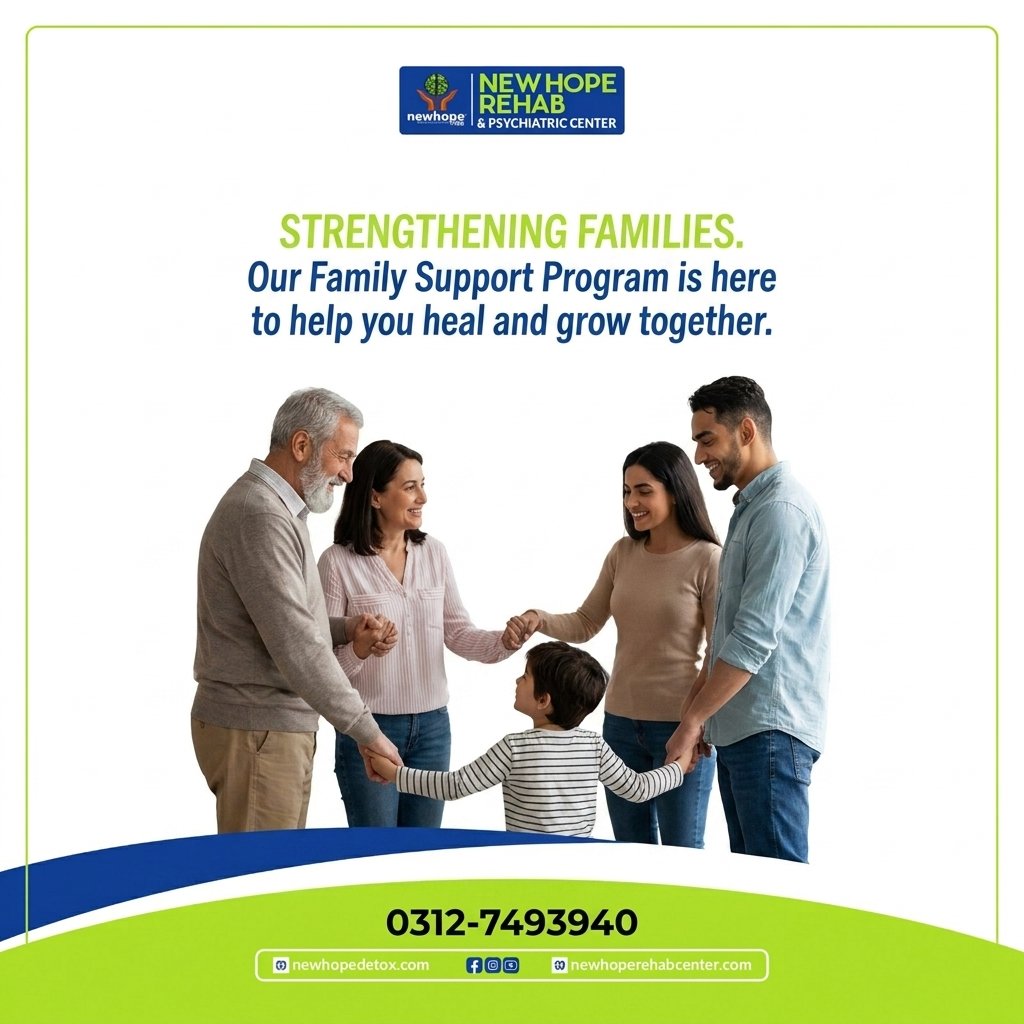
You are programmed Supporters of those recovering from addiction — parents, spouses, siblings or children — typically find themselves emotionally stressed and conflicted as they try to help a loved one. Structured family support helps educate families regarding addiction and mental health disorders, improves communication, and provides a mechanism for the family to become involved in the recovery process.

But this can make a serious difference for individuals and families looking for Family Support Program in Islamabad, Pakistan. Family involvement at New Hope Rehab and Caring Centre Islamabad plays an important role in holistic treatment by providing the needed support for long-lasting recovery and emotional health.

What is a Family Support Program?

A family support program is a specific service where you are provided with educational and counselling support, as well as practical guidance for family members of those in treatment for either alcohol or drug addiction or mental health conditions. The purpose is to educate families about the recovery process while also honing their skills as healthy, informed and compassionate carriers of empathy.

Involving family in treatment often leads to increased motivation, better communication and more successful long-term recovery.

Family Support in Recovery: Why It Matters

Recovery seldom happens in a vacuum. A home environment filled with support and positivity can help someone stay in treatment and decrease the chances of relapse.

Benefits of family support include:

  • Improved communication among family members
  • An improved understanding of addiction and mental health
  • Reduced conflict within the household
  • Increased emotional support
  • Stronger trust and healthier relationships
  • Better treatment participation
  • Improved long-term recovery outcomes

Additionally, they may aid relatives in dealing with the emotional effects of problems connected with addictions.

Family Support Programs and Who Can Participate
Family Support Program – Family Support Program in Islamabad Pakistan

All Family Support program can help:

  • Parents
  • Spouses
  • Children
  • Siblings
  • Close relatives
  • Caregivers
  • Recovery delegation to trusted family members

Participation is modified based on the patient’s treatment outline and personal life situations.

Basics of Family Support Program

Family Counseling

A professional family counselor offers a safe, encouraging environment where family members can address issues, improve communication, and learn to rebuild their relationships.

Addiction and Mental Health Education

Knowing that addiction is a medical condition helps appreciably to dispel stigma and allows families to comprehend the pain involved on an emotional as well as physical-psychological basis of recovery.

Communication Skills Training

The ability is constructive feedback that mitigates conflict and misunderstanding, while encouraging open communication, emotional support, and respect of one another.

Emotional Support for Families

Family members commonly feel stressed, anxious, frustrated or helpless. Counseling sessions are a tool to guide them in coping while protecting themselves.

Relapse Prevention Education

Families are taught about early warning signs of relapse, common triggers that can lead to relapse and how to respond in supportive manners rather than judgmental manner.

How Families Can Help During Recovery

Throughout the recovery journey, family members are essential in:

  • Encouraging treatment participation
  • Supporting healthy daily routines
  • Providing emotional encouragement
  • Promoting open and respectful communication
  • Assist in de-stressing on the domestic front
  • Supporting follow-up care and counseling
  • Celebrating recovery milestones

Healthy family dynamics enhance motivation and allow individuals to stay attentive to the long-term goals of recovery.

Mental Health and Family Well-Being

A lot of the people receiving treatment for addiction have mental health issues too such as:

  • Anxiety disorders
  • Depression
  • Trauma-related disorders
  • Chronic stress

Family education builds understanding among family members about these conditions and teaches how to best support compassionately. Integrating with mental health treatment helps build healthier relationships and results in better recovery.

A Family Support Program That Yields Long-Lasting Benefits

Parents that have had an active role in recovery tend to find:

  • Improved trust
  • Stronger relationships
  • Better emotional resilience
  • Increased confidence in supporting recovery
  • Healthier family dynamics
  • Reduced likelihood of relapse
  • Improved overall quality of life

Family-focused therapy for long-lasting recovery from New Hope Rehab and Caring Centre Islamabad caters to the need of individuals while equally referring to their loved ones in custom-tailored treatment plans.

Frequently Asked Questions (FAQs)

1.     What is a family support service?

Family Support Program Provides family counseling, education and emotional support to the families of individuals receiving treatment for addiction or mental health conditions.

2.     What Is the Role of Family in Recovery?

Family participation fosters better communication, increases emotional support, rebuilds trust and establishes a context for long-term recovery.

3.     Can family counseling improve relationships?

Yes. Family counseling allows relatives to address unpleasant conflicts, enhance communication and solidify relationships under the direction of a trained professional.

4.     Follow-up question: Is the family support program only about addiction?

No. It could also touch on mental health, stress management, emotional health and well-being, communication skills, and building healthy family relationships.

5.     Who have the eligibility to enroll in family support program.

Depending on the treatment plan of an individual, parents, spouses, siblings, adult children and caregivers as well as other close relatives can join.

Conclusion

When families heal together, often greater things can be accomplished in recovery. A Family Support Program established in Islamabad, Pakistan provides loved ones with insight about addiction, communication techniques, trust repair strategies and vital tools necessary to assist with lifelong sobriety.

Family involvement celebrates the fact that family participate in an individual or a patient recovery from addiction and the mental stress of substance abuse. New Hope Rehab and Caring Centre Islamabad believe it is an essential component of total addiction and mental health care. By participating in family counseling, education, emotional support and relapse prevention planning, families are better able to create a protective environment where all members develop the skills needed for recovery, resilience and reconciliation.

Related Article

Relapse Control Program – Relapse Control Program in Islamabad, Pakistan
Relapse Control Program

Relapse Control Program – Relapse Control Program in Islamabad, Pakistan

Recovery from addiction doesn’t necessarily end when a person completes detoxification or rehabilitation. Returning to substance use can happen during recovery, particularly when cravings, stress, emotional difficulties, social pressure, or familiar environments create challenges. A structured Relapse Control Program in Islamabad, Pakistan can help individuals understand their personal triggers and develop practical strategies for maintaining recovery. Relapse should be viewed as a health and treatment concern rather than a personal failure. Early support can help identify what contributed to a setback and whether the recovery plan needs to be adjusted. At New Hope Rehab and Caring Centre Islamabad, relapse prevention can be incorporated into individualized addiction and mental health care. What Is a Relapse Control Program? A relapse control program is a structured approach designed to help people maintain recovery from substance use and respond appropriately to warning signs. Depending on individual needs, the program may include: Individual counseling Behavioral therapy Craving management Trigger identification Family support Mental health care Lifestyle planning Continuing treatment Aftercare and follow-up The goal isn’t to promise that relapse can never occur. Instead, treatment focuses on reducing risk, strengthening coping skills, and ensuring that individuals know when and how to seek additional support. Why Does Relapse Happen? Relapse can have many contributing factors. It isn’t always caused by a single event. Common risk factors may include: Emotional distress Anxiety or depression Family conflict Social pressure Exposure to previous drug-use environments Unmanaged cravings Poor sleep Isolation Overconfidence about recovery Returning to old routines Untreated mental health conditions Understanding these factors can help individuals create a realistic and personalized prevention plan. Recognizing Early Warning Signs Relapse may develop through changes in thoughts, emotions, and behavior before substance use actually occurs. Potential warning signs include: Increasingly thinking about substance use Romanticizing previous drug or alcohol use Avoiding counseling or support Isolating from supportive people Returning to high-risk social environments Increased irritability or anxiety Neglecting healthy routines Stopping prescribed or recommended treatment Believing that occasional substance use would be harmless Recognizing these signs early provides an opportunity to seek professional support before the situation becomes more serious. How a Relapse Control Program Works Individual Assessment A relapse-prevention plan should be based on the individual’s history and circumstances. Professionals may assess substance use, previous relapses, mental health, family relationships, triggers, and current support systems. Trigger Identification Triggers are situations, people, emotions, or environments that can increase cravings or the desire to use substances. Triggers may include: Stress Certain friendships Specific locations Arguments Loneliness Financial pressure Traumatic memories Celebrations or social events Understanding personal triggers makes it easier to plan safer responses. Coping Skills Counseling can help individuals develop healthier ways to respond to cravings and difficult emotions. Techniques may include relaxation exercises, problem-solving, physical activity, structured routines, and reaching out to supportive people. Cognitive Behavioral Therapy CBT can help people recognize thought patterns that contribute to substance use and replace them with more constructive responses. For example, an individual may learn to challenge thoughts such as “I can’t cope without using” and develop practical alternatives for managing stress. The Role of Family Support Family members can play an important role in recovery when their involvement is appropriate. A family support component may help relatives: Understand addiction and relapse Recognize warning signs Communicate without unnecessary judgment Establish healthy boundaries Encourage treatment participation Avoid behaviors that unintentionally enable substance use At New Hope Rehab and Caring Centre Islamabad, family involvement can be included when clinically appropriate and consistent with the individual’s treatment plan and privacy. Mental Health and Relapse Prevention Depression, anxiety, trauma, and other mental health concerns can affect relapse risk. Some individuals may return to substance use as an attempt to cope with difficult emotions. For this reason, relapse prevention may need to address both substance use and mental health. Integrated care can help individuals identify emotional triggers and develop healthier coping strategies. If someone develops severe depression, psychosis, suicidal thoughts, or an immediate risk of harming themselves or someone else, urgent professional or emergency assistance is necessary. Aftercare and Long-Term Recovery Relapse prevention works best when it continues beyond the initial rehabilitation period. An aftercare plan may include: Regular counseling Follow-up assessments Family support Peer support Healthy sleep and exercise Meaningful daily activities Stress-management strategies Avoidance of high-risk environments Appropriate medication management Long-term recovery is an ongoing process. Support needs may change as an individual’s circumstances change. What Happens After a Relapse? A relapse doesn’t mean that treatment has failed. It can provide important information about unresolved triggers, treatment gaps, or changing circumstances. After a relapse, professional reassessment can examine: What happened before substance use occurred? Which emotional or environmental triggers were present? Was treatment or aftercare interrupted? Are there untreated mental health concerns? Does the individual require a different level of care? The treatment plan can then be adjusted according to the person’s needs. Frequently Asked Questions (FAQs) 1. What is a Relapse Control Program? It is a structured recovery service that helps individuals identify relapse risks, manage cravings, develop coping skills, and maintain continuing support after addiction treatment. 2. Does relapse mean that recovery has failed? No. Relapse can indicate that additional support or changes to a treatment plan may be needed. Professional reassessment can help identify contributing factors. 3. How can someone prevent relapse? Identifying triggers, maintaining treatment, developing healthy routines, managing stress, avoiding high-risk situations, and staying connected with supportive people can help reduce relapse risk. 4. Can families participate in relapse prevention? Yes. When appropriate, families can learn about warning signs, communication strategies, healthy boundaries, and ways to provide constructive support. 5. How long should relapse prevention continue? There is no universal timeframe. Continuing support can be adjusted according to the individual’s substance use history, mental health, recovery progress, and personal circumstances. Conclusion A Relapse Control Program in Islamabad, Pakistan can provide valuable ongoing support for individuals working to maintain recovery from addiction. By identifying triggers, strengthening coping skills, addressing mental health concerns, involving supportive family members, and maintaining aftercare, individuals can better

Home Based Treatment Program - Home-Based Treatment Program in Pakistan, Islamabad
Home Based Treatment Program

Home Based Treatment Program – Home-Based Treatment Program in Pakistan, Islamabad

The Home-Based Treatment Program in Islamabad, Pakistan is able to offer structured healthcare and recovery support for certain individuals who may not require residential treatment. Home-based care, including counselling, family support, recovery planning, follow-up services, and monitoring by qualified professionals, may be appropriate for a person’s medical and psychological needs. Not everyone is suitable for home-based care. The safest place for treatment depends on the drug, risk of withdrawal, physical and mental health, home environment and availability of family support. The treatment planning process at New Hope Rehab and Caring Center Islamabad should start with a proper assessment to ensure that the level of care is appropriate for the individual’s needs. What is a home-based treatment program? A home-based treatment program offers certain treatment and recovery services in the home of the person rather than requiring a residential stay. It may be appropriate for those who are medically stable and safely able to engage in scheduled professional care. Services may include depending upon clinical needs: Personal counselling Mental health treatment Family therapy Learning to recover Avoiding relapse Further assessments Clinical Monitoring as Indicated for Medication Home-based treatment can sometimes be used as an ongoing-care option after residential rehab, or as an alternative to residential rehab for appropriate clients who don’t need intense inpatient supervision. Who is a candidate for home-based treatment? Home based care may be an option for people who: Are medically stable Have a safe home Do not need continuous medical monitoring May be included in planned treatment Have sufficient family or carer support as needed subsequent care following a more intensive treatment program Suitability needs to be determined by a healthcare professional, not convenience or preference. Conditions That Might Require Home-Based Care Some people may be considered for home-based services if experiencing: Based on the individual’s assessment and treatment plan. Alcoholism Addiction to drugs Cannabis use disorder, Opioid addiction Nicotine dependence or dependence on smoking Nervous Depressions Stress-related problems After Residential Treatment: Recovery Some co-occurring mental health and substance use disorders The type and level of care should be determined by individual clinical need. Key Elements of Home-Based Treatment Initial Evaluation Assessment may include questions about substance use, medical history, mental health symptoms, medications, previous treatment, withdrawal history and family circumstances. This will help determine whether home-based care is appropriate, or if a more supervised treatment environment would be safer. One-on-One Counselling Individual counselling offers a confidential place to discuss triggers, emotional challenges, substance use patterns, relationships and recovery goals. Cognitive Behavioral Therapy Where clinically appropriate, CBT may be included. It can help people to recognise unhelpful patterns of thinking and to learn healthier ways to react to stress, cravings and difficult situations. Family Therapy Where appropriate family members can be involved in treatment. Counselling can improve communication, educate families about addiction, and help families set healthy boundaries. Prevention of Relapse People can learn to identify situations that may increase the risk of resuming substance use and learn practical skills to cope with those situations. Advantages of a Home-Based Treatment Program There are many practical advantages to being treated at home for those who are properly selected. A familiar environment Some services provided in the home may enable individuals to stay in a familiar environment while participating in treatment. Involving the family Clinical indications may create more opportunities for family members to participate in education and counselling. Daily Life Continuity Some medically stable individuals may be able to perform selected family, educational, or professional duties while receiving treatment. Personalized support A home-based plan can be adjusted as circumstances change and recovery goals are achieved as the individual progresses. But these advantages do not mean that home treatment is necessarily better than residential or hospital-based treatment. The right environment is dependent on clinical need. When Home-Based Treatment Is Not for You Some situations require sophisticated medical or psychiatric care. Treatment at home may not be suitable for a person who: Considerable withdrawal risk Serious medical problems Psychiatric symptoms, acute Imminent threat of self-harm or harm to others Intoxication, severe Unsafe or unsteady home environment The need for constant monitoring Withdrawal from alcohol and some sedative medications can be dangerous. Those with significant dependence should seek professional medical evaluation rather than attempting to withdraw on their own at home. Get emergency medical help if you have severe problems breathing, pass out, have a seizure (convulsions), overdose (see overdose), or have any other medical emergency. Why family support is important How family members can help: Encouraging engagement in treatment Supporting healthy routines Respectful dialogue Establishing healthy boundaries Looking for major changes in behavior Promoting follow-up care Family members are supporters, not substitutes for qualified health care professionals. Where appropriate and in line with the patient’s preferences and privacy at New Hope Rehab and Caring Center Islamabad, family involvement can be incorporated into an individualized treatment plan. Relapse Prevention & Aftercare Follow-up occurs after the initial treatment phase. A home-based program may include ongoing care to help people maintain progress and manage new challenges. Some key strategies may be: Finding personal triggers Getting regular sleep Healthy ways of coping with stress Forming beneficial social ties Situations of high risk to avoid Further counselling Having taken professional advice; Seek help quickly when warning signs appear A setback does not mean that recovery is impossible. This may mean more assessment or adjustments in the treatment plan are needed. FAQ Frequently Asked Questions 1. What is a Home-Based Treatment Program? This is a structured approach to delivering selected addiction or mental health services in the home of the individual rather than through a residential admission. 2. Is addiction treatment at home right for everyone? No. Suitability is based on the individual’s medical stability, risk of withdrawal, mental health, safety of the home, and overall treatment needs. 3. Is a home program a possible form of therapy? Depending on the treatment plan, services may include individual counselling, CBT, family counselling, recovery education and relapse prevention support. 4. Can family members be involved? Yes. As

Dual Diagnosis Treatment – Dual Diagnosis Treatment in Islamabad, Pakistan
Dual Diagnosis Treatment

Dual Diagnosis Treatment – Dual Diagnosis Treatment in Islamabad, Pakistan

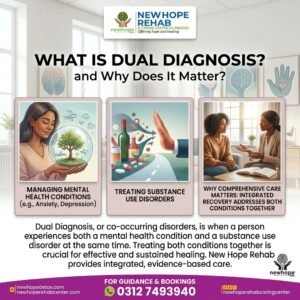
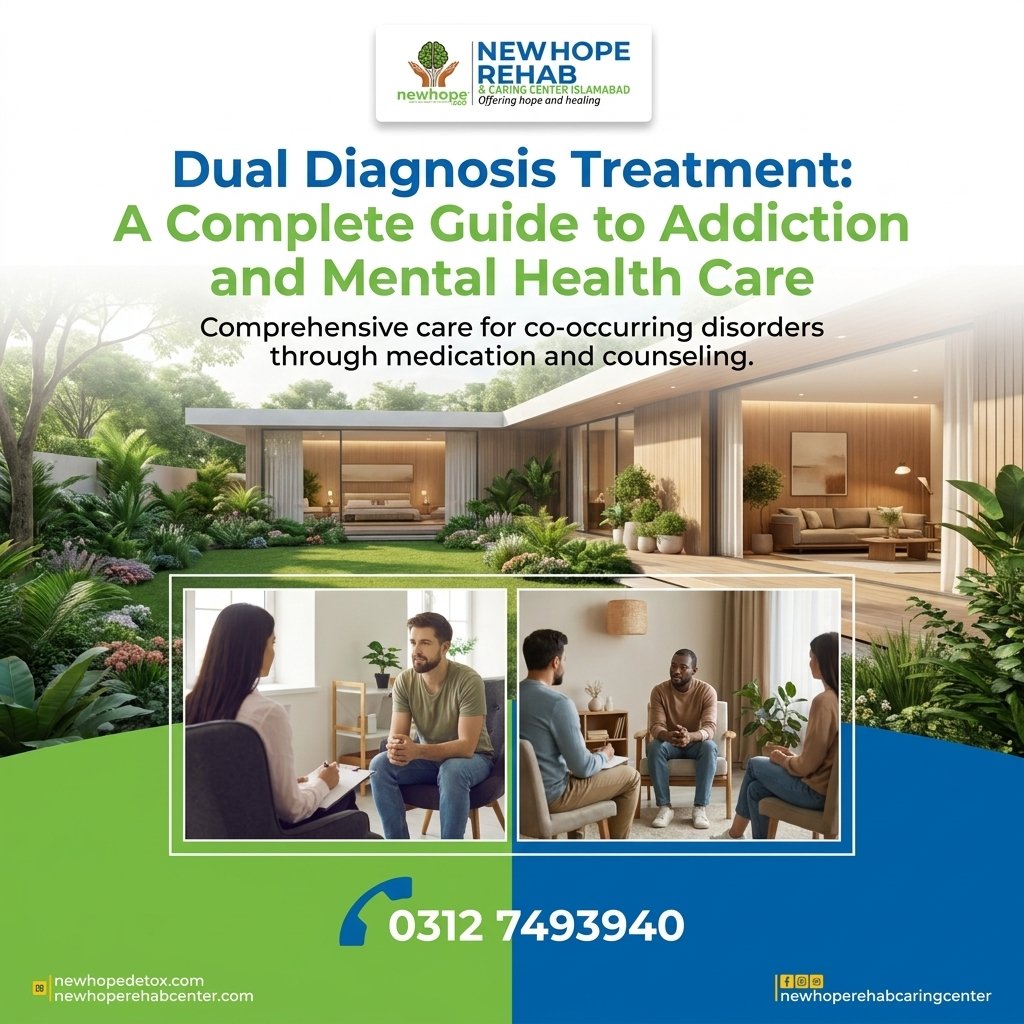
Dual diagnosis means someone has both a substance uses disorder and some kind of mental health disorder. If the problem is addressed on its own, it means that other co-occurring concerns could affect one another and complicate recovery. This integrated, person-centered approach helps someone to get the help they need for their addiction as well as with their mental health. Both individuals and families applying for Dual Diagnosis Treatment Pakistan, first assessment by expert Care at New Hope Rehab and Caring Centre Islamabad can be tailored to the person, their use of alcohol or drugs, mental health, health conditions, family situation and goals for recovery. What Is Dual Diagnosis Treatment? Dual diagnosis treatment is an integrated approach for people experiencing both addiction and a mental health condition. Instead of viewing these issues as completely independent problems, healthcare providers assess how they interact and come up with a coordinated plan. Substance use disorders may involve: Alcohol Heroin and other opioids Cocaine Crystal methamphetamine or ICE Cannabis or marijuana Prescription medications Benzodiazepines Common co-occurring mental health disorders include: Affective disorders, such as depression and bipolar disorder Anxiety disorders PTSD, or post-traumatic stress disorder Other mental health conditions Interpretation of an online assessment for mental health or substance use disorder can only be done by a qualified professional. Why Can Addiction & Mental Health Problems Happen Together? There is not one because you can point to that explains co-occurring conditions. Several factors can contribute. Self-Medication Alcohol or drugs are often used by some people as an escape from feeling stressed, depressed, traumatized, unable to sleep or without other problems negatively affecting their mental health. While using substances can give the illusion of relief in the short term, over time it creates a cycle of dependency, often exacerbating symptoms. Effects of Substance Use Chronic substance use can impact sleep, mood, cognition and brain function. For some individuals, it may activate or worsen psychological symptoms. Trauma and Stress Exposure to trauma and chronic stress are risk factors for mental health problems in both adults and youth, as well as problematic substance use. Shared Risk Factors Both conditions may have a genetic component, and family history, social circumstances and environmental pressures all play a role as well. Red flags that indicate you may want to consider a dual diagnosis assessment Potential warning signs include: Persistent sadness or anxiety Significant mood changes Intense desire for drugs or alcohol Difficulty controlling substance use Social withdrawal Sleep disturbances Problems at work or school Difficulty managing emotions A substance use disorder characterized by ongoing use notwithstanding transitory challenges Repeated unsuccessful attempts to stop These symptoms do not make a diagnosis You will need a full professional assessment. How Dual Diagnosis Treatment Works Comprehensive Assessment Typically, treatment starts with an evaluation and review of substance use, mental health symptoms, medical history, medications, family situation and prior treatment. The complete view enables clinicians to prioritize and select a suitable care level. Medical Detoxification Others need to participate in withdrawal management under supervision before starting rehabilitation. The necessity for detoxification is contingent on the substance which was abused as well as physical dependence, withdrawal dangers and health condition. Many substances (e.g. Alcohol, Benzodiazepines) can cause potentially life-threatening withdrawal syndromes making it crucial that such a process be formally assessed. Individual Therapy Personalized treatment provides a confidential space to talk about substance-use triggers, emotional well-being and trauma, behavioral issues, and personal recovery goals. Cognitive Behavioral Therapy Cognitive Behavioral Therapy (CBT)-good for spotting negative thought patterns and instead develop better responses to issues such as cravings, anxiety, stress, etc. Group Therapy Group sessions may offer peer support and the chance to gain insights from others dealing with similar recovery issues. Medication Management When clinically indicated, medical professionals may treat certain mental health diagnoses or substance use disorders with pharmacologic agents. Drugs should be chosen and monitored on the basis of a person’s medical necessities. Dual Diagnosis Treatment Among Family Co-occurring disorders treatment is a family affair. Relatives may find it difficult to determine if certain behaviors are addiction-related, as part of mental health symptoms or both. Relatives: Family counseling and education might be helpful for you. Understand co-occurring disorders Communicate more effectively Establish healthy boundaries Encourage appropriate treatment Recognize warning signs Support relapse prevention New Hope Rehab and Caring Centre Islamabad views family involvement on a case-by-case basis, as appropriate and aligned with the treatment plan of the individual recipient and their privacy. Relapse Prevention and Aftercare While withdrawal symptoms may ease often, recovery does not end there. Mental health symptoms and substance-use cues may still need treatment as well. An aftercare plan may include: Ongoing counseling Mental health follow-up Medication monitoring when prescribed Family support Healthy daily routines Stress-management techniques Support groups Relapse-prevention planning In the event of resumption of using substances, a professional reassessment can identify any problems that may have contributed to this choice and whether treatment needs to be modified. Why Integrated Care Matters It is not uncommon to leave major challenges to recovery unaddressed when addiction is treated without considering the presence of an underlying mental health condition. Likewise, managing psychological symptoms without properly addressing problem substance use can complicate sustained improvement. Unfortunately, integrated care enables professionals to look at both conditions and how they interact. Since conditions vary in combination and severity, treatment continues to be individualized. Frequently Asked Questions (FAQs) 1.     What is dual diagnosis? Dual diagnosis describes the existence of a substance use disorder and mental health condition within an individual person. 2.     What mental illnesses can accompa­ny addiction? Anxiety disorders, depression, bipolar disease, posttraumatic stress disorder (PTSD), and other mental health issues are frequently co-occurring with substance use disorders. Diagnosis requires an objective assessment. 3.     Can dual diagnosis be treated? Yes. Withdrawal management, psychotherapy and CBT, medication as needed, family support, recovery planning for long-term prevention of relapse (relapse is common in this disorder), follow-up mental health care. 4.     Is detoxification always required? Is it true that detoxification is possible for everyone? No, detoxification really

ICE | METH Addiction – ICE | METH Addiction Treatment in Islamabad, Pakistan
ICE | METH Addiction

ICE | METH Addiction – ICE | METH Addiction Treatment in Islamabad, Pakistan

ICE, commonly referring to crystal methamphetamine, is a powerful stimulant that can have serious effects on the brain, body, emotions, and behavior. Repeated use can lead to cravings, tolerance, dependence, sleep disruption, mood changes, and significant difficulties in personal or professional life. For individuals and families seeking ICE | METH Addiction Treatment in Islamabad, Pakistan, professional assessment and individualized care can provide an appropriate starting point. At New Hope Rehab and Caring Centre Islamabad, treatment can address substance use alongside physical health, mental health, family concerns, and long-term recovery needs. What Is ICE | METH Addiction? ICE is a form of methamphetamine, a potent central nervous system stimulant. It can produce increased alertness, energy, and euphoria, but repeated or heavy use can create significant physical and psychological problems. Methamphetamine addiction, clinically considered a stimulant use disorder when diagnostic criteria are met, may involve difficulty controlling use despite harmful consequences. Potential signs include: Strong cravings for methamphetamine Increasing amounts or frequency of use Difficulty stopping Severe changes in sleep patterns Loss of appetite Irritability or agitation Social withdrawal Neglect of responsibilities Continued use despite health or relationship problems A qualified healthcare professional should conduct an assessment before making a diagnosis. Effects of Crystal Meth on Physical and Mental Health Methamphetamine can affect multiple areas of health. Short-term effects may include increased heart rate, elevated blood pressure, reduced appetite, insomnia, and agitation. Long-term or heavy use may be associated with: Significant weight loss Cardiovascular problems Dental health problems Sleep disturbances Anxiety Depression Memory and concentration difficulties Paranoia or psychotic symptoms Social and occupational difficulties Severe agitation, hallucinations, chest pain, seizures, or dangerously elevated body temperature require urgent medical attention. Why ICE | METH Addiction Can Be Difficult to Overcome Methamphetamine strongly affects brain systems involved in reward, motivation, and pleasure. Repeated use can reinforce patterns of craving and compulsive behavior. Some people also use stimulants to cope with stress, emotional pain, fatigue, or difficult circumstances. When substance use becomes a primary coping strategy, stopping may require more than simply avoiding the drug. Professional treatment can help address both substance use and the factors that contribute to it. How ICE | METH Addiction Treatment Works Comprehensive Assessment Treatment begins with an evaluation of substance use, physical health, psychological symptoms, medications, previous treatment, and personal circumstances. This assessment helps determine the appropriate level of care and whether additional medical or psychiatric support is required. Withdrawal and Stabilization Unlike alcohol or certain sedative withdrawals, stimulant withdrawal is not typically managed with a specific medication that eliminates the entire withdrawal process. However, professional monitoring and supportive care can help individuals manage symptoms such as fatigue, low mood, sleep changes, irritability, and cravings. Individual Counseling One-to-one counseling can help individuals identify triggers, understand patterns of methamphetamine use, and develop healthier coping strategies. Cognitive Behavioral Therapy CBT can help individuals recognize unhelpful thoughts and behaviors and learn practical techniques for responding to cravings, stress, and high-risk situations. Contingency-Based Approaches Behavioral approaches that provide structured incentives for treatment-related goals may be considered in some stimulant-use treatment settings. Suitability depends on the individual’s treatment plan and available clinical resources. Dual Diagnosis and Mental Health Care Some people experiencing methamphetamine addiction also develop or experience worsening anxiety, depression, trauma-related symptoms, paranoia, or psychosis. When mental health and substance use problems occur together, both should be assessed. Continuing stimulant use may intensify psychological symptoms in some individuals, while untreated mental health difficulties can make recovery more challenging. At New Hope Rehab and Caring Centre Islamabad, mental health concerns can be considered as part of an individualized treatment plan when clinically appropriate. The Importance of Family Support ICE | METH addiction can affect the entire household. Family members may notice changes in behavior, sleep, mood, finances, or relationships before the person recognizes the severity of the problem. Family support may include: Learning about stimulant addiction Participating in family counseling Improving communication Establishing healthy boundaries Supporting treatment attendance Recognizing warning signs Encouraging professional help Support should remain compassionate while avoiding actions that unintentionally enable continued substance use. Relapse Prevention and Continuing Care Recovery from methamphetamine addiction often requires continued support after the initial treatment period. A relapse-prevention plan can help individuals identify situations and emotions that increase the risk of returning to drug use. Strategies may include: Identifying personal triggers Developing healthy sleep routines Managing stress constructively Avoiding high-risk environments Building positive social connections Continuing counseling Maintaining meaningful daily activities Attending follow-up care If a setback occurs, professional reassessment can help determine what additional support may be needed. Frequently Asked Questions (FAQs) 1. What is ICE or crystal meth? ICE is a commonly used name for crystal methamphetamine, a powerful stimulant drug that can lead to dependence and significant physical and psychological health problems. 2. Can ICE | METH addiction be treated? Yes. Treatment can include professional assessment, supportive withdrawal care, behavioral therapies, counseling, family involvement, mental health treatment, and relapse prevention. 3. Does methamphetamine withdrawal require detoxification? People can experience significant psychological and physical symptoms after stopping methamphetamine. Professional assessment can determine whether supervised stabilization or another level of care is appropriate. 4. Can methamphetamine cause mental health problems? Methamphetamine use can be associated with anxiety, depression, paranoia, and psychotic symptoms, particularly with heavy or prolonged use. Persistent or severe symptoms require professional assessment. 5. How can families help someone with methamphetamine addiction? Families can encourage professional treatment, learn about stimulant use disorders, maintain healthy boundaries, communicate without unnecessary judgment, and participate in family counseling when appropriate. Conclusion ICE | METH addiction is a serious health concern that can affect physical health, mental well-being, relationships, and everyday functioning. Recovery may require structured professional support that addresses both stimulant use and the factors that contribute to continued use. For individuals seeking ICE | METH Addiction Treatment in Islamabad, Pakistan, New Hope Rehab and Caring Centre Islamabad focuses on individualized assessment, counseling, behavioral therapy, mental health support, family involvement, and relapse-prevention planning. With appropriate care and continued support, individuals can work toward healthier routines,