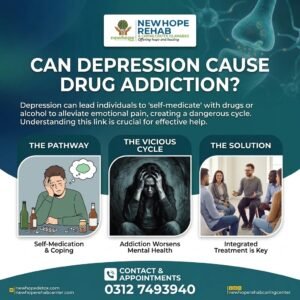
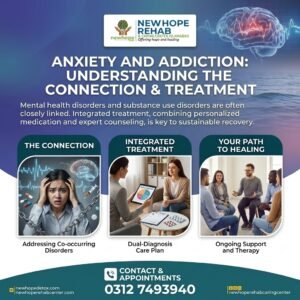
Anxiety and addiction are two health concerns that can affect a person’s thoughts, emotions, relationships, and daily life. Although anxiety is a common response to stress, ongoing anxiety can become difficult to manage. Some people turn to alcohol, drugs, or other addictive substances to feel calmer or escape uncomfortable emotions. Over time, this pattern can lead to dependence and make anxiety harder to manage. The relationship between anxiety and addiction is complex. Anxiety may contribute to substance use, while substance use, intoxication, and withdrawal can worsen anxiety symptoms. When both conditions occur together, treating only one may not fully address the person’s needs. The good news is that anxiety and addiction are treatable. With appropriate mental health care, addiction treatment, and ongoing support, people can learn healthier coping skills and work toward lasting recovery. What Is the Connection Between Anxiety and Addiction? Anxiety is the body’s natural response to stress or a perceived threat. It can cause worry, nervousness, restlessness, and physical symptoms such as a racing heart or muscle tension. An anxiety disorder develops when anxiety becomes persistent, difficult to control, or severe enough to interfere with everyday life. Common anxiety disorders include generalized anxiety disorder, panic disorder, and social anxiety disorder. Addiction, often referred to clinically as a substance use disorder, involves difficulty controlling the use of a substance despite harmful consequences. These conditions can influence one another in several ways. A person experiencing anxiety may use alcohol or drugs to seek temporary relief. However, that relief may not last. As the substance wears off, anxiety can return or become more intense, encouraging further use. This cycle can gradually increase dependence and make it more difficult to manage emotions without substances. How Anxiety Can Lead to Substance Use People cope with anxiety in different ways. Some seek professional help, while others may try to manage their symptoms without medical support. When anxiety becomes overwhelming, alcohol, cannabis, sedatives, or other substances may seem like an easy way to relax. A person might drink before social situations, use drugs to escape persistent worry, or rely on substances to fall asleep. Although these substances may temporarily change how someone feels, they do not address the underlying causes of anxiety. Repeated use can create additional problems, including: Increased anxiety between episodes of substance use. Difficulty sleeping without alcohol or drugs. Strong cravings during stressful situations. Growing tolerance or physical dependence. Problems with work, education, finances, or relationships. Delays in seeking appropriate mental health treatment. Using substances to cope with anxiety does not mean someone lacks willpower. It may indicate that the person needs safer, more effective ways to manage distress. Can Addiction Make Anxiety Worse? Yes. Substance use can trigger anxiety, intensify existing symptoms, or contribute to anxiety during withdrawal. Alcohol and Anxiety Alcohol may initially create a feeling of relaxation, but its effects can disrupt sleep and affect brain processes involved in mood regulation. Anxiety may increase as alcohol leaves the body. People who drink heavily or regularly may experience significant anxiety during withdrawal. Severe alcohol withdrawal can cause seizures, hallucinations, and other life-threatening complications. Anyone who may be physically dependent on alcohol should seek medical advice before stopping suddenly. Cannabis and Anxiety Cannabis affects people differently. Some experience relaxation, while others develop panic, paranoia, or increased anxiety. Frequent use may also be associated with ongoing mental health difficulties in some individuals. Stimulants and Anxiety Stimulants such as cocaine and methamphetamine can increase alertness and energy, but they may also cause agitation, rapid heartbeat, panic, and suspicious thoughts. Anxiety and low mood can occur as their effects wear off. Sedatives and Anxiety Certain sedative medications can reduce anxiety when used appropriately under medical supervision. However, misuse or prolonged use can lead to dependence. Withdrawal from benzodiazepines and some other sedatives can be dangerous and may cause seizures. These risks make professional assessment especially important when anxiety and substance use occur together. Common Signs of Anxiety and Addiction Recognizing the warning signs can help individuals and families seek support before the problems become more severe. Signs of Anxiety Common symptoms include: Persistent worry or fear. Feeling restless, tense, or easily overwhelmed. Difficulty concentrating. Trouble falling asleep or staying asleep. Rapid heartbeat, sweating, or trembling. Avoiding situations because of fear or nervousness. Experiencing panic attacks or sudden intense fear. Signs of Addiction Possible signs include: Strong cravings for alcohol or drugs. Using more of a substance than intended. Repeated unsuccessful attempts to stop. Continuing to use despite physical, emotional, or relationship problems. Neglecting responsibilities because of substance use. Experiencing withdrawal symptoms when reducing or stopping use. Relying on substances to cope with everyday stress or anxiety. These symptoms do not automatically establish a diagnosis. A qualified healthcare professional can assess the person’s experiences, substance use patterns, and overall health. Why Anxiety and Addiction Should Be Treated Together When anxiety and addiction occur at the same time, they may be described as co-occurring disorders. Some people may also have depression, trauma-related symptoms, or other mental health concerns. Treating both conditions is important because each can affect the other. If substance use continues to trigger anxiety, managing anxiety alone may not be enough. Similarly, if untreated anxiety contributes to substance use, stopping the substance without addressing anxiety may make recovery more challenging. An integrated treatment plan can help address emotional distress, substance use, withdrawal risks, and the situations that contribute to both conditions. Treatment should be individualized. A person’s symptoms, medical history, substance use, and personal circumstances all influence which approaches may be appropriate. Treatment Options for Anxiety and Addiction Effective treatment may involve a combination of mental health care, addiction treatment, medication when appropriate, and practical recovery support. 1. Professional Assessment The first step is a comprehensive assessment by an appropriate healthcare professional. This may include reviewing anxiety symptoms, substance use, prescribed medications, physical health, sleep, and previous treatment experiences. Because intoxication and withdrawal can resemble or worsen anxiety disorders, clinicians may need to assess how symptoms change over time. 2. Cognitive Behavioral