
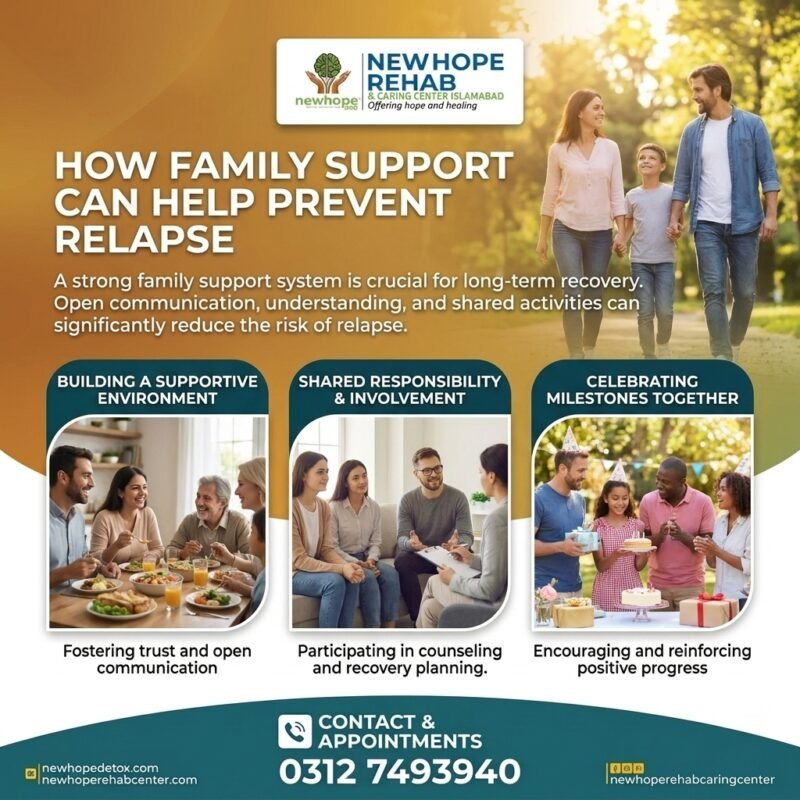
Recovery from drug or alcohol addiction is an ongoing process that often involves more than stopping substance use. People in recovery may face stress, cravings, emotional challenges, and situations that remind them of past substance use. During these difficult moments, family support can make a meaningful difference.
A caring and supportive family can encourage healthy habits, help recognise early warning signs, and motivate a loved one to continue treatment. However, supporting someone through addiction recovery is not always easy. Families may experience worry, frustration, or uncertainty about what to say and do.
Understanding how family support can help prevent relapse allows loved ones to provide encouragement without blame or pressure. With patience, healthy boundaries, and appropriate professional guidance, families can become an important part of the recovery process.
What Is Relapse in Addiction Recovery?
Relapse refers to a return to substance use after a period of reduced use or abstinence. It can happen during recovery from alcohol, opioids, prescription medication misuse, or other substance use disorders.
Recovery is different for everyone. Some people maintain long-term recovery without returning to substance use, while others experience setbacks and need changes to their treatment plan.
A return to substance use does not mean a person has failed or that recovery is impossible. It is a sign that additional support, reassessment, or treatment may be needed.
Relapse prevention focuses on recognizing personal triggers, developing coping skills, maintaining treatment, and responding early when difficulties arise.
Why Is Family Support Important in Relapse Prevention?
Addiction can affect relationships, trust, finances, and emotional well-being. During recovery, a supportive home environment can help reduce stress and make healthy routines easier to maintain.
Family members may help by encouraging treatment attendance, listening without judgment, recognizing changes in behavior, and helping a loved one connect with professional care when needed.
Family support can also reduce feelings of loneliness and shame. When people feel safe discussing cravings or emotional difficulties, they may be more willing to seek help before a situation becomes more serious.
However, family members cannot control another person’s recovery. Their role is to provide encouragement, maintain appropriate boundaries, and support access to effective treatment.
7 Ways Family Support Can Help Prevent Relapse
1. Create a Safe and Supportive Home Environment
A calm and respectful home environment can help a person focus on recovery. Frequent arguments, threats, humiliation, or constant criticism may increase stress and make it harder to discuss challenges honestly.
Families can support recovery by communicating respectfully, keeping expectations realistic, and avoiding unnecessary conflict where possible.
If alcohol or drugs have been a major source of difficulty, family members can discuss practical steps to reduce exposure to substances and situations that may trigger cravings.
A supportive environment does not mean ignoring harmful behavior. Families can remain caring while setting clear expectations about safety and respect.
2. Recognize Relapse Warning Signs Early
Relapse may develop gradually. Changes in mood, behavior, routines, or social connections can sometimes signal that a person is struggling.
Possible warning signs include:
- Increasing isolation from family and supportive friends.
- Missing treatment appointments or support meetings.
- Returning to people or places closely associated with past substance use.
- Increased anxiety, irritability, or emotional distress.
- Changes in sleep patterns or daily routines.
- Expressing hopelessness or losing interest in recovery goals.
- Talking more frequently about using substances or minimizing previous problems.
These signs do not prove that a relapse will occur. They may reflect other difficulties, including depression, stress, or physical illness.
When concerns arise, approach the person calmly. Ask how they are feeling and whether they need additional support rather than making accusations.
3. Encourage Continued Treatment

Completing a rehabilitation program is an important milestone, but ongoing care may still be necessary. Depending on the person’s needs, continued treatment may include counseling, medical appointments, prescribed medication, peer support, or structured outpatient care.
Family members can help by encouraging attendance, assisting with transportation when appropriate, and respecting the person’s treatment decisions.
For some substance use disorders, medication is an important part of effective treatment. Families should avoid pressuring a loved one to stop prescribed addiction medication without medical advice.
If the person begins missing appointments or withdrawing from treatment, a supportive conversation may help identify barriers and encourage them to reconnect with care.
4. Help Manage Stress and Emotional Triggers
Stress can increase cravings and make recovery more challenging. Family members can help by creating opportunities for healthy activities and offering practical support during difficult periods.
Helpful activities may include taking walks together, sharing meals, participating in hobbies, or maintaining regular sleep and daily routines.
Families should also understand that a loved one may experience anxiety, depression, grief, or other emotional difficulties during recovery. Encouraging professional mental health support can be important when these problems persist or worsen.
The goal is not to remove every source of stress. It is to help the person develop healthier ways to respond to difficult situations.
5. Build Trust Through Honest Communication
Trust may take time to rebuild after addiction has affected a family. Loved ones may feel hurt or uncertain, while the person in recovery may fear judgment or rejection.
Open communication can help both sides express concerns and establish realistic expectations.
Families can support healthier conversations by:
- Listening without interrupting.
- Expressing concerns without insults or threats.
- Asking what kind of support would be helpful.
- Acknowledging progress and positive changes.
- Discussing boundaries clearly and consistently.
- Avoiding the use of past mistakes as a weapon during disagreements.
Trust develops through consistent actions over time. It is reasonable for family members to need time to feel secure again, and rebuilding relationships should not be rushed.
6. Encourage Healthy Routines and Positive Activities
Daily routines can provide structure during recovery. Families can encourage activities that support physical health, emotional balance, and a sense of purpose.
These may include regular exercise, preparing meals together, returning to education or work, practicing relaxation techniques, and maintaining hobbies.
Social connections also matter. Spending time with supportive people can reduce isolation and provide alternatives to environments associated with past substance use.
Activities should be realistic and suited to the person’s interests and abilities. Encouragement is generally more helpful than demanding immediate changes in every area of life.
7. Know What to Do if a Relapse Happens
Despite careful planning, a person may return to substance use. Family members should know how to respond without assuming that all progress has been lost.
Focus first on safety. If an overdose is suspected, the person is difficult to wake, breathing is slow or absent, or another serious medical emergency occurs, contact emergency services immediately. Give naloxone if an opioid overdose is suspected and naloxone is available, following its instructions.
When there is no immediate emergency, encourage the person to contact their healthcare provider or treatment team as soon as possible. Help them review what happened, identify triggers, and adjust their recovery plan.
Avoid shaming, threats, or statements that suggest the person can never recover. A calm, safety-focused response can make it easier to reconnect with treatment.
The Importance of Healthy Family Boundaries
Supporting someone with addiction does not mean taking responsibility for every decision they make. Family members also need to protect their own emotional and physical well-being.
Healthy boundaries may include refusing to provide money that could be used to purchase substances, not accepting threatening behavior, and seeking help if the home environment becomes unsafe.
Families should avoid covering up every consequence of substance use or making promises they cannot keep. At the same time, boundaries should be communicated clearly and respectfully rather than used to punish or humiliate.
Family counseling or support groups can help loved ones understand addiction, manage stress, and develop healthier ways of responding to difficult situations.
Family Support and Professional Addiction Treatment
Family support is valuable, but it works best as part of a broader recovery plan when professional treatment is needed.
Addiction treatment may include individual counseling, group therapy, medical care, medication, relapse-prevention planning, and support for co-occurring mental health conditions.
Some families may benefit from structured family therapy, which can improve communication, address conflict, and help relatives understand how to support recovery without reinforcing harmful patterns.
The appropriate treatment plan depends on the person’s circumstances, substance use history, medical needs, and recovery goals.
Families should also remember that certain withdrawal symptoms can be dangerous. A person who may be physically dependent on alcohol or benzodiazepines should seek medical advice before stopping suddenly because severe withdrawal can be life-threatening.
Family Support at New Hope Rehab and Caring Centre Islamabad
New Hope Rehab and Caring Centre Islamabad is a resource for individuals and families seeking addiction-related support. Families concerned about relapse may benefit from discussing their loved one’s recovery needs, ongoing challenges, and available support options with an appropriate professional.
Depending on the individual’s circumstances, professional guidance may help families understand relapse warning signs, improve communication, establish healthy boundaries, and encourage continued treatment.
Family involvement should respect the person’s privacy, safety, and treatment needs. It is important to contact the centre directly to confirm whether family counseling, relapse-prevention support, or other relevant services are available.
With suitable guidance, families can better understand their role in recovery while recognizing when professional assistance is needed.
Frequently Asked Questions
1. Can family support really help prevent addiction relapse?
Yes. Supportive family relationships can help reduce isolation, encourage treatment participation, and provide practical assistance during stressful periods. However, family support cannot guarantee that relapse will not happen. It is most helpful when combined with appropriate treatment and individual recovery strategies.
2. What are the early warning signs of relapse?
Possible warning signs include increased isolation, missed treatment appointments, emotional distress, disrupted routines, and returning to situations associated with substance use. These signs are not definitive, but they can provide an opportunity for a supportive conversation and early intervention.
3. What should family members avoid doing during recovery?
Avoid shaming, threatening, humiliating, or constantly monitoring a loved one in ways that damage trust. Do not ignore unsafe behavior, either. Clear boundaries, respectful communication, and professional guidance can help families balance compassion with safety.
4. Should families participate in addiction treatment?
Family involvement can be beneficial when appropriate and when it respects the individual’s consent and privacy. Family counseling or education may improve communication and help relatives understand addiction and relapse prevention. The person’s treatment team can advise whether family involvement would be helpful.
5. What should a family do if a loved one relapses?
Prioritize safety and seek emergency help if an overdose or serious medical problem is suspected. Otherwise, encourage the person to reconnect with their treatment provider promptly. A relapse should be treated as a reason to reassess support and treatment needs, not as proof that recovery is impossible.
Conclusion
Family support can play an important role in preventing relapse by providing encouragement, promoting healthy routines, recognizing warning signs, and helping a loved one remain connected to treatment.
At the same time, families need realistic expectations, healthy boundaries, and support for their own well-being. Recovery is a personal process, and setbacks do not erase the progress a person has made.
With compassionate communication, appropriate professional care, and a practical relapse-prevention plan, families can help create an environment that supports lasting recovery and a healthier future.