
Rapid Detox Treatment refers to approaches intended to manage or shorten the acute phase of withdrawal from certain substances. The term is sometimes used in connection with accelerated opioid detoxification methods, including approaches involving medications that rapidly displace opioids from their receptors.
Although the idea of completing detox quickly may sound appealing, rapid detox is not appropriate for everyone and can carry significant medical risks. Detoxification should be based on an individualized medical assessment and conducted by appropriately qualified professionals.
New Hope Rehab and Caring Centre Islamabad provides structured addiction treatment and recovery support for individuals and families dealing with substance-use and related mental health concerns.
What Is Rapid Detox Treatment?
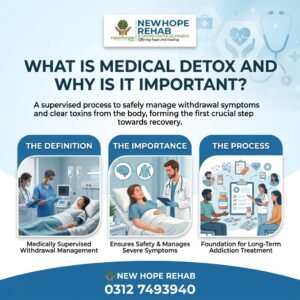
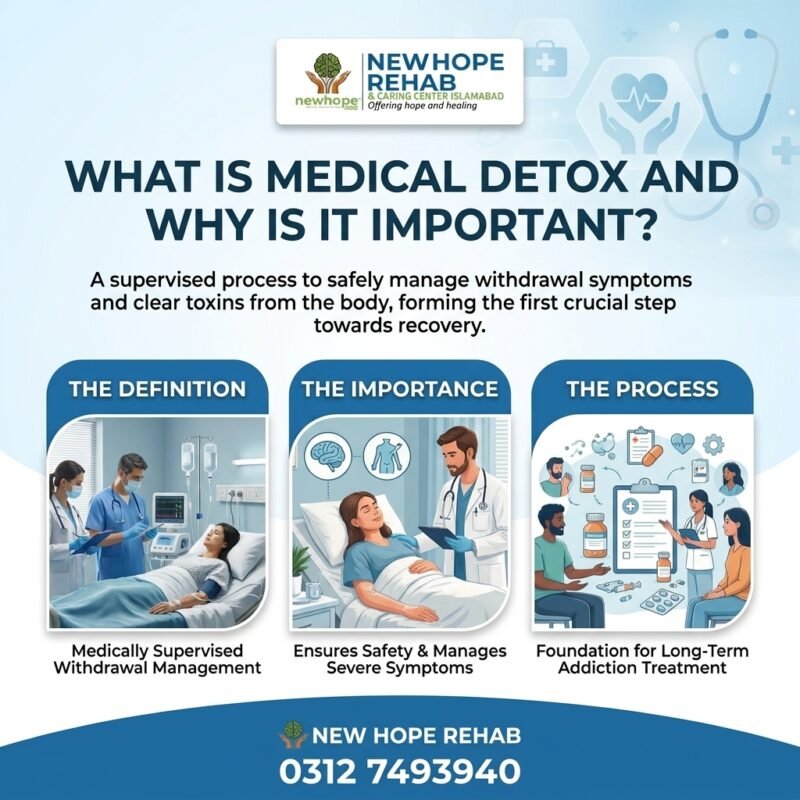
Rapid detox generally refers to an accelerated approach to withdrawal management. In some settings, medications may be used to accelerate the onset of opioid withdrawal while the patient is medically monitored.
The exact meaning of “rapid detox” varies between treatment providers. Patients should therefore ask specifically:
- Which substance is being treated?
- What medications are used?
- Who supervises the procedure?
- What level of medical monitoring is provided?
- What complications can occur?
- What treatment is provided after detox?
The goal should not simply be to complete withdrawal quickly. Safe and appropriate treatment should also address the individual’s longer-term recovery needs.
Who May Need Detoxification?
Detoxification may be considered for people who have developed physical dependence on substances such as:
- Heroin
- Prescription opioids
- Other opioids
- Alcohol
- Benzodiazepines
- Certain other drugs
The safest approach depends on the substance and the person’s medical and psychological condition.
Not every person who uses drugs requires a rapid detox procedure. A healthcare professional should determine the appropriate level and type of withdrawal management.
Rapid Opioid Detoxification
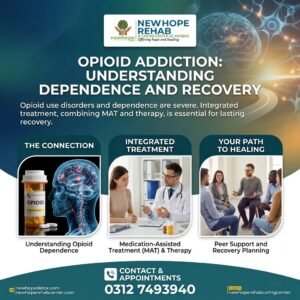
Rapid detox has historically been associated with opioid dependence. Some accelerated approaches use an opioid antagonist, such as naltrexone, to rapidly block opioid receptors.
This can cause withdrawal to begin quickly and potentially intensify symptoms. Because of this, appropriate medical supervision and careful patient selection are essential.
Rapid opioid detox should not be considered a simple shortcut to recovery. Evidence and clinical guidance have raised concerns about the risks and limited long-term advantages of some accelerated detox approaches compared with established opioid withdrawal treatments.
Risks of Rapid Detox

Rapid withdrawal can place considerable stress on the body. Potential complications may include:
- Severe withdrawal symptoms
- Dehydration
- Vomiting or diarrhea
- Changes in blood pressure or heart rate
- Aspiration
- Electrolyte disturbances
- Psychological distress
- Complications related to anesthesia or sedation, when used
The risk profile depends on the specific procedure, medications, patient health, and level of monitoring.
For this reason, people should not attempt to reproduce rapid detox procedures outside a properly equipped medical setting.
Medical Assessment Before Detox
Before considering any accelerated detoxification procedure, a healthcare professional should evaluate the person’s overall condition.
Assessment may include:
- Substance-use history
- Amount and frequency of use
- Last substance use
- Previous withdrawal experiences
- Physical health
- Heart and respiratory health
- Current medications
- Other substances being used
- Mental health
- Previous addiction treatment
- Current opioid tolerance, when applicable
This information helps determine whether detoxification is appropriate and what level of medical supervision may be required.
Rapid Detox Is Not the Same as Addiction Treatment
One of the most important things to understand is that detoxification does not by itself treat addiction.
After withdrawal, individuals may still experience:
- Cravings
- Psychological dependence
- Substance-use triggers
- Stress
- Relationship difficulties
- Mental health symptoms
- Relapse risk
Long-term treatment may include counseling, behavioral therapy, medication-assisted treatment when appropriate, family support, relapse prevention, and continuing care.
Treatment After Rapid Detox
A recovery plan should begin before or during detox rather than waiting until withdrawal has ended.
Depending on the individual’s needs, continuing treatment may involve:
Counseling
Therapy can help individuals understand the factors contributing to substance use and develop healthier coping strategies.
Behavioral Treatment
Behavioral approaches can help identify triggers, manage cravings, and change patterns associated with substance use.
Medication
For certain substance-use disorders, evidence-based medications may be appropriate. A qualified clinician can assess whether medication is suitable.
Relapse Prevention
Patients can develop a personalized plan for recognizing warning signs, avoiding high-risk situations, and seeking help when cravings increase.
Family Support
Education and counseling can help families understand addiction and provide constructive support while maintaining appropriate boundaries.
Rapid Detox and Opioid Overdose Risk
After opioid detoxification, tolerance can decrease. If a person returns to a previously used opioid dose, the risk of overdose may be higher because the body may no longer tolerate the previous amount.
This makes continuing treatment and overdose-prevention education particularly important after opioid detox.
People prescribed or using opioids should discuss overdose-prevention measures with a qualified healthcare professional.
Rapid Detox and Mental Health
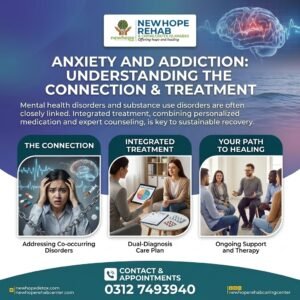
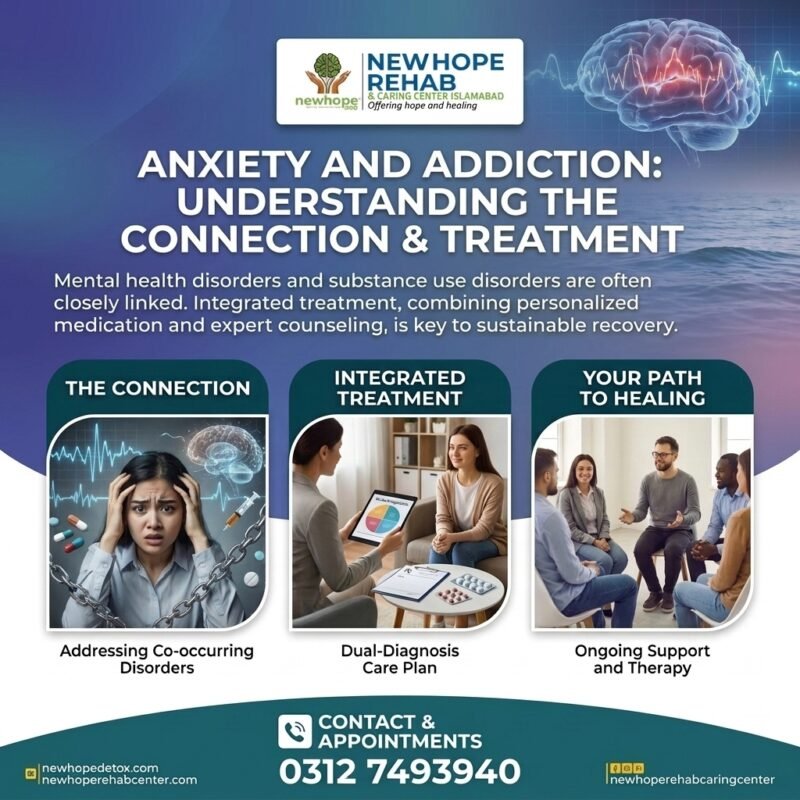
Addiction can occur alongside depression, anxiety, trauma-related conditions, or other mental health problems.
Mental health assessment is important when someone undergoing detox experiences:
- Severe depression
- Extreme anxiety
- Psychosis
- Suicidal thoughts
- Severe agitation
- Significant changes in behavior
When substance use and mental health conditions occur together, professionals may refer to this as a dual diagnosis or co-occurring disorder. Treatment should consider both conditions when appropriate.
How to Choose a Rapid Detox Treatment Centre
If you are considering Rapid Detox Treatment in Islamabad, ask the treatment provider detailed questions before making a decision.
Important questions include:
- Is a physician involved in the assessment?
- What type of detox procedure is being offered?
- What medications are used?
- Is continuous medical monitoring available when required?
- What happens if complications occur?
- Is emergency equipment available?
- Are mental health concerns assessed?
- What treatment is provided after detox?
- Is relapse prevention included?
- Is continuing addiction treatment available?
A reputable treatment provider should explain both potential benefits and risks rather than presenting rapid detox as a guaranteed or instant cure.
Rapid Detox Treatment at New Hope Rehab and Caring Centre Islamabad
New Hope Rehab and Caring Centre Islamabad provides structured addiction and mental health support for individuals and families seeking professional treatment.
Treatment planning can be based on the individual’s substance-use history, physical health, mental health, withdrawal risk, and recovery requirements. Depending on clinical needs, care may include assessment, withdrawal management, counseling, psychological support, family involvement, relapse prevention, and continuing treatment.
Anyone considering rapid detox should first receive a professional medical assessment to determine whether the approach is appropriate and what safer alternatives may be available.
Frequently Asked Questions
1. What is rapid detox treatment?
Rapid detox generally describes an accelerated approach to withdrawal management, particularly in some opioid-treatment settings. The exact procedure varies, so patients should ask the provider what medications and techniques are being used.
2. Is rapid detox safe for everyone?
No. Suitability depends on the substance involved, medical history, mental health, medications, and other factors. Some rapid detox procedures can carry significant risks and require specialized medical supervision.
3. Does rapid detox cure addiction?
No. Detox addresses withdrawal and physical dependence but does not by itself treat the behavioral, psychological, and social aspects of addiction. Continuing treatment is often necessary.
4. Can rapid detox be done at home?
Rapid detox procedures should not be attempted at home. Some withdrawal syndromes can be medically dangerous, and accelerated procedures may require specialized monitoring and emergency medical capabilities.
5. What happens after detox?
After detox, individuals may benefit from ongoing addiction treatment such as counseling, behavioral therapy, appropriate medication, family support, relapse prevention, and aftercare.
Conclusion
Rapid Detox Treatment may refer to accelerated approaches to managing withdrawal, particularly for opioid dependence. However, completing detox quickly does not necessarily produce better long-term recovery, and some rapid detox procedures can involve significant medical risks.
The safest approach is to begin with a qualified professional assessment and choose withdrawal management based on the individual’s substance use, physical health, mental health, and recovery needs. Detox should be followed by appropriate addiction treatment and relapse-prevention support.
If you or someone you care about is considering rapid detoxification, seek professional medical advice before stopping or changing substance use. New Hope Rehab and Caring Centre Islamabad provides structured addiction and mental health support for individuals and families seeking professional care.