+92 312 7493940

Rapid Detox Treatment – Rapid Detox Treatment in Islamabad, Pakistan

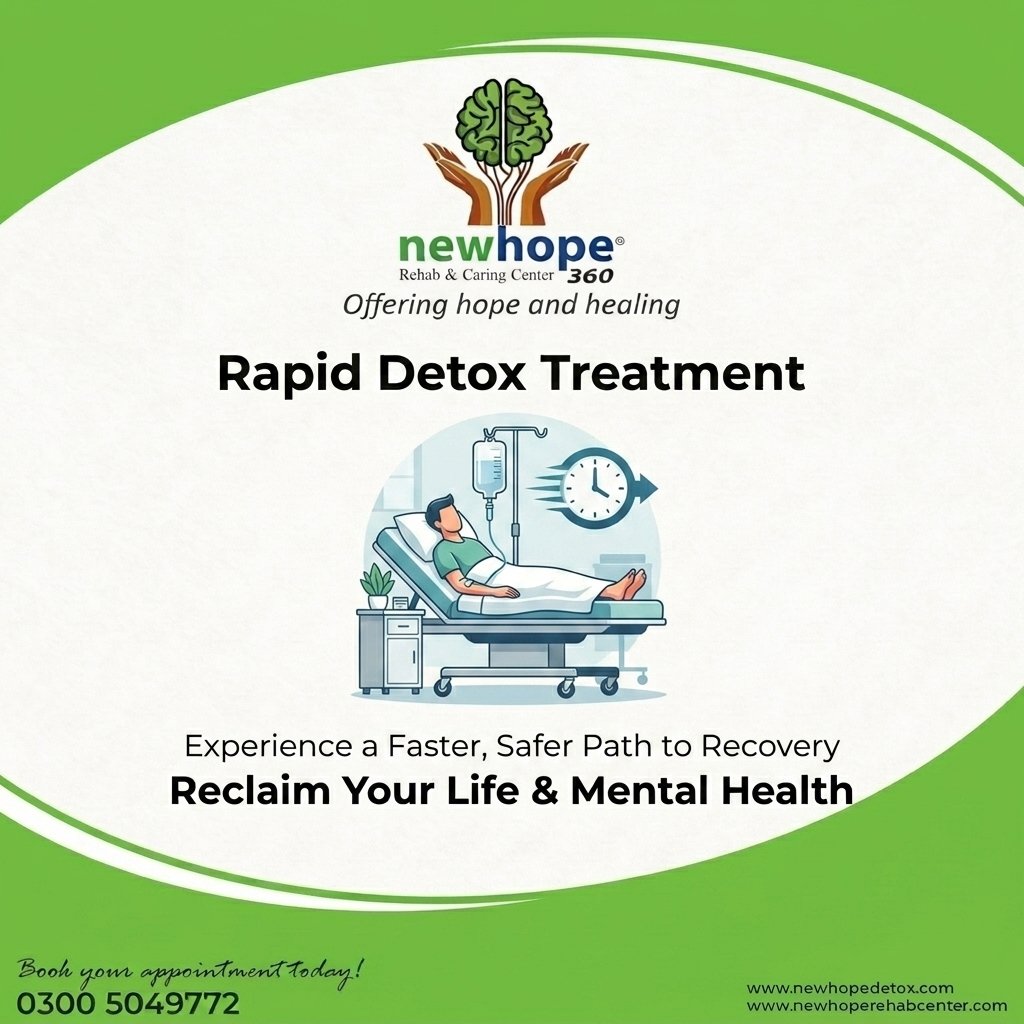
Rapid detox treatment is a term used to describe approaches intended to shorten the period of acute withdrawal from certain substances. The concept is often discussed in connection with opioid dependence, where withdrawal can be physically and emotionally difficult. However, detoxification is only one stage of addiction treatment, and speeding up withdrawal does not by itself treat the underlying substance use disorder.

For individuals searching for Rapid Detox Treatment in Islamabad, Pakistan, it is important to understand that detox should be based on medical assessment rather than speed alone. At New Hope Rehab and Caring Centre Islamabad, treatment planning should consider the person’s substance use history, physical health, mental health, withdrawal risks, and longer-term recovery needs.

What Is Rapid Detox Treatment?

Rapid detox generally refers to medically supervised methods intended to accelerate aspects of the withdrawal process. Some approaches involve medications that rapidly displace opioids from their receptors, potentially causing or intensifying withdrawal.

Because different substances require different approaches, there is no single rapid detox method suitable for everyone. The term should not be confused with a complete addiction treatment program.

A safe detox plan should begin with a professional assessment and appropriate medical monitoring.

Why Detoxification Requires Medical Care

Withdrawal can range from mild discomfort to serious medical complications, depending on the substance involved and the individual’s health.

Opioid withdrawal can cause symptoms such as:

  • Muscle aches
  • Sweating
  • Restlessness
  • Anxiety
  • Nausea
  • Vomiting
  • Diarrhea
  • Sleep difficulties
  • Strong cravings

Alcohol and certain sedative medications can produce potentially dangerous withdrawal syndromes, including seizures or severe confusion. These substances require particular caution and may require medically supervised withdrawal management.

Is Rapid Detox Appropriate for Everyone?

No. Rapid detox is not automatically safer or more effective simply because the withdrawal period may be shorter.

Suitability depends on factors such as:

  • The substance being used
  • Level of physical dependence
  • Duration and pattern of use
  • Medical history
  • Mental health status
  • Previous withdrawal experiences
  • Other medications or substances being used
  • Risk of complications

A qualified healthcare professional should determine whether any accelerated detox approach is appropriate.

Assessment Before Detox

A comprehensive assessment is an important first step. Healthcare professionals may review:

  • Substance use history
  • Current medications
  • Physical health
  • Mental health
  • Previous treatment
  • Previous withdrawal symptoms
  • Family and social circumstances

This information helps determine whether outpatient, residential, or medically supervised care is most appropriate.

Rapid Detox and Opioid Addiction
Rapid or accelerated withdrawal approaches are sometimes discussed in relation to heroin, prescription opioids, and other opioid drugs. However, opioid withdrawal management and long-term opioid use disorder treatment are separate considerations.

Evidence-based treatment for opioid use disorder may include medications such as buprenorphine or methadone, alongside counseling and recovery support when clinically appropriate. These treatments can help reduce cravings and withdrawal and may be continued as part of longer-term care.

The choice of treatment should be made by qualified clinicians according to individual circumstances.

Detox Is Not the Same as Addiction Treatment

One of the most important points about rapid detox is that completing withdrawal does not automatically resolve addiction.

Addiction involves behavioral, psychological, social, and neurological factors that may continue after substances leave the body.

A comprehensive recovery plan may include:

Individual Counseling

Counseling can help individuals understand triggers, emotional challenges, and behaviors associated with substance use.

Behavioral Therapy

Evidence-based therapies can help people develop healthier coping strategies and manage cravings.

Family Support

Family education and counseling can improve communication and provide a healthier support system during recovery.

Relapse Prevention

Individuals can learn to identify high-risk situations and develop practical strategies for maintaining recovery.

Aftercare

Continued counseling, follow-up care, and appropriate support can help individuals maintain progress after the initial treatment phase.

Potential Risks and Considerations

Accelerating opioid withdrawal can be physically and psychologically challenging. Rapid changes in opioid tolerance can also create an important overdose concern if a person returns to previous opioid doses after detox.

After a period of abstinence, tolerance may decrease. Taking an amount previously tolerated can therefore cause serious or fatal respiratory depression.

For this reason, overdose prevention and continuing treatment should be part of any responsible opioid recovery plan.

A Personalized Approach to Recovery

At New Hope Rehab and Caring Centre Islamabad, addiction treatment should be based on individual needs rather than a one-size-fits-all approach. Detoxification may be an initial step, but recovery often requires continued psychological support, behavioral treatment, family involvement, and relapse prevention.

Individuals and families should be encouraged to ask healthcare professionals about the purpose, benefits, limitations, and risks of any proposed detoxification method.

Frequently Asked Questions (FAQs)

1. What is rapid detox treatment?

Rapid detox treatment refers to medical approaches intended to accelerate aspects of withdrawal, most commonly discussed in relation to opioid dependence. It is not a complete treatment for addiction.

2. Is rapid detox safe?

Safety depends on the individual’s health, the substance involved, the method used, and the level of medical supervision. Some accelerated withdrawal methods carry significant risks and should only be considered after professional assessment.

3. Does rapid detox cure addiction?

No. Detox addresses physical withdrawal but does not by itself treat the psychological, behavioral, and social aspects of addiction. Continuing treatment is often necessary.

4. Can rapid detox be used for alcohol addiction?

Rapid detox approaches are not a general solution for alcohol withdrawal. Alcohol withdrawal can become medically dangerous and may require medically supervised withdrawal management.

5. What happens after detox?

After detox, a person may benefit from ongoing addiction treatment such as counseling, behavioral therapy, medication when clinically appropriate, family support, relapse prevention, and aftercare.

Conclusion

Rapid detox treatment can refer to specialized approaches designed to accelerate aspects of withdrawal, particularly in the context of opioid dependence. However, faster withdrawal should not be confused with safer or more complete recovery. Careful assessment, appropriate medical supervision, and continued addiction treatment remain essential.

For people considering Rapid Detox Treatment in Islamabad, Pakistan, New Hope Rehab and Caring Centre Islamabad can provide a treatment setting where individual health, withdrawal risk, mental health, and long-term recovery needs are considered. A responsible recovery plan focuses not only on detoxification but also on the ongoing support needed to build and maintain a healthier life.

Related Article

Mental Health Rehabilitation Center in Islamabad: Understanding Care, Recovery, and Support
Mental Health Rehab

Mental Health Rehabilitation Center in Islamabad: Understanding Care, Recovery, and Support

Mental health can influence how a person thinks, feels, behaves, and manages everyday responsibilities. Conditions such as depression, anxiety, bipolar disorder, trauma-related difficulties, and other mental health concerns may affect relationships, education, employment, and overall quality of life. When symptoms become difficult to manage without professional support, structured mental health care can provide an important pathway toward stability and recovery. A Mental Health Rehabilitation Center in Islamabad may provide a supportive environment where individuals can receive professional assessment, therapeutic guidance, behavioral support, and help developing practical coping strategies. Mental health rehabilitation is not simply about managing symptoms; it can also focus on helping individuals regain confidence, improve daily functioning, and build sustainable routines. What Is a Mental Health Rehabilitation Center in Islamabad? A Mental Health Rehabilitation Center in Islamabad is a facility designed to support people experiencing psychological, emotional, behavioral, or psychiatric difficulties. Depending on the individual’s needs, care may involve psychological assessment, counseling, psychiatric consultation, therapy, family involvement, and structured rehabilitation activities. Mental health rehabilitation should be individualized because every person’s circumstances are different. A treatment approach that works for one individual may not be appropriate for another. Professional assessment helps determine the type and level of support required. The goal is generally to create a safe and respectful environment where individuals can understand their challenges and work toward improved functioning. Mental Health Conditions That May Require Rehabilitation Mental health rehabilitation can be relevant to a wide range of conditions. Some commonly encountered concerns include: Depression and persistent low mood Anxiety and excessive worry Bipolar disorder Trauma-related psychological difficulties Severe stress and emotional distress Behavioral concerns Sleep-related difficulties associated with mental health conditions Co-occurring mental health and substance-use concerns Symptoms can vary significantly between individuals. Changes in sleep, appetite, concentration, motivation, social interaction, mood, or behavior may indicate that professional evaluation could be beneficial. A qualified mental health professional can help determine whether rehabilitation, outpatient therapy, psychiatric treatment, or another form of care is appropriate. Mental Health Rehabilitation Center in Islamabad: What Services May Include A comprehensive Mental Health Rehabilitation Center in Islamabad may offer different forms of support depending on its clinical resources and the individual’s needs. Psychological Assessment and Evaluation Assessment is often an important first step. Mental health professionals may discuss symptoms, personal history, family circumstances, behavior patterns, and daily functioning. This information can help establish an appropriate care plan. Counseling and Psychotherapy Counseling and psychotherapy can help individuals understand thoughts, emotions, behaviors, and coping patterns. Different therapeutic approaches may be considered depending on the person’s condition and treatment goals. Therapy can address issues such as emotional regulation, anxiety management, relationship difficulties, negative thought patterns, trauma, and stress. Psychiatric Support Some mental health conditions may require psychiatric assessment and medication management. Medication decisions should be made by appropriately qualified healthcare professionals after considering the individual’s symptoms, medical history, and other relevant factors. Behavioral and Daily-Living Support Rehabilitation may also focus on practical skills. Establishing healthy routines, improving communication, managing stress, maintaining personal responsibilities, and developing coping mechanisms can contribute to long-term mental health management. Why Family Support Matters in Mental Health Rehabilitation Mental health challenges rarely affect only one person. Family members may also experience confusion, concern, stress, or difficulty understanding changes in behavior. Family education can help relatives recognize symptoms and communicate more effectively. Supportive family involvement may also encourage treatment participation and provide stability outside the rehabilitation setting. However, family involvement should respect the individual’s privacy, dignity, and clinical circumstances. Choosing Mental Health Care in Islamabad When looking for a Mental Health Rehabilitation Center in Islamabad, families should consider several practical factors rather than relying solely on promotional claims. Look for qualified mental health professionals, clearly explained treatment approaches, appropriate privacy standards, and individualized care planning. It is also useful to understand whether the center provides psychiatric services, psychological therapy, rehabilitation support, family counseling, or referrals when specialized care is required. People should also ask about emergency procedures and how the center responds if someone’s condition becomes more serious. The quality of communication is important as well. Individuals seeking mental health support should feel respected, listened to, and treated without unnecessary judgment. Mental Health Rehabilitation at New Hope Rehab and Caring Centre Islamabad New Hope Rehab and Caring Centre Islamabad recognizes that mental health support should be approached with dignity, patience, confidentiality, and professional care. Mental health rehabilitation can involve multiple components, including assessment, counseling, behavioral support, family guidance, and ongoing monitoring according to individual needs. Rather than viewing mental health recovery as a single event, rehabilitation can be understood as a gradual process. Progress may involve learning coping strategies, improving daily routines, strengthening social support, and developing better ways to manage emotional or psychological challenges. Individuals and families should seek appropriate professional evaluation before deciding which treatment pathway is suitable. Frequently Asked Questions 1. What does a Mental Health Rehabilitation Center in Islamabad do? A mental health rehabilitation center may provide assessment, counseling, psychotherapy, psychiatric support, behavioral guidance, and rehabilitation services for people experiencing mental health difficulties. 2. Who may benefit from mental health rehabilitation? People experiencing persistent emotional, psychological, behavioral, or psychiatric difficulties may benefit from professional assessment. The appropriate level of care depends on the individual’s symptoms and circumstances. 3. Is psychiatric treatment always required? No. Treatment depends on the individual’s condition. Some people may benefit primarily from psychotherapy or counseling, while others may require psychiatric assessment, medication, or a combination of approaches. 4. Can families participate in mental health rehabilitation? Family participation may be helpful when appropriate and with consideration for the individual’s privacy. Family education and supportive communication can help relatives better understand mental health challenges. 5. How long does mental health rehabilitation take? There is no universal treatment duration. It depends on the individual’s condition, treatment goals, response to care, support system, and clinical recommendations. A qualified professional can provide more appropriate guidance after assessment. Conclusion Finding a suitable Mental Health Rehabilitation Center in Islamabad can be an important step for individuals and families seeking professional mental

VIP Rehabilitation Centre for Detoxification: Safe, Private and Professional Addiction Care
VIP Rehabilitation Centre for Detoxification

VIP Rehabilitation Centre for Detoxification: Safe, Private and Professional Addiction Care

Picking a VIP Rehabilitation Centre for Detoxification is between the essential alternatives that individuals can make while may hold up in an atmosphere where they look to a segregated environment from substance abuse and having some new formed close by assorted declarations of genuine motor working against their addiction. Detoxification is typically the initial step in drug addiction treatment but should be performed under careful monitoring as withdrawal can, at times, occur with great physical or psychologic importance. A more professional detox program offers assessment, monitoring, and supportive care as well as a pathway to continued addiction treatment. Similarly, those who want a more discreet treatment environment may place high appeal on privacy and comfort. New Hope Rehab and Caring Centre Islamabad are a clinically managed environment that aids individuals and families in addiction cases along with other mental health issues. What Is Detoxification? Detoxification — or detox as it is more commonly known — is the process of letting the body flush out a substance while also controlling withdrawal symptoms and keeping you safe. Detox is suitable for those who are physically dependent on alcohol, opioids, benzodiazepines or other drugs. However, the amount of medical supervision needed is based on the drug, length of time used, dose taken, past withdrawal results and health problems. Detoxing does not equal full addiction care. Once you are through withdrawal, you might see benefits from therapy, behavioral therapy, psychiatric treatment or counseling for additionally support in preserving your sobriety or skills needed to prevent a relapse. What is a VIP Rehabilitation Centre for Detoxification? VIP rehabilitation is usually referred to as a treatment with more focus on privacy, comfort, individual care in an exclusive place. These aspects can also facilitate in focusing on treatment, so that the individual and/or family do not have unnecessary distractions from getting better. Some questions to consider while evaluating a VIP rehabilitation program are? Private or discreet treatment arrangements Individualized care planning Comfortable accommodation Personalized attention Professional medical support Psychological counseling Family support Confidential handling of patient information Continuing-care planning Comfort and private would remain the only thing that should give breath to the clinical care not replace it. When selecting a rehabilitation facility, safety and quality of care should be the primary concern. Medical Assessment Before Detox An appropriate evaluation is an essential component of safe detoxification. Healthcare professionals may review: Substance-use history Amount and frequency of use Previous withdrawal experiences Physical health Mental health Current medications Other substances being used Existing medical conditions Immediate safety concerns The evaluation determines if detox with observation is required and what level may be appropriate. On a bigger picture individuals ought to be particularly conscious about seeking to prevent alcohol, benzodiazepines or other substances with possibly severe dependence following extended heavy use because withdrawal can become medically serious. Common withdrawal signs of alcohol and drugs Withdrawal symptoms tend to be specific to particular substances and individuals. Possible symptoms include: Anxiety Irritability Sweating Tremors Nausea Headaches Muscle aches Fatigue Sleep difficulties Changes in appetite Strong cravings Mood changes These include seizures, hallucinations, severe disorientation, shortness of breath/chest pain and deterioration in the level of consciousness–all requiring urgent medical attention. A proper detox program should have the correct protocols when it comes to identifying and treating complications. Alcohol Detoxification Particularly, attention should be paid for alcohol withdrawal as it can potentially become life-threatening. A person with such a high dependence on alcohol may have symptoms upon cessation or reduction of alcohol from mild anxiety and tremors to seizures or delirium at the worst. Such medical evaluation can ascertain the suitable level of withdrawal management. Such a VIP rehabilitation center for detoxification must therefore focus more on qualified medical supervision and appropriate emergency procedures instead of treating detox as mere rest or lockdown periods. Drug Detoxification Withdrawal patterns for various drugs differ. Opioids Symptoms include muscle aches, sweating, nausea and diarrhea as well as anxiety, insomnia and an almost insatiable craving. While opioid withdrawal is rarely fatal alone, medical assistance can help with symptoms as well as overdose and relapse threatening behaviours. Benzodiazepines Withdrawal from benzodiazepines can be medically serious expedited after long-term and/or high-dose use. Do not stop it suddenly, unless this is advised by your doctor. Stimulants As someone who has been doing meth, quitting can either be a blessing or a curse; you will usually end up experiencing signs of fatigue, sleeping more than usual, feeling low and irritated in general with increasing cravings as well as appetite. How best to approach this would depend on the history of their health and substance-use. Psychological Support During Detox Detox is not just a physically detoxed-process. Upon withdrawal, some suffer from anxiety, depression, irritability, emotional distress or severe cravings. Psychological support can help understand what they are going through and prepare for the next phase of recovery. Other types of treatment include: Counseling and other behavioral therapies to help with the underlying causes of substance use, as well as develop more effective coping mechanisms. Mental Health Care and Dual Diagnoses People who go through detox may also have comorbid depression, anxiety, trauma, or other types of mental health issues. You can find an expert for assessment if you: Use a professional can assess and develop a treatment plan that focuses on both issues when addiction and mental health problems are present. Thus, a more complete rehabilitation program may involve psychological assessment and therefore the appropriate related care along with addiction services. Support from Family During Detox and Rehabilitation Even though it has had a widespread impact on families. Family may fear just how bad withdrawal will be, what the likelihood is of relapse and they may catastrophize about health issues as well, and wonder what they can do. Family education and counseling can assist loved ones in understanding addiction and setting up boundaries for healthier communication. The role of family members in supporting the recovery process is as follows: Encouraging professional care Learning about addiction and withdrawal Supporting healthy routines Maintaining

Drug Addiction Treatment Centre: Treatment, Recovery and Professional Support
Addiction Treatment Center

Drug Addiction Treatment Centre: Treatment, Recovery and Professional Support

A Drug Addiction Treatment Centre can provide structured professional care for individuals struggling with substance use and for families looking for guidance. Drug addiction can affect physical health, mental well-being, relationships, employment, education, finances, and everyday life. Addiction is a complex health condition. People may continue using drugs even when they understand the harmful consequences. With appropriate professional support, individuals can work toward reducing or stopping harmful substance use and developing healthier coping strategies. New Hope Rehab and Caring Centre Islamabad provides structured support for individuals and families affected by addiction and related mental health concerns. What Is a Drug Addiction Treatment Centre? A drug addiction treatment centre is a facility that provides services designed to help people address problematic drug use. Depending on individual needs, treatment may include medical assessment, withdrawal management, counseling, behavioral therapy, psychological support, family involvement, and relapse prevention. Treatment can vary according to: Type of substance being used Severity and duration of substance use Physical health Mental health Previous treatment history Withdrawal risks Family and social circumstances An individualized approach can help ensure that treatment is appropriate for the person’s specific situation. Common Signs of Drug Addiction Recognizing addiction can help individuals and families seek support earlier. Possible signs include: Strong cravings for drugs Increasing tolerance Difficulty controlling drug use Withdrawal symptoms after stopping Neglecting work, education, or family responsibilities Changes in mood or behavior Financial or relationship difficulties Spending significant time obtaining or using drugs Continuing drug use despite harmful consequences Repeated unsuccessful attempts to quit Not every sign necessarily means a person has an addiction. A qualified professional can provide an appropriate assessment. Why Professional Drug Addiction Treatment Is Important Addiction can involve changes in brain function, behavior, emotional regulation, and decision-making. Attempting to manage severe addiction without professional support may be difficult and, depending on the substance, potentially unsafe. Professional treatment can provide: Structured recovery planning Medical assessment Withdrawal monitoring when needed Psychological support Behavioral therapy Family education Relapse-prevention planning Continuing care The goal is not simply to stop drug use temporarily but to address the factors that can contribute to continued substance use. Drug Detoxification and Withdrawal Management Detoxification may be an early part of treatment for some individuals. It focuses on helping the body adjust after drug use stops while managing withdrawal symptoms. Withdrawal varies according to the substance and the individual’s physical health. Symptoms can include: Anxiety Irritability Sleep disturbances Fatigue Nausea Sweating Muscle aches Changes in appetite Strong cravings Some substances can produce serious withdrawal complications. Alcohol and certain sedative drugs, for example, can cause potentially dangerous withdrawal symptoms. Medical assessment is important before stopping substances after prolonged or heavy use. Detox should not be confused with complete addiction treatment. Ongoing psychological and behavioral care may be necessary after withdrawal management. Counseling and Behavioral Therapy Counseling is an important part of many drug addiction treatment programs. It can help individuals understand their substance-use patterns and develop healthier responses to stress and triggers. Therapy may focus on: Identifying Triggers Individuals can learn to recognize people, places, emotions, and situations that increase the urge to use drugs. Managing Cravings Counseling can provide practical strategies for responding to cravings without returning to substance use. Changing Unhelpful Thought Patterns Cognitive behavioral approaches can help individuals recognize thoughts and behaviors that contribute to substance use and develop healthier alternatives. Building Recovery Skills Treatment can support better decision-making, emotional regulation, communication, stress management, and daily routines. Mental Health and Dual Diagnosis Treatment Drug addiction can occur alongside mental health conditions such as depression, anxiety, trauma-related symptoms, or other psychological difficulties. When substance use and mental health problems occur together, professionals may refer to this as a dual diagnosis or co-occurring disorder. A comprehensive treatment plan should assess mental health and address relevant psychological concerns alongside addiction. This can help provide more coordinated and individualized care. Family Support in Addiction Recovery Addiction affects more than the person using drugs. Families may experience emotional stress, conflict, financial problems, and uncertainty about how to respond. Family involvement can provide education about addiction and help relatives develop healthier communication and boundaries. Families may learn how to: Encourage professional treatment Communicate calmly Avoid enabling harmful substance use Establish healthy boundaries Support positive routines Recognize possible relapse warning signs Seek professional guidance during difficult situations Family members should also take care of their own emotional health. Relapse Prevention and Aftercare Recovery is an ongoing process. Returning to familiar environments, stressful situations, or previous social circles can sometimes increase the risk of returning to substance use. A relapse-prevention plan may include: Identifying personal triggers Continuing counseling Developing healthy routines Building supportive relationships Avoiding high-risk situations Practicing stress-management skills Attending follow-up appointments Seeking help early when difficulties appear If substance use returns, professional reassessment can help determine whether the treatment plan needs to be modified or strengthened. How to Choose a Drug Addiction Treatment Centre When searching for a Drug Addiction Treatment Centre, consider the quality, safety, and scope of services rather than relying on claims of guaranteed recovery. Useful questions include: Are qualified medical professionals involved? Is a complete assessment performed? How are withdrawal symptoms managed? Are counseling and behavioral therapies available? Is mental health assessed? Is family support included? Is relapse prevention part of treatment? Is continuing care available? How are medical or psychiatric emergencies handled? A suitable treatment centre should provide care based on the individual’s needs rather than applying exactly the same program to every patient. Drug Addiction Treatment at New Hope Rehab and Caring Centre Islamabad New Hope Rehab and Caring Centre Islamabad provides structured support for individuals and families dealing with addiction and related mental health concerns. Treatment planning can consider the person’s substance-use history, physical health, psychological needs, family circumstances, and recovery requirements. Depending on individual needs, care may involve counseling, behavioral support, mental health services, family involvement, and relapse-prevention planning. Seeking professional help can give individuals and families a clearer understanding of available treatment options and appropriate next steps. Frequently Asked Questions 1.

Ice Treatment Center Islamabad: Treatment, Recovery and Support for Ice Addiction
Ice Treatment Center

Ice Treatment Center Islamabad: Treatment, Recovery and Support for Ice Addiction

A finding a good Ice Treatment Center Islamabad is one of the important parts for ice or crystal meth addiction. Ice (or crystal methamphetamine), when released into the brain is a powerful stimulant drug which, with continued use, may seriously impact the mind and body, as well as emotions, behaviors and everyday life. Frequent use may result in cravings, tolerance, sleep disturbances, mood changes, and lack of self-control over substances. Through professional treatment, the physiological as well as psychosocial aspects of addiction can be tackled. A structured supportive facility that assists individuals and families with addiction and other related mental health problems is found at New Hope Rehab and Caring Centre Islamabad. What Is Ice Addiction? Crystal methamphetamine, abbreviated to ‘ice’, is by far one of the most popular minds stimulating drugs that powerfully impacts the central nervous system. It can produce heightened alertness, energy, and euphoria; however, repeated use can lead to addiction or dependence. Ice addiction may result in individuals compulsively using it even if it harms their health. A drug user might realize their use causes problems, yet still struggle to quit. Common signs include: Strong cravings for ice Increasing tolerance Staying awake for extended periods Changes in appetite and weight Irritability or mood swings Neglecting work or family responsibilities Social withdrawal Financial or relationship problems Trying to stop for the millionth time, without success Repeated use in the face of physical or psychological issues Identifying this early may assist a family in acquiring the proper professional help. The Importance of Professional Ice Addiction Treatment Ice addiction can harm other parts of a person your overall health. Chronic use or heavy use may be linked to cardiovascular issues, sleep problems, eating disorders, dental issues, anxiety problems, paranoia, depression and psychotic symptoms. Treatment then needs to be more than just stop using drugs. An Ice Treatment Center Islamabad treatment plan for one person is not necessarily the best choice for another, and Ice Treatment program services at an Ice Commercial Rehabilitation Institute could consist of medical evaluation, detoxification, individual therapy, behavioral therapy, ancillary remedy staff members assistance, support from relatives and close buddies, relapse prevention preparing and community-based recovery assist. Assessment Before Ice Addiction Treatment An initial assessment can also assist professionals in identifying the circumstances of the individual prior to starting treatment. The assessment may consider: When to use and why you have used ice in the past Other substances being used Physical health Mental health symptoms Previous treatment attempts Current medications Withdrawal experiences Family and social environment Immediate safety concerns This information may assist in establishing an appropriate level of care. Ice Detox and Withdrawal Support For some, this can fall under a time period categorized as an stimulant clean or the withdrawal that happens soon after halting common methamphetamines usage. Possible symptoms include: Extreme tiredness Increased sleep Increased appetite Low mood Irritability Anxiety Difficulty concentrating Disturbed sleep Strong cravings The severity and the length of time may differ widely. Stimulant withdrawal does not typically require the same sort of medical detoxification used for alcohol or some sedative drugs, but proper supervision by professionals may still be beneficial. Emergency care is needed for extreme depression, suicidal ideation, psychosis, major agitation or other serious symptoms. Detox or withdrawal management is not a comprehensive treatment for addiction. It typically requires ongoing treatment for behavioral and psychological elements. Cognitive Behavioral Therapy for Ice Addiction Counseling can assist individuals in identifying these patterns which underlie ice use and learning how to strengthen their responses to triggers and adversity. Behavioral treatment may help individuals: Identify personal triggers Manage cravings Recognize unhealthy thought patterns Improve decision-making Develop stress-management skills Strengthen motivation for recovery Create strategies for high-risk situations When clinically indicated, cognitive behavioral approaches may also be incorporated into treatment. The First Step in Dual-Diagnosis Treatment – Mental Health Co-occurrence of ice use and mental health problems Each person might use substances in parallel with anxiety, depression, trauma symptoms, paranoia or psychotic symptoms. A dual diagnosis or co-occurring disorder is when two of these disorders occur at the same time; this can be addiction and a mental health condition. As a result, mental health assessment is an essential aspect of holistic addiction services. If co-occuring mental health and substance use disorders are present they should be treated simultaneously. Covert Family Support for Ice Dependency Look up the word: ICE ADDICTION and you will find that it not only involves all members of a family. They may experience stress and fear or have trouble communicating, worry about their finances or need guidance in knowing how to respond. Counseling programs can also focus on family members as addiction and recovery are known to have an impact on loved ones because nutrition when blackened out is not consumed in a sober state but part of the community event itself. Family members might be reminded to: Support professional treatment Communicate without unnecessary confrontation Establish appropriate boundaries Avoid enabling continued drug use Encourage healthy routines Learn about relapse warning signs Seek professional guidance during crises Also, families should take care of their emotional health. Relapse Prevention After Ice Treatment After the first phase of intoxication, it is followed by recovery. People have cravings triggered in high-stress situations, when exposed to certain places or people where they used drugs before, etc. A relapse-prevention plan may include: Identifying personal triggers Continuing counseling Maintaining healthy sleep routines Developing positive social connections Avoiding high-risk environments Practicing stress-management techniques Attending follow-up appointments Getting Support when the Warnings Turns Up Professional reassessment can help determine what other measures could be required if a person begins to use again. Selecting an Ice Treatment Center Islamabad Ice Treatment Center Islamabad Family’s needs to explore the services as well as professional support available. Important questions include: Do we provide a full evaluation of physical and emotional health? Does it begin with professional addiction and mental health staff? How is withdrawal monitored? Is behavioral therapy available? Do they evaluate for co-occurring mental health conditions? Is family