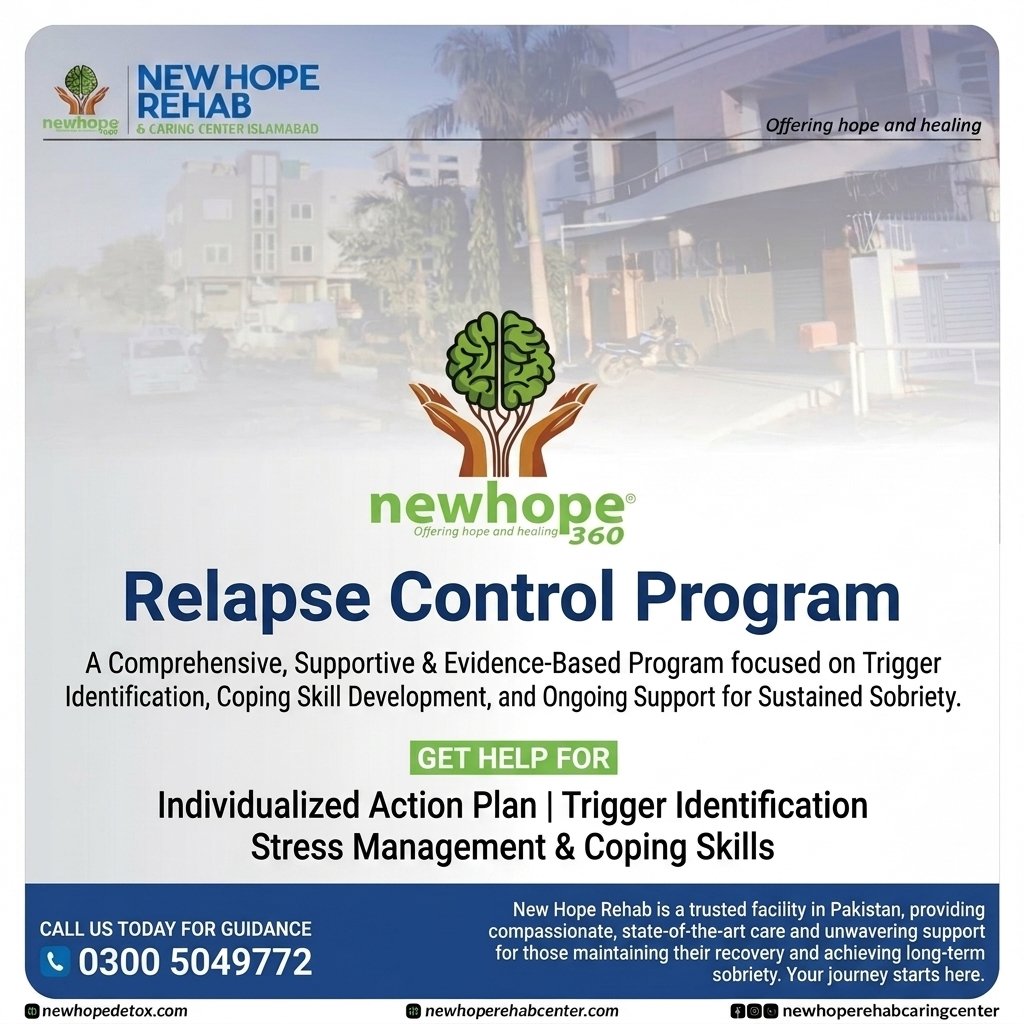
Recovery from addiction is an ongoing journey that extends beyond completing detoxification or rehabilitation. One of the most important aspects of long-term recovery is preventing relapse through continuous support, healthy lifestyle changes, and evidence-based therapeutic strategies. A structured relapse control program helps individuals identify potential triggers, strengthen coping skills, and maintain lasting sobriety while improving their overall quality of life.
For individuals seeking a Relapse Control Program in Islamabad, Pakistan, understanding the importance of relapse prevention is essential. At New Hope Rehab and Caring Centre Islamabad, relapse prevention is an integral part of every recovery plan, providing individuals with the knowledge, skills, and professional support needed to sustain long-term recovery.
What Is a Relapse Control Program?
A relapse control program is a structured treatment approach designed to help individuals maintain recovery after completing addiction treatment. Rather than focusing only on stopping substance use, relapse prevention teaches practical skills that help people recognize warning signs, manage stress, and respond to challenging situations without returning to drugs or alcohol.
Recovery is a continuous process, and ongoing support plays a significant role in reducing the likelihood of relapse.
Why Relapse Prevention Matters
Addiction changes both brain function and behavior. Even after completing treatment, certain situations, emotions, or environments may trigger cravings. A relapse control program helps individuals develop healthier responses before these challenges become overwhelming.
Benefits of relapse prevention include:
- Improved emotional resilience
- Better stress management
- Reduced risk of returning to substance use
- Greater confidence in recovery
- Stronger family and social relationships
- Improved mental and physical well-being
Common Relapse Triggers
Understanding personal triggers is one of the most effective ways to protect long-term recovery.
Common triggers include:
- Emotional stress
- Anxiety or depression
- Conflict within relationships
- Social pressure
- Isolation or loneliness
- Financial difficulties
- Returning to environments associated with past substance use
- Major life changes
Recognizing these situations early allows individuals to apply healthy coping strategies before cravings become difficult to manage.
Signs That May Indicate a Risk of Relapse
Relapse often develops gradually rather than occurring suddenly.
Possible warning signs include:
- Increased stress
- Mood swings
- Withdrawing from supportive relationships
- Missing counseling appointments
- Romanticizing past substance use
- Difficulty sleeping
- Reduced motivation
- Ignoring healthy routines
Early intervention during these stages can help prevent a return to substance use.
Components of an Effective Relapse Control Program
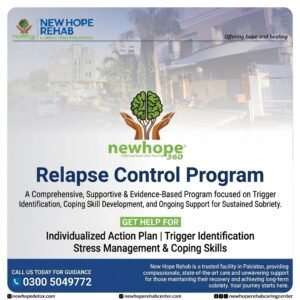
Individual Counseling
Personal counseling helps individuals understand their emotional triggers, develop coping skills, and strengthen motivation for long-term recovery.
Cognitive Behavioral Therapy (CBT)
CBT helps individuals recognize negative thought patterns that contribute to relapse while learning healthier ways to respond to difficult situations.
Group Therapy
Group therapy provides peer support, shared experiences, encouragement, and accountability throughout recovery.
Family Support Programs
Family involvement can strengthen communication, rebuild trust, and create a supportive home environment that encourages lasting recovery.
Lifestyle and Wellness Planning
Healthy habits play an important role in preventing relapse. Individuals are encouraged to:
- Maintain regular sleep patterns
- Eat balanced meals
- Exercise regularly
- Practice relaxation techniques
- Build positive daily routines
- Engage in meaningful activities and hobbies
The Role of Mental Health in Relapse Prevention
Many individuals recovering from addiction also experience mental health conditions such as:
- Anxiety disorders
- Depression
- Trauma-related disorders
- Chronic stress
Treating both addiction and mental health together improves emotional stability and supports sustainable recovery. Addressing these conditions through counseling and appropriate psychological care can significantly strengthen relapse prevention efforts.
Ongoing Recovery Support
Long-term recovery benefits from continued professional guidance even after formal rehabilitation has ended.
Ongoing support may include:
- Follow-up counseling sessions
- Recovery coaching
- Family education
- Support groups
- Periodic progress assessments
- Personalized relapse prevention planning
At New Hope Rehab and Caring Centre Islamabad, recovery plans are tailored to each individual’s unique needs, helping patients continue building healthy, substance-free lives.
Frequently Asked Questions (FAQs)
1. What is a relapse control program?
A relapse control program is a structured recovery plan that helps individuals maintain sobriety by identifying triggers, developing coping skills, and receiving ongoing professional support.
2. Does relapse mean treatment has failed?
No. Relapse can occur during recovery and should be viewed as a signal that additional assessment and support may be needed rather than as a failure.
3. Who can benefit from a relapse control program?
Anyone recovering from drug or alcohol addiction can benefit from relapse prevention, regardless of the stage of recovery.
4. Why is family involvement important?
Family support encourages healthy communication, provides emotional encouragement, and helps create a stable environment that supports long-term recovery.
5. How long should relapse prevention continue?
Relapse prevention is an ongoing process. Many individuals benefit from continuing counseling, support groups, and healthy lifestyle practices well after completing formal treatment.
Conclusion
Recovery from addiction does not end after detoxification or rehabilitation. Maintaining long-term sobriety requires continued commitment, healthy coping strategies, and professional support. A well-structured Relapse Control Program in Islamabad, Pakistan helps individuals recognize potential challenges, strengthen resilience, and confidently navigate life without returning to substance use.
At New Hope Rehab and Caring Centre Islamabad, relapse prevention is integrated into every stage of recovery through individualized counseling, evidence-based therapies, family support, and comprehensive aftercare planning. By focusing on sustainable recovery rather than short-term change, individuals can build healthier relationships, improve emotional well-being, and move forward toward a more stable and fulfilling future.