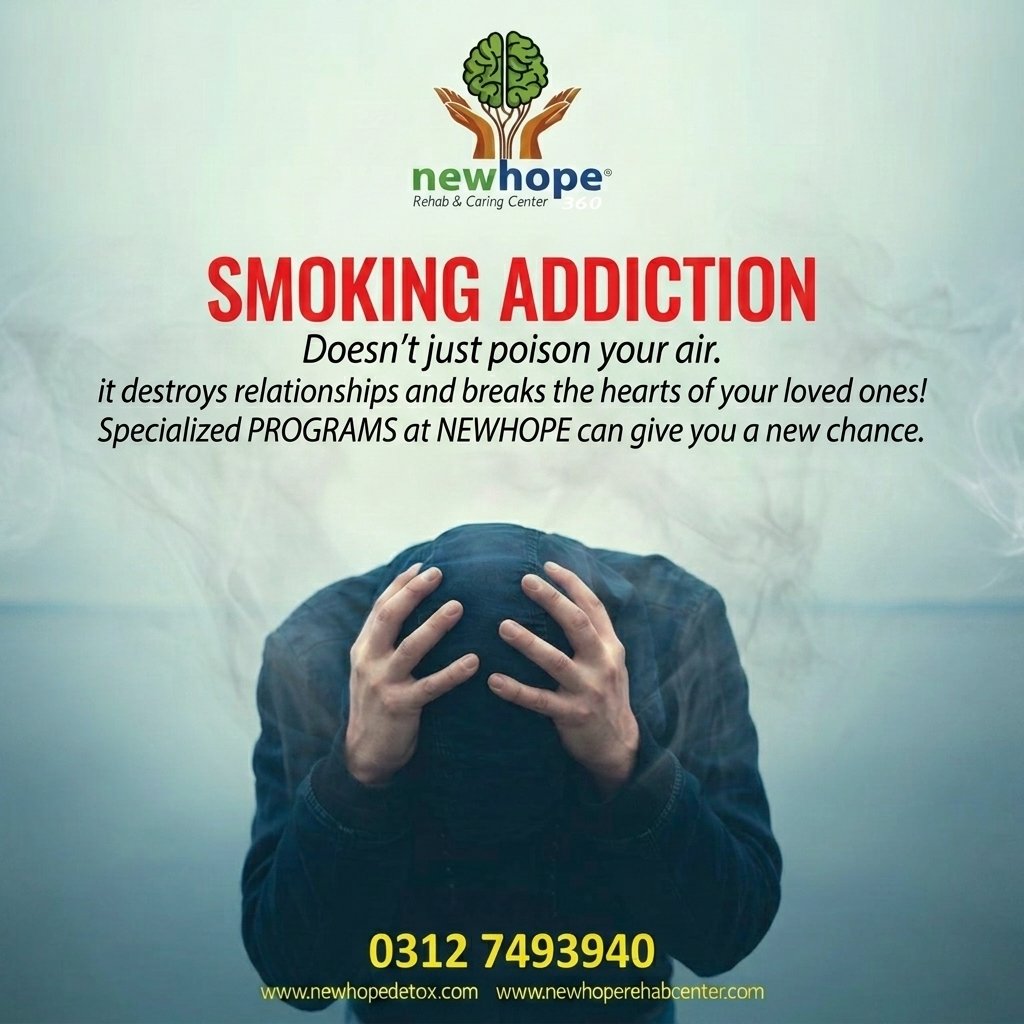
Smoking addiction is a common form of nicotine dependence that can affect physical health, emotional well-being, daily routines, and relationships. Although many people understand the health risks associated with smoking, stopping can be difficult because nicotine changes the brain’s reward system and can create strong cravings.
A structured Smoking Addiction Program in Islamabad, Pakistan can provide professional guidance, behavioral support, and practical strategies for people who want to reduce or stop smoking. At New Hope Rehab and Caring Centre Islamabad, treatment is approached with respect, privacy, and an understanding that every person’s relationship with nicotine is different.
What Is a Smoking Addiction Program?
A smoking addiction program is a structured approach designed to help individuals overcome nicotine dependence. It may combine assessment, counseling, behavioral strategies, education, and ongoing support.
Treatment doesn’t simply focus on avoiding cigarettes. It also addresses the habits, emotions, environments, and situations that can lead to smoking.
A healthcare professional can assess an individual’s smoking pattern, nicotine dependence, previous quit attempts, and overall health before recommending an appropriate plan.
Understanding Nicotine Addiction
Nicotine is the main addictive substance in tobacco products. With repeated exposure, the brain becomes accustomed to nicotine, which can lead to cravings and withdrawal symptoms when a person stops using it.
Common nicotine withdrawal symptoms include:
- Irritability
- Restlessness
- Difficulty concentrating
- Increased appetite
- Anxiety
- Low mood
- Sleep difficulties
- Strong cravings for cigarettes
These symptoms can vary from person to person and may make quitting challenging without appropriate support.
Who May Benefit From a Smoking Addiction Program?
A smoking addiction program may be useful for people who:
- Smoke cigarettes regularly
- Have difficulty stopping independently
- Experience strong nicotine cravings
- Have returned to smoking after previous quit attempts
- Use tobacco to cope with stress
- Want professional guidance during the quitting process
People who use multiple tobacco or nicotine products may also benefit from a comprehensive assessment.
How a Smoking Addiction Program Works
Initial Assessment
Treatment generally begins with an assessment of smoking history, nicotine dependence, previous attempts to quit, mental health, and relevant medical factors.
This information helps healthcare professionals develop an individualized approach.
Behavioral Counseling
Counseling can help individuals understand why they smoke and identify situations that increase the urge to use nicotine.
Common triggers may include:
- Stress
- Social situations
- Tea or coffee breaks
- Certain routines
- Alcohol or other substances
- Boredom
- Emotional distress
Learning to recognize these patterns can make it easier to develop healthier responses.
Cognitive Behavioral Therapy
Cognitive Behavioral Therapy (CBT) may be used to identify unhelpful thoughts and behaviors associated with smoking. Individuals can learn practical techniques for managing cravings, changing routines, and responding differently to stressful situations.
Nicotine Withdrawal Support
Withdrawal is a normal part of nicotine dependence recovery. Professional guidance can help individuals understand what to expect and develop appropriate strategies for managing cravings and other symptoms.
Where clinically appropriate, a healthcare professional may also discuss evidence-based smoking cessation medicines or nicotine replacement options.
The Role of Family Support
Family members can provide valuable encouragement during smoking cessation. However, support works best when it is respectful rather than judgmental.
Families can help by:
- Encouraging healthy routines
- Avoiding criticism
- Supporting smoke-free environments
- Recognizing progress
- Providing emotional encouragement
At New Hope Rehab and Caring Centre Islamabad, family involvement may be included when appropriate to the individual’s treatment needs and preferences.
Managing Cravings and Preventing Relapse
Cravings can occur even after a person has stopped smoking. A relapse prevention plan can help individuals prepare for challenging situations.
Useful strategies may include:
- Identifying personal triggers
- Delaying the response to a craving
- Practicing deep breathing or relaxation techniques
- Staying physically active
- Maintaining healthy sleep habits
- Avoiding environments strongly associated with smoking
- Seeking support when cravings become difficult to manage
A lapse does not necessarily mean that recovery has failed. Instead, it can provide an opportunity to identify what triggered the return to smoking and adjust the treatment plan.
Mental Health and Smoking Cessation
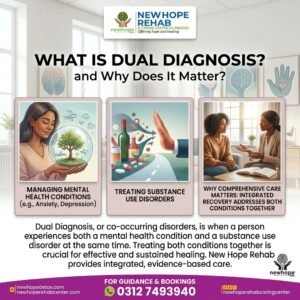
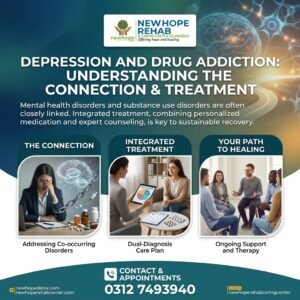
Some people use nicotine as a way to manage stress, anxiety, or difficult emotions. When smoking is reduced or stopped, these underlying concerns may become more noticeable.
For this reason, a comprehensive smoking addiction program may consider mental health as well as nicotine dependence. Counseling can help individuals develop healthier ways of managing stress and emotional challenges.
Frequently Asked Questions (FAQs)
1. What is a smoking addiction program?
A smoking addiction program is a structured treatment approach that helps people address nicotine dependence through assessment, counseling, behavioral strategies, education, and ongoing support.
2. Why is quitting smoking difficult?
Nicotine can create dependence, while smoking also becomes connected with daily routines, emotions, and social situations. These physical and behavioral factors can make quitting challenging.
3. What are common nicotine withdrawal symptoms?
Common symptoms include cravings, irritability, restlessness, difficulty concentrating, changes in appetite, sleep difficulties, and temporary changes in mood.
4. Can counseling help with smoking addiction?
Yes. Behavioral counseling can help individuals identify triggers, understand smoking patterns, develop coping strategies, and prepare for situations that may increase the risk of relapse.
5. Is it possible to quit smoking after several unsuccessful attempts?
Yes. Previous unsuccessful attempts do not mean that quitting is impossible. Each attempt can provide useful information about triggers and challenges, helping individuals and healthcare professionals develop a more suitable strategy.
Conclusion
Smoking addiction involves both nicotine dependence and deeply established behavioral patterns. Quitting can be challenging, but professional support can make the process more structured and manageable. A Smoking Addiction Program in Islamabad, Pakistan may provide individuals with assessment, counseling, behavioral strategies, family support, and relapse prevention planning tailored to their needs.
At New Hope Rehab and Caring Centre Islamabad, the focus is on respectful, individualized care that considers both nicotine dependence and the factors that influence smoking behavior. With appropriate guidance and continued support, individuals can work toward reducing or ending tobacco use and developing healthier long-term habits.