Understanding Tapering Treatment
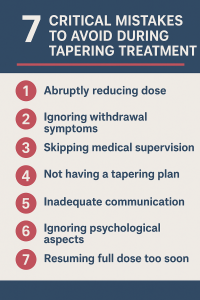
Tapering treatment is a method aimed at helping an individual lower their dependence on substances through taking it slow and in small steps; rather than dropping off your habit completely after going “cold turkey”, this technique gradually reduces the quantity over time for example.
During the process of diminishing doses in any elimination program, the side effects mean not only hangovers but also potential trauma. And it’s an important step, while avoiding any sudden augments of extremity that could lead to withdrawal symptoms preventing taken over awhile from happening successfully.’Careful use of this method keeps everyone involved safe”, explain staff at New Hope Rehab and Caring Centre Islamabad who make use of these techniques for the benefit of clients.
This is especially true for those recovering from opioids, benzodiazepines, alcohol, and certain prescription medications. Until now nobody exactly knows when or in what condition they will be able to recover from a crisis. A team of therapists works individually with patients to put together personalized tapering schedules supportive of the duration and bodiliness stages divisions served by detoxifying. home.
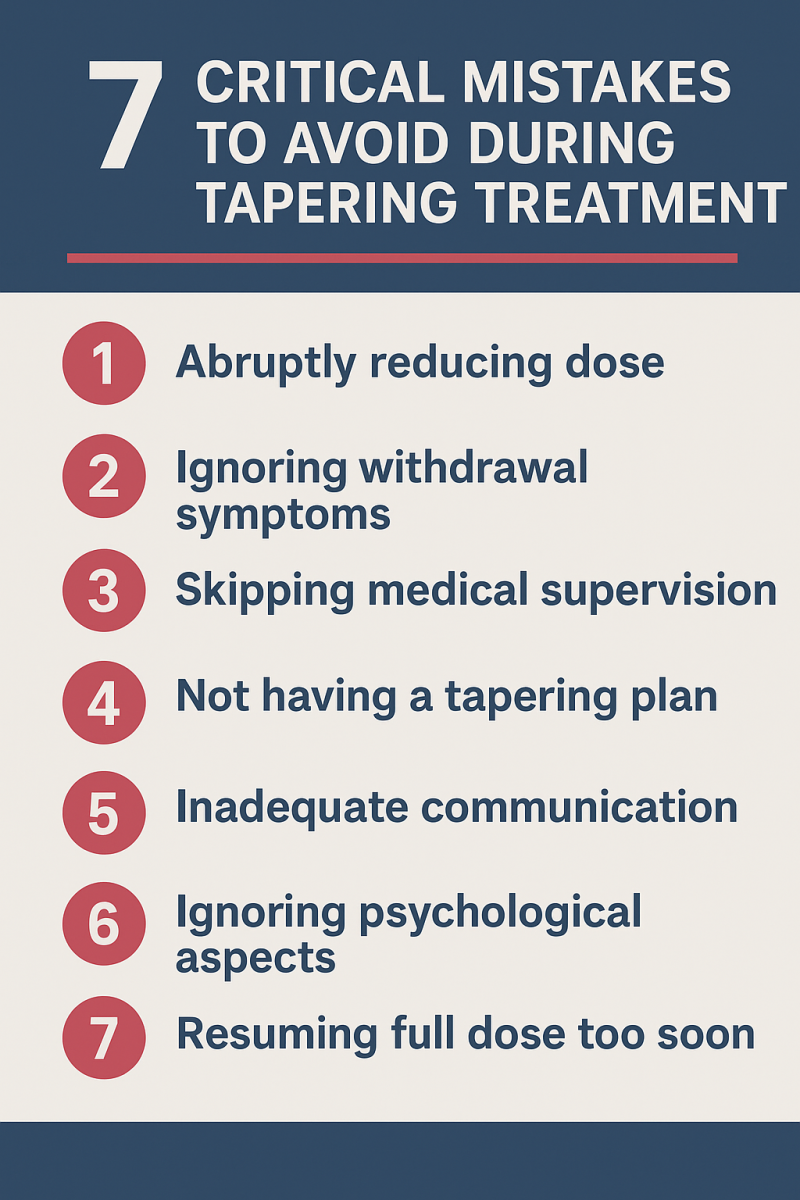
Mistake # 1: Quitting medication too early
It is dangerous to suddenly stop taking medication during the process of diminishing doses. Many people tend to feel much better after a few days and mistakenly believe that they are well enough to get by without their medication. But such is not the way to approach tapering. Both the brain and the body need time to adapt to levels which are lower more slowly indeed indeed indeed.
Risks of Physical and Psychological Withdrawal Symptoms
Suddenly quitting your drug can result in:
- Severe withdrawal symptoms
- High anxiety or panic attacks
- Nausea, Muscle cramps, Gripes
- Increase of cravings
- A much higher chance of relapse
But in places where doctors and nurses stand watch for changes very carefully like New Hope Rehab and Caring Centre Islamabad, this danger can be avoided.
Mistake #2: Neglecting Professional Guidance
A common mistake people make is to believe they can stop using drugs without any medical supervision at home. But addiction is not only a physical but also psychological disorder that must be cured with care.
Drug Abuse Treatment Centers in Islamabad
When drug abuse treatment centers in Islamabad have highly skilled teams that observe a person through his every approach to the ‘closedown’ stage, then this kind of professional assistance is available. Auxiliary the person is mandatory in funding, progress is recorded every day and response followed; if withdrawal symptoms appear, intervention can take place quickly.
At Islamabad New Hope Rehab and Caring Centre, clients receive round-clock support and trusty non-biased treatments designed to keep detox safe and successful. Promptly after the posting of the article, readers started asking lots of questions. The result is not simply patients receiving less efficient treatment but also carriers of propagating diseases.
Mistake #3 – Not Tracking Symptoms During Tapering
Recovery is not linear. Symptoms can change every day, and ignoring them can lead to setbacks. However, many patients underestimate the value of tracking how they feel.
How Journaling Helps Recovery
The following are notes Recovery Notebook that by recording physical symptoms, urges Emotional Constance Swings and sleep patterns now allows professionals to:
- Adjust tapering schedules
- Locate triggers
- Stay in control of the entire counseling process
- Strengthen coping strategies
This humble habit can make the whole procedure smoother and more predictable.
Mistake #4 – Not Proceeding With Triggers and Risky Habits
Any temptations put into action that you encounter along the road of detoxification have the potential to be breaking points. These might include associating with old colleagues, spending time in toxic environments, or engaging in stressful behaviors.
Impact on Relapse Rates
Even the briefest brush of triggers can spark cravings. Without eliminating these risks, tapering gets considerably harder. New Hope Rehab guides clients to adopt healthier routines, avoid places of high risk danger, and strengthen the daily habits that in fact support recovery.
Mistake #5 – No Support from Family or Social Circle
Rehabilitation will come later, together. With family or close friends in no parts of a person ‘s recovery process, they may be required to face real emotional barriers. These will make it difficult to continue detoxification.
Support Programs Offered at New Hope Rehab
Islamabad New Hope Rehab and Caring Centre Islamabad provide families with education: Family counseling Training sessions Support groups Holistic therapies These programs help those who love us to provide encouragement and to turn the recuperative atmosphere into a condition for healing.
Mistake #6 – Unrealistic Expectations of Recovery
Processes on Alcohol Drinking and Drug Use Many people expect tapering to be a quick course of action or believe that if they just have strength of will it will be enough. The fact is, the time lines for tapering can vary greatly depending on the substance, how it was used and individual health.
How Long Recovery Takes
Real recovery takes time. It may feel slow, but every step counts. Small victories, the objectives you set yourself and actually reach–that’s what keeps patients motivated on their course with an uphill fight ahead.
Expert Advice on Safe and Successful Tapering Programs
To make a good tapering both safe and effective, experts recommend:
- Follow all medical instructions
- Track symptoms every day
- Avoid all triggers
- Base all action on a positive pattern
- Search out therapists
- Honor your pain and suffering
Polished Plans at New Hope Rehab
New Hope Rehab and Caring Centre Islamabad tailors programs which provide medication management, emotional support and therapy. Their well-trained group assures that each client progresses at a slow but steady tempo comfortably.
FAQ (Frequently Asked Questions)
1. How long does tapering treatment usually last?
Flexible. Various plans can last for several weeks or several months.
2. Is tapering possible without professional involvement?
No. It may be dangerous, especially with strong substances, to taper drugs without expert advice.
3. What symptoms can occur during tapering?
Symptoms can include irritability, headache, sweating, anxiety and changed sleep patterns.
4. What makes the drug abuse treatment centers in islamabad effective for tapering?
They supply medical observation, tailored plans, and emotional support for each individual.
5. Does New Hope Rehab have family intervention programs?
Yes. Family counseling and educational programs are part of our treatment system.
6. Can I use tapering to prevent relapse?
Sure. When properly done, tapering decreases withdrawal tension and enables lowering the risk of a return to drugs.
Conclusion
Tapering treatment is an efficacious method of achieving long-term recovery if it is benevolently and correctly implemented. By avoiding the basic errors of the subject–and seeking assistance from professional drugs and other addictions drug abuse treatment centers in islamabad like New Hope Rehab and Caring Centre Islamabad, people can look forward to a more vibrant self.