
Cannabis is frequently seen as low risk, particularly among youth. But regular or early use can set the stage for dependence, mental health problems and long-term social and health issues. Promoting the public’s awareness of cannabis addiction is an essential aspect of proper healthcare, as well as a principle of drug and alcohol addiction recovery. Families and communities in Islamabad, and elsewhere, can benefit from a good knowledge of prevention strategies to limit harm and reduce unhealthy choices.
Prevention-oriented education is placed at the same level of importance as treatment, at the New Hope Rehab and Caring Centre Islamabad. Risk factors can be addressed early on, and informed decision-making can guide one to the path of avoiding substance dependence and its consequences.
The Facts About Marijuana Addiction and Why it Matters to Prevent It
Cannabis addiction (or cannabis use disorder) is defined as problematic cannabis use resulting in clinically significant impairment or distress. Though not everyone who uses cannabis becomes dependent, some people are at higher risk because of their age, mental health, environment or genetics.
Prevention is so important because early-on exposure, especially during the teen years, can potentially influence brain development and emotional regulation and motivation. Prevention that is based on awareness can reduce the need to access more intensive drug and alcohol addiction treatment down the line by permitting individuals to identify risk early, before patterns of use become problematic.
Preventing Substance Dependence: The Responsibility Of Enlightenment
The first line of defense against addiction is awareness. Providing clear, fact-based information can help people make informed choices rather than myths or pressure from peers.
Key awareness goals include:
- Know thy self: The potential returns on the dollars invested in understanding how cannabis influences brain function and behavior.
- Identifying Early Signals of Misuse
- Understanding occasional use vs dependence
- Reducing stigma around seeking help
Education and awareness are the building blocks to a healthier relationship with substance use and the beginning of open conversation in homes, schools, or at work.
Education as Prevention in the Long Run
Education goes beyond warnings. It teaches skills that boost long-term happiness. Evidence-based educational programs focus on things such as life skills, emotional control and stress management—all connections to substance use.”
Effective education includes:
- Age-appropriate learning in schools
- Family-based discussions about mental health
- Community seminars and workshops
- Cop ing/hcisions skillstraining
Education is a protective factor when both developed and implemented in an age-appropriate manner that respects cultural differences, offers substance use prevention, and assists with achieving improved outcomes for addiction treatment services as appropriate to individuals who require care.
Factors That Place Individuals at Risk for Cannabis Dependence
Knowing risk factors allows for prevention efforts to be targeted. Common factors include:
- Early exposure during teenage years
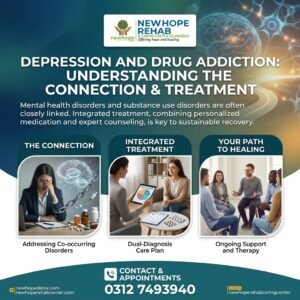
- Issues of mental health, such as anxiety or depression
- Peer influence and social pressure
- Family History of treatment for Drug or Alcohol problems
- Chronic stress or trauma
Prevention programs that target these risks early may prevent escalation to more serious substance abuse problems.
Prevention: Family and Community Engagement
Prevention begins at the family and community level. Open lines of communication, formative relationships and behavioral expectations help prevent risk behavior.
Community-based prevention efforts may include:
- Parent education sessions
- Youth mentorship programs
- School counseling services
- Collaboration with healthcare providers
At New Hope Rehab and Caring Centre Islamabad, family involvement is considered a vital aspect of prevention as well as drug and alcohol addiction treatment to maintain consistent care and support.
Early Identification and Support
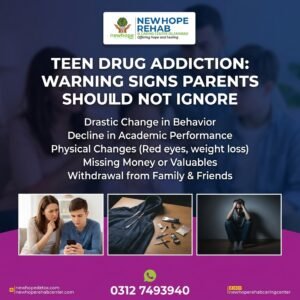
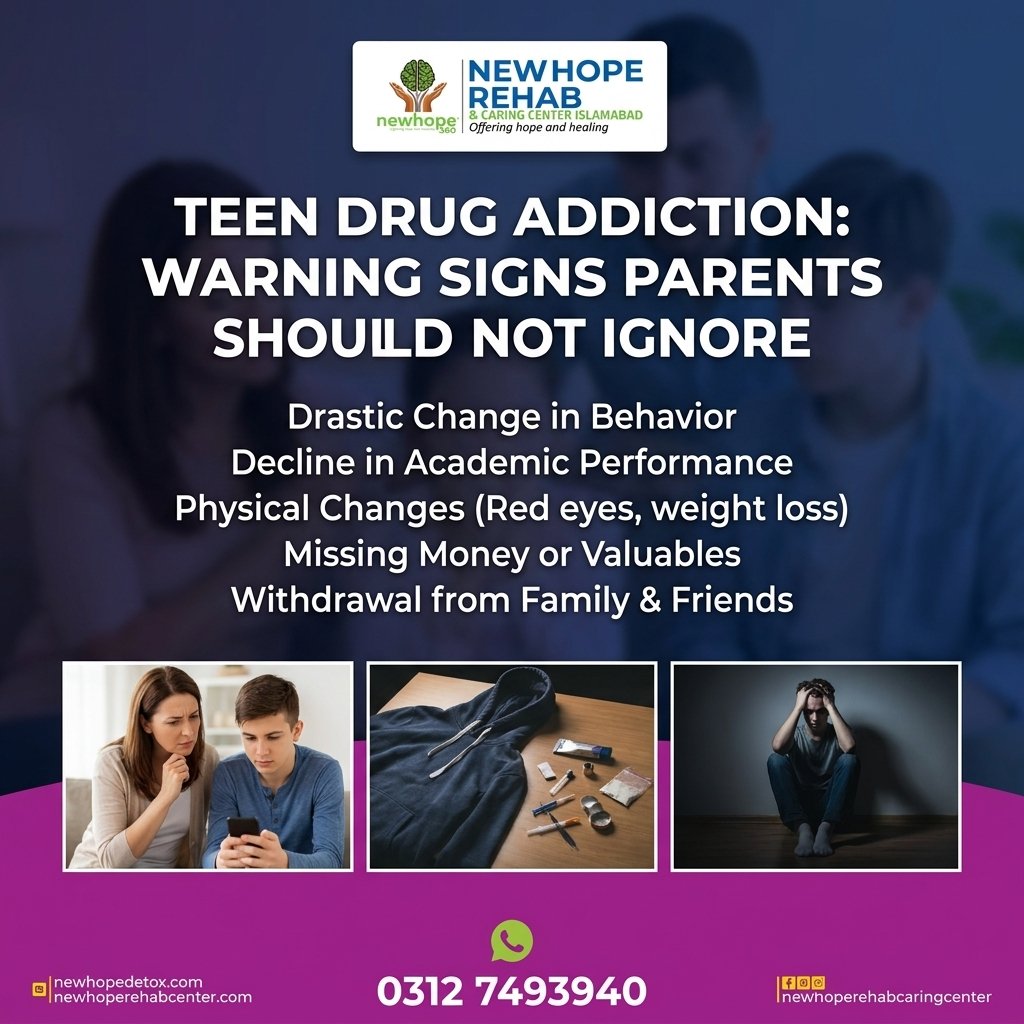
Early detection of unhealthy cannabis use can help to avoid progression. Symptoms could include: a change in mood, declining academic or work performance, withdrawing from social activities or shirking responsibilities.
Providing timely support:
- Encourages voluntary help-seeking
- Reduces long-term health effects
- Supports smoother recovery pathways
Early support makes prevention equal to treatment and this is an extremely fair measure of protection for individuals or families.
Combining Prevention With Treatment for Drug and Alcohol Abuse
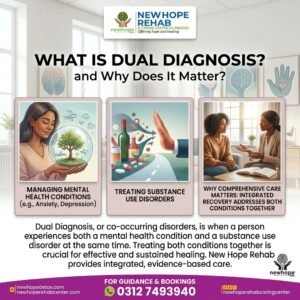
There should not be a wall between prevention and treatment. Recovery-oriented care models incorporate education, counselling, and relapse prevention. People in treatment for drug and alcohol addiction are taught skills to help them avoid future use.
Integrated approaches focus on:
- Mental health support
- Stress and relapse management
- Long-term lifestyle changes
- Ongoing education and aftercare
This approach enables long-term recovery and healthier communities.
Frequently Asked Questions (FAQs)
1. Can cannabis really be addictive?
Yes, some people can become addicted, particularly if they use the drugs a lot or are introduced to them as teenagers. This risk can be minimized by prevention and education.
2. What is the role of education in avoiding getting addicted to cannabis?
Education offers accurate information, coping skills and awareness of risks to make informed choices, avoid harmful cycles.
3. What role does prevention play in drug and alcohol addiction treatment?
yes, prevention education is an important element of successful drug and alcohol addiction treatment that helps people recover long-term and avoid relapse.
4. How does the family fit into prevention?
Families offer direction, well-being and dialogue, which are strong protective factors against drugs consumption.
5. When should someone get help?
Except where cannabis use starts to impact on mental health, relationships or daily responsibilities then prompt professional advice is appropriate.
Conclusion
The prevention of marijuana addiction is a mutual responsibility, which affects both personal and public life. Early risk-reduction, informed decision-making, and the integration of prevention in drug and alcohol addiction treatment will reduce long-term harm.
Education and caring for healthier lives is at the heart of New Hope Rehab & Caring Centre Islamabad. The journey to wellness and healing is steadier and more sustainable with ongoing knowledge, loving assistance, and educated communities.