Detox is typically the first and most essential step of recovery from substance use disorders. It’s the process by which you have those harmful substances detoxed from your system while managing withdrawal symptoms in a safe and controlled environment. Providing medical supervision and emotional support, a professional I detoxification Treatment Centre in Islamabad, Pakistan will help to provide you with the firm footing needed for commencing your recovery journey.
Detoxification at New Hope Rehab and Caring Centre Islamabad is a comprehensive process performed with utmost care, professionalism, and dedication to patient safety. This is done in a safe environment, allowing the user to make positive steps towards recovery.
What is Detoxification?
Detoxification: a natural process of removing toxic substances from the body by either intentional or unintentional means (such as drug withdrawal, alcohol withdrawal). The body has its own detox systems, but entering an addictive withdrawal phase can be difficult without professional help.
Detox is best done in a I detoxification Treatment Centre in Islamabad, Pakistan working under adequate supervision to reduce risks and discomfort.
Why Detoxification is Important
Detox is an essential part because it sets your body and mind up for the next stages of treatment. Detox allows people to engage effectively in therapy or other longer-term recovery programs.
Key Benefits of Detoxification
- It helps in detoxification from the body
- Reduces physical dependence
- Stabilizes the patient for subsequent treatment
- Ensures a secure beginning of the recovery
New Hope Rehab and Caring Centre Islamabad consider detoxification as the cornerstone of successful rehabilitation.
Common Withdrawal Symptoms
The withdrawal symptoms are dependent on the substance, length of time it has been used for, and other medical conditions.
Physical Symptoms
- Nausea and vomiting
- Sweating and chills
- Headaches
- Fatigue
Psychological Symptoms
- Anxiety and restlessness
- Irritability
- Mood swings
- Sleep disturbances
By maintaining these symptoms at an expert, I detoxification Treatment Centre in Pakistan, even surface safety and comfort are ensured throughout the entire process.
Types of Detoxification Programs
Secondly, each individual requires a different approach to detox based on their condition.
Medical Detox
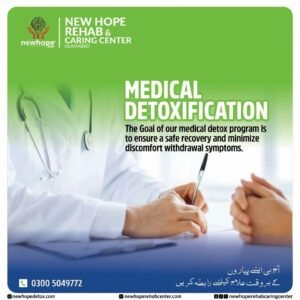
Medical detox uses healthcare supervision and in some cases medication to help alleviate withdrawal symptoms in a safe manner.
Inpatient Detox
With inpatient detox, patients are always being cared for in a structured environment. 24 hours, seven days a week they are monitored.
Outpatient Detox
Outpatient detox enables people to be treated whilst continuing with their daily life, though it may not advisable for acute ones.
Detox plans at New Hope Rehab and Caring Centre Islamabad are designed according to the individual.
The Detoxification Process
Having this information about the detox process can give individuals a sense of readiness and assurance.
Assessment and Evaluation
This involves a complete assessment of medical history, drug use pattern and general health.
Stabilization
This stage provides individuals with medical and emotional support as they go through withdrawal symptoms.
Transition to Further Treatment
Post-detox, however, patients are directed to therapy and rehab programs for lasting recovery.
Each phase is dealt with care and professional conduct from a well-structured I detoxification Treatment Centre, Islamabad Pakistan.
Importance of Professional Supervision
There can be a danger involved with detoxification, especially when withdrawal symptoms are extreme. Supervision by a professional help to ensure any problems are identified immediately.
Benefits of Supervised Detox
- Safer withdrawal management
- Reduced risk of complications
- Emotional and psychological support
- Smooth transition to rehabilitation
We are one of the famous Top Drug Rehabilitation Center in Islamabad Like New Hope Rehab and Caring Centre is a place where the patient comes first, always.
Role of Family Support
Family support can help during detox both as emotional encouragement and motivation. A recovery-sensitive environment enables an individual to remain dedicated to the process.
Family members can assist by:
- Offering reassurance and understanding
- Encouraging treatment adherence
- Creating a stress-free environment
- Attending therapy sessions, if suggested.
Most of the times, a I detoxification Treatment Centre in Islamabad Pakistan promotes and allows family support as needful in recovery.
Life After Detox
Detoxification itself is just the first step of healing. Any long-term success relies on ongoing care and lifestyle modification.
Healthy Recovery Practices
- Maintain a balanced diet
- Engage in regular physical activity
- Practice stress management techniques
- Attend counseling or therapy sessions
New Hope Rehab and Caring Centre Islamabad work with one goal in mind to educate people continuously so that they recover sustainably.
Frequently Asked Questions (FAQs)
1. Why detoxify?
Detoxification removes unnatural substances from the body and prepares a person for subsequent treatment.
2. Is detoxification painful?
While this can be uncomfortable, professional care ensures withdrawal symptoms are managed in a safe and appropriate manner.
3. How long does detox take?
The length of time will differ based on the substance and general health.
4. Can detox be done at home?
However, detox is best done under professional supervision for safety—this is especially true in cases of severe addiction.
5. What happens after detox?
Detox only prepares you for recovery and addicts are still advised to continue therapy and rehab programs.
Conclusion
Drug detox is the essential element of the recovery process before addressing dependency on substances. It lays the groundwork for recovery by assisting a person in appropriately finding control of withdrawal and addressing additional treatment steps ahead.
Being a trusted I detoxification Treatment Centre in Islamabad, Pakistan New Hope Rehab and Caring Centre Islamabad provides systematic as well as compassionate care. Professional supervision, individual plans and continuing support all steer them down the path to safer and more stable futures.
