Alcohol addiction is a serious yet treatable health condition that can affect every aspect of a person’s life, including physical health, mental well-being, family relationships, career, and social responsibilities. While alcohol is widely consumed in many parts of the world, excessive and repeated drinking can lead to dependence, making it difficult for individuals to stop without professional support. Early recognition and appropriate treatment can significantly improve recovery outcomes and overall quality of life.
For individuals seeking Alcohol Addiction Treatment in Islamabad, Pakistan, understanding the causes, symptoms, and available treatment options is the first step toward recovery. At New Hope Rehab and Caring Centre Islamabad, comprehensive treatment programs provide compassionate, ethical, and evidence-based care tailored to each individual’s unique recovery needs.
What Is Alcohol Addiction?
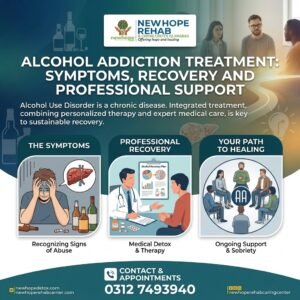
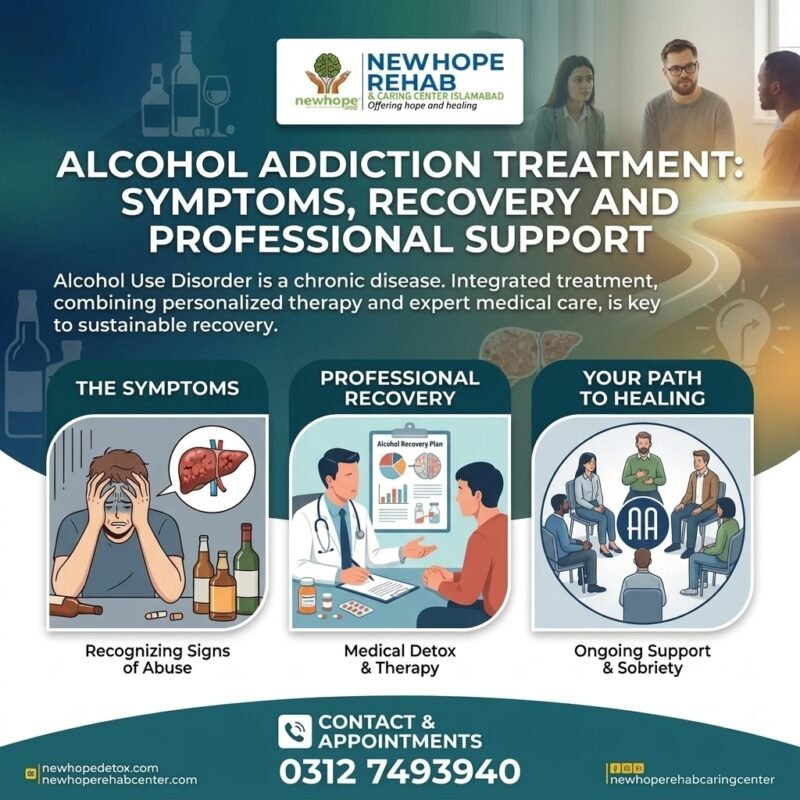
Alcohol addiction, also known as alcohol use disorder (AUD), is a chronic condition in which a person loses control over alcohol consumption despite experiencing harmful physical, emotional, or social consequences. Over time, the body develops tolerance, requiring larger amounts of alcohol to achieve the same effects, while withdrawal symptoms may occur when drinking stops.
Alcohol addiction is a medical condition that requires professional assessment and individualized treatment rather than willpower alone.
Signs and Symptoms of Alcohol Addiction
Recognizing the warning signs early can encourage timely treatment and improve long-term recovery.
Common symptoms include:
- Strong cravings for alcohol
- Drinking more than intended
- Increased tolerance to alcohol
- Withdrawal symptoms when not drinking
- Mood swings and irritability
- Anxiety or depression
- Difficulty concentrating
- Poor work or academic performance
- Neglecting family and social responsibilities
- Continuing to drink despite negative consequences
Symptoms vary depending on the severity and duration of alcohol use.
Common Causes and Risk Factors
Several factors may contribute to alcohol addiction.
Mental Health Conditions
Individuals living with anxiety, depression, trauma, or chronic stress may be more likely to misuse alcohol as a coping mechanism.
Genetic Factors
A family history of alcohol dependence may increase the risk of developing alcohol use disorder.
Environmental Influences
Peer pressure, stressful life events, and easy access to alcohol can contribute to problematic drinking patterns.
Emotional Challenges
Some individuals use alcohol to cope with grief, loneliness, relationship difficulties, or work-related stress.
Health Effects of Alcohol Addiction
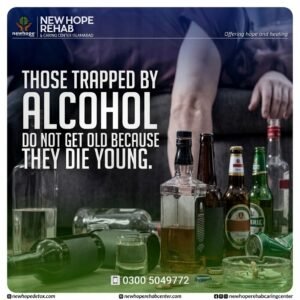
Long-term alcohol misuse can affect nearly every organ in the body.
Physical Health Risks
Possible complications include:
- Liver disease
- High blood pressure
- Heart disease
- Digestive disorders
- Nutritional deficiencies
- Weakened immune system
- Sleep disturbances
- Increased risk of accidents and injuries
Mental Health Effects
Alcohol addiction may also contribute to:
- Depression
- Anxiety disorders
- Memory problems
- Emotional instability
- Poor concentration
- Increased psychological distress
Addressing both addiction and mental health together often improves recovery outcomes.
Why Professional Alcohol Addiction Treatment Is Important
Stopping alcohol use without professional supervision may result in withdrawal symptoms that can range from mild discomfort to serious medical complications. A structured treatment program provides medical monitoring, psychological support, and individualized care throughout the recovery process.
Seeking Alcohol Addiction Treatment in Islamabad, Pakistan may help individuals:
- Safely manage withdrawal symptoms
- Improve physical health
- Address the underlying causes of addiction
- Strengthen emotional well-being
- Learn healthy coping strategies
- Reduce the likelihood of relapse
At New Hope Rehab and Caring Centre Islamabad, treatment plans are developed according to each person’s medical history, psychological needs, and recovery goals.
Treatment Approaches for Alcohol Addiction
Comprehensive Assessment
Recovery begins with a detailed evaluation of physical health, mental health, and alcohol use history to create a personalized treatment plan.
Medical Detoxification
Supervised detoxification allows the body to eliminate alcohol while healthcare professionals monitor withdrawal symptoms and provide supportive care.
Individual Counseling
Counseling sessions help individuals understand the emotional and behavioral factors contributing to alcohol dependence while developing healthier coping mechanisms.
Cognitive Behavioral Therapy (CBT)
CBT is an evidence-based therapy that teaches individuals how to identify negative thinking patterns, manage triggers, and replace harmful behaviors with healthier choices.
Group Therapy
Group therapy encourages peer support, accountability, and shared learning experiences that strengthen recovery.
Family Support Programs
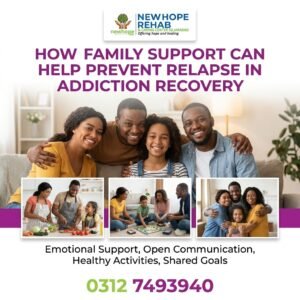
Family counseling helps improve communication, rebuild trust, and create a supportive home environment that promotes long-term recovery.
Relapse Prevention and Aftercare
Recovery continues beyond formal treatment. Long-term success often depends on ongoing support and relapse prevention planning.
Helpful strategies include:
- Identifying personal triggers
- Managing stress in healthy ways
- Attending follow-up counseling
- Maintaining structured daily routines
- Building supportive relationships
- Participating in aftercare programs
At New Hope Rehab and Caring Centre Islamabad, relapse prevention is incorporated into every stage of the recovery journey.
Frequently Asked Questions (FAQs)
1. What is alcohol addiction?
Alcohol addiction is a medical condition in which a person becomes dependent on alcohol and continues drinking despite experiencing harmful physical, emotional, or social consequences.
2. Can alcohol addiction be treated successfully?
Yes. Professional treatment that includes medical detoxification, counseling, behavioral therapy, and ongoing support can help individuals achieve lasting recovery.
3. Why is medical detoxification important?
Medical detoxification helps manage withdrawal symptoms safely and prepares individuals for continued rehabilitation and therapy.
4. Is therapy necessary during alcohol addiction treatment?
Yes. Therapy helps individuals understand the underlying causes of addiction, manage triggers, improve coping skills, and reduce the risk of relapse.
5. How can family members support recovery?
Family members can participate in counseling sessions, encourage healthy communication, provide emotional support, and help create a stable environment that supports long-term recovery.
Conclusion
Alcohol addiction is a serious but treatable condition that affects both physical and mental health. With early intervention, professional care, and continued support, individuals can overcome alcohol dependence and build healthier, more fulfilling lives. Seeking Alcohol Addiction Treatment in Islamabad, Pakistan provides access to comprehensive care that addresses both addiction and overall well-being.
At New Hope Rehab and Caring Centre Islamabad, personalized treatment programs combine medical detoxification, evidence-based therapies, individual counseling, family support, and relapse prevention planning. Through compassionate and professional care, individuals receive the guidance and support needed to work toward lasting recovery, improved health, and a brighter future.