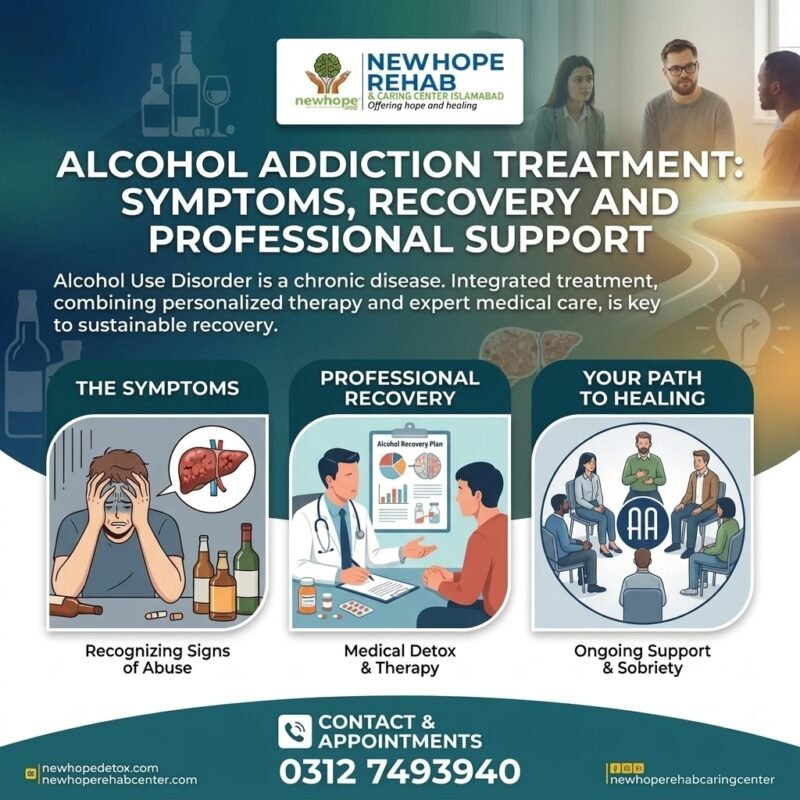
Alcohol addiction treatment helps people who struggle to control their drinking and experience negative effects on their health, relationships, or daily responsibilities. Alcohol use disorder can affect physical health, mental wellbeing, family life, and work. With appropriate medical care, psychological support, and a personalized recovery plan, many people can make meaningful progress toward a healthier life.
Recognizing the signs of alcohol addiction is an important first step. Whether someone has been drinking heavily for years or has recently noticed a loss of control, seeking professional support can help them understand their options and choose an appropriate treatment approach.
What Is Alcohol Addiction?
Alcohol addiction is commonly associated with alcohol use disorder (AUD), a medical condition in which a person has difficulty controlling alcohol use despite harmful consequences. It can range from mild to severe.
A person may develop a strong urge to drink, need more alcohol to experience the same effects, or continue drinking despite problems with health, family, finances, or work. Alcohol addiction is not simply a lack of willpower. It can involve changes in brain function, emotional health, behavior, and physical dependence.
Early assessment can help identify the severity of the problem and determine what type of care may be appropriate.
Common Signs and Symptoms of Alcohol Addiction
Alcohol use disorder can develop gradually, so its warning signs may not always be obvious. Common signs include:
- Drinking more or for longer than intended
- Repeatedly trying to cut down without success
- Strong cravings for alcohol
- Spending considerable time drinking or recovering afterward
- Neglecting family, work, or educational responsibilities
- Continuing to drink despite health or relationship problems
- Giving up activities because of drinking
- Developing tolerance and needing more alcohol for similar effects
- Experiencing withdrawal symptoms when alcohol use decreases
Not everyone experiences all these symptoms. A healthcare professional can assess drinking patterns and related health concerns.
Why Professional Alcohol Addiction Treatment Matters
Alcohol addiction can affect several aspects of a person’s life at the same time. Heavy or prolonged drinking may contribute to liver disease, digestive problems, cardiovascular complications, memory difficulties, sleep disruption, depression, and anxiety.
Professional treatment can help address these risks while supporting the person through behavioral and emotional changes.
Treatment may help individuals understand their drinking patterns, manage cravings, develop healthier coping strategies, address co-occurring mental health concerns, and create a plan for maintaining recovery.
Alcohol Withdrawal: Why Medical Supervision Can Be Important
When someone who has been drinking heavily or regularly suddenly stops or sharply reduces alcohol use, withdrawal symptoms may develop. These can include:
- Trembling or shaking
- Sweating
- Nausea or vomiting
- Anxiety or restlessness
- Headaches
- Insomnia
- Increased heart rate
Severe alcohol withdrawal can cause seizures, hallucinations, or delirium tremens, a potentially life-threatening condition.
People who may be physically dependent on alcohol should seek medical advice before stopping suddenly. Clinicians can assess withdrawal risk and determine whether supervised withdrawal management is necessary.
Seizures, severe confusion, hallucinations, or loss of consciousness require emergency medical attention.
Types of Alcohol Addiction Treatment
The right treatment depends on the person’s drinking history, physical health, withdrawal risk, mental health, and support system.
1. Medical Assessment and Detoxification
Treatment often begins with an assessment of alcohol use, medical history, medications, and mental health. If withdrawal is expected, clinicians may recommend medically supervised withdrawal management.
Detoxification helps the body manage the immediate effects of stopping alcohol. However, detox alone does not address the behavioral, emotional, and social factors that contribute to addiction. Continued treatment is often important.
2. Behavioral Therapy and Counseling
Counseling can help people identify triggers, understand their relationship with alcohol, and develop healthier responses to stress.
Cognitive behavioral therapy (CBT) may help individuals recognize patterns of thinking and behavior associated with drinking. Other evidence-based approaches may support motivation, goal-setting, and long-term changes.
3. Medication for Alcohol Use Disorder
Certain medications may help reduce cravings or support recovery for appropriate patients. Options can include naltrexone and acamprosate, while disulfiram may be suitable in selected circumstances.
These medications are not appropriate for everyone. A qualified clinician should consider medical history, liver and kidney health, other medications, and individual treatment goals before recommending them.
Medication should be combined with appropriate follow-up and support.
4. Residential or Inpatient Treatment
Some people benefit from a structured treatment environment, particularly when they have significant medical or psychological needs, repeated difficulties maintaining recovery, or an unsafe home environment.
Residential treatment may provide a planned routine, counseling, medical coordination, and recovery-focused support. The appropriate level of care should be based on clinical assessment rather than assumptions that inpatient care is always necessary.
5. Outpatient Treatment and Continuing Care
Outpatient treatment allows people to receive professional support while continuing many daily responsibilities. Depending on individual needs, it may include regular counseling, medical appointments, group sessions, and relapse-prevention planning.
After an initial treatment program, continuing care can help people manage cravings, respond to stressful situations, and maintain progress over time.
The Role of Mental Health in Alcohol Recovery
Alcohol addiction may occur alongside depression, anxiety, trauma-related symptoms, or other mental health conditions. Some people drink to cope with emotional distress, but alcohol can worsen sleep, mood, and anxiety over time.
When alcohol use disorder and a mental health condition occur together, coordinated care can help address both concerns.
A treatment plan may include psychological therapy, psychiatric assessment, medication when appropriate, and strategies for managing stress without relying on alcohol.
How Family Support Can Help With Alcohol Addiction
Family members can play an important role by offering encouragement, maintaining respectful communication, and supporting access to treatment.
Helpful approaches include:
- Talking calmly about concerns related to drinking
- Encouraging professional assessment
- Supporting attendance at appointments
- Establishing clear and healthy boundaries
- Avoiding blame, humiliation, or threats
- Learning to recognize signs of dangerous withdrawal or relapse
Families should remember that they cannot control another person’s recovery. They can offer support while protecting their own physical and emotional wellbeing.
Preventing Relapse After Alcohol Addiction Treatment
Recovery continues after the initial treatment period. Some people experience cravings or return to drinking, especially during stressful periods. A return to alcohol use does not mean that further progress is impossible, but it should prompt a review of the recovery plan.
Relapse-prevention strategies may include:
- Identifying situations that trigger cravings
- Maintaining regular sleep and meal routines
- Developing healthy ways to manage stress
- Staying connected with supportive people
- Attending counseling or recovery meetings
- Following medical advice and prescribed treatment
- Seeking help early when cravings or symptoms increase
A personalized plan can help people recognize risks and decide what steps to take when difficulties arise.
Alcohol Addiction Treatment at New Hope Rehab and Caring Centre Islamabad
New Hope Rehab and Caring Centre Islamabad is a resource for individuals and families seeking addiction-related support. People experiencing alcohol-related problems may benefit from professional assessment to understand their treatment needs and explore appropriate options.
Care should take account of alcohol use, withdrawal risks, physical health, mental health, family circumstances, and previous treatment experiences. Depending on the individual’s needs, treatment may involve medical care, counseling, structured rehabilitation, and continuing recovery support.
Anyone who may be physically dependent on alcohol should prioritize medical assessment before attempting to stop drinking suddenly.
Frequently Asked Questions
1. What is the best treatment for alcohol addiction?
There is no single best approach for everyone. Treatment may include medical assessment, supervised withdrawal management, behavioral therapy, medication, family support, and continuing care. The right plan depends on the person’s health and level of alcohol dependence.
2. How long does alcohol addiction treatment take?
Treatment duration varies. Withdrawal management may take several days or longer depending on clinical circumstances, while counseling and recovery support may continue for months or longer. Ongoing care can be helpful for maintaining progress.
3. Can alcohol addiction be treated without medication?
Some people benefit from psychological treatment and structured support without medication. Others may benefit from medication to manage alcohol use disorder or related symptoms. Treatment decisions should be made with a qualified healthcare professional.
4. Is it dangerous to stop drinking alcohol suddenly?
It can be dangerous for people who are physically dependent on alcohol. Severe withdrawal can cause seizures or delirium tremens. Anyone at risk should seek medical guidance before stopping, and emergency symptoms require immediate care.
5. Can someone recover from alcohol addiction?
Yes. Many people make meaningful progress with appropriate treatment and ongoing support. Recovery may involve setbacks, but adjusting the treatment plan and seeking help early can support continued progress.
Conclusion
Alcohol addiction can affect physical health, mental wellbeing, and relationships, but professional treatment can help people take meaningful steps toward recovery. Recognizing the warning signs, understanding withdrawal risks, and choosing appropriate care are important parts of the process.
Effective alcohol addiction treatment may combine medical support, counseling, medication when appropriate, family involvement, and relapse-prevention planning. With individualized care and continued support, people can work toward healthier habits, improved wellbeing, and a more stable future.