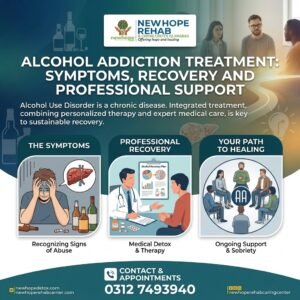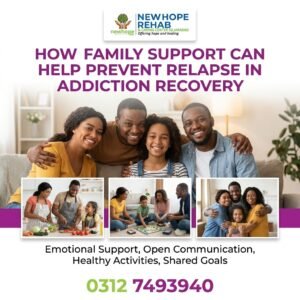
Addiction and mental health difficulties can affect more than the person experiencing them. Parents, spouses, children, siblings, and caregivers may also experience worry, stress, confusion, financial pressure, and emotional exhaustion. A structured Family Support Program in Islamabad, Pakistan can help relatives understand these challenges and learn practical ways to provide healthy, respectful support.
Family involvement doesn’t mean that relatives are responsible for another person’s recovery. Instead, family support can help create better communication, clearer boundaries, and a more stable environment. At New Hope Rehab and Caring Centre Islamabad, family-focused services can be considered as part of an individualized treatment plan when appropriate.
What Is a Family Support Program?
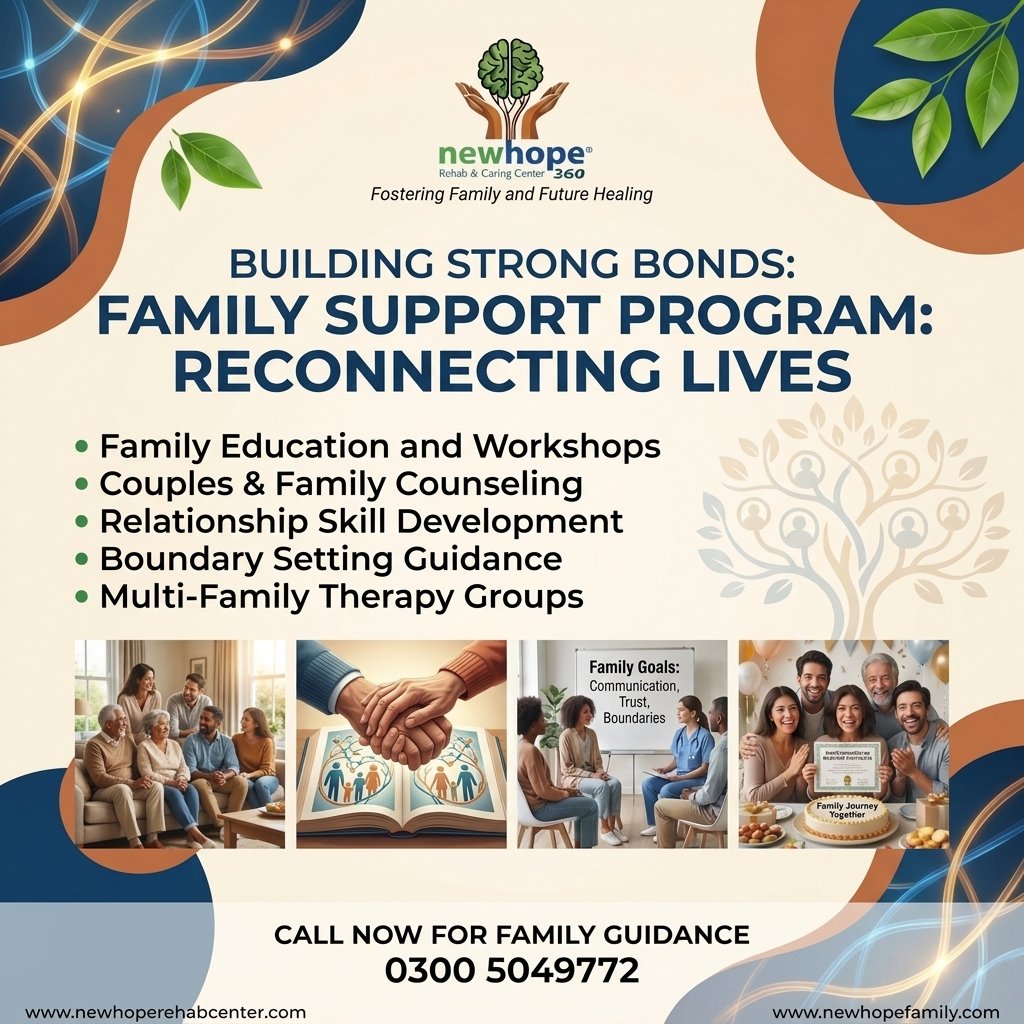
A Family Support Program is a structured approach that provides education, counseling, and guidance to people supporting a loved one with addiction or mental health concerns.
Depending on individual circumstances, family support may include:
- Family counseling
- Addiction education
- Mental health awareness
- Communication guidance
- Boundary-setting strategies
- Relapse-prevention education
- Emotional support
- Guidance about continuing care
The specific services should be adapted to the family’s needs and the individual’s treatment plan.
Why Family Support Matters in Recovery
Addiction can create misunderstandings within families. A relative may interpret changes in behavior as a lack of responsibility, while the person experiencing addiction may feel judged or misunderstood.
Education can help families recognize that substance use disorders are health conditions involving behavioral, psychological, and physical factors.
A supportive family environment may help by encouraging treatment, reducing unnecessary conflict, and providing appropriate emotional encouragement.
However, families should also understand that support doesn’t mean accepting unsafe or harmful behavior.
Family Support Program in Islamabad, Pakistan: What Can It Include?
Family Counseling
Family counseling provides a structured setting where relatives can discuss concerns with professional guidance. It may help address communication problems, conflict, expectations, and relationship difficulties.
Education About Addiction
Families can learn about cravings, tolerance, dependence, withdrawal, triggers, relapse, and recovery. Understanding these concepts can reduce stigma and unrealistic expectations.
Communication Skills
Healthy communication involves listening, expressing concerns respectfully, and avoiding unnecessary blame or shame.
Family members can learn how to discuss treatment and recovery without turning every conversation into an argument.
Healthy Boundaries
Boundaries help families define what behavior they can and cannot accept. They can provide structure while allowing relatives to remain compassionate.
Relapse-Prevention Education
Families can learn about potential warning signs and appropriate responses. The goal is to encourage timely professional support rather than blame a person for a setback.
Supporting a Loved One Without Enabling Substance Use
One of the most difficult challenges for families is distinguishing support from enabling.
Healthy support may include:
- Encouraging professional treatment
- Providing emotional encouragement
- Supporting healthy routines
- Maintaining reasonable boundaries
- Listening without unnecessary judgment
- Encouraging follow-up care
Enabling can involve repeatedly making excuses for harmful behavior, covering up serious consequences, or providing money or resources that facilitate continued substance use.
Every family situation is different, so professional guidance can be useful when relatives aren’t sure how to respond.
Family Support and Mental Health

Addiction may occur alongside depression, anxiety, trauma-related conditions, or other mental health concerns. These co-occurring conditions can create additional challenges for both the individual and the family.
For example, a person may use substances to cope with emotional distress, while continued substance use may worsen mood, sleep, anxiety, or other symptoms.
A family support program can help relatives understand the importance of addressing both mental health and substance use when they occur together.
At New Hope Rehab and Caring Centre Islamabad, family involvement can be considered alongside addiction and mental health care when clinically appropriate.
The Family’s Own Well-Being Matters
Supporting someone with addiction can be emotionally demanding. Relatives may experience anxiety, anger, guilt, sadness, or burnout.
Family members should therefore look after their own health as well.
Helpful strategies may include:
- Maintaining healthy sleep and eating routines
- Staying connected with trusted people
- Taking appropriate breaks from caregiving
- Seeking counseling when needed
- Learning about addiction
- Setting realistic expectations
- Maintaining healthy personal boundaries
A family member doesn’t have to manage addiction alone.
Family Support During Long-Term Recovery
Recovery is usually an ongoing process. After residential treatment or an intensive program, individuals may continue to face cravings, stress, relationship difficulties, or exposure to previous triggers.
Families can provide constructive support by encouraging:
- Follow-up appointments
- Counseling
- Healthy routines
- Appropriate medication use
- Positive social connections
- Relapse-prevention strategies
If a relapse occurs, families should avoid viewing it simply as a moral failure. Professional reassessment may help identify what contributed to the setback and whether the treatment plan needs adjustment.
Respecting Privacy and Individual Choice
Family participation should respect confidentiality and the individual’s rights. Not every treatment detail needs to be shared with every relative.
Healthcare professionals can help determine what information may appropriately be discussed and how family involvement can support treatment without compromising privacy.
Frequently Asked Questions (FAQs)
1. What is a Family Support Program?
A Family Support Program provides education, counseling, and practical guidance to relatives supporting someone with addiction or mental health difficulties.
2. Why is family involvement important in recovery?
Family involvement can improve communication, reduce misunderstanding, encourage healthy boundaries, and provide appropriate emotional support during recovery.
3. Can family members attend counseling sessions?
In appropriate circumstances, family counseling may be included in a person’s treatment plan. Participation should respect clinical considerations, confidentiality, and the individual’s consent.
4. How can families avoid enabling addiction?
Families can maintain healthy boundaries, avoid covering up harmful behavior, encourage professional treatment, and provide emotional support without facilitating substance use.
5. Should families seek support for themselves?
Yes. Supporting someone with addiction can be stressful. Family members may benefit from counseling, education, trusted social support, and strategies for protecting their own emotional well-being.
Conclusion
A Family Support Program in Islamabad, Pakistan can help relatives better understand addiction and mental health concerns while developing healthier communication, boundaries, and coping strategies. Family support isn’t about controlling another person’s recovery; it’s about creating informed and constructive support while protecting the well-being of everyone involved.
At New Hope Rehab and Caring Centre Islamabad, family-focused care can complement addiction and mental health treatment through counseling, education, communication support, and recovery planning. A respectful family approach can help individuals and their loved ones navigate recovery with greater understanding, patience, and dignity.