Anger is a normal human emotion, but when it gets out of control and turns destructive, it can lead to problems — at work, in personal relationships and in the overall quality of life. Recent scientific research demonstrates that unmanaged anger is associated with anxiety, depression, substance use and physical health problems like high blood pressure. This is why anger management based on evidence is an essential aspect of care in a Mental Health Rehab Center.
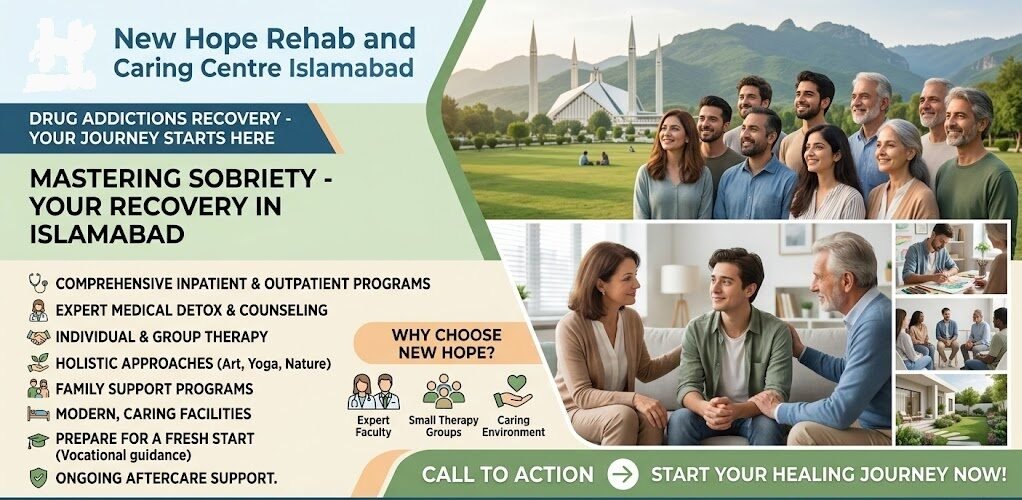
We deal with anger management at New Hope Rehab and Caring Centre Islamabad in a compassionate, ethical and research based ways. Instead of denying feelings, good treatment teaches people how to recondition responses and respond more positively. This is a look at science-based anger management strategies and how a structured mental health treatment program can help you find lasting emotional grounding.
What Science Has to Say About Anger
Anger is an emotion that results from the amygdala, a part of the brain’s threat-detection system. The body releases stress hormones like adrenaline and cortisol when a person senses danger, injustice or frustration. While this response can be helpful in actual life threatening situations, when it’s chronic we’re dealing with emotional dysregulation.
Studies in psychology indicate that anger per se isn’t a bane; it’s the way in which one expresses or handles it, they suggest. A seasoned Mental Health Rehab Center teaches emotional awareness, impulse control and stress regulation rather than the removal of anger all together.
Why We Should All Learn to Process Our Feelings Why Anger Management Matters for Mental Health
Unrestrained anger can permeate every aspect of our lives. Studies link persistent anger with:
- Elevated risk of depression and anxiety disorder
- Relationship and family conflicts
- Workplace difficulties and burnout
- Use of substances to help them cope
In the rehab facilities, anger management may be implemented in conjunction with more general mental health treatment schedules. At New Hope Rehab and Caring Centre Islamabad, we believe that emotional regulation is an essential skill for healing and mental health.
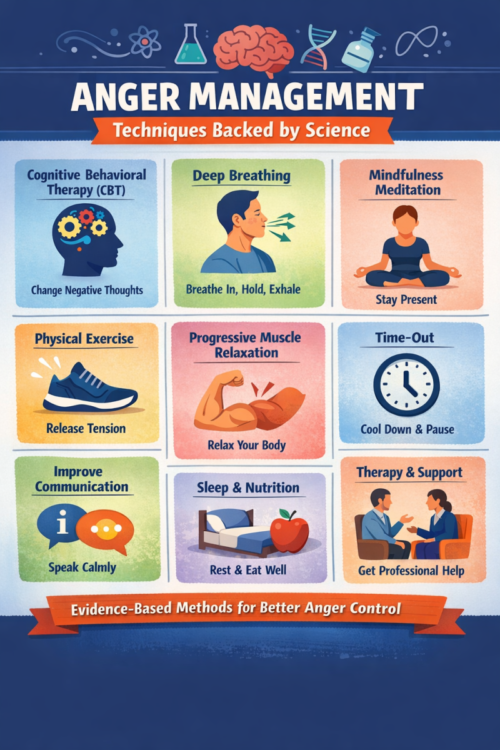
Cognitive Behavioral Therapy (CBT) Techniques
Identifying Thought Patterns
Cognitive Behavioral Therapy is among the most evidence based treatments for anger. It teaches people to recognize irrational or negative thinking patterns that are fueling their rage, like catastrophizing, or personally taking offense.
Reframing Reactions
CBT helps the individuals to restore its effect by replacing irrational thoughts with rational ones. This acts to modulate the intensity of emotion, and provide a more adaptive response. Because of strong CBT’s research evidence, many programs within a Mental Health Rehab Center use it as basis for dealing with anger.
Mindfulness and Emotional Regulation
Neuroimaging studies strongly support mindfulness-based interventions. They’re about helping people pay attention to their feelings without judgment and cut down on impulsive behaviors.
Benefits of Mindfulness
- Improved emotional awareness
- Reduced stress hormone levels
- Enhanced self-control during triggering situations
Mindful breathing and body scan practices can be gently introduced in mental health rehabilitation programs to promote emotional stability.
Relaxation and Stress Reduction Techniques
Anger is a response that increases as the body stays in perpetual readiness. Evidence-based relaxation techniques soothe the nervous system.
Effective Methods Include
- Deep breathing exercises
- Progressive muscle relaxation
- Guided imagery
These are usually taught in a Mental Health Rehab Center to assist with controlling physiological reactions before anger becomes too much.
Developing Healthy Communication Skills
Miscommunication is one of the root causes of anger issues. Studies have found that speaking up directly decreases confusion and emotional outbursts.
Skills Being Taught in a Rehab Environment
- Expressing feelings without blame
- Active listening
- Setting healthy boundaries
Communication training is a common part of anger management done at New Hope Rehab and Caring Centre Islamabad, to help facilitate healthier relationships between people.
Lifestyle and Behavioral Adjustments
In the scientific literature, lifestyle factors have been pointed out to affect emotional regulation. Irritability and emotional reactivity are further intensified with sleep deprivation, poor diet or lack of exercise.
Supportive Lifestyle Changes
- Regular physical activity
- Balanced nutrition
- Consistent sleep routines
At an organized Mental Health Rehab Center, developing a structured routine is all to help establish habits are conducive to emotional stability.
The Role of Professional Support
Self-help techniques can assist, but occasionally professional help may be required if anger disrupts daily life. Licensed mental health experts offer evaluation, custom treatment plans and continued care.
At New Hope Rehab and Caring Centre Islamabad we pursue “Anger management” ethically, conceptually and holistically. Aims of care plans Care plans should be respectful of individual need, while applying evidence-based psychological techniques.
Anger Management FAQs and Mental Health Rehabilitation
1. Is an angry person always mentally ill?
No, anger is an OK feeling. But, if it gets persistent, severe or detrimental, then a professional help offered at Mental Health Rehab Center can be of great benefit.
2. How much time does anger management therapy require?
How long it takes also depends on the specific requirements of the person as well as emotional history and simultaneous issues. The development is slow and steady, emphasizing the long term skill progress.
3. Is anger management applicable to anxiety or depression?
Yes, research suggests that better emotional regulation is associated with less anxiety, depression and mental well-being.
4. Does anything prove that anger management techniques work?
Yes, CBT, mindfullness and relaxation training are grounded in a large body of psychological research.
5. When is it time to get professional help for anger issues?
Professional assistance is advisable if anger is sabotaging relationships, work, physical health or your own well-being.
Conclusion
Anger management is not about burying angry feelings, but rather knowing how to respond constructively. Evidence-based strategies like cognitive behavioral therapy, mindfulness, relaxation training and communication skills are crucial in emotional regulation. There are professional Mental Health Rehab Centers that offer structured, ethical and caring help for long-term recovery.
In New Hope Rehab & Caring Centre Islamabad, anger management is the part of complete mental health service which we’ll offer with respect and professionalism that brings effective evidence based approach. With the proper kind of support and methods in place, we can all find a way to balance our emotions, build stronger connections, and experience life more fully.