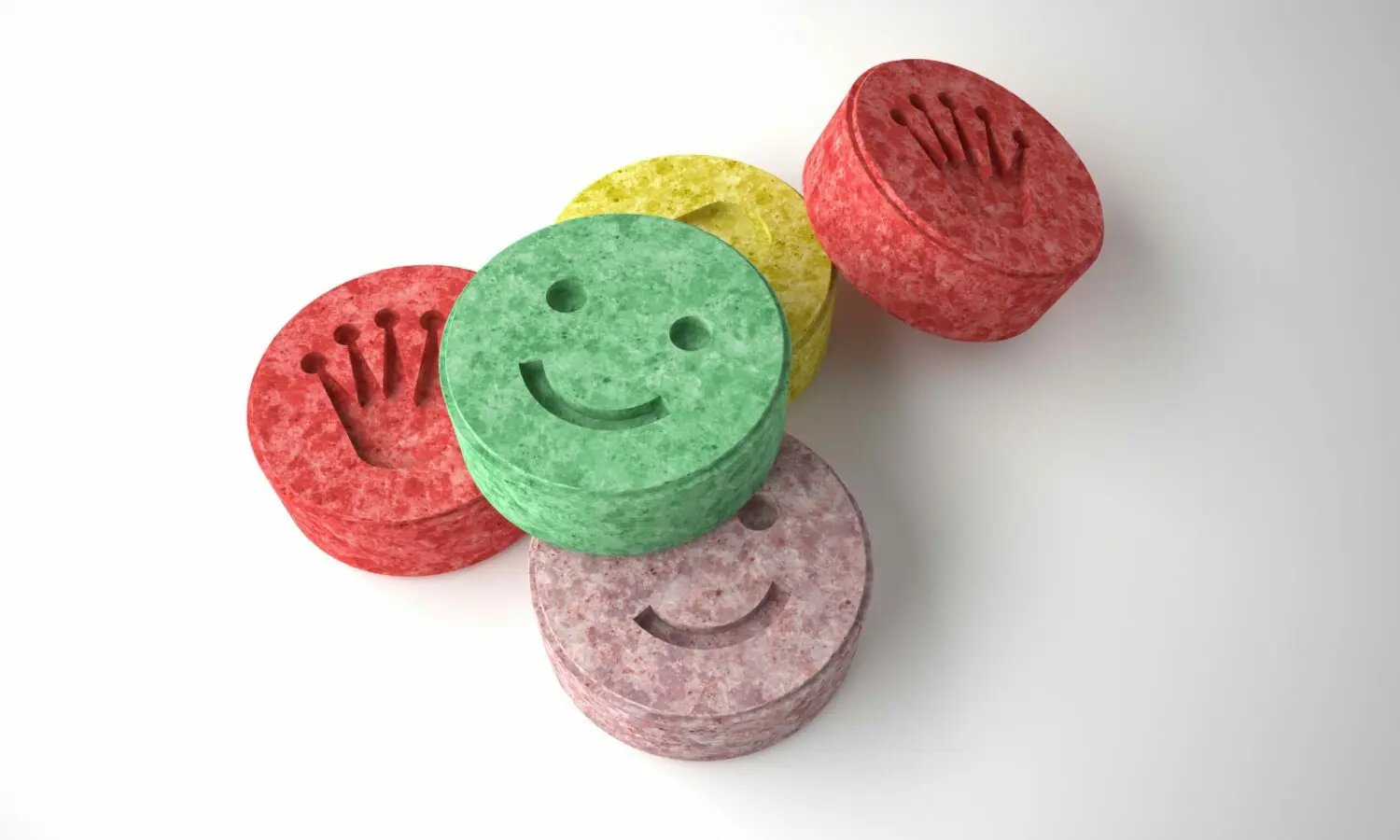
MDMA, widely known as ecstasy, is often thought to be a “safe” party drug. Some think the occasional use does not pose a high risk, particularly in comparison to other drugs. But science and experience in the clinic tell a different story. An understanding of the longterm impact of MDMA on the brain is a necessity for those searching for valid information, and ethical care. As a reliable Addiction Treatment Centre in Islamabad New Hope Rehab and Caring Center have committed to address need of awareness, prevention and recovery strategies based on medical evidence, not populist myths.
Know Ecstasy (MDMA) And How It Effects Your Brain
Ecstasy is a manmade, mind-altering drug that affects mood and emotional responses. It mainly functions by enhancing the action of serotonin, dopamine and norepinephrine in the brain. Serotonin is responsible for controlling mood, sleep, memory and appetite. When the MDMA floods the brain with too much serotonin, it induces temporary feelings of bliss, emotional closeness and energy.
But that rush of chemicals is also wreaking havoc on brain cells. Repeated exposure may disrupt the brain’s natural balance, making it harder for neurons to function without the drug even after it has cleared from the system. This disturbance may lead to long-term neurological and psychological consequences.
Can MDMA Damage Our Brains?
Studies show that using ecstasy over long periods or heavy use of the drug has negative effects on its user´s brain, leading to lasting structural changes and alteration in functions. Brain-imaging studies have also demonstrated reduced serotonin activity among regular MDMA users. And it may not come all the way back, especially after prolonged use; permanent brain damage is a very real risk in some people.
This risk is heightened when consumed in high doses or used with alcohol, dehydration, overheating and multiple dosing also add to this risk. This is not the type of damage that every user will sustain, but it can happen, so don’t dismiss it.
Long-Term Cognitive and Memory Impairments
Effects of Ecstasy Use The impact on memory and learning is one of the most commonly reported effects with use of ecstasy. Long term users of MDMA may experience impaired concentration, short-term memory loss, or difficulties with attention. These cognitive effects may impact academic and work performance, as well as day-to-day decision-making.
Even after quitting the drug, memory issues can persist, especially with long-term use. This again stresses on the significance of early treatment and professional guidance through a competent Addiction Treatment Centre in Islamabad at the emergence of ecstasy abuse.
Emotional and Mental Health Consequences
Apart from cognitive deficits, the use of ecstasy is highly associated with emotional and psychiatric disorders. Because it disrupts regulation of serotonin, aftereffects from use can include depression, anxiety, irritability and mood swings when the drug has worn off. These symptoms may persist for long periods of time in some situations.
There is also evidence implicating the relationship between MDMA intake and a higher lifetime risk for panic disorders as well as emotional instability. Ecstasy can make symptoms worse and recovery more difficult — especially for people with pre-existing mental health disorders.
5 Neurological toxicity and alterations of brain structure
Long term use of ecstasy can affect brain structure. Studies indicate a potential injury to the serotonin-producing neurons that are integral for emotional regulation and cognition. Injury to these tracts might disrupt the brain’s ability to send and receive information, resulting in long-term neurological problems.
Indeed, MDMA use has been correlated with sleep disorders and changes to brain rhythms. Low quality sleep also affects brain health, emotional stability and overall well-being.
Causes that Increase Your Child’s Risk of Brain Injury
Not all ecstasy users are at equal risk of harm. There are some things that can greatly increase the chances of having permanent brain damage:
- Frequent or high-dose use
- Using ecstasy at an early age when the brain is still forming
- Combining alcohol or other drugs with MDMA
- Dehydration and Heat Stress in Use
- Pre-existing mental health conditions
Knowing these risks helps people make decisions and to know when they may need professional help.
The Impact of Professional Addiction Treatment
Redemption from ecstasy use is about more than merely giving up the drugs: physical, mental and emotional well-being must also be regained. A good Addiction Treatment Centre in Islamabad offers a framework of care that deals with addiction issues and the core reasons behind them.
At the New Hope Rehab and Caring Centre Islamabad, treatment modalities are tailored to provide brain healing, help with withdrawal symptoms and enhance psychological well-being. A combination of evidence-based treatments, medical management and emotional support help to restore stability in one’s life.
Soul to Brain Recovery and Healing
The brain has a powerful capacity for healing, particularly if substance use ends early. Although some damage wrought by ecstasy can be permanent, most people see great improvement in their mood and memory and thinking abilities after getting the right care and going through recovery.
Healthy diet, sleep hygiene, stress reduction and treatment support brain recovery. Early intervention makes a dramatic difference in the long-term recovery outcome or permanent damage.
Frequently Asked Questions (FAQs)
1. Is occasional use of ecstasy still capable of damaging the brain?
Yes, even recreational use can influence brain chemistry, especially with high doses or in combination with other drugs. Risk rises as people are exposed again and again.
2. Is brain injury from ecstasy always lasting?
Not always. Some effects may get better after you stop using, but others especially if done long-term can be long-lasting or permanent.
3. How long does it take for your brain to recover from MDMA?
Recovery period differs from person to person, according to previous use and so on during addiction as well as general health and access to professional care. Some enhancements can start to appear within months, but others may be more gradual.
4. Will ecstasy still affect our mind even if we stopped it?
Yes, some people still feel depressed, anxious, or moody after they have quit smoking (particularly if you haven’t gotten any support and treatment),.
5. When to Get Help at an Addiction Treatment Centre?
Assistance should be sought if the use of ecstasy is frequent, affecting emotional and cognitive state or interfering with daily functioning. Results are better when treatment is started early.
Conclusion
Ecstasy is often considered a benign drug, but scientific evidence reveals that this popular recreational drug carries serious risks and can produce neurometabolic effects that could have deadly consequences for the brain. Between memory issues and mood instability, the long-term or permanent brain damage risk is real, especially with continued use. It’s all about awareness, education and early intervention to prevent and recover.
For those who are looking for honest, ethical care and treatment, New Hope Rehab and Caring Centre Islamabad is your trusted Addiction Treatment Centre in Islamabad dedicated to caring with integrity, medical good practice and ultimately the health & wellness of our patients.