Community Programs Tackling Prescription Drug Addiction | Best Alcohol Addiction Treatment Centers

Treatment for prescription abuse is a concern not only locally, but nationally and globally as well.addic Current trends Prescription drug addiction has become an increasing problem across the nation. Leading the way in this fight has been New Hope Rehab and Caring Centre Islamabad, who have continued to work-hard to find ways to help people affected by drug addiction. This article discusses interventions that may be available at a community level, strategies to address prescription drug abuse and the role of specialized centers in delivering holistic care.

Understanding Prescription Drug Addiction

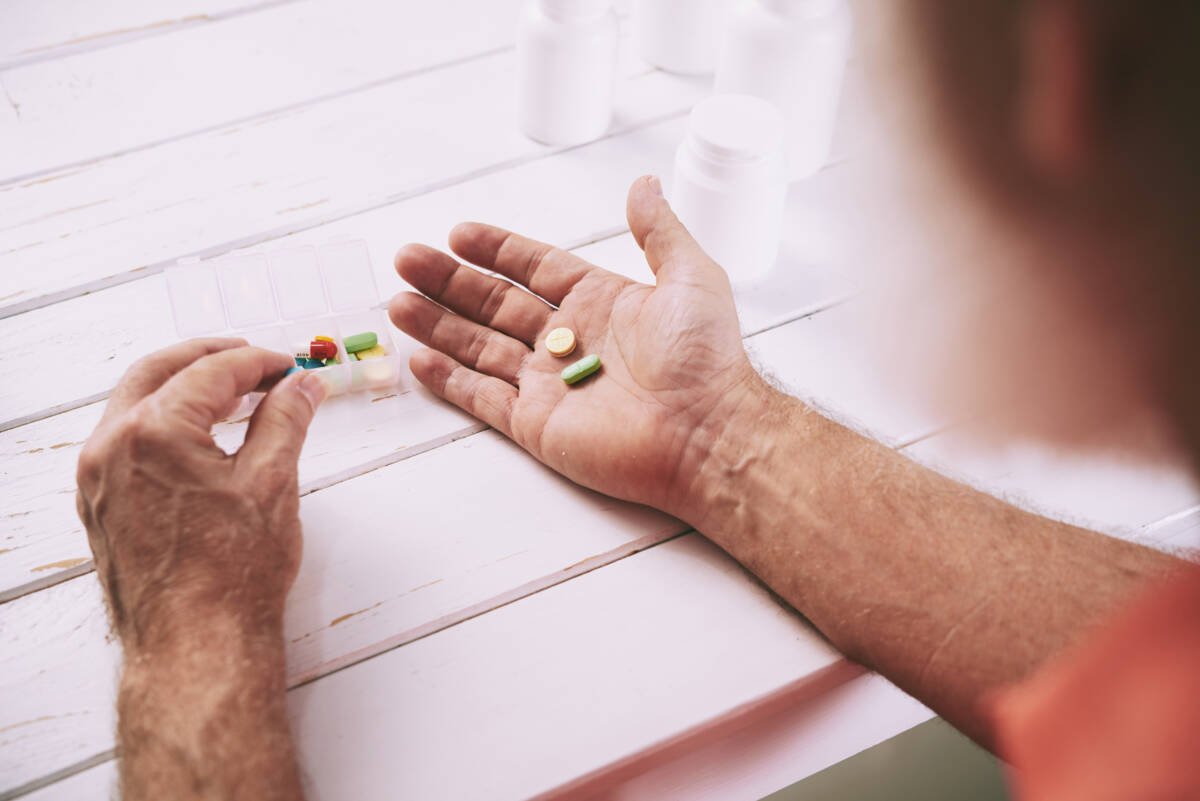
Prescription drug abuse Prescription drug addiction is an illness wherein a person becomes compulsively dependent upon drugs such as opioids, benzodiazepines or stimulants. Although these drugs are scheduled and prescribed for valid medical purposes, when abused, they can cause addiction and adverse health effects over long periods of use. Domestic violence shares many risk factors with suicidality, such as chronic pain, psychiatric comorbidity and substance abuse.

Community programs are critical because they take assistance outside of clinical environments, offering education, support and interventions in the places where people live and work. These are programs designed to not only address addiction, but also ones meant to ensure addiction doesn’t spiral out of control within the community.

The Role of Community Programs

Community initiatives have many roles in the management of prescription drug addiction.

1. Prevention Education: Programs provide education about the hazards of prescription drug abuse and misuse, while promoting responsible use. They conduct educational workshops, public seminars and campaigns to debunk myths about addiction and help eliminate stigma so that people will seek help sooner rather than later.

2. Early Intervention: Identifying the substance abuse early is key. Canvassing by community programs, which will screen and do outreach to catch risky behavior before it becomes full-blown addiction. This early hit reduces the risk of full recovery.

3. Social Support: Recovery from addiction is more manageable with support networks. Community programs commonly result in peer support groups, family counseling meetings and mentor relationships that help promote a sense of connectedness and responsibility.

4. Partnership with Rehab Centers: Initiatives also collaborate with licensed residential treatment centres including New Hope Rehab and Caring Centre Islamabad, to provide a seamless process of referral and follow-up care. Partnerships like these scale the collective reach of community interventions.

Curing the Prescription Drug Abuse Epidemic: Key Initiatives for Addressing an Escalating Problem

Effective community programs use evidence-based approaches that are adapted to the specific characteristics of their population. Some of the best strategies are:

Educational Outreach and Workshops

Education programmes for schools, workplaces and health care practices. Through educating individuals about the dangers of misusing prescription drugs, how to recognize early signs of addiction and the crucial need for proper medication management, these programs build knowledgeable communities that can make wiser decisions.

Peer Support and Mentorship Programs

Peer accountability programs provide individuals in recovery an opportunity to share their experiences and strategies with others who are going through the same thing. Mentorship programs give individuals the tools they need to follow through with recovery and avoid relapse by offering motivation, accountability and emotional support.

Family Engagement and Counseling

Addiction reaches beyond the person and affects their family. Family focus projects provide relatives with information and coping strategies enabling more effective assistance to their loved ones. Sessions also provide families with guidance to help them through the emotional and mental challenges the disease of addiction brings.

Accessible Treatment Options

Community-based efforts consist of linking those individuals with a treatment facility. Such places as New Hope Rehab and Caring Centre Islamabad offer personalised treatment plans, medically managed withdrawal (detox) treatments, therapy sessions, aftercare assistance—all of which contribute to recovery for long term. Emphasizing your top alcohol addiction treatment centers as well as drug prescription facilities, mean patients get the best possible multiple substance care.

Monitoring and Follow-Up

Continual follow-up and monitoring are indispensable parts of successful community projects. Contact with participants allows programs to track progress, identify relapses immediately and update care plans to accommodate changing needs.

The Impact of Community Programs

Characteristics of Communities” Quantitative Results For those communities putting into place prescription drug addiction programs, tangible results are apparent. These include:

  • Lower prevalence of prescription drug misuse in at-risk groups.
  • On the rise in awareness and knowledge of addictoin.
  • Increased community cohesiveness and social network of support.
  • Enhanced access to home and family-based professional treatment and rehabilitation services.
  • Improved psychological health and quality of life of the affected.

The program is effective as it integrates preventative efforts, education and direct-treatment referrals, thus offering a comprehensive solution to addressing addiction on various fronts.

Effective Community Programs Best Practices

In order to guarantee the effectiveness of community programs, some best practices are necessary:

1. Data-Driven Techniques: The use of evidence and data to determine where high-risk areas are, directing interventions, and assessing the impact.

2. Interdisciplinary Collaboration: Engaging healthcare, social workers, educators and law enforcement to develop holistic systems of support.

3. Ongoing Training: Educating the program facilitators about new trends in prescription drug misuse and how to reach recovery.

4. Culture-Specific Programming: Developing programmes that are culturally and socially relevant for the community enabling better participation and effectiveness.

5. Sustainable Funding: Ensuring we are able to provide the funding for long-term programs and grow geographically across more people.

Role of Rehabilitation Centers

Community based outreach programs can contribute in increasing awareness, prevention and initial aid but professionally qualified rehabilitation centers are essential for organized treatment. The New Hope Rehab & Caring Centre Islamabad also represents a continuum of care involving medical, psychiatric and social support. Their programs are designed to deal with the intricate issues surrounding addiction and provide:

  • Detoxification with professional medical help to ease withdrawal.
  • Behavioral therapies, individual or group sessions.
  • Family therapy to repair relationships and create support networks.
  • Post-rehab services, such as relapse-prevention techniques and ongoing counseling.

Involvement with community programs These centers partner and collaborate with community programs in the continuum of care, which means that there’s a greater likelihood of lifetime recovery. For those who are looking to find dependable treatment options, consider the best alcohol addiction treatment centers as you will have your substance abuse and co-occurring conditions treated in their entirety.

New Developments in Community-Oriented Addictions Programs

Innovation is still a driving force in how communities approach prescription drug addiction. Some emerging trends include:

  • Telehealth and Digital Support Platforms: Online therapy and virtual group sessions make it easier to access help, particularly in rural areas.
  • Harm Reduction Based: Programs aimed at reducing the adverse effects of drug use – such as proper disposal of prescription drugs and overdose prevention education.
  • Peer-Led Education: Such empowers professionals who are recovering and those who successfully have done so, to educate and mentor others, association them with a model which is likely relatable.
  • Mental Health Infusion: Treating mental health issues in addition to addiction is also essential to positive treatment results.

Frequently Asked Questions (FAQs)

1. How can community programs deter prescription drug addiction?

Community-based programs create awareness, offer early intervention, and deliver social support to help people identify dangers and ask for assistance before they become addicted.

2. What kind of assistance can families receive from the programs?

Families receive education, counseling and tools for empowering their loved one and taking care of their own emotional health.

3. The community programs are affiliated with professional treatment centers.

Yes, programs do work with rehab facilities such as New Hope Rehab andCaring Centre Islamabad to ensure that participants receive comprehensive attention.

4. Can such programs address alcohol addiction too?

Absolutely. Many community programs target several types of substance use disorders, and coordinating with the best alcohol addiction rehab facilities can provide tailored care.

5. How can I help with programs in my area to treat prescription drug addiction?

You can get involved in workshops, volunteering, or peer support groups as appropriate that are available in your local area.

Conclusion

Community programs focusing on prescription drug addiction are necessary to create strong, educated and supportive communities. With a mix of education, prevention and working alongside specialist centers such as New Hope Rehab and Caring Centre Islamabad these programs offer a rounded approach to battling addiction. To maintain the integrity of substance use disorders, access to the top alcohol addiction rehab facilities is provided as well.

Community-based solutions to addiction influx are as equally capable of ensuring that less people end up slaves to addiction and instead, be a part of healthy, safe, connected communities. For people struggling, and families hoping to provide support, accessing and using those programs can represent a key step on the road back to recovery and a healthier life.

Related Article

Prescription Drug Addiction

Community Programs Tackling Prescription Drug Addiction | Best Alcohol Addiction Treatment Centers

Treatment for prescription abuse is a concern not only locally, but nationally and globally as well.addic Current trends Prescription drug addiction has become an increasing problem across the nation. Leading the way in this fight has been New Hope Rehab and Caring Centre Islamabad, who have continued to work-hard to find ways to help people affected by drug addiction. This article discusses interventions that may be available at a community level, strategies to address prescription drug abuse and the role of specialized centers in delivering holistic care. Understanding Prescription Drug Addiction Prescription drug abuse Prescription drug addiction is an illness wherein a person becomes compulsively dependent upon drugs such as opioids, benzodiazepines or stimulants. Although these drugs are scheduled and prescribed for valid medical purposes, when abused, they can cause addiction and adverse health effects over long periods of use. Domestic violence shares many risk factors with suicidality, such as chronic pain, psychiatric comorbidity and substance abuse. Community programs are critical because they take assistance outside of clinical environments, offering education, support and interventions in the places where people live and work. These are programs designed to not only address addiction, but also ones meant to ensure addiction doesn’t spiral out of control within the community. The Role of Community Programs Community initiatives have many roles in the management of prescription drug addiction. 1. Prevention Education: Programs provide education about the hazards of prescription drug abuse and misuse, while promoting responsible use. They conduct educational workshops, public seminars and campaigns to debunk myths about addiction and help eliminate stigma so that people will seek help sooner rather than later. 2. Early Intervention: Identifying the substance abuse early is key. Canvassing by community programs, which will screen and do outreach to catch risky behavior before it becomes full-blown addiction. This early hit reduces the risk of full recovery. 3. Social Support: Recovery from addiction is more manageable with support networks. Community programs commonly result in peer support groups, family counseling meetings and mentor relationships that help promote a sense of connectedness and responsibility. 4. Partnership with Rehab Centers: Initiatives also collaborate with licensed residential treatment centres including New Hope Rehab and Caring Centre Islamabad, to provide a seamless process of referral and follow-up care. Partnerships like these scale the collective reach of community interventions. Curing the Prescription Drug Abuse Epidemic: Key Initiatives for Addressing an Escalating Problem Effective community programs use evidence-based approaches that are adapted to the specific characteristics of their population. Some of the best strategies are: Educational Outreach and Workshops Education programmes for schools, workplaces and health care practices. Through educating individuals about the dangers of misusing prescription drugs, how to recognize early signs of addiction and the crucial need for proper medication management, these programs build knowledgeable communities that can make wiser decisions. Peer Support and Mentorship Programs Peer accountability programs provide individuals in recovery an opportunity to share their experiences and strategies with others who are going through the same thing. Mentorship programs give individuals the tools they need to follow through with recovery and avoid relapse by offering motivation, accountability and emotional support. Family Engagement and Counseling Addiction reaches beyond the person and affects their family. Family focus projects provide relatives with information and coping strategies enabling more effective assistance to their loved ones. Sessions also provide families with guidance to help them through the emotional and mental challenges the disease of addiction brings. Accessible Treatment Options Community-based efforts consist of linking those individuals with a treatment facility. Such places as New Hope Rehab and Caring Centre Islamabad offer personalised treatment plans, medically managed withdrawal (detox) treatments, therapy sessions, aftercare assistance—all of which contribute to recovery for long term. Emphasizing your top alcohol addiction treatment centers as well as drug prescription facilities, mean patients get the best possible multiple substance care. Monitoring and Follow-Up Continual follow-up and monitoring are indispensable parts of successful community projects. Contact with participants allows programs to track progress, identify relapses immediately and update care plans to accommodate changing needs. The Impact of Community Programs Characteristics of Communities” Quantitative Results For those communities putting into place prescription drug addiction programs, tangible results are apparent. These include: Lower prevalence of prescription drug misuse in at-risk groups. On the rise in awareness and knowledge of addictoin. Increased community cohesiveness and social network of support. Enhanced access to home and family-based professional treatment and rehabilitation services. Improved psychological health and quality of life of the affected. The program is effective as it integrates preventative efforts, education and direct-treatment referrals, thus offering a comprehensive solution to addressing addiction on various fronts. Effective Community Programs Best Practices In order to guarantee the effectiveness of community programs, some best practices are necessary: 1. Data-Driven Techniques: The use of evidence and data to determine where high-risk areas are, directing interventions, and assessing the impact. 2. Interdisciplinary Collaboration: Engaging healthcare, social workers, educators and law enforcement to develop holistic systems of support. 3. Ongoing Training: Educating the program facilitators about new trends in prescription drug misuse and how to reach recovery. 4. Culture-Specific Programming: Developing programmes that are culturally and socially relevant for the community enabling better participation and effectiveness. 5. Sustainable Funding: Ensuring we are able to provide the funding for long-term programs and grow geographically across more people. Role of Rehabilitation Centers Community based outreach programs can contribute in increasing awareness, prevention and initial aid but professionally qualified rehabilitation centers are essential for organized treatment. The New Hope Rehab & Caring Centre Islamabad also represents a continuum of care involving medical, psychiatric and social support. Their programs are designed to deal with the intricate issues surrounding addiction and provide: Detoxification with professional medical help to ease withdrawal. Behavioral therapies, individual or group sessions. Family therapy to repair relationships and create support networks. Post-rehab services, such as relapse-prevention techniques and ongoing counseling. Involvement with community programs These centers partner and collaborate with community programs in the continuum of care, which means that there’s a greater likelihood of lifetime recovery. For those who are looking to find dependable treatment options, consider the best alcohol addiction treatment centers as you will have your substance abuse and co-occurring conditions treated in their entirety. New Developments in Community-Oriented Addictions Programs Innovation is still a driving force in how communities approach prescription drug addiction. Some emerging trends include: Telehealth and

Mindfulness Therapy

Mindfulness Therapy in Group Counseling Sessions at Mental rehabilitation center in Islamabad Pakistan

The face of mental health care has been changing, and today’s treatments are a mixture of clinical know-how, alternative therapies, however outdated. One of these successful methods is mindfulness therapy in the context of group counselling, which has been widely recognized during last years. At New Hope Rehab and Caring Centre Islamabad, this approach is thoughtfully imbedded into organized protocols of treatment in order to help the patient maintain emotional balance, learn to cope with stressors effectively and ensure lifelong sobriety. Trusted name in Mental Health We offer ethical and evidence based care; helping individuals to recover in a supportive and professional environment. This article discusses how mindfulness therapy operates in the context of group counseling and why it is essential for psychological recovery. Understanding Mindfulness Therapy Mindfulness therapy is a type of talk therapy that focuses on teaching patients to take every thought and feeling in stride, without reacting negatively. It is focused awareness of thoughts, feelings and sensations in the body with a gentle and self-accepting attitude. This type of therapy is utilized for: Anxiety disorder treatment Depression recovery programs Trauma-informed therapy Addiction recovery support Stress management programs During the process of becoming mindful, as people learn to pay attention to thoughts and not immediately react and latch on to these thoughts, they also develop emotional regulation capacities, healthier ways of engaging in their lives. At a professional Mental health treatment center Islamabad Pakistan, mindfulness therapy is facilitated by mental health professionals who keep the sessions safe, structured, and clinically sound. The Role Of Group Counseling In Mental Health Treatment Through groups, participants share a cathartic experience with others experiencing the same difficulties while monitored by professional therapists. In contrast to individual therapy group therapy is more focussed on the support of peers, common experiences and growth together. Why Group Therapy Matters Some therapeutic advantages of group therapy are: Reduced feelings of isolation Development of social skills Peer encouragement and accountability Improved communication skills Exposure to diverse perspectives So when you bring mindfulness into a group form, people learn to not only be self-aware but they also become good listeners who practice empathy and non-judgmental behavior toward others. At the New Hope Rehabilitation and Caring Centre Islamabad, group therapy is moderated so that confidentiality, emotional safety and lines of professionalism are not crossed. The Benefits of Mindfulness Therapy in Group Counseling Mindfulness can be combined with group therapy to a powerful therapeutic effect. Participants take part in exercises, designed to increase awareness and build group unity. 1. Guided Breathing and Meditation Sessions often start with breathing exercises or brief guided meditations. These activities serve to soothe the nervous system and prepare attendees for open dialogue. 2. Body Scan Techniques The body scan is an exercise that allows individuals to direct attention to physical sensations. This method enhances mind-body synchronization and lowers the stress response. 3. Thought Awareness Exercises They also get better at noticing negative thought patterns without being overtaken by them. This is a very useful tool for people dealing with anxiety or depression. 4. Mindful Communication Practices Active listening and respectful speaking are modeled in the group. This leads to increased emotional intelligence and better social skills. The mindfulness-based practices offered in this reputable Mental rehabilitation center in Islamabad Pakistan are modified to accommodate different individuals, guaranteeing culturally aware and clinically relevant care. Advantages of Mindfulness Therapy for Mental Recovery Group-based mindfulness treatment has numerous beneficial effects on recovery. It is not a fast-track solution, but allows for emotional growth, slowly but steadily. Emotional Regulation Attendees receive the training to serve as thoughtful rather than reactive responders. This is particularly helpful in anger management and addiction recovery centres. Reduced Anxiety and Stress Putting in time to practise mindfulness reduces stress and increases resiliance. People are better able to cope with daily stressors. Improved Self-Awareness It is essential to know your personal triggers and emotional patterns for mental health recovery. Mindfulness strengthens this awareness. Stronger Social Connections Group dynamics are built on a foundation of empathy and respect, making feelings of isolation – which often accompany mental health problems – lessened. New Hope Rehab and Caring Centre Islamabad uses mindfulness therapy as one component of a personalized mental health rehabilitation treatment approach at the facility. Who might benefit from guided mindfulness-based group therapy? What is a group program for Individual Therapy problems? Depression and mood disorders Anxiety and panic disorders Substance use recovery Post-traumatic stress symptoms Emotional instability Chronic stress However, it is important to note that eligibility for treatment is determined only by mental health professionals. A professional Rehabilitation centers in Islamabad Pakistan will perform extensive screenings before suggesting such group-based programs. Clinical Supervision and Ethical Considerations There are ethical responsibilities within health-related services. New Hope Rehab and Caring Centre Islamabad carries out group therapy under the strict professional regulation. Key ethical elements include: Confidentiality protection Non-judgmental therapeutic environment Individual risk assessment Trauma-informed care practices The importance of lifespace Respect for cultural and personal values Mindfulness therapy is used in moderation and to supplement, rather than replace, medical or psychological treatment. Integration with Comprehensive Rehabilitation Programs Mindfulness therapy is the most effective when used in conjunction with other empirically supported treatments. These may include: Cognitive Behavioral Therapy (CBT) Individual psychotherapy Family counseling sessions Psychiatric evaluation and medication management Behavioral therapy interventions In structured Mental Rehabilitation institutions in Islamabad Pakistan, treatment schedules are customized and supervised frequently by competent persons. Why a Structured Setting Matters Contributing to the literature Much research has demonstrated that mindfulness is an effective technique for treating addictive behaviours, and can improve symptoms of anxiety and depression (WHo 2014). Mindfulness practiced alone even in professional settings is helpful, but there are certain benefits derived from participating in structured group sessions in a professional rehabilitation environment: Consistency and routine Professional guidance Immediate emotional support Safe therapeutic boundaries New Hope Rehab and Caring Centre we offer a peaceful, structured environment to help facilitate your recovery and emotional well being. Common Myths Associated With Mindfulness Therapy And The Truth Behind Them Other people just think of mindfulness as something spiritual, or less formal. Nevertheless, contemporary mindfulness based treatments are evidence-based and well-established in mental health intervention. Another myth is that mindfulness reduces suffering immediately. In fact, it encourages people to build healthier relationships with tough emotions over time. An experienced

Methamphetamine Addiction

Withdrawal Symptoms of Meth Addiction and How to Manage Them – Best Addiction Rehabilitation Center in Islamabad Pakistan

Methamphetamine dependence is a significant and increasing health issue in individuals, their families and the communities of Pakistan. Knowing what to expect from meth withdrawal symptoms and how to handle them is key to successful addiction recovery. At New Hope Rehab and Caring Centre Islamabad We know, that the ease with which healthcare experts share information, provide news of comprehensive care and evidence-based treatments that are key to helping patients take control of their lives. Our priority is to offer ethical and patient – centered care based on medical expertise while being supported by our experts, delivered affordably and efficiently. This guide discusses meth withdrawal symptoms, the detoxification process and what one can expect from professional treatment in order to overcome this addiction for good. Understanding Meth Addiction Methamphetamine – commonly known as meth, crystal meth and ice – is an incredibly dangerous and addictive stimulant. It works in the central nervous system and raises dopamine in the brain to produce challenging euphoria, energy and alertness. But long-term effects are serious physical, emotional and psychological damage. It doesn’t take long before the brain gets hooked on meth to pump out dopamine. When someone ceases using the drug, the body has a hard time of it, resulting in withdrawal symptoms. It can be physically painful and emotionally distressing, so please don’t try this without professional addiction treatment. What Causes Meth Withdrawal Symptoms? Meth withdrawal happens because the brain has become dependent on how it operates with the drug around. After meth use ends, the dopamine level falls precipitously. This imbalance of chemicals causes physical and emotional symptoms. Unlike other drugs, meth withdrawal is not usually deadly. But it can be quite severe, and that level of intensity may also come with serious depression, anxiety and cravings that heighten the chances of a relapse. Supervised care in a reputable institution such as New Hope Rehab and Caring Centre Islamabad provides physical safety and emotional support at this sensitive time. Frequent Withdrawal Symptoms of Methamphetamine Abuse Symptoms of withdrawal vary based on your length of use, the interval between doses, dosage and general health. These are some of the common symptoms: 1. Intense Drug Cravings Meth Cravings Meth cravings can be some of the most difficult to endure when withdrawing from meth. There is a strong desire to reuse, especially in the first week of the detox. 2. Severe Fatigue Meth gets the body going often for long stretches of forced wakefulness. When you stop using, fatigue and lack of energy is widespread. 3. Depression and Mood Swings Depletions of dopamine can induce sadness, depression, and emotional fragility. In some cases, these can be suicidal thoughts and need immediate help by a professional. 4. Anxiety and Irritability Early withdrawal presents with symptoms of restlessness, agitation and increased anxiety. 5. Sleep Disturbances Some are unable to sleep, some (that know me) can’t stop sleeping and though their body desperately craves it, they can not stay asleep. 6. Increased Appetite Meth suppresses appetite. Hunger can also spike while withdrawing. 7. Cognitive Difficulties Difficulty focusing, remembering or deciding is typical during detox. Understanding these symptoms is the first step for individuals and families to prepare themselves for doing recovery work in a balanced way. Timeline of Meth Withdrawal Differences in individuals’ experiences aside, meth withdrawal generally proceeds according to this timeline: First 24–72 Hours Often, it is the most intense time. Fatigue, depression, anxiety and cravings set in as symptoms begin to emerge. First Week Emotional symptoms peak. You can be irritable, tired and moody. Weeks 2–4 The physical symptoms should improve over time, but some psychological symptoms such as mood swings and cravings may persist. Long-Term Recovery Some people get these withdraw symptoms by developing Post Acute Withdraw Syndrome (PAWS). Therapy in an ongoing process and support is essential during this stage. At the Best addiction rehabilitation center in Islamabad Pakistan, we offer meth detox and rely on care to support those struggling at every phase of withdrawal. Why Professional Detox Is Important Trying to stop meth use without medical and psychological assistance may also be a risk factor for relapse. Symptoms of withdrawal could be overwhelming, particularly feelings of depression and cravings. Professional detox offers: 24/7 medical supervision Mental health monitoring Emotional counseling Safe and supportive environment Structured treatment plans At:NHRC Islamabad, at detox is a process that happens under strict supervision focusing on creating maximum safety and comfort to ensure that client dignity remain untainted. How to Cope with Meth Withdrawal What Are the Meth Withdrawal Symptoms? Coping with meth withdrawal involves a mix of medical attention, psychological intervention, and lifestyle changes. The following are the main strategies utilised in evidence-based addiction recovery programmes. 1. Medical Supervision There are no medications specifically approved for treating meth withdrawal, however, doctors do have medications they can prescribe to help with other symptoms like depression, anxiety or difficulty sleeping. It’s key to keep a close eye on mental health, particularly in the early days of detox. 2. Psychological Support and Counseling Therapy is a crucial component for coping with withdrawal and avoiding relapse. Common therapeutic approaches include: Cognitive Behavioral Therapy (CBT) Motivational Interviewing Individual counseling Group therapy sessions Trainees in therapy learn what their triggers are, how to deal with them and then how to recover from a fall. 3. Structured Routine and Healthy Lifestyle A good solid schedule helps you recover. Key elements include: Balanced nutrition Adequate sleep Light physical activity Stress management techniques Healthy behaviors contribute to the recovery of strength and wellbeing in body and mind. 4. Family Support and Involvement Addiction affects families as well. Counseling, particularly family counseling, can help improve communication, reestablish trust and provide a supportive home environment. At New Hope Rehab and Caring Centre Islamabad, if applicable -we positively incorporate the family in to treatment process, because it enhances long-term recovery success. The Role of Long-Term Rehabilitation Detox is only the first step. Rehabilitation – Beyond the crust Rehabilitation can take time and place from several Continues working on rehabilitation issues in the field of Long- term, structured recycling Offenders serving short-term sentence need not necessarily take part as Alcohol using… Comprehensive rehab programs may include: Behavioral therapy Mental health treatment Relapse prevention planning Life skills development Aftercare support Selecting the top and best addiction rehabilitation centre in Islamabad Pakistan is all

Music Therapy

How Music Therapy Enhances Cognitive Skills at a Mental Rehabilitation Center in Islamabad Pakistan

For centuries, humans have included music in their healing traditions. Music therapy has become a formal, evidence-based component of 21st century healthcare and promotes mental, emotional, and cognitive health. Music Therapy and Rehabilitation For those who are rehabilitated, with or without neurological, psychological or developmental disorders, music therapy can have significant effects. Music as an intervention for cognitive rehabilitation is mindfully included at New Hope Rehab and Caring Centre Islamabad in a secure, moral and patient-centric way. This blog deciphers the role of music therapy in the enrichment of cognitive skills and how its demand is proliferating in clinical rehabilitation, and how it’s being seen as an efficacious treatment thanks to cognitive rehab centres for mental patients at mental rehab center in Islamabad Pakistan. Understanding Music Therapy in Mental Rehabilitation Alison: Music therapy is an evidence-based, clinical practice facilitated by professional music therapists. It applies music, including listening, rhythmic exercises, songs used as templates for body movement and interaction, and guided music responding activities in accomplishing therapeutic goals. In the field of mental rehabilitation, it is less about musical performance and more on understanding how music stimulates the brain to help with recovery and function. Music therapy is tailored to meet individual needs in a rehab setting. Whether you’re rehabbing from a brain injury, dealing with mental illness, or just trying to keep your marbles as long as possible, music therapy can help the brain function better in subtle and synergistic ways. Music and Cognitive Function Relationship The human brain processes music in intricate and complex ways, and research explores the twists and turns of the response to music. When we listen or play music, the wide variety of brain areas become engaged at once. Among them are areas of memory, attention, language skills, motor coordination and emotional regulation. This multisensory stimulation is particularly useful in music therapy applied to cognitive rehabilitation. Music is not like a single-task activity, which only engages one part of the brain. For patients at a mental rehab centre in Islamabad Pakistan, this can translate to an increased engagement and attention span as well as improved ability to learn over time. Primary Cognitive Capacities Developed with Music Therapy 1. Memory and Recall The relationship between music and memory is a special one. Common tunes can evoke memory of the distant past in individuals even with severe cognitive loss. Repetition, rhythm and lyric association, commonly employed in music therapy exercises, are aimed to improve short term and long term memory. In New Hope Rehab and Caring Centre Islamabad, therapists can create personalized music sessions to help patients practise reminiscence, sequencing and recognition. This strategy is particularly beneficial for clients who have neurologic disease or age-related cognitive decline. 2. Attention and Concentration For people with mental health issues or conditions that affect the brain, holding one’s focus is often a struggle. Music therapy supports attentional enhancement through structured stimulation of sound. The use of rhythmic patterns, directed listening, and interactive activities helps the patron to sustain attention without becoming overwhelmed. With time these activities would help the people in strengthening their focus on their daily routine tasks a must achieve in any mental rehab center in Islamabad Pakistan. 3. Language and Communication Skills Music and language have overlapping neural circuits. Singing, melody humming, and rhythmic speaking activities may facilitate language comprehension and expression. For those with speech obstacle, music therapy can be an alternative and a less anxious means to work on language. This can be especially beneficial in a rehab setting when patients get discouraged or anxious regarding speech exercises. Music is a healing and “safe” (emotionally) outlet. 4. Executive Function and Problem-Solving Executive functions are skills like planning, organizing, decision-making and flexible thinking. During music therapy, interaction with music activities, such as structured improvisation or rhythm synchronisation (Radocy & Boyle, 2009), can direct the patients to be attentive to stimuli and anticipate a pattern in order to react effectively. You can use your new skills every day. By applying them in a therapeutic environment, over time, people will improve their self-reliance and functionality. 5. Emotional Regulation and Cognitive Balance Emotional health is very interrelated to cognitive capabilities. Psychological factors, such as anxiety, depression and distress emotions may also have a profound impact on the thinking, memory, and attention. The role of music therapy in affective regulation is to aid individuals in recognizing, expressing, and responding to the emotions that are tied to their past history viii. When a person is feeling calm, the mind processes information more efficiently. This overall advantage is what makes music therapy a great adjunct to other therapies offered at New Hope Rehab and Caring Centre Islamabad. Music Therapy within a Hospital Environment of Rehabilitation In professional rehab, music therapy is not a single solution but one piece of the puzzle. It compliments psychological counselling, occupational therapy, behavioral therapy and medical treatment. Why music therapy perfectly fits into a mental rehability center in Islamabad Pakistan is because of its ability to be changed. Sessions can be tailored to accommodate age, culture, cognitive level and personal preference. This flexibility allows for inclusivity and individual care without pretending or misleading about long term, unrealistic claims. The Importance of Music Therapy for Recovery in The Long Run Recovering from brain injury is frequently slow. It may be incrementally small difference, but it’s all about consistency. Participation is encouraged through the use of music therapy, both inviting and non-intimidating. They are more apt to continue participation when therapy feels meaningful, as opposed to clinical. The Caring Funda At New Hope Rehab and Caring Centre Islamabad.Name is based on integrity, patient care and moral responsibility. Philosophically, music therapy embodies this approach by honouring clients’ personal pace and comfort as they are directed toward specific clinical goals. The Significance of Mental Rehabilitation Center in Islamabad Pakistan Individuals and families require access to structured rehabilitation services for ongoing mental health support. There is a mental rehabilitation center in Islamabad Pakistan which works with Safe, Monitored and professionally driven interventions. Integrating evidence-based practices such as music therapy into rehabilitation sites allows treatment centers to consider not only symptoms, but functional and cognitive wellness. And this holistic approach does achieve a better quality of life while avoiding overblown or zero-sum results. Frequently Asked Questions (FAQs) 1. Can anybody attend music therapy? Yes indeed, music therapy can be suitable for