+92 312 7493940

Depression and Anxiety Treatment in Islamabad — Depression and Anxiety Treatment Centre

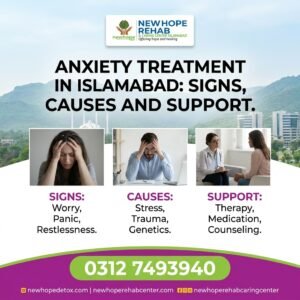
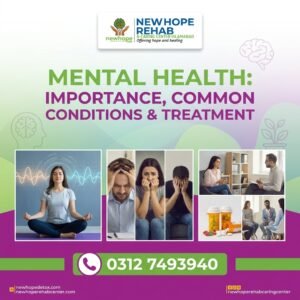
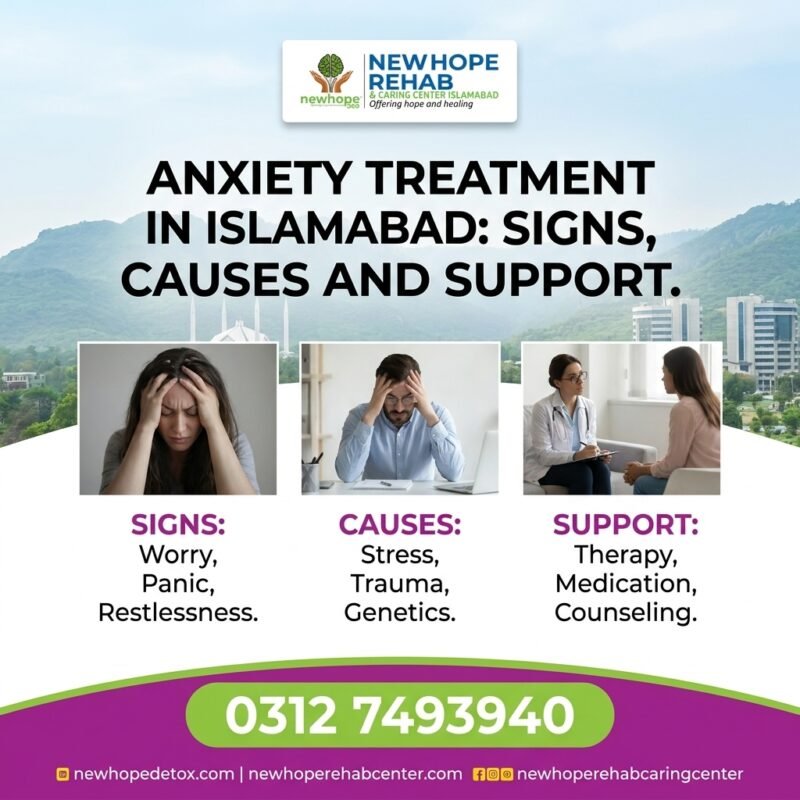
Mental Health is an important aspect of physical well-being, but sometimes we heard about depression and anxiety disorders are not diagnosed and not treated. These disorders can also affect how people think, feel and function in daily life. The experience at the certified depersonalization depression treatment center in Islamabad, Pakistan can give you this trust and live your life more optimally.

New Hope Rehab and Caring Centre Islamabad provide evidence-based, compassionate care that meets each person where they are. It is meant to provide them with a clearer idea of what difficulties they’re experiencing and work on specific solutions as coping mechanisms in the longer term.

Understanding Depression and Anxiety

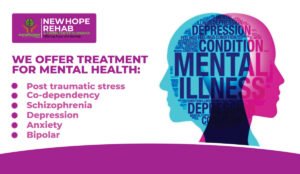
Inevitably, depression and anxiety are two of the biggest mental health disorders. These two problems may be separate but so often they occur together, and this combination-only complicates diagnosis & treatment further.

What is Depression?

Depression is defined by a low mood lasting for weeks, losing interest in activities you enjoyed and fatigue. It can affect your motivation, sleep cycle, and even how you perceive life.

What is Anxiety?

Anxiety is the state of over worrying, fear or shown in nervousness that may interrupt day to day functioning. Includes but is not limited to generalized anxiety disorder, panic disorder, and social anxiety.

Integrated care model for treating both depression and anxiety at a professional Depression and anxiety Treatment Centre Islamabad, Pakistan

Common Symptoms to Watch For

Being able to identify early indications can help a person get necessary support with immediate effect.

Symptoms of Depression

  • Persistent low mood
  • A marked loss of interest in day-to-day events
  • Fatigue or lack of energy
  • Changes in appetite or sleep
  • Difficulty concentrating

Symptoms of Anxiety

  • Constant worry or fear
  • Restlessness or irritability
  • Rapid heartbeat
  • Difficulty relaxing
  • Sleep disturbances

Guided by the principle of proper assessment, each symptom will be accurately identified. New Hope Rehab and Caring Centre Islamabad is designed to accommodate that.

Causes and Risk Factors

There can be many reasons if someone develops depression and anxiety.

  • Biological factors: Chemistry of the brain, genetics
  • PsychologicalFactors – having trauma, stress or negative mental thought patterns
  • Influences: Stress at work, problems with family or life events

All of these factors are taken into account by an experienced Depression Treatment Centre in Islamabad, Pakistan when designing a treatment plan.

Importance of Professional Treatment


Dealing with depression and anxiety without help can be tough. Well organized, safe and evidence based are key words in professional treatment.

Comprehensive Assessment

A comprehensive assessment also identifies whether or not there is a disorder present and, if so, how serious it is.

Personalized Care Plans

Treatment is individualized so each person receives an approach catered to their specific needs.

Safe and Supportive Environment

In a professional environment, you can say exactly what is on your mind and ask for help without being judged.

Effective Treatment Approaches
Depression and Anxiety Treatment in Islamabad — Depression and Anxiety Treatment Centre

An effective Treatment Plan Integrates Therapy, Lifestyle Changes and Ongoing Support.

Cognitive Behavioral Therapy (CBT)

CBT is easily one of the most used therapies to treat depression and anxiety. It trains your brain to notice bad thought patterns, so that they can be replaced with better perspectives.

Individual Counseling

Individual sessions create a safe environment for emotional exploration and coping skill building.

Group Therapy

Group sessions promote sharing of experience and development of support.

Stress Management Techniques

Reduced symptoms from such interventions are documented through techniques like mindfulness, relaxation exercises, and breathing practices.

This is where, at New Hope Rehab and Caring Centre Islamabad, the methods are integrated into personalized treatment plans.

Benefits of Seeking Treatment

Benefits of the Professional Depression and anxiety Treatment Centre Islamabad Pakistan

Improved Emotional Health

People become better at regulating emotions and decreasing negative thoughts.

Better Daily Functioning

Getting treatment helps improve attention, work productivity and your relationships.

Enhanced Coping Skills

People receive tools for managing stress and difficulties.

Long-Term Stability

Continued support is a key part of the recovery process, as it carries on having positive forward momentum and helps prevent relapsing.

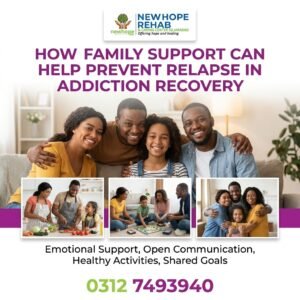
Family And Also Assistance Systems

Supportive family plays vital role play in recovery process Outcomes can be dramatically improved with a positive environment.

Family members can help by:

  • Offering emotional support
  • Encouraging treatment participation
  • Understanding mental health challenges
  • Promoting healthy routines

Family involvement is encouraged for a sturdy recovery with New Hope Rehab and Caring Centre Islamabad.

Lifestyle Changes to Combat Depression and Anxiety

Apart from professional treatment, lifestyle modifications may aid recovery:

  • Maintain a regular sleep schedule
  • Engage in physical activity
  • Practice mindfulness and relaxation
  • Eat a balanced diet
  • Stay socially connected

These habits support treatment at an Anxiety and Depression Treatment Centre in Islamabad, Pakistan.

Frequently Asked Questions (FAQs)

1.     Is there effective treatment for depression and anxiety?

Yes, but people can learn to cope with their symptoms and live better lives with appropriate therapy and support.

2.     How long does treatment take?

The step is variable based on the severity of them and presenting a personal preference.

3.     Do both require therapy?

In both depression and anxiety one of the most effective aspects to managing it is through therapy.

4.     This leads to a lot of patients coming and asking whether changing lifestyle can mitigate the symptoms?

Exercise, sleep and healthy habits are really helpful — true, you may find extra focus in recovery.

5.     Is treatment confidential?

Yes, professional centers read on confidential to preserve patient confidentiality.

Conclusion

For many, depression and anxiety can impact the day-to-day functioning of quality of life—however, working towards better mental health and emotional balance is feasible with support. Professional help gives you the tools to manage symptoms properly.

New Hope Rehab and Caring Centre Islamabad are a well-known Depression and anxiety Treatment Centre in Islamabad, Pakistan that provides full services. The individuals are led to well-being and stability over a lengthy term with personalized care, therapy and compassion.

Related Article

Alcohol Addiction – Alcohol Addiction Treatment in Islamabad, Pakistan
Alcohol Addiction

Alcohol Addiction – Alcohol Addiction Treatment in Islamabad, Pakistan

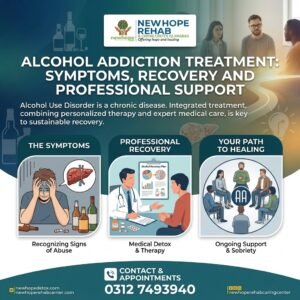
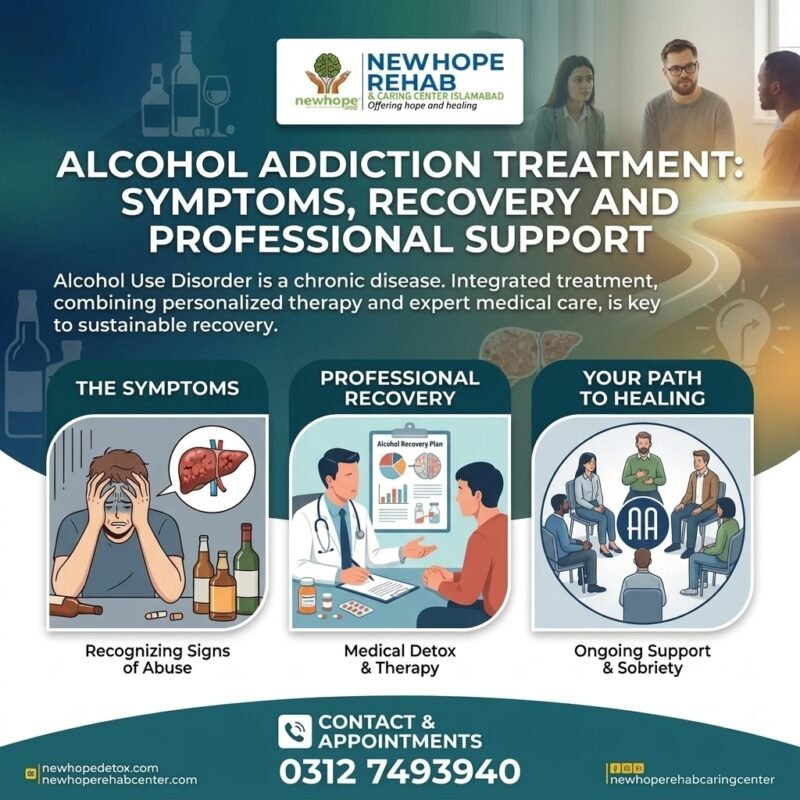
Alcohol addiction is a serious health condition that can affect physical health, emotional well-being, family relationships, work, and everyday responsibilities. Also known as alcohol use disorder (AUD), it can develop gradually as repeated alcohol use changes the brain’s reward and stress systems. Some people may find themselves drinking more frequently or in larger amounts despite experiencing negative consequences. For individuals and families seeking Alcohol Addiction Treatment in Islamabad, Pakistan, professional assessment and individualized care can provide an important foundation for recovery. At New Hope Rehab and Caring Centre Islamabad, treatment is approached with compassion, confidentiality, and respect for each person’s circumstances and recovery needs. What Is Alcohol Addiction? Alcohol addiction occurs when a person has difficulty controlling alcohol use and continues drinking despite physical, psychological, social, or occupational problems. Dependence may develop over time. A person who has become physically dependent on alcohol can experience withdrawal symptoms after reducing or stopping consumption. Because alcohol withdrawal can sometimes become medically serious, professional assessment is particularly important before attempting to stop heavy or prolonged drinking. Signs and Symptoms of Alcohol Addiction Alcohol use disorder can present differently from person to person. Potential warning signs include: Strong cravings for alcohol Drinking more or for longer than intended Repeated unsuccessful attempts to reduce drinking Increasing tolerance Withdrawal symptoms after stopping Neglecting family, work, or educational responsibilities Continuing to drink despite health or relationship problems Spending substantial time obtaining or consuming alcohol Losing interest in previously enjoyable activities Using alcohol to cope with stress or difficult emotions A healthcare professional should evaluate these symptoms before making a diagnosis. Factors That May Contribute to Alcohol Addiction Alcohol addiction doesn’t have one single cause. Biological, psychological, and environmental factors can all play a role. Genetic and Family Factors A family history of alcohol use disorder may increase a person’s vulnerability, although genetics alone don’t determine whether someone will develop an addiction. Mental Health Challenges Depression, anxiety, trauma, and chronic stress may contribute to problematic drinking. Some people may initially use alcohol as a way of coping with emotional distress. Social Environment Peer pressure, social drinking patterns, and environments where heavy alcohol consumption is normalized can contribute to increased use. Stress and Life Difficulties Relationship problems, financial pressure, grief, workplace stress, and other challenges may increase the risk of unhealthy drinking patterns. Health Effects of Alcohol Addiction Long-term heavy alcohol use can affect many parts of the body. Potential physical complications include: Liver disease High blood pressure Cardiovascular problems Digestive problems Nutritional deficiencies Sleep disturbances Weakened immune function Increased risk of accidents and injuries Alcohol can also affect mental health, potentially contributing to depression, anxiety, memory difficulties, and emotional instability. Why Professional Alcohol Addiction Treatment Matters Recovery from alcohol dependence can involve both physical and psychological challenges. Professional treatment provides an opportunity to assess a person’s health, withdrawal risk, mental health, and treatment needs. For people considering Alcohol Addiction Treatment in Islamabad, Pakistan, a comprehensive treatment plan may include: Clinical assessment Medically supervised withdrawal management when required Individual counseling Behavioral therapy Family support Relapse prevention Continuing care The appropriate treatment level depends on the individual’s circumstances. Treatment Approaches for Alcohol Addiction Medical Detoxification Detoxification allows the body to adjust after alcohol use is stopped or reduced. Medical supervision can be important because severe alcohol withdrawal can include complications such as seizures or delirium. Individuals with a history of heavy drinking should seek professional medical advice before attempting sudden withdrawal. Individual Counseling Counseling provides a confidential environment for exploring drinking patterns, emotional triggers, personal challenges, and recovery goals. Cognitive Behavioral Therapy CBT can help individuals identify thoughts and behaviors associated with alcohol use and develop healthier strategies for managing cravings, stress, and difficult situations. Group Therapy Group therapy can provide peer encouragement, accountability, and opportunities to learn from others with similar experiences. Family Support Alcohol addiction can affect the entire household. Family counseling can help improve communication, establish healthy boundaries, and educate relatives about recovery. Dual Diagnosis and Mental Health Care Some individuals with alcohol use disorder also experience depression, anxiety, trauma-related conditions, or other mental health concerns. When these conditions occur together, treating both can be important for sustainable recovery. At New Hope Rehab and Caring Centre Islamabad, mental health considerations can be incorporated into treatment planning when clinically appropriate. Relapse Prevention and Aftercare Recovery continues beyond detoxification or residential treatment. Relapse prevention helps individuals recognize warning signs and prepare for situations that may increase the risk of returning to alcohol use. A continuing-care plan may include: Ongoing counseling Family involvement Stress-management strategies Healthy sleep and exercise routines Support groups Follow-up assessments Identification of personal triggers Development of an emergency support plan A return to alcohol use doesn’t mean that treatment has failed. It may indicate that the individual needs additional assessment or changes to their recovery plan. Frequently Asked Questions (FAQs) 1. What is alcohol addiction? Alcohol addiction, or alcohol use disorder, is a medical condition in which a person has difficulty controlling alcohol use despite harmful consequences. 2. Can alcohol addiction be treated? Yes. Treatment can include medically supervised withdrawal management, counseling, behavioral therapies, family support, and ongoing recovery care. 3. Is it safe to suddenly stop drinking? It depends on the person’s drinking history and level of physical dependence. Sudden withdrawal after prolonged heavy drinking can sometimes be dangerous, so professional medical assessment is recommended. 4. Can therapy help with alcohol addiction? Yes. Therapies such as CBT can help individuals understand triggers, change harmful behavioral patterns, develop coping skills, and manage cravings. 5. How can families support recovery from alcohol addiction? Families can offer respectful encouragement, participate in appropriate counseling, maintain healthy boundaries, and support continued professional treatment without judgment or blame. Conclusion Alcohol addiction is a treatable health condition that can affect physical health, mental well-being, relationships, and everyday life. Recognizing the problem and seeking appropriate professional support can be an important step toward recovery. For individuals seeking Alcohol Addiction Treatment in Islamabad, Pakistan, New Hope Rehab and Caring Centre Islamabad provides individualized

Cannabis or Marijuana Addiction – Cannabis or Marijuana Addiction Treatment in Islamabad, Pakistan
Cannabis Marijuana Addiction

Cannabis or Marijuana Addiction – Cannabis or Marijuana Addiction Treatment in Islamabad, Pakistan

Cannabis, commonly known as marijuana, is often viewed as less harmful than other substances. However, regular or heavy use can become problematic for some individuals and may lead to cannabis use disorder. Dependence can affect motivation, memory, concentration, relationships, education, work, and emotional well-being. For individuals and families seeking Cannabis or Marijuana Addiction Treatment in Islamabad, Pakistan, professional assessment can help determine the level of care required. At New Hope Rehab and Caring Centre Islamabad, treatment is approached with compassion, confidentiality, and individualized care based on each person’s physical and psychological needs. What Is Cannabis or Marijuana Addiction? Cannabis addiction refers to a pattern of cannabis use that becomes difficult to control and continues despite negative consequences. Some people develop tolerance, meaning they need more cannabis to experience similar effects. Others experience cravings or withdrawal symptoms when they attempt to stop. Cannabis use disorder can affect people differently. A professional assessment is important for understanding the severity of use and identifying any co-occurring mental health concerns. Signs and Symptoms of Cannabis Dependence Potential warning signs include: Strong cravings for cannabis Using more cannabis than originally intended Difficulty reducing or stopping use Spending significant time obtaining or using cannabis Declining performance at work or school Loss of interest in normal activities Social withdrawal Memory or concentration difficulties Continued use despite personal or relationship problems Experiencing withdrawal after stopping These symptoms do not automatically establish a diagnosis. A qualified healthcare professional should conduct a proper evaluation. Why Does Cannabis Addiction Develop? There is no single cause of cannabis dependence. Several factors may contribute. Frequent or Heavy Use Regular use can increase the likelihood of developing tolerance and dependence, particularly when cannabis is used frequently over a long period. Stress and Emotional Difficulties Some individuals use cannabis to cope with stress, anxiety, sadness, sleep difficulties, or other emotional challenges. However, relying on a substance as a coping mechanism can create additional problems over time. Social and Environmental Factors Peer influence, easy access, and social environments where cannabis use is common may increase the risk of continued use. Personal and Family History A history of substance use or certain mental health difficulties may increase vulnerability to problematic cannabis use. Effects of Cannabis Addiction on Daily Life Cannabis dependence can affect more than physical health. Some individuals experience difficulties with: Concentration and memory Motivation Academic or professional performance Family relationships Financial responsibilities Emotional stability Healthy daily routines The impact varies according to factors such as frequency of use, age of first use, potency, duration of use, and individual health. Cannabis Withdrawal Symptoms People who use cannabis regularly may experience withdrawal after reducing or stopping use. Symptoms can include: Irritability Anxiety Restlessness Sleep difficulties Reduced appetite Low mood Headaches Strong cravings Withdrawal symptoms are generally temporary, but they can make quitting difficult. Professional guidance can help individuals understand and manage these challenges. How Cannabis Addiction Treatment Works Comprehensive Assessment Treatment begins with an evaluation of cannabis use, physical health, mental health, previous treatment attempts, family circumstances, and personal goals. Individual Counseling Counseling can help individuals explore the reasons behind cannabis use, recognize triggers, and develop healthier coping strategies. Cognitive Behavioral Therapy (CBT) CBT can help people identify thoughts and behaviors associated with substance use. It may also provide practical techniques for managing cravings, stress, and high-risk situations. Group Therapy Group therapy can offer peer support and provide an opportunity to learn from people experiencing similar recovery challenges. Family Support Family counseling can improve communication and help relatives understand cannabis dependence without relying on blame or stigma. At New Hope Rehab and Caring Centre Islamabad, treatment plans are adapted according to each individual’s needs and progress. Mental Health and Cannabis Use Some individuals who develop problematic cannabis use also experience depression, anxiety, trauma-related symptoms, or other psychological difficulties. In some cases, cannabis may worsen existing symptoms or make them more difficult to manage. When mental health concerns and substance use occur together, an integrated treatment approach can help address both areas. A professional assessment can determine whether additional psychiatric or psychological care is appropriate. Relapse Prevention and Long-Term Recovery Stopping cannabis use is an important step, but maintaining recovery often requires continued effort. A relapse prevention plan can help individuals prepare for situations that may increase the temptation to return to cannabis. Helpful strategies may include: Identifying personal triggers Developing healthy stress-management skills Maintaining regular sleep and exercise Avoiding high-risk environments Building positive social connections Continuing counseling when appropriate Creating meaningful daily activities Recovery is an individual process, and setbacks should be approached as opportunities to reassess support needs rather than reasons to give up. Frequently Asked Questions (FAQs) 1. What is cannabis or marijuana addiction? Cannabis addiction is a pattern of marijuana use that becomes difficult to control and continues despite negative effects on health, relationships, work, education, or daily life. 2. Can cannabis addiction be treated? Yes. Treatment may include assessment, individual counseling, behavioral therapies such as CBT, family support, group therapy, and relapse prevention planning. 3. What are common cannabis withdrawal symptoms? Withdrawal can include irritability, anxiety, sleep problems, reduced appetite, restlessness, low mood, headaches, and cravings. 4. Is therapy helpful for marijuana addiction? Behavioral therapies such as CBT can help individuals understand triggers, change unhealthy patterns, develop coping skills, and manage cravings. 5. How can families support someone recovering from cannabis addiction? Families can provide respectful encouragement, participate in appropriate counseling, support healthy routines, avoid judgment, and encourage continued professional care. Conclusion Cannabis or marijuana addiction can affect physical health, emotional well-being, relationships, and everyday functioning. Although stopping can be challenging for people who have developed dependence, professional treatment can provide structured support and practical tools for recovery. For those seeking Cannabis or Marijuana Addiction Treatment in Islamabad, Pakistan, New Hope Rehab and Caring Centre Islamabad focuses on individualized assessment, counseling, behavioral therapy, family involvement, and relapse prevention. With appropriate professional support, individuals can work toward healthier routines, improved well-being, and sustainable recovery.

Heroin Addiction – Heroin Addiction Treatment in Islamabad, Pakistan
Heroin Addiction

Heroin Addiction – Heroin Addiction Treatment in Islamabad, Pakistan

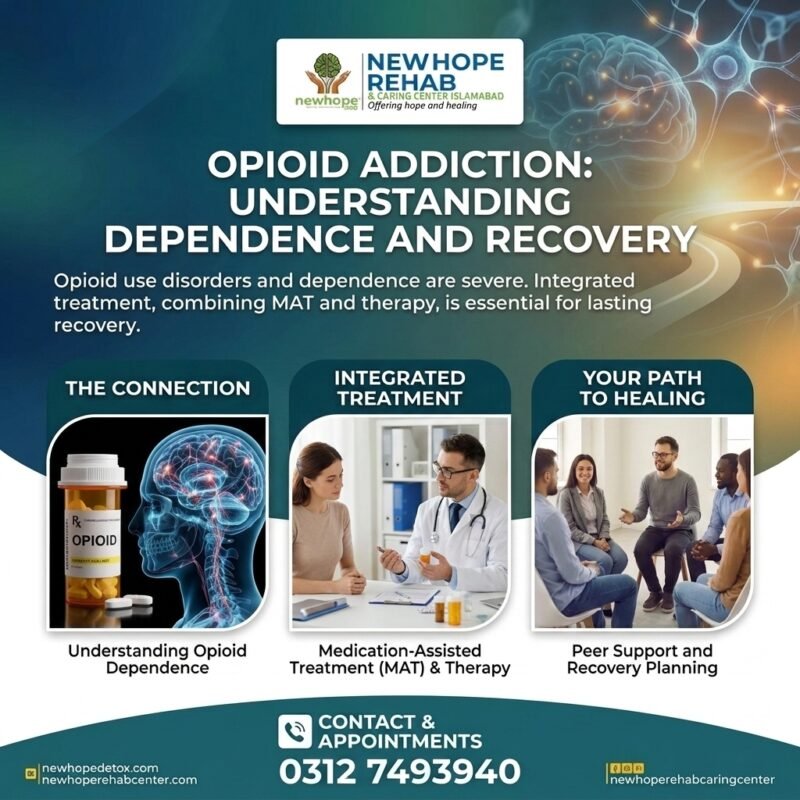
A heroin addiction is a grave issue of drug misuse that can involve the brain, body, relationships and daily life. It is an opioid that causes a sensation of rush and euphoria, but with time of second use develops tolerance, dependence and strong cravings. A person might continue using the drug even after suffering grave consequences for their health and personal life over time. Professional assessment and a structured care system will go a long way to helping individuals or families who are seeking Heroin Addiction Treatment in Islamabad, Pakistan. New Hope Rehab and Caring Centre Islamabad approaches treatment through patient-centered, trauma-informed, and evidenced-based care, accepting that recovery looks different for each person. What Is Heroin Addiction? Heroin addiction, clinically analyzed as opioid use disorder when clinical criteria are met, is a condition characterized by compulsive drug-seeking continued use despite harmful consequences. Chronic opioid exposure can permanently alter reward and stress circuitry in the brain. Finally, as dependence progresses, withdrawal symptoms upon cessation of heroin can render recovery extremely difficult without appropriate medical and psychological management. Heroin addiction is not a character flaw nor evidence of a lack of willpower; it is a medical condition. Signs and symptoms that indicate you to be suffering from an addiction towards heroin By recognizing the early warning signs, families can get help sooner. Common signs may include: Strong cravings for heroin Increasing tolerance Continued use despite negative consequences Withdrawal symptoms when use stops Changes in sleeping patterns Reduced interest in normal activities Overlooking professional, academic or family commitments Social withdrawal Financial difficulties Changes in mood or behavior These symptoms alone do not mean that you have a diagnosis. An appropriate evaluation should be performed by a qualified healthcare professional. The Health Risks of Heroin The impact of heroin on physical and mental health is devastating. The danger is extremely high when the drug is cut, of an unknown strength or if it contains other drugs. Potential complications include: Respiratory depression Overdose Infectious diseases linked with improper injection practices Vein and skin infections Constipation and gastrointestinal problems Poor nutrition Sleep disturbances Depression and anxiety Social and occupational difficulties When it comes to opioids, the danger of overdose is that they are capable of suppressing a person’s ability to breathe. Emergency medical help should be sought immediately if overdose is suspected. Why Professional Treatment Matters Heroin addiction can have a strong physiological dependence on the substance, withdrawal effects. Getting professional help will assist users to avoid withdrawal, anxiety and other psychological concerns as well as the strategies you need to remain sober. Heroin addiction treatment in Islamabad, Pakistan can be done in few steps depending on individual requirement: Comprehensive clinical assessment Medically appropriate withdrawal management Behavioral and psychological treatment Family support Relapse prevention Continuing care and aftercare The treatment plan should always be assessed by specialists. Treatment Approaches for Heroin Addiction Comprehensive Assessment The first step in treatment involved evaluating substance use, medical history, mental health history; whether the patient had undergone previous treatments; medications used or prescription drugs needed and their social situation. Such information is useful in ascertaining the level of care and prioritization of treatment. Medical Withdrawal Management Heroin withdrawal can lead to symptoms such as muscle aches, sweating, nausea, diarrhea restlessness and strong cravings. Medical facilities can also determine if a person is at risk of withdrawal and provide necessary support. Qualified clinicians may, when appropriate, prescribe evidence-based medications for opioid use disorder (e.g., buprenorphine or methadone). They are among standard medical tools for opioid use disorder, which lessen withdrawal and cravings. Individual Counseling Individual therapy offers a confidential environment in which you can discuss triggers, emotional issues, behavioral patterns, and the events surrounding your use of heroin. Cognitive Behavioral Therapy Cognitive behavioral therapy (CBT)23 can assist individuals in acknowledging non-useful thoughts and behaviors while establishing more helpful one-of-a-kind strategies for coping with stress, cravings, and high-risk events. Group Therapy Peer support, accountability, and the chance to learn from others going through recovery is what group sessions can offer. Family Support Family education and counseling assists families in better understanding the nature of opioid addiction, how to communicate more effectively, enhance boundaries and support. Dual Diagnosis Therapy and Mental health therapy People with heroin addiction may also be struggling with depression, anxiety-related disorders, post-traumatic stress disorder (PTSD), or other mental health conditions. These issues may affect substance use and recovery. Integrated care meets substance use needs along with mental health needs when co-occurring conditions exist. Addressing a single condition may leave important areas for recovery unaddressed. Relapse Prevention and Aftercare Recovery does not stop upon improvement of withdrawal symptoms. Relapse is a known risk and cravings can last long after initial treatment which is why ongoing support is so important. A relapse prevention plan might involve: Identifying personal triggers Continuing counseling Maintaining healthy routines Avoiding high-risk environments Building supportive relationships Participating in follow-up care Addressing mental health concerns Where appropriate, clinicians may also have a conversation with those with opioid use disorder around overdose prevention and availability of naloxone. Frequently Asked Questions (FAQs) 1.     What is heroin addiction? Heroin addiction is a subtype of opioid use disorder in which the patterned and compulsive use of heroin continues, despite adverse physical or mental health situations. 2.     Can heroin addiction be treated? Yes. Treatment may involve detoxification, psychotropic medications as clinically appropriate, psycho-therapeutic interventions, mutual support groups and follow-up care. 3.     What are the Common Symptoms of Heroin Withdrawal Symptoms of withdrawal can include muscle pain, drooling, sweating, restlessness and anxiety (including depression), nausea, diarrhea, trouble sleeping or even strong cravings around. It is of utmost important getting a medical assessment to understand which way is the best option for you with regards to withdrawal management. 4.     So, detoxification takes place in two phases. Detox may manage withdrawal but rarely is a complete treatment. These aims may involve continuing therapy, planning for relapse prevention, medication where appropriate, long-term support and a focus on recovery. 5.     How can Families Help Someone Recovering from

Home Based Treatment Program – Home Based Treatment Program in Islamabad, Pakistan
Home Based Treatment Program

Home Based Treatment Program – Home Based Treatment Program in Islamabad, Pakistan

A home based treatment program can provide a practical option for selected individuals who need ongoing addiction or mental health support without staying in a residential facility. Receiving appropriate care at home may allow patients to remain connected with family members and familiar surroundings while participating in a structured recovery plan. However, home-based care isn’t suitable for everyone. The appropriate level of treatment depends on the person’s medical condition, substance use history, withdrawal risk, mental health needs, and home environment. Professional assessment is therefore an important first step. For people searching for a Home Based Treatment Program in Islamabad, Pakistan, New Hope Rehab and Caring Centre Islamabad emphasizes individualized, respectful, and clinically appropriate care. What Is a Home Based Treatment Program? A home based treatment program delivers selected healthcare, counseling, and recovery services within a person’s home rather than requiring residential admission. Depending on clinical needs, services may include psychological counseling, family education, recovery planning, follow-up care, and monitoring by qualified professionals. The goal is to provide appropriate support while maintaining safety and continuity of care. Home-based treatment may be used as a primary option for suitable patients or as part of continuing care following residential treatment. Who May Benefit From Home-Based Care? Home-based treatment may be considered for individuals who: Are medically stable Have a safe and supportive home environment Do not require continuous inpatient monitoring Need ongoing counseling or psychological support Are continuing treatment after residential rehabilitation Have family members who can provide appropriate support Suitability should always be determined through professional assessment rather than convenience alone. Conditions That May Require Home-Based Support Depending on an individual’s clinical needs, home-based services may support people dealing with: Alcohol use disorder Drug addiction Opioid dependence Cannabis use Prescription medication dependence Anxiety Depression Stress-related difficulties Recovery after residential rehabilitation Certain co-occurring mental health and substance use conditions The treatment approach should be tailored to the person’s diagnosis, health status, and recovery goals. Key Components of Home Based Treatment Initial Clinical Assessment Treatment begins with an assessment of physical health, mental health, substance use, medications, withdrawal risk, and family circumstances. This helps determine whether home-based care is appropriate and what services may be required. Individual Counseling One-to-one counseling can help individuals understand triggers, emotional challenges, behavioral patterns, and factors contributing to substance use. Cognitive Behavioral Therapy Cognitive Behavioral Therapy (CBT) may be incorporated into treatment when appropriate. It can help individuals identify unhelpful thought patterns and develop healthier responses to stress, cravings, and difficult situations. Family Counseling Family involvement can improve communication and help relatives understand how to provide constructive support while maintaining appropriate boundaries. Medication Monitoring If medication is part of an individual’s treatment plan, qualified healthcare professionals may provide appropriate monitoring and guidance. Medicines should only be taken according to professional instructions. Relapse Prevention Individuals can learn to recognize triggers and develop practical strategies for maintaining recovery in everyday situations. Benefits of a Home Based Treatment Program For appropriately selected patients, home-based care may offer several advantages. Familiar Environment Remaining at home can allow individuals to receive support in surroundings they already know. Family Involvement Close family members may be able to participate in appropriate counseling and education. Continuity of Daily Responsibilities Some medically stable individuals may continue selected family, educational, or professional responsibilities while receiving treatment. Individualized Care Treatment can be adapted according to the individual’s progress, circumstances, and recovery goals. Privacy and Comfort Home-based care may offer a more private treatment setting for individuals who prefer support outside a residential facility. When Home-Based Treatment May Not Be Appropriate Home-based treatment isn’t appropriate for every situation. Individuals experiencing severe withdrawal risk, serious medical complications, acute psychiatric symptoms, significant safety concerns, or an unstable home environment may require a higher level of care. For example, certain forms of alcohol or sedative withdrawal can become medically dangerous and may require supervised medical treatment. If there is an immediate risk of overdose, severe withdrawal, self-harm, or harm to another person, urgent medical evaluation is necessary rather than routine home-based care. Role of Family Support Family members can contribute positively to home-based recovery by: Encouraging treatment participation Supporting healthy routines Maintaining respectful communication Reducing unnecessary conflict Helping identify changes in behavior Encouraging follow-up care Families should also understand that they are supporters, not substitutes for qualified healthcare professionals. Relapse Prevention and Aftercare Recovery continues after the initial treatment phase. An effective home-based program may include ongoing follow-up and relapse prevention planning. Important strategies can include: Identifying personal triggers Maintaining healthy sleep routines Managing stress appropriately Continuing counseling Avoiding high-risk environments Building positive social connections Following the recommended aftercare plan At New Hope Rehab and Caring Centre Islamabad, continuing support can be tailored to the individual’s recovery needs and progress. Frequently Asked Questions (FAQs) 1. What is a home based treatment program? A home based treatment program provides selected addiction or mental health services in a person’s home under an individualized professional care plan. 2. Is home-based treatment suitable for everyone? No. Suitability depends on medical stability, withdrawal risk, mental health status, safety concerns, and the availability of a supportive home environment. 3. Can family members participate in home-based treatment? Yes. Where appropriate, family members may participate in counseling, education, and recovery planning to provide constructive support. 4. Can home-based treatment include therapy? Yes. Depending on clinical needs, services may include individual counseling, CBT, family counseling, and relapse prevention support. 5. What happens if someone develops severe withdrawal symptoms at home? Severe or rapidly worsening withdrawal symptoms require urgent medical assessment. Home-based treatment should not replace emergency or medically supervised care when a person’s safety is at risk. Conclusion A Home Based Treatment Program in Islamabad, Pakistan can be a suitable option for some individuals who are medically stable and have an appropriate home environment. It can provide structured counseling, family involvement, recovery planning, and continued professional support while allowing individuals to remain at home. At New Hope Rehab and Caring Centre Islamabad, home-based care is approached through individualized assessment and clinically appropriate