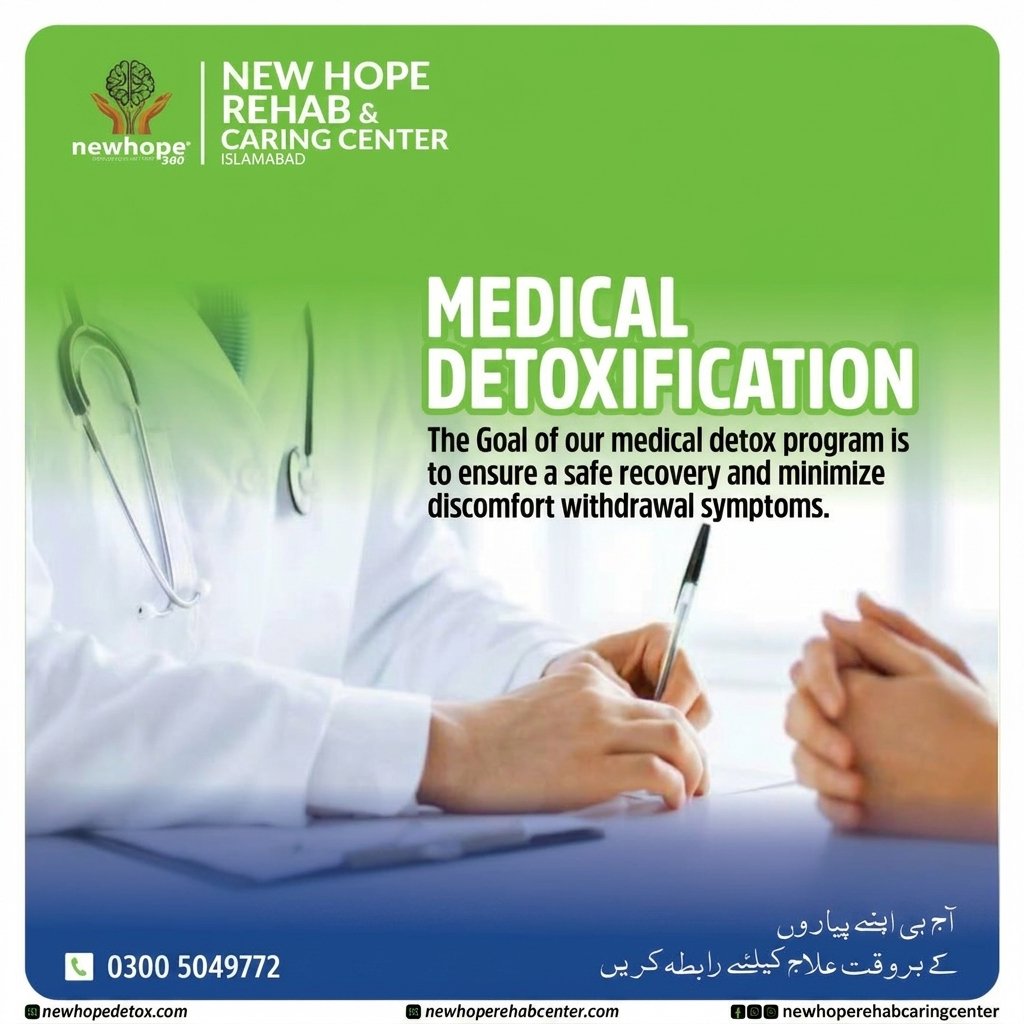
Detoxification is often the first and one of the most important steps in recovering from drug or alcohol addiction. During detox, the body begins to eliminate harmful substances while adjusting to functioning without them. Because withdrawal symptoms can vary from mild to severe, detoxification should be carried out under professional supervision whenever possible. A safe and structured detox process can help individuals begin their recovery journey with greater comfort and confidence.
For those seeking Detoxification Treatment in Islamabad, Pakistan, understanding the purpose and benefits of detoxification is essential. At New Hope Rehab and Caring Centre Islamabad, detoxification is provided as part of a comprehensive treatment approach that focuses on safety, dignity, and long-term recovery.
What Is Detoxification?
Detoxification is the process of clearing alcohol, drugs, or other addictive substances from the body. While detox addresses physical dependence, it is only the beginning of recovery. Long-term treatment usually includes counseling, behavioral therapy, mental health support, and relapse prevention.
Detoxification aims to:
- Safely manage withdrawal symptoms
- Stabilize physical health
- Prepare individuals for ongoing treatment
- Reduce the immediate risks associated with substance withdrawal
- Support the transition into rehabilitation
Who May Need Detoxification?
Detoxification may be recommended for individuals struggling with dependence on substances such as:
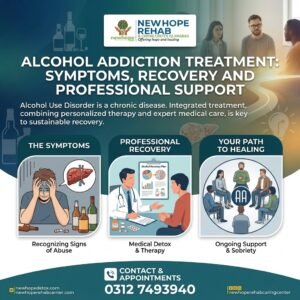
- Alcohol
- Heroin
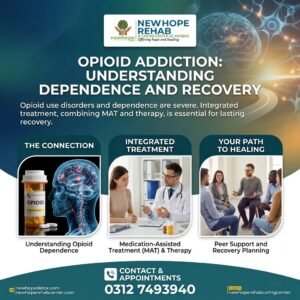
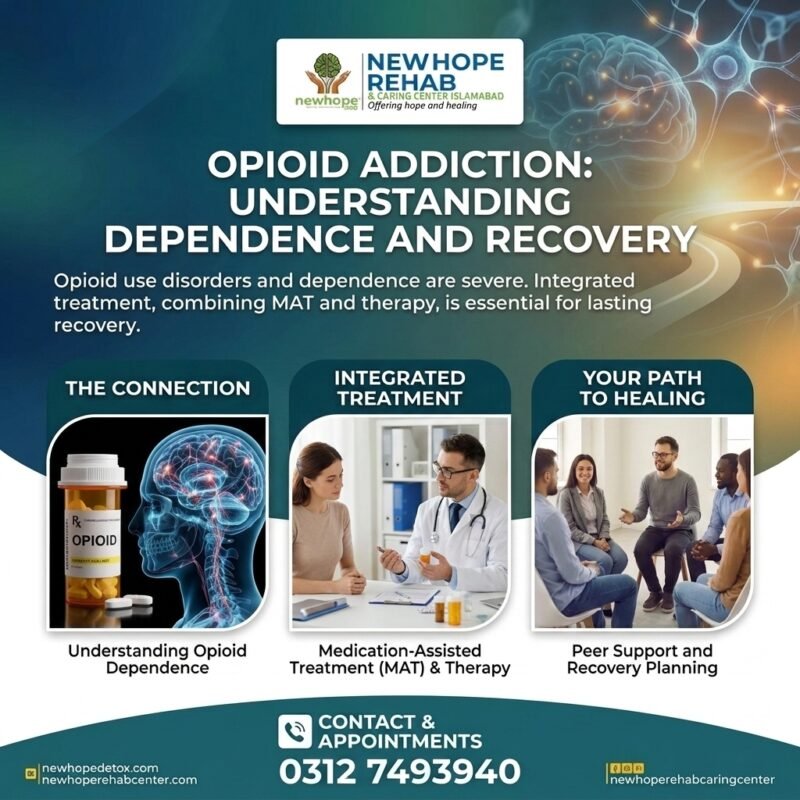
- Opioids
- Cocaine
- Crystal Meth (ICE)
- Cannabis
- Prescription medications
- Sedatives and sleeping pills
Each person’s detox needs depend on the type of substance used, duration of use, overall health, and medical history.
Why Professional Detoxification Is Important
Attempting to stop substance use without professional support can sometimes lead to serious withdrawal symptoms. A supervised detox program allows healthcare professionals to monitor physical and emotional well-being throughout the process.
Professional detoxification can help:
- Improve safety during withdrawal
- Reduce discomfort
- Monitor vital signs
- Address medical complications promptly
- Provide emotional support
- Prepare for ongoing addiction treatment
At New Hope Rehab and Caring Centre Islamabad, detoxification is tailored to the individual’s specific recovery needs.
Common Withdrawal Symptoms
Withdrawal symptoms vary depending on the substance involved and the severity of dependence.
Common symptoms may include:
- Anxiety
- Restlessness
- Sweating
- Nausea and vomiting
- Muscle aches
- Tremors
- Headaches
- Difficulty sleeping
- Mood swings
- Fatigue
Some substances, particularly alcohol and certain sedatives, may produce more severe withdrawal symptoms that require close medical observation.
The Detoxification Process
Initial Assessment
Recovery begins with a comprehensive assessment of the individual’s medical history, substance use, mental health, and physical condition.
Stabilization
During detox, healthcare professionals monitor withdrawal symptoms and provide supportive care to promote safety and comfort.
Transition to Rehabilitation
Once detoxification is complete, individuals are encouraged to continue treatment through counseling, therapy, and rehabilitation programs that address the underlying causes of addiction.
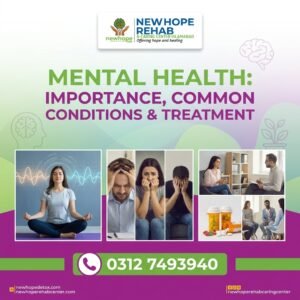
Detoxification and Mental Health
Many individuals experiencing substance addiction also face mental health conditions such as:
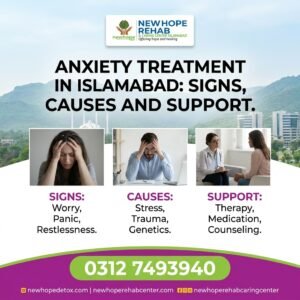
- Anxiety
- Depression
- Trauma-related disorders
- Chronic stress
Addressing both addiction and mental health together can improve recovery outcomes and reduce the likelihood of relapse.
Comprehensive Treatment After Detox
Detoxification alone is usually not enough for lasting recovery. Ongoing treatment helps individuals develop healthier coping skills and maintain long-term sobriety.
Treatment following detox may include:
Individual Counseling
Personal counseling helps individuals explore the emotional and psychological factors contributing to addiction.
Cognitive Behavioral Therapy (CBT)
CBT teaches practical techniques for changing harmful thought patterns and developing healthier behaviors.
Group Therapy
Group sessions provide peer support, encouragement, and opportunities to learn from shared recovery experiences.
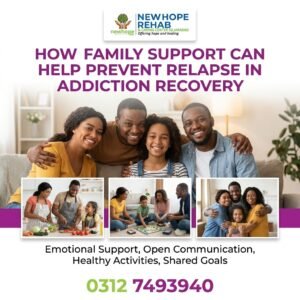
Family Support Programs
Family counseling strengthens communication, rebuilds trust, and creates a supportive home environment.
Preventing Relapse After Detoxification
Recovery continues well beyond detox. Relapse prevention strategies help individuals maintain progress and avoid returning to substance use.
Helpful approaches include:
- Recognizing personal triggers
- Managing stress effectively
- Attending follow-up counseling
- Maintaining healthy routines
- Building supportive relationships
- Participating in aftercare programs
At New Hope Rehab and Caring Centre Islamabad, relapse prevention is integrated into every stage of recovery planning.
Frequently Asked Questions (FAQs)
1. What is detoxification?
Detoxification is the process of removing addictive substances from the body while safely managing withdrawal symptoms.
2. Is detoxification enough to overcome addiction?
No. Detoxification is the first step, but long-term recovery usually requires counseling, behavioral therapy, and ongoing support.
3. How long does detoxification take?
The duration varies depending on the substance used, the severity of dependence, and the individual’s overall health.
4. Can withdrawal symptoms be dangerous?
Yes. Some withdrawal symptoms, especially from alcohol or certain medications, may require professional medical supervision.
5. Why is professional detoxification recommended?
Professional detoxification helps ensure safety, monitors withdrawal symptoms, and prepares individuals for comprehensive addiction treatment.
Conclusion
Detoxification is an important first step toward overcoming substance addiction, providing individuals with a safer way to manage withdrawal and begin the recovery process. However, lasting recovery involves much more than detox alone. Continuing with counseling, therapy, family support, and relapse prevention can help individuals build healthier lives and maintain long-term sobriety.
For those seeking Detoxification Treatment in Islamabad, Pakistan, New Hope Rehab and Caring Centre Islamabad offers compassionate, individualized care that supports each stage of recovery. Through professional detoxification and comprehensive rehabilitation services, individuals can take meaningful steps toward improved health, emotional well-being, and a substance-free future.