+92 312 7493940

Drug Addictions – Drug Treatment for Addiction in Islamabad, Pakistan

Drug Addictions – Drug Treatment for Addiction in Islamabad, Pakistan

Drug addiction is a complex health issue that impacts millions of individuals across the world, irrespective of age, gender or background. It may use significant affect physical health, mental constipation of recalcitrant duty to his/her family and education and employment etc. While addiction may appear to be inescapable, treatment is also available when substance abuse intervention, clinical remedy and continuous assistance are examined into account.

Drug Addiction Treatment in Islamabad aspects of Help is awareness about the causes, symptoms & treatments. New Hope Rehab and Caring Centre Islamabad have intensive treatment programs which are based on compassionate, ethical and evidence-based care that is tailored according to the needs of the individual.

What Is Drug Addiction?

A drug addiction, also known as a substance use disorder is a condition which humans are unable to control the excessive or harmful (or social) consequence of using drugs. This addiction hijacks the reward system in your brain and makes it increasingly hard to break that cycle without intervention.

This could be illegal bits of drugs or abuse of authorized prescription capsules.

Common Types of Drug Addiction

Addiction may shine the light on many substances, and they include:

  • Heroin
  • Cocaine
  • Crystal Meth (ICE)
  • Cannabis (Marijuana)
  • Opioids
  • Prescription painkillers
  • Sedatives and sleeping medications
  • Ecstasy (MDMA)

There are many different substances that have differing effects in a person so each situation needs to be addressed specially.

Symptoms of Drug Addiction

The earlier an addiction is identified, the sooner treatment can begin which ultimately helps with recovery.

Common symptoms include:

  • Strong cravings for drugs
  • Loss of control over drug use
  • Increased tolerance
  • Withdrawal symptoms when not using
  • Mood swings
  • Anxiety or depression
  • Poor concentration
  • Sleep disturbances
  • Neglecting family, work, or education
  • Substance use-related financial or legal problems

The severity of the symptoms tends to worsen throughout the course of addiction.

Causes of Drug Addiction

Drug addiction typically becomes a result of both physiological, psychological and environmental influences.

Mental Health Conditions

Substance misuse behavior: those who live within anxiety, depression, trauma or chronic stress are more susceptible to becoming involved with substance use.

Emotional Challenges

Some people use these if they are sad, lonely, emotionally hurt or facing a tough life situation.

Peer Influence

This may include social pressure or sights of drug use which can lead to experimentation and further use affectively forming a cycle.

Family History

Addiction can be influenced by genetics and family history.

A thorough understanding of all of these factors will allow professionals to create effective, individualized treatment plans.

Health Risks of Drug Addiction
Drug Addictions – Drug Treatment for Addiction in Islamabad, Pakistan

Depending on the drug, addiction may see almost all systems of the body affected.

Physical Health Risks

Possible complications include:

  • Heart disease
  • Liver damage
  • Kidney problems
  • Respiratory disorders
  • Malnutrition
  • Increased risk of infections
  • Weakened immune system
  • Overdose

Mental Health Effects

Drug addiction can also lead to:

  • Anxiety
  • Depression
  • Memory impairment
  • Panic attacks
  • Emotional instability
  • Hallucinations
  • Difficulty concentrating

Often, those with a mental health condition and alcohol or drug addiction battle each disorder at the same time; addressing both problems often increases your chances for recovery.

The Importance of Professional Drug Addiction Treatment

Battling addiction on your own can be quite an uphill battle. Untreated, professional treatment provides with medical supervision and counseling in an environment or structure.

If you notice something in your BELOVED family members or you yourself possibly have the following a few issues, Seeking Drug Addiction Treatment in Islamabad, Pakistan helps.

  • Manage withdrawal symptoms safely
  • Tackle the underlying factors behind addiction
  • Improve emotional well-being
  • Develop healthier coping strategies
  • Reduce the risk of relapse
  • Rebuild healthy daily routines

New Hope Rehab and Caring Centre Islamabad provide treatment plans based on the physical, emotional and psychological health condition of the patient itself.

Treatment Approaches for Drug Addiction

Medical Detoxification

Detoxification allows the body to rid itself of an addictive substance while trained healthcare professionals take care to keep the individual safe and comfortable, closely monitoring withdrawal symptoms.

Individual Counseling

With personal counseling, one can talk about their emotional issues, help recognize triggers and learn better coping skills.

Cognitive Behavioral Therapy (CBT)

By identifying negative ways of thinking, CBT encourages patients to introduce healthier actions that will ensure long-lasting recovery.

Group Therapy

Group therapy provides support, accountability and common experiences that support feelings of not being alone.

Family Support Programs

Family counseling improves communication, helps restore trust, and creates a home environment that encourages lasting recovery.

Relapse Prevention and Aftercare

Life after treatment is not a speedy finale! Relapse prevention follows that, to help people avoid relapse and deal with future issues.

Effective relapse prevention strategies include:

  • Identifying personal triggers
  • Managing stress in healthy ways
  • Attending follow-up counseling
  • Maintaining structured daily routines
  • Building supportive relationships
  • Participating in ongoing recovery programs

New Hope Rehab and Caring Centre Islamabad consider aftercare planning an integral component of every recovery program.

Frequently Asked Questions (FAQs)

1.     What is drug addiction?

Addiction is a chronic disease characterized by compulsive drug seeking, continued use despite harmful consequences, and long-lasting changes in the brain.

2.     Can drug addiction be treated?

Yes. Even professional treatment helps those struggling with detoxification, counselling, therapy, and relapse prevention successfully recover.

3.     How long does drug addiction therapy take?

Treatment can run from a few days up were depending on the substance involved, the seriousness of addiction and how well they respond to treatment in days or weeks.

4.     Importance of Therapy During Addiction Treatment

Through therapy, person can learn and understand why the addiction occurred in the first place, better manage triggers that return them to drug abuse, heal any mental health problems caused by their addiction or worsened due to it, acquire skills to cope with things that led up this situation so as not fall again into a spiral of drugs.

5.     Does family involvement improve recovery?

Yes. Support from family can encourage motivation, foster communication and create a healthy environment when it comes to long-term recovery.

Conclusion

Drug abuse is an illness that can be treated like any other physical or mental health problem. With timely treatment, expert care and continuous support individuals can beat addiction and lead renew a more fulfilling and healthy life. Drugs are one of the most widespread problems in Pakistan, as well as all over the world so Drug Addiction Treatment Islamabad Pakistan is really important to take initiative to make drug free and healthy people.

New Hope Rehab and Caring Centre Islamabad integrate medical detoxification, evidence-based therapies, mental health treatment, family counseling, and relapse prevention in their comprehensive approach to addiction management. With compassionate and personalized treatment, patients are given the skills and support they need to step off to a permanent recovery and enhancing overall well-being.

Latest Post

Newsletter

Signup our newsletter to get free update, news or insight. 

Related Article

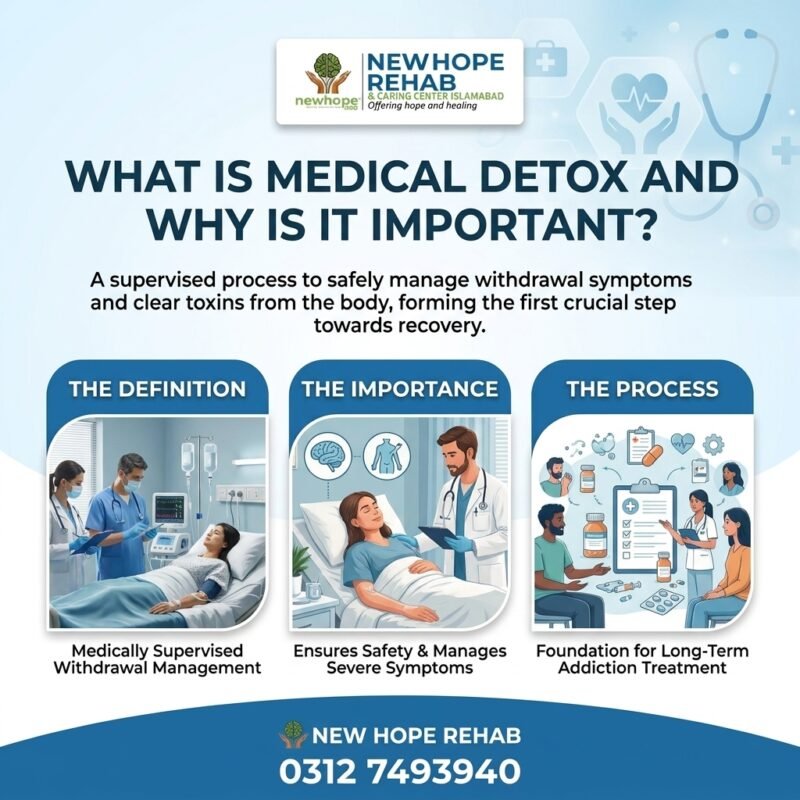
What Is Medical Detox and Why Is It Important?
Medical Detox

What Is Medical Detox and Why Is It Important?

Medically Managed Detox: This is often the first step in most people with drug or alcohol dependence. Abuse of particular chemical will cause the body to be reliant on them. Suddenly stopping can lead to withdrawal symptoms that may be uncomfortable all the way to life-threatening. Medical detox also offers care and supervision during this time. The medical detox ensures a withdrawal management, minimization of health risks and provision and preparation for the subsequent addiction rehabilitation program. Detox may not address everything that needs to be treated in order for someone to recover from addiction, but it can provide a safer baseline for the longer-term recovery process. Gaining insight into what medical detox is and its importance will assist an individual or a family in making decisions about professional assistance. What Is Medical Detox? Medical detox, or medically managed withdrawal management (MWM) is when a healthcare professional helps a person stop or decrease use of an addictive substance while monitoring their physical and mental condition during the process. The body learns to function without a substance that it has been spoiled by during this detoxification period. Withdrawal can manifest as anxiety, nausea, sweating, shaking sleep disturbances or intense cravings depending on the drug and health of the individual. These are symptoms that health care providers evaluate and treat. This could include monitoring vital signs, replacing fluids lost to dehydration, providing supportive care and considering the use of appropriate medications. Medically supervised detoxification may be necessary for alcohol, opioids (such as morphine), benzodiazepines and other substances. How strict the supervision is, depends on the substance in question, their medical history, how severe their withdrawal experiences have been and an estimate of whether they are likely to experience complications. Why Is Medical Detox Important? There are various reasons a medically supervised detox, where a medical professional is present at all stages, to monitor how withdrawal affects both the body and mind. Acute symptoms can also be managed until you get the necessary treatments needed, while a few need immediate medical attention. 1.     It Helps Manage Withdrawal Symptoms This is an addictive disorder, and quitting a substance without help can be difficult due to withdrawal symptoms. And in withdrawal, it can feel like physical pain, anxiety, irritability, nausea all at once as well as sweating and cravings. Medical detox helps health care professionals evaluate symptoms and treat appropriately. This support can assist with managing the withdrawal process and identifying complications early. 2.     It Lowers the Risk of Advanced Extremities Some of these substances can have life-threatening withdrawal effects. Sample text:Seizures or delirium can occur with severe alcohol withdrawal and are a potential complication of benzodiazepine withdrawal. This medical oversight also helps professionals identify red flags to adjust the course. Medical advice must be sought for persons who may be physically dependent on alcohol or benzodiazepines before suddenly stopping these agents. 3.     It Provides Professional Monitoring While in detox, healthcare providers may assess heart rate, blood pressure, temperature, hydration, mental status and other health data as needed. This is especially true for patients with chronic illnesses, past history of extreme withdrawal, active pregnancy, or dependence on multiple substances, and monitoring in these populations. 4.     It Sets the Stage for Other Treatment Detox manages the pretty immediate effects of stopping a substance, but it does not automatically take care of cravings, emotional problems & other addictive behaviors. Aftercare is defined as any service or support one receives after detox that may include a counseling program, medication treatment, rehabilitation, peer support group or ongoing medical care. Planning these following steps before the detox process ends can help individuals transition into active treatment without any breaks in between. Signs Your Friend Might Need Medical Detox Whether you need medical detoxification depend on the substance used and duration of use along with general health conditions. Physical dependence or severe withdrawal warning signs include: Shaking, sweating, or restlessness if the use of substances is delayed. Nausea and/or vomiting, or major changes in sleep Compulsive Use of Substance or Impaired Control: Intense desires to use (craving) or unsuccessful efforts in controlling substance use. Maintaining more and more considerable levels of a drug to accomplish the same outcome. Withdrawal symptoms with reducing or stopping use. Seizures, hallucinations or severe confusion during withdrawal previously. Regular use of alcohol, sedatives or other drugs to lower tension and an enduring wish to cease using Such signs, however, alone do not make a diagnosis. This enables a qualified healthcare professional to evaluate the person’s circumstances and recommend an appropriate level of care. Get emergency help if a seizure, severe confusion, hallucinations, trouble breathing, or unusual tiredness or weakness occur. What Happens During Medical Detox? The process is patient specific and depends on the drug, health condition and severity of the dependence. A common process has multiple stages. 1.     Initial Assessment What normally begins with a medical and substance use assessment. Other questions may include the substances used, frequency and duration of use, if any withdrawal was previously experienced, what medications were prescribed during past efforts to stop using drugs or alcohol, and what medical conditions are currently being treated. It will assess the most likely risks for withdrawal and establish whether inpatient oversight, outpatient support or another care level is indicated. 2.     Withdrawal Management After the care plan has been set, healthcare experts monitor the person’s sickness signs and symptoms and situation. This may involve fluids as needed, nutritional care, symptom management, rest and a calm environment. Some may be treated with medication to lessen withdrawal symptoms or avoid complications. The medicines used will depend on the substance involved and what the person needs. 3.     Ongoing Monitoring and Support The signs of withdrawal do not remain the same as time passes. Monitored by healthcare professionals to note progress and adjust care plan when needed. The emotional support is also very important as they may feel anxiety, low, mood and irritable and cravings when they are going through withdrawal of the drugs. Staff could also

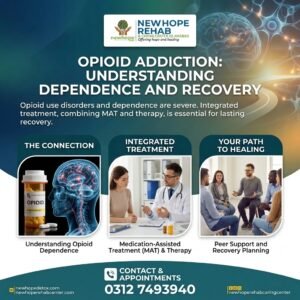
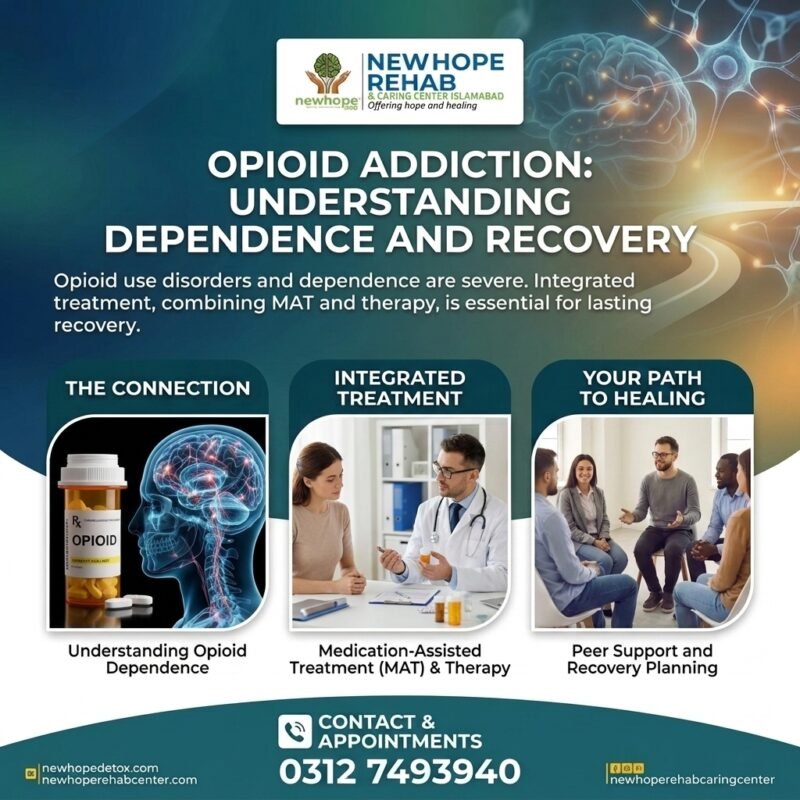
Opioid Addiction: Understanding Dependence and Recovery
Opioid Addiction

Opioid Addiction: Understanding Dependence and Recovery

Opioid addiction is a serious health condition that can affect a person’s physical health, mental well-being, relationships, and daily life. Opioids are medicines used to treat pain, but some opioids can also cause dependence and addiction. When opioid use becomes difficult to control, a person may continue using them despite harmful effects on their health or personal life. The good news is that opioid addiction is treatable. With appropriate medical care, counseling, and ongoing support, people can manage dependence and work toward long-term recovery. Understanding the signs of opioid addiction and the available treatment options is an important first step toward getting help. What Is Opioid Addiction? Opioids are substances that act on opioid receptors in the brain and body to reduce pain. They include prescription medicines such as oxycodone, morphine, and codeine, as well as illicit opioids such as heroin. Fentanyl is a powerful synthetic opioid used medically in specific circumstances and also found in illicit drug supplies. Opioids can be helpful when prescribed and used appropriately. However, they can also produce feelings of relaxation or pleasure, which may contribute to repeated use and dependence. Opioid use disorder, commonly called opioid addiction, is a medical condition involving a pattern of opioid use that becomes difficult to control and causes significant problems in daily life. It is not simply a lack of willpower. Biological, psychological, and social factors can all contribute to its development. Understanding Opioid Dependence Opioid dependence and opioid addiction are related, but they are not exactly the same. Physical dependence develops when the body adapts to regular opioid exposure. If a person suddenly reduces or stops taking opioids, withdrawal symptoms may occur. Physical dependence can develop even when someone takes medication as prescribed. Opioid addiction, or opioid use disorder, involves difficulty controlling use despite negative consequences. A person may experience strong cravings, spend considerable time obtaining or using opioids, or continue taking them even when they harm health, relationships, or responsibilities. Recognizing this difference is important because physical dependence alone does not necessarily mean someone has an addiction. A healthcare professional can assess symptoms and recommend appropriate care. Common Signs and Symptoms of Opioid Addiction The signs of opioid addiction can vary depending on the substance, the amount used, the duration of use, and the person’s health. Common warning signs include: Strong cravings or a persistent desire to use opioids. Taking more medication than intended or using it more often than prescribed. Repeated unsuccessful attempts to reduce or stop use. Spending significant time obtaining, using, or recovering from opioids. Neglecting work, education, family, or other responsibilities. Continuing opioid use despite physical, emotional, or social problems. Experiencing withdrawal symptoms when opioid use is reduced or stopped. Developing a higher tolerance, meaning more of the substance is needed to produce the same effect. Some people may hide their opioid use because of shame or fear of judgment. Responding with compassion rather than blame can make it easier for them to seek help. Causes and Risk Factors of Opioid Addiction There is no single cause of opioid addiction. It can develop through a combination of medical, psychological, environmental, and biological factors. Prescription Opioid Use Some people first encounter opioids after surgery, an injury, or treatment for a painful condition. Although many patients use these medicines without developing an addiction, prolonged exposure or other risk factors can increase the chance of problems. Taking opioids only as prescribed reduces some risks, but it does not eliminate the possibility of physical dependence or opioid use disorder. Mental Health Challenges People experiencing depression, anxiety, trauma, or severe stress may use opioids in an attempt to cope with emotional distress. The relief may be temporary, while repeated use can create additional health and personal difficulties. Social and Environmental Factors Social pressure, exposure to substance use, family difficulties, isolation, and limited access to healthcare may increase vulnerability. These factors do not determine a person’s future, but they can influence the risk of developing a substance use disorder. Previous Substance Use Problems A personal history of substance use problems may increase the risk of opioid addiction. A family history of addiction may also contribute through genetic and environmental influences. Understanding these factors can help healthcare professionals develop treatment plans that address the whole person. The Health Risks of Opioid Addiction Opioid addiction can affect nearly every area of life. Beyond the risk of dependence, opioids can slow breathing, reduce alertness, and impair judgment. Potential complications include: Overdose: Opioids can suppress breathing, potentially causing brain injury or death. Physical health problems: Long-term use may contribute to constipation, hormonal changes, sleep-related breathing problems, and other complications. Mental health concerns: Opioid use disorder may occur alongside depression, anxiety, or other mental health conditions. Relationship difficulties: Secrecy, financial strain, and changes in behavior may affect family and social relationships. Problems with work or education: Cravings, intoxication, and time spent obtaining opioids may interfere with daily responsibilities. Infection risks: Injecting opioids can increase the risk of serious infections, including HIV and hepatitis, particularly when equipment is shared. Recognizing an Opioid Overdose An opioid overdose is a medical emergency. Warning signs can include very slow or absent breathing, inability to wake the person, a limp body, and blue or gray lips or fingertips. If an overdose is suspected, contact local emergency services immediately. Give naloxone if it is available and follow the product instructions. Naloxone can temporarily reverse an opioid overdose, but emergency medical care is still necessary because symptoms may return. If the person is not breathing normally, follow the emergency dispatcher’s instructions for rescue breathing or CPR if you can. Do not leave the person alone. Opioid Withdrawal: What to Expect When someone who is physically dependent on opioids stops or sharply reduces use, withdrawal symptoms may develop. Symptoms and their duration depend on the opioid involved, the pattern of use, and the person’s health. Common symptoms include: Muscle aches and body pain. Sweating, chills, or a runny nose. Restlessness, anxiety, or irritability. Trouble sleeping. Abdominal cramps, nausea, vomiting, or

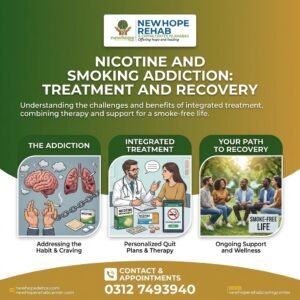
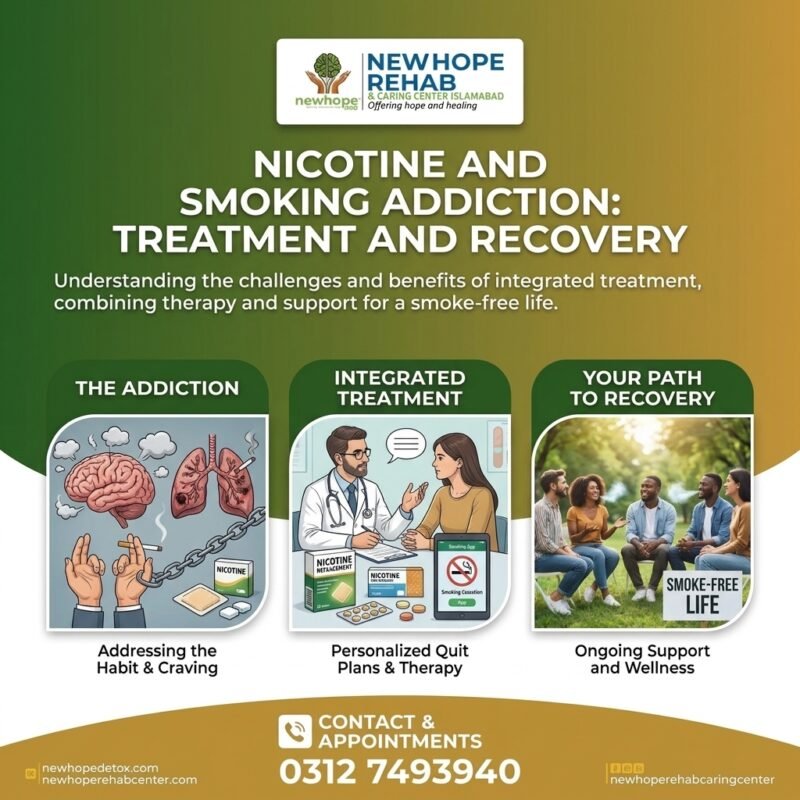
Nicotine and Smoking Addiction: Treatment and Recovery
Nicotine and Smoking Addiction

Nicotine and Smoking Addiction: Treatment and Recovery

Nicotine and smoking addiction are common health concerns that can affect a person’s physical health, emotional well-being, and daily life. Although many people start smoking because of curiosity, stress, or social pressure, nicotine can quickly lead to dependence. Over time, quitting may become difficult, even when someone understands the health risks. The good news is that nicotine addiction is treatable, and recovery is possible with the right support, practical strategies, and a plan that fits individual needs. Whether a person smokes cigarettes regularly or uses other nicotine products, understanding addiction is an important first step toward a healthier life. What Is Nicotine and Smoking Addiction? Nicotine is an addictive substance found naturally in tobacco. When a person smokes, nicotine enters the bloodstream through the lungs and reaches the brain quickly. It affects brain pathways involved in reward, attention, and mood, creating temporary feelings of pleasure or relief. With repeated use, the brain adapts to nicotine. A person may begin to need it to feel normal, manage cravings, or cope with everyday stress. This pattern is known as nicotine dependence. Smoking addiction can involve more than physical dependence. Certain routines, places, emotions, and social situations can also trigger the urge to smoke. For example, someone may associate cigarettes with drinking tea, taking work breaks, driving, or spending time with friends. Common Signs of Nicotine and Smoking Addiction Recognizing the signs of addiction can help someone decide when it is time to seek support. Common signs include: Feeling a strong urge to smoke or use nicotine. Finding it difficult to reduce or stop nicotine use. Experiencing irritability, anxiety, or restlessness when unable to smoke. Smoking soon after waking up. Continuing to smoke despite health concerns. Using nicotine to cope with stress or difficult emotions. Returning to smoking after previous attempts to quit. Spending significant time or money obtaining and using tobacco products. Not everyone experiences every sign. However, repeated difficulty controlling nicotine use may indicate dependence and a need for additional support. Health Risks of Smoking and Nicotine Dependence Smoking harms nearly every organ in the body. Cigarette smoke contains thousands of chemicals, including substances that damage cells and increase the risk of serious disease. Long-term smoking is associated with several health problems, including: Lung disease: Smoking increases the risk of chronic obstructive pulmonary disease (COPD) and other breathing problems. Heart disease and stroke: Tobacco smoke damages blood vessels and raises cardiovascular risk. Cancer: Smoking increases the risk of lung cancer and several other types of cancer. Reduced physical fitness: People who smoke may experience shortness of breath and reduced stamina. Pregnancy complications: Smoking during pregnancy can increase risks to both the pregnant person and the developing baby. Secondhand smoke exposure: Smoke can harm family members and others nearby, especially children. Nicotine itself is highly addictive and can affect heart rate and blood pressure. The major long-term health damage from smoking comes from exposure to the harmful chemicals in tobacco smoke. Quitting can improve health at any age. Even people who have smoked for many years can benefit from stopping. Why Is Quitting Smoking So Difficult? Quitting smoking can be challenging because nicotine dependence involves physical, emotional, and behavioral factors. Physical Dependence The brain becomes accustomed to regular nicotine exposure. When nicotine levels fall, withdrawal symptoms may appear. These can include cravings, irritability, difficulty concentrating, restlessness, low mood, and sleep disturbances. Emotional Triggers Some people use smoking to cope with stress, sadness, boredom, or anxiety. Without other coping strategies, these emotions can trigger a strong desire to smoke. Daily Habits Smoking may become linked to familiar routines, such as drinking coffee, finishing a meal, or taking a break at work. These associations can remain even after the physical withdrawal symptoms begin to improve. Social Pressure Being around people who smoke can make quitting more difficult. Social gatherings and familiar smoking environments may trigger cravings, especially during the early stages of recovery. Understanding these triggers helps people prepare for difficult moments instead of relying on willpower alone. Nicotine and Smoking Addiction Treatment Options There is no single approach that works for everyone. Effective treatment often combines behavioral support, practical changes, and medication when appropriate. 1. Behavioral Counseling Counseling can help people understand why they smoke and identify situations that trigger cravings. A trained professional may help develop strategies for managing stress, changing routines, and responding to urges. Counseling can be provided individually, in groups, or through telephone-based support, depending on availability. 2. Nicotine Replacement Therapy Nicotine replacement therapy (NRT) provides nicotine without the harmful chemicals found in cigarette smoke. Products may include patches, gum, lozenges, inhalers, or nasal sprays, depending on what is available locally. These products can help reduce withdrawal symptoms and cravings while a person stops smoking. A healthcare professional or pharmacist can help determine which option is appropriate. 3. Prescription Medication Certain prescription medicines can help people quit smoking by reducing cravings or making smoking less rewarding. Options may include varenicline or bupropion, depending on local availability and a person’s medical history. These medicines are not suitable for everyone. A healthcare professional should review potential benefits, side effects, other medications, and relevant health conditions before treatment begins. 4. Quit Plans and Lifestyle Changes A practical quit plan can make recovery more manageable. Helpful steps include choosing a quit date, removing cigarettes and lighters, identifying personal triggers, and planning alternatives for common smoking situations. Physical activity, regular sleep, drinking water, and healthy routines may also support well-being during withdrawal. These changes work best alongside evidence-based cessation support when needed. 5. Professional Support for Complex Dependence Some people have repeated unsuccessful quit attempts or use smoking to cope with significant emotional distress. Others also struggle with alcohol or other substance use. In these situations, professional assessment can help identify the most suitable combination of support. Treatment should address the person’s overall health and circumstances rather than focusing only on cigarette use. Understanding Nicotine Withdrawal Nicotine withdrawal is a common part of quitting. Symptoms can begin within hours after the last use,

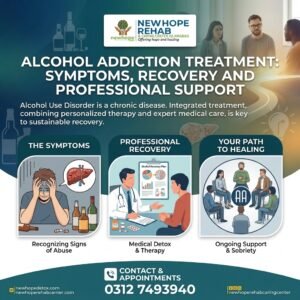
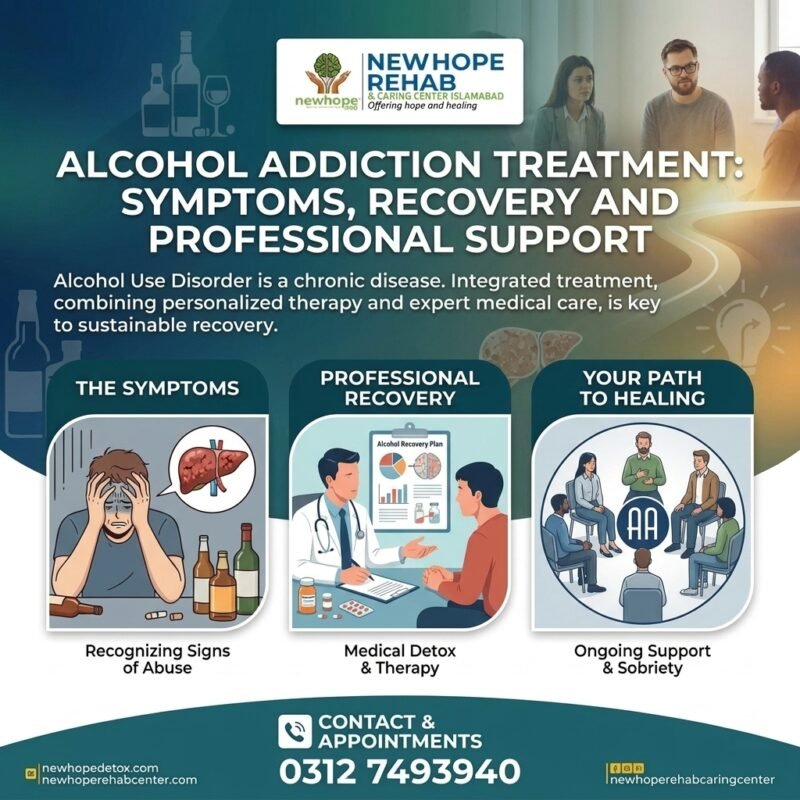
Alcohol Addiction Treatment: Symptoms, Recovery and Professional Support
Alcohol Addiction Treatment

Alcohol Addiction Treatment: Symptoms, Recovery and Professional Support

Alcohol addiction treatment helps people who struggle to control their drinking and experience negative effects on their health, relationships, or daily responsibilities. Alcohol use disorder can affect physical health, mental wellbeing, family life, and work. With appropriate medical care, psychological support, and a personalized recovery plan, many people can make meaningful progress toward a healthier life. Recognizing the signs of alcohol addiction is an important first step. Whether someone has been drinking heavily for years or has recently noticed a loss of control, seeking professional support can help them understand their options and choose an appropriate treatment approach. What Is Alcohol Addiction? Alcohol addiction is commonly associated with alcohol use disorder (AUD), a medical condition in which a person has difficulty controlling alcohol use despite harmful consequences. It can range from mild to severe. A person may develop a strong urge to drink, need more alcohol to experience the same effects, or continue drinking despite problems with health, family, finances, or work. Alcohol addiction is not simply a lack of willpower. It can involve changes in brain function, emotional health, behavior, and physical dependence. Early assessment can help identify the severity of the problem and determine what type of care may be appropriate. Common Signs and Symptoms of Alcohol Addiction Alcohol use disorder can develop gradually, so its warning signs may not always be obvious. Common signs include: Drinking more or for longer than intended Repeatedly trying to cut down without success Strong cravings for alcohol Spending considerable time drinking or recovering afterward Neglecting family, work, or educational responsibilities Continuing to drink despite health or relationship problems Giving up activities because of drinking Developing tolerance and needing more alcohol for similar effects Experiencing withdrawal symptoms when alcohol use decreases Not everyone experiences all these symptoms. A healthcare professional can assess drinking patterns and related health concerns. Why Professional Alcohol Addiction Treatment Matters Alcohol addiction can affect several aspects of a person’s life at the same time. Heavy or prolonged drinking may contribute to liver disease, digestive problems, cardiovascular complications, memory difficulties, sleep disruption, depression, and anxiety. Professional treatment can help address these risks while supporting the person through behavioral and emotional changes. Treatment may help individuals understand their drinking patterns, manage cravings, develop healthier coping strategies, address co-occurring mental health concerns, and create a plan for maintaining recovery. Alcohol Withdrawal: Why Medical Supervision Can Be Important When someone who has been drinking heavily or regularly suddenly stops or sharply reduces alcohol use, withdrawal symptoms may develop. These can include: Trembling or shaking Sweating Nausea or vomiting Anxiety or restlessness Headaches Insomnia Increased heart rate Severe alcohol withdrawal can cause seizures, hallucinations, or delirium tremens, a potentially life-threatening condition. People who may be physically dependent on alcohol should seek medical advice before stopping suddenly. Clinicians can assess withdrawal risk and determine whether supervised withdrawal management is necessary. Seizures, severe confusion, hallucinations, or loss of consciousness require emergency medical attention. Types of Alcohol Addiction Treatment The right treatment depends on the person’s drinking history, physical health, withdrawal risk, mental health, and support system. 1. Medical Assessment and Detoxification Treatment often begins with an assessment of alcohol use, medical history, medications, and mental health. If withdrawal is expected, clinicians may recommend medically supervised withdrawal management. Detoxification helps the body manage the immediate effects of stopping alcohol. However, detox alone does not address the behavioral, emotional, and social factors that contribute to addiction. Continued treatment is often important. 2. Behavioral Therapy and Counseling Counseling can help people identify triggers, understand their relationship with alcohol, and develop healthier responses to stress. Cognitive behavioral therapy (CBT) may help individuals recognize patterns of thinking and behavior associated with drinking. Other evidence-based approaches may support motivation, goal-setting, and long-term changes. 3. Medication for Alcohol Use Disorder Certain medications may help reduce cravings or support recovery for appropriate patients. Options can include naltrexone and acamprosate, while disulfiram may be suitable in selected circumstances. These medications are not appropriate for everyone. A qualified clinician should consider medical history, liver and kidney health, other medications, and individual treatment goals before recommending them. Medication should be combined with appropriate follow-up and support. 4. Residential or Inpatient Treatment Some people benefit from a structured treatment environment, particularly when they have significant medical or psychological needs, repeated difficulties maintaining recovery, or an unsafe home environment. Residential treatment may provide a planned routine, counseling, medical coordination, and recovery-focused support. The appropriate level of care should be based on clinical assessment rather than assumptions that inpatient care is always necessary. 5. Outpatient Treatment and Continuing Care Outpatient treatment allows people to receive professional support while continuing many daily responsibilities. Depending on individual needs, it may include regular counseling, medical appointments, group sessions, and relapse-prevention planning. After an initial treatment program, continuing care can help people manage cravings, respond to stressful situations, and maintain progress over time. The Role of Mental Health in Alcohol Recovery Alcohol addiction may occur alongside depression, anxiety, trauma-related symptoms, or other mental health conditions. Some people drink to cope with emotional distress, but alcohol can worsen sleep, mood, and anxiety over time. When alcohol use disorder and a mental health condition occur together, coordinated care can help address both concerns. A treatment plan may include psychological therapy, psychiatric assessment, medication when appropriate, and strategies for managing stress without relying on alcohol. How Family Support Can Help With Alcohol Addiction Family members can play an important role by offering encouragement, maintaining respectful communication, and supporting access to treatment. Helpful approaches include: Talking calmly about concerns related to drinking Encouraging professional assessment Supporting attendance at appointments Establishing clear and healthy boundaries Avoiding blame, humiliation, or threats Learning to recognize signs of dangerous withdrawal or relapse Families should remember that they cannot control another person’s recovery. They can offer support while protecting their own physical and emotional wellbeing. Preventing Relapse After Alcohol Addiction Treatment Recovery continues after the initial treatment period. Some people experience cravings or return to drinking, especially during stressful periods. A