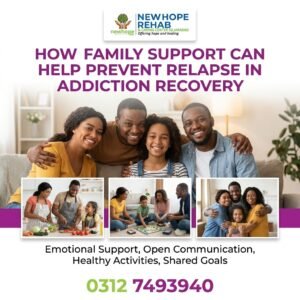
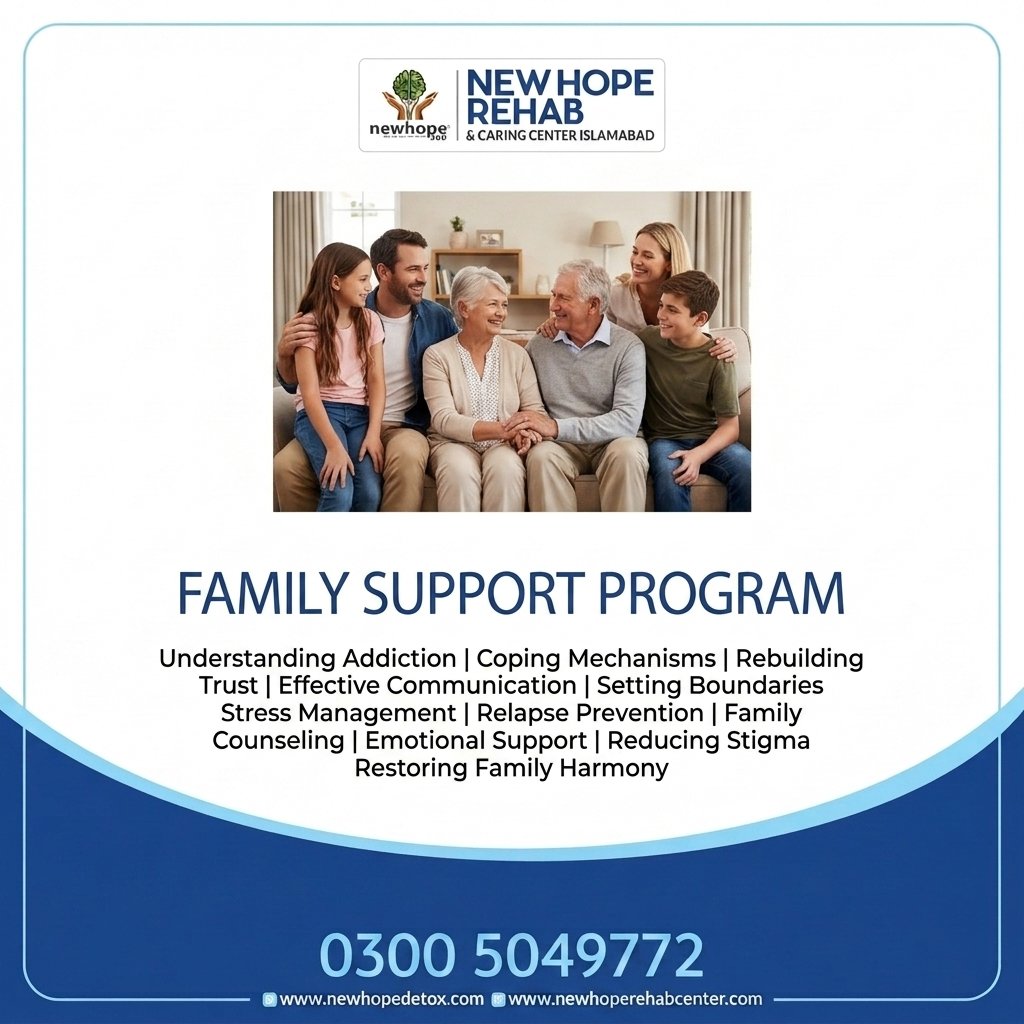
Recovery from addiction and mental health challenges is often most successful when family members are actively involved in the healing process. Addiction affects not only the individual but also parents, spouses, children, and close relatives. A structured family support program helps families understand addiction, improve communication, rebuild trust, and learn healthy ways to support their loved one’s recovery.
For individuals and families seeking a Family Support Program in Islamabad, Pakistan, professional guidance can make a meaningful difference throughout the recovery journey. At New Hope Rehab and Caring Centre Islamabad, family involvement is considered an essential part of comprehensive addiction and mental health treatment, helping both patients and their loved ones move toward healthier relationships and long-term recovery.
What Is a Family Support Program?
A family support program is a structured service that provides education, counseling, and emotional support to family members of individuals receiving treatment for addiction or mental health conditions. Its purpose is to strengthen the family’s ability to support recovery while also addressing the emotional impact addiction may have had on loved ones.
Family participation can improve treatment engagement and help create a stable environment that encourages lasting recovery.
Why Family Support Is Important
Addiction often affects the entire family system. Misunderstanding, stress, and communication difficulties may develop over time, making recovery more challenging without support.
A family support program can help:
- Improve communication between family members
- Build trust and understanding
- Reduce conflict within the home
- Educate families about addiction and recovery
- Encourage healthy boundaries
- Strengthen emotional support
- Promote long-term recovery
Supporting the family also contributes to the well-being of the individual in treatment.
Who Can Benefit from a Family Support Program?
Family support programs may benefit:
- Parents
- Spouses
- Children
- Siblings
- Close relatives
- Caregivers
Whether a loved one is beginning treatment, completing rehabilitation, or maintaining long-term recovery, family involvement can provide valuable encouragement and stability.
Key Components of a Family Support Program
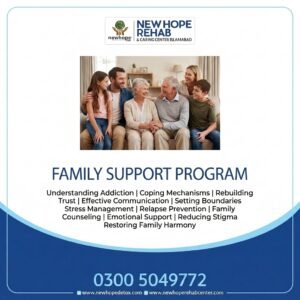
Family Counseling
Family counseling provides a safe environment where relatives can discuss concerns, improve communication, and work toward healthier relationships under professional guidance.
Education About Addiction
Learning about addiction as a medical condition helps families better understand recovery, reduce stigma, and develop realistic expectations.
Communication Skills
Families learn practical strategies for listening, expressing concerns respectfully, and resolving conflicts more effectively.
Emotional Support
Family members often experience stress, anxiety, frustration, or guilt. Support sessions help them manage these emotions while maintaining their own well-being.
Relapse Prevention Education
Families learn to recognize early warning signs of relapse, understand potential triggers, and respond in supportive and constructive ways.
Supporting Mental Health Within the Family
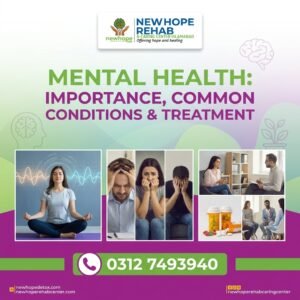
Many individuals receiving addiction treatment also experience mental health conditions such as:
- Anxiety disorders
- Depression
- Trauma-related conditions
- Chronic stress
Family members also benefit from understanding these conditions and learning ways to provide compassionate support while encouraging continued professional care.
The Role of Families During Recovery
Families play an important role throughout every stage of recovery by:
- Encouraging treatment participation
- Supporting healthy daily routines
- Promoting open communication
- Celebrating recovery milestones
- Helping reduce stress within the home
- Encouraging ongoing counseling and follow-up care
Positive family involvement can strengthen motivation and improve long-term recovery outcomes.
Long-Term Benefits of Family Support
When families participate in recovery, individuals often experience:
- Stronger emotional support
- Better treatment engagement
- Improved relationships
- Greater confidence during recovery
- Healthier family dynamics
- Reduced risk of relapse
At New Hope Rehab and Caring Centre Islamabad, family support is integrated into comprehensive treatment planning to promote recovery for both individuals and their loved ones.
Frequently Asked Questions (FAQs)
1. What is a family support program?
A family support program provides counseling, education, and emotional support to families of individuals receiving addiction or mental health treatment.
2. Why is family involvement important during recovery?
Family involvement improves communication, strengthens emotional support, helps rebuild trust, and creates a healthier environment that supports long-term recovery.
3. Can family counseling improve relationships?
Yes. Family counseling helps relatives understand one another, resolve conflicts, improve communication, and strengthen family relationships.
4. Does the family support program only focus on addiction?
No. Family support programs may also address mental health conditions, stress management, healthy boundaries, and emotional well-being for the entire family.
5. Who can participate in a family support program?
Parents, spouses, siblings, adult children, caregivers, and other close family members may participate, depending on the individual’s treatment plan and preferences.
Conclusion
Recovery is often stronger when families heal together. A structured Family Support Program in Islamabad, Pakistan provides education, counseling, and practical guidance that helps loved ones understand addiction, improve communication, and become active partners in the recovery process.
At New Hope Rehab and Caring Centre Islamabad, family-centered care is an important part of comprehensive addiction and mental health treatment. Through professional counseling, family education, emotional support, and relapse prevention planning, families are empowered to create a supportive environment that encourages lasting recovery, healthier relationships, and improved overall well-being.