+92 312 7493940

Family Support Program Treatment Center Islamabad, Pakistan

Recovery from addiction and mental health struggles is not done alone – it involves the power and support of family. Family involvement is essential to recovery, and a structured family support program can facilitate communication, build trust, and provide emotional balance. A professional family support program Treatment Centre in Islamabad, Pakistan will train the families on how to help their loved ones. Family participation is an intrinsic type of comprehensive care at New Hope Rehab and Caring Centre Islamabad.

The Role of Family in Recovery

Changes in behavioral and emotional well-being are often noted first by family members. How they react can have a huge impact on whether someone is motivated to get help, and stay in recovery.

A treatment center in Islamabad, Pakistan, family support program structured properly helps families:

Too common because they come with many risk factors including addiction and mental health conditions

  • Develop healthy communication patterns
  • Provide emotional and practical support
  • Reduce conflicts and misunderstandings

The recovery process is also more secure and resourceful when families are notified and involved.

What is Family Support Program?

What Is a Family Support Program? Family support program is a special kind of service for educating and guiding the family members of people who are getting…. Offers resources and strategies for families dealing with addiction and mental health problems.

In a family support program Treatment Center in Islamabad, Pakistan, the program includes normally:

  • Family counseling sessions
  • Educational workshops
  • Group discussions and peer support
  • Guidance on setting healthy boundaries

These services focus on working with the individual in recovery and bolstering the health of their families.

Essential Elements of a Family Support Program

Family Counseling

In addition to learning patterns and coping mechanisms, family counseling sessions provide a safe space for all members to share their concerns, experiences, and feelings related to challenges. This helps to settle disputes and rekindle trust.

Education and Awareness

You should learn about how addiction and mental health condition’s function. Education allows families to respond with compassion instead of judgement.

Communication Skills Training

Communication is the cornerstone of any healthy relationship. The programs teach families to speak up and be heard.

Emotional Support Strategies

This is inspiration for families on how to be supportive and not enable phenoms.

Relapse Prevention Guidance

Families are trained to detect early warning signs of impending relapse and how to respond.

These components together are integrated into a combination to perform an overall care approach at New Hope Rehab and Caring Centre Islamabad.

Career Professional Family Support Program Treatment Center in Islamabad, Pakistan

An organized center helps lead families through the recovery process. Duties of a family support program Treatment Centre in Islamabad, Pakistan Include;

  • Assessing family dynamics and needs
  • Providing personalized counseling sessions
  • Offering continuous support and follow-up
  • Family involvement into treatment plans

This method allows not just the patient but also his family to get adequate care.

Benefits of Family Involvement in Treatment

Benefits of Family Involvement in Treatment

  • Better insight into the road to recovery
  • Stronger emotional bonds and trust
  • Less lonely feelings for the person
  • Better adherence to treatment plans
  • Increased chances of long-term recovery

When families are actively engaged, they become a pillar of strength and stability.

Challenges Faced by Families

Families go through emotional stress, confusion, and frustration because of addiction or mental health issues. Common challenges include:

  • Insufficient Information on the disorder
  • Feelings of guilt or blame
  • Communication breakdowns
  • Difficulty setting boundaries

To help families tackle these challenges in an effective and supportive manner, Family support program Treatment Center conducted in Islamabad, Pakistan.

Creating a Healthy Family Environment

It is a known fact that reaching out for help would be challenging unless there was a friendly home to encourage recovery. Families can contribute by:

  • Encouraging open and honest communication
  • Avoiding judgment or criticism
  • Supporting healthy routines and habits
  • Taking time to be considerate in downfalls

When coupled with professional guidance, these practices promote positive and healing environments.

New Hope Rehab and Caring Centre Islamabad for Families

Family Support Program Treatment Center Islamabad, Pakistan

New Hope Rehab and Caring Centre Islamabad acknowledge that a collaborative effort is needed to aid recovery. At the center, there are structured family support programs aiming at:

  • Building awareness and understanding
  • Strengthening family relationships
  • Promoting emotional well-being
  • Supporting long-term recovery goals

It is a compassionate, ethical, and family-centered approach that considers the distinctiveness of each family.

Interruption Manner of Family Support Programs as Well as Long-Term Effect

They are rooted in research and help during treatment with lasting benefits as well. These organizations help families preserve healthy relationships, cope with stress and assist in ongoing recovery.

In trusted family support program Treatment Center in Islamabad Pakistan, families have gained a sense of knowledge that helps them return to the challenges they face after formal treatment.

FAQs

1.     What are family support programs?

Family support program teaches, trains and mentors the families to help their member on recovery.

2.     Does having a family member involved improve recovery?

Does active family involvement improve emotional support and long-term recovery success?

3.     Which services are encompassed by a family support program?

Available services include counseling, education, communication skills training, and relapse prevention advice.

4.     To answer: How families can deal with the stress of treatment?

Social media and technology, like counseling, support groups, or teaching the family how to deal with stress.

5.     Are family members required to participate in treatment programs?

Family involvement is not necessarily required; however, it is encouraged in order to allow additional support.

Conclusion

A vital component of an effective addiction and mental health treatment program is a family support program. This is vital for rebuilding partnerships, enhancing communication, and offering emotional support for those in recovery. Getting support from a family-focused Service provider Center in Islamabad, Pakistan can assist families to be engaged and constructive in the restoration process.

New Hope Rehab and Caring Centre Islamabad are dedicated to ensuring quality in the service provided to individuals in treatment, as well as family members, as they recover together from addiction.

Latest Post

Newsletter

Signup our newsletter to get free update, news or insight. 

Related Article

Alcohol Addiction Treatment: Recovery, Detox and Long-Term Support
Alcohol Addiction

Alcohol Addiction Treatment: Recovery, Detox and Long-Term Support

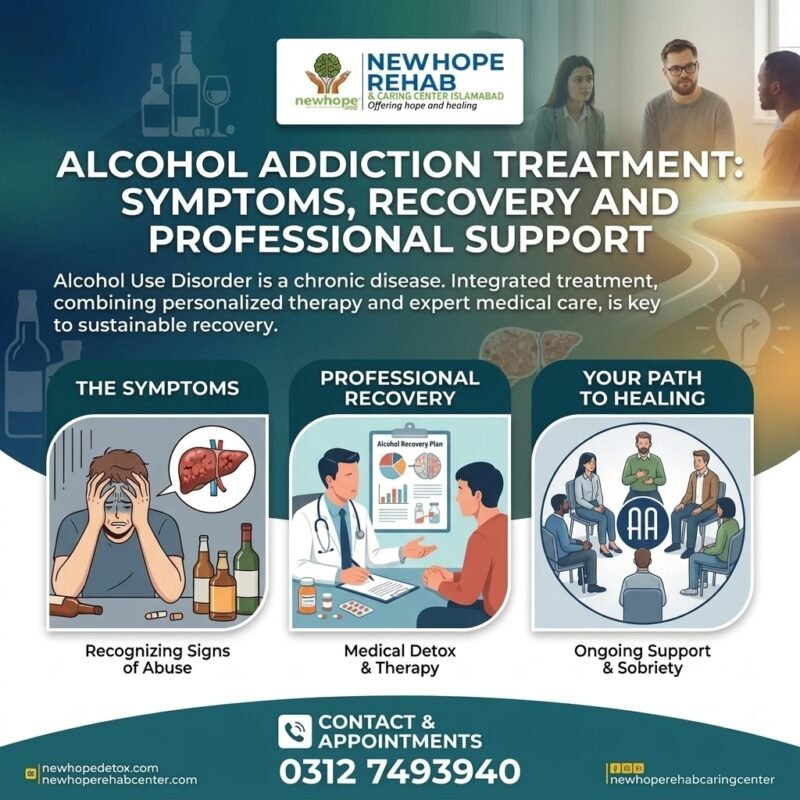
A supervised Program for Alcohol addiction treatment will provide you the mechanism that works in guiding people, who find it difficult to manage their consumption of alcohol or where alcoholism had taken root to behave normally. Alcohol use disorder interferes with physical health, mental well-being, relationships, employment and finances and day-to-day life. People can recover from addiction, but treatment needs to be tailored to each individual. Depending on the severity of alcohol use, treatment may include a brief assessment, medically supervised withdrawal management (if indicated), individual or group counseling, behavioral therapy, medication-assisted therapy as appropriate, family support and relapse prevention services. New Hope Rehab and Caring Centre Islamabad offer 24/7, structured support for those suffering from addiction and associated mental health issues. What Is Alcohol Addiction? Alcohol use disorder, or AUD: This is clinically significant problematic alcohol use which results in great distress and impairment. Possible signs include: Drinking more or for longer than planned Problem with either stopping or cutting down the use of alcohol Strong cravings for alcohol A great deal of time spent obtaining/use/recovery related to alcohol Ignoring work, family or other tasks Drinking even with health or relationship problems Developing tolerance And that could mean signs of withdrawal when they cut their drinking. Only a qualified healthcare professional can evaluate symptoms and diagnose alcohol use disorder. The Importance of Professional Alcohol Addiction Rehabilitation Alcohol use disorder can be biological and psychological in nature. If someone who has been drinking heavily or regularly for a long time suddenly stops drinking, they may experience withdrawal. Alcohol withdrawal can be life-threatening, at times. Symptoms may include: Anxiety Tremors Sweating Nausea Insomnia Rapid heart rate Agitation Seizures Hallucinations Severe confusion Heavy users of alcohol should consult their physician before attempting to stop drinking, since severe alcohol withdrawal can be dangerous. Alcohol Detoxification Detoxification is usually the first step in treating alcohol addiction when medically indications warrant it. The aim is to stabilize the body following ceasing alcohol intake, through supervision and treatment of withdrawal symptoms. Medical professionals may assess: Type, quantities and frequency of alcohol use Previous withdrawal episodes History of seizures Physical health Mental health Other substances being used Current medications Previous treatment Depending on the person, withdrawal Management may be medically supervised and/or require medication. But without detox, you can’t address the whole picture of recovery from an alcohol addiction. Continual support is typically essential in order to stay off the drugs. Counseling for Alcohol Addiction Counselling provides people with a better understanding of the difficulties surrounding drinking and the means to cope better in stressful situations. Therapy may focus on: Identifying drinking triggers Managing cravings Coping with stress Improving emotional regulation Addressing unhealthy thought patterns Strengthening motivation for change Improving relationships Developing relapse-prevention strategies Such as cognitive behavioral approaches and other evidence-informed therapies as appropriate to individual need Medication-Assisted Treatment Some medications are available to help treat alcohol use disorder. Healthcare professionals may look at medication options that either dampen cravings, or help people steer clear of heavy drinking. Medication can only be taken under proper supervision. A healthcare professional can decide if a specific prescription is appropriate—and can follow how it functions. Mental Health Treatment and Dual Diagnosis Alcohol use disorder can coexist with depression, anxiety, trauma-related conditions, bipolar disorder and other psychiatric disorders. If you drink alcohol and also have a mental health condition, professionals may call this a dual diagnosis or co-occurring disorder. Both should be considered in treating comprehensively. In many cases, treating the alcohol use in the absence of adequate mental health symptom amelioration, or vice versa, may be inadequate to address the prominent needs for recovery. Family Support in Alcohol Addiction Treatment Alcoholism can impact spouses, parents, children, siblings and other family members. Families have stress, confrontation and financial problems without the mapping of how to help. One can help family members through family education and counseling: Understand alcohol addiction Communicate more effectively Establish healthy boundaries Avoid enabling harmful drinking Recognize warning signs Support healthy recovery routines Encourage professional care Family members should also ensure they themselves are physically and emotionally healthy. Relapse Prevention and Aftercare Recovery does not stop when detox ends or after residential treatment is finished. In some people, cravings persist or suckles how often are you told will take place in threatening situations. A relapse-prevention plan may include: Identifying personal triggers Avoiding high-risk situations when possible Continuing counseling Developing healthy daily routines Building supportive relationships Managing stress effectively Addressing mental health concerns Attending follow-up appointments Getting help ASAP when you recognize warning signs When someone resumes drinking after a recovery period, professional agency reassessment can provide information on what else is needed. How To Select an Alcohol Addiction Treatment Centre Individuals and families searching for alcohol addiction treatment should also prioritize quality. Useful questions include: Medical evaluation before therapy? Are qualified healthcare professionals available? Can withdrawal from alcohol be medically managed? Are mental health conditions assessed? Is counseling available? Are evidence-informed treatment options offered? Is family support included? Does the program include relapse prevention? Is continuing care available? What To Do During Medical and Psychiatric Emergencies Avoid facilities which promise guaranteed or same-hour recovery. Clinical treatment for addiction is not a one-size-fits-all and outcomes are variable. New Hope Rehab and Caring Centre Islamabad — Alcohol Addiction Treatment New Hope Rehab and Caring Centre Islamabad offer structured support to individuals and families dealing with alcohol addiction along with concurrent mental health issues. Treatment planning can include assessment, withdrawal management, counseling, psychological or psychiatric support, family involvement and education regarding ongoing care needs that includes relapse prevention. An evaluation by a mental-health professional is essential to ascertain the degree of treatment required, based on factors such as history of alcohol-use disorder, general health status, comorbid psychiatric disorders and withdrawal risk at this stage (Table 1) [5]. Frequently Asked Questions 1.     Can alcohol addiction be treated? Yes. While recovery may be a lifelong process, alcohol use disorder is treatable. Management may include withdrawing from drugs, advising, medication, conduct therapy,

Drug Detox: What to Expect, Withdrawal Management and Recovery Support
Rapid detox

Drug Detox: What to Expect, Withdrawal Management and Recovery Support

Drug detox is the process of allowing the body to eliminate a drug while managing the physical and psychological effects that can occur when substance use is reduced or stopped. For people who have developed physical dependence, detox can be an important first step toward addiction recovery. However, detox is not the same as complete addiction treatment. Withdrawal management addresses the immediate effects of stopping a substance, while longer-term treatment can address cravings, behaviors, mental health concerns, relationships, and relapse prevention. New Hope Rehab and Caring Centre Islamabad provides structured support for individuals and families dealing with addiction and related mental health concerns. What Is Drug Detox? Drug detoxification is a process through which a person stops using a substance and receives appropriate support while the body adjusts. The experience depends on several factors, including: The type of drug used Amount and frequency of use Duration of substance use Physical health Mental health Previous withdrawal experiences Use of multiple substances Some people may require medically supervised withdrawal management, while others may need a different level of support. Why Drug Detox Can Be Important Regular drug use can cause the body to adapt to the presence of a substance. When use suddenly stops, withdrawal symptoms may occur. Depending on the drug, withdrawal can involve: Anxiety Irritability Sweating Tremors Nausea Muscle aches Fatigue Sleep difficulties Changes in appetite Depression or low mood Strong cravings Some types of withdrawal can become medically serious. For this reason, people with significant dependence should seek professional advice before stopping certain substances abruptly. Different Drugs Can Cause Different Withdrawal Symptoms Drug detox is not a single process because different substances affect the body differently. Opioid Detox Opioids such as heroin and other opioid drugs can cause withdrawal symptoms including muscle aches, sweating, runny nose, nausea, diarrhea, anxiety, insomnia, and intense cravings. Although opioid withdrawal is generally not fatal by itself, professional support can help manage symptoms and address the risk of returning to opioid use after tolerance has decreased. Benzodiazepine Detox Benzodiazepine withdrawal can be medically serious, particularly after prolonged or high-dose use. Symptoms can include anxiety, insomnia, agitation, and, in severe cases, seizures. People taking benzodiazepines regularly should not abruptly discontinue them without medical guidance. Stimulant Detox Stopping stimulants such as methamphetamine or cocaine may result in fatigue, increased sleep, increased appetite, low mood, irritability, anxiety, and strong cravings. Severe depression or suicidal thoughts require urgent professional attention. Cannabis Withdrawal Some frequent cannabis users experience irritability, anxiety, sleep difficulties, reduced appetite, restlessness, and cravings after stopping. The intensity varies between individuals. Medical Assessment Before Detox A professional assessment can help determine the safest approach to withdrawal management. Healthcare professionals may review: Substance-use history Current medications Previous withdrawal symptoms Physical health Mental health Other substances being used Previous treatment Risk factors for complications This information can help determine whether outpatient support, supervised detoxification, or a higher level of care may be appropriate. What Happens During Drug Detox? The detox process varies depending on the substance and individual circumstances. A supervised program may include: Initial assessment – Reviewing substance use, health, medications, and withdrawal risks. Monitoring – Observing physical and psychological symptoms during withdrawal. Supportive care – Providing appropriate hydration, nutrition, rest, and symptom management. Medication when clinically appropriate – Certain medications may be used by qualified professionals to manage withdrawal or reduce risks. Mental health support – Monitoring mood, anxiety, agitation, or other psychological symptoms. Recovery planning – Preparing for ongoing addiction treatment after withdrawal. The purpose is to manage withdrawal safely and provide a transition toward longer-term recovery. Is Drug Detox Enough to Treat Addiction? No. Detox alone does not address all of the factors involved in addiction. After detox, individuals may still experience: Cravings Emotional difficulties Substance-use triggers Relationship problems Stress Unhealthy behavioral patterns Mental health symptoms Continuing treatment may include counseling, behavioral therapy, psychiatric care, family support, relapse prevention, and aftercare. Counseling After Drug Detox Counseling can help individuals understand their substance use and develop healthier ways to manage difficult situations. Treatment may focus on: Identifying triggers Managing cravings Developing coping skills Improving emotional regulation Addressing negative thought patterns Managing stress Strengthening motivation for recovery Developing a relapse-prevention plan Continuing treatment is an important part of moving from withdrawal management toward long-term recovery. Drug Detox and Dual Diagnosis Some people who seek drug detox also experience depression, anxiety, trauma-related symptoms, or other mental health conditions. When addiction and mental health concerns occur together, they may require coordinated treatment. A comprehensive assessment can help distinguish symptoms associated with substance use or withdrawal from an underlying psychiatric condition and identify appropriate mental health support. Family Support During Drug Detox and Recovery Families often play an important role in helping someone seek treatment. However, withdrawal and addiction can also create significant stress for relatives. Family education can help loved ones understand: What withdrawal may involve Why professional treatment can be important How to communicate effectively How to establish healthy boundaries How to recognize warning signs When emergency help may be needed Families should also seek support for their own well-being when necessary. When Is Drug Detox an Emergency? Some symptoms require immediate medical attention rather than waiting for a routine treatment appointment. Seek urgent medical help for symptoms such as: Seizures Severe confusion Difficulty breathing Loss of consciousness Severe chest pain Serious dehydration Extreme agitation Severe psychotic symptoms Suicidal thoughts or immediate risk of self-harm The appropriate emergency response depends on the situation and local medical services. Choosing a Drug Detox Centre When looking for a Drug Detox program, consider clinical safety and professional qualifications. Important questions include: Is there a medical assessment before detox? Are qualified healthcare professionals involved? How are withdrawal symptoms monitored? Can the program respond to medical emergencies? Are mental health concerns assessed? Is counseling available after detox? Is relapse prevention included? Is continuing care available? Be cautious about programs that promise instant detoxification or guaranteed permanent recovery. Addiction recovery is an individual healthcare process. Drug Detox at New Hope Rehab and

Treatment Programs: Comprehensive Addiction Recovery and Mental Health Support
Treatment Programs

Treatment Programs: Comprehensive Addiction Recovery and Mental Health Support

Treatment Programs offer a safe and organized environment for people who are struggling with substance abuse, alcoholism, mental health problems, and co-occurring disorders. With addiction affecting each person uniquely, it is important for a treatment plan to be developed and implemented based on the individual needs of a patient rather than using the same approach on everyone in need. Other treatments involve assessments, detoxification, counseling and therapy (usually cognitive behavioral), psychiatry and medication for co-occurring disorders, families and individual users in treatment together, relapse prevention training, or aftercare. The specific mix, however, relies on the material involved, degree of your problem, bodily fitness, mental health records, preceding treatment and lifestyles things to consider. New Hope Rehab and Caring Centre Islamabad is structured assistance for women, men and family members affected by substance misuse as well as exchanging mental health issues. What Are Addiction Treatment Programs? A carefully planned and implemented treatment program that helps an individual to replace their use of substances with a healthier way of living. A program can include: Initial medical and psychological assessment Detoxification or withdrawal management Individual counseling Group therapy Behavioral therapy Psychiatric support Dual diagnosis treatment Family counseling Relapse prevention Aftercare and continuing support The objective is not solely to interrupt substance use for a few months. Addiction is a complex disease; therefore, comprehensive treatment also addresses service that may be factors in the addiction and trains individuals on strategies to remain sober. Why Individualized Treatment Matters No one treatment program is suitable for everyone. Treatment planning may consider: Type of substance used Frequency and duration of use Severity of dependence Previous treatment attempts Withdrawal history Physical health Mental health Family circumstances Social environment Risk of relapse A personal approach lets providers make changes to care when the person or people they are supporting change or grow. Detoxification and Withdrawal Management In some cases, detoxification is the initial step in treatment. Detoxification is letting the body become accustomed to no longer using substances while withdrawal symptoms are monitored and managed. Withdrawal is extremely variable depending on the particular substance being used. Possible symptoms include: Anxiety Irritability Tremors Sweating Nausea Fatigue Sleep difficulties Muscle aches Changes in appetite Strong cravings Medically supervised withdrawal from a select few substances, like alcohol and some sedative medications, can be dangerous. So, if example, you stop something determine this straight aired the mission that peaceful from someone is suffering and long-term weighing heavy usages sub joining suddenly. Recuperation only consists of detoxing. Continued treatment for behavior and psychological issues associated with addiction is also important. Individual Counseling Individual counseling provides an opportunity for people to talk about their substance use, feelings, relationships, problems, and goals of recovery in a professional yet private environment. Therapy may help individuals: Identify substance-use triggers Understand patterns of addiction Manage cravings Develop healthier coping strategies Improve emotional regulation Address relationship difficulties Strengthen motivation for recovery Develop relapse-prevention skills Adaptations of treatment can be made according to the individual. Group Therapy and Peer Support Treatment in a group (be it individual, homes or professional acts) setting allows for openness and support to speak about the difficulties of recovery and learn from others who are also battling addiction. Group sessions may focus on: Addiction education Coping skills Emotional regulation Communication Relapse prevention Recovery planning Social support The extent of participation should be aligned with the person’s clinical needs and comfort level. Behavioral Therapy Behavioral therapies help individuals understand the connection between thoughts, emotions, and behaviors related to substance use. People may benefit from doing cognitive behavioral approaches: Identify unhelpful thinking patterns Recognize high-risk situations Develop alternative behaviors Manage cravings Improve decision-making Handle stress more effectively Depending on the specificities of the individual, other evidence-informed behavioral strategies may also be sought. Dual Diagnosis Treatment Some people have both addiction and mental health problems such as depression, anxiety, post-traumatic stress disorder (PTSD), bipolar disorder or another mental health condition. The simultaneous occurrence of substance uses and mental health problems is sometimes known as a dual diagnosis or co-occurring disorder. Mental health should be screened when relevant and care ought to be coordinated for both situations as part of therapy programs. A focus on only the addiction while missing important psychological symptoms could result in continued unmet needs of recovery. Family Support Programs Spouses, parents, kids, and siblings can all be impacted by addiction. Family support aids as a way for relatives to understand addiction, and discover better coping mechanisms. Family-focused treatment may include: Addiction education Communication guidance Family counseling Boundary-setting Relapse-warning education Support for caregivers The degree of family involvement should remain governed by clinical necessity, privacy and safety. Relapse Prevention Programs After the first course of treatment, recovery continues. Relapse-prevention programs train people to identify situations or triggers that may lead them back to use. A personalized plan may include: Identifying triggers Managing cravings Developing healthy routines Continuing counseling Building supportive relationships Avoiding high-risk environments Managing stress Maintaining follow-up care How to know when you need assistance If a person returns to using substances, it should lead to reassessment by the professional instead of being treated as evidence that recovery is not possible. Home-Based and Outpatient Treatment Not everyone requires residential rehabilitation. Outpatient or home-based services may be appropriate depending on the person’s health, substance use, safety needs and home environment. These may enable individuals to receive professional help, while still able to manage different at-home responsibilities. In patients with a high risk of withdrawal, very severe medical illness or psychiatric symptoms, or who are at home in an unsafe environment, a more intensive level of care may be necessary. The voice of a trained professional can determine the best setting for you. Online Treatment Sessions It can offer supplementary access to counseling and follow-up support for some. Bringing you online treatment sessions can be beneficial for: Counseling Follow-up appointments Relapse-prevention support Family education Mental health consultations Online treatment is maybe not suitable for all forms of desperate situations — at least where an individual inquired

Relapse Control Program in Islamabad, Pakistan: Building Long-Term Recovery
Relapse Control Program

Relapse Control Program in Islamabad, Pakistan: Building Long-Term Recovery

A Relapse Control Program in Islamabad, Pakistan can provide ongoing support for people recovering from drug or alcohol addiction. Completing detox or an initial rehabilitation program is an important step, but recovery often continues long after the first phase of treatment. Relapse can happen when a person returns to substance use after a period of improvement or abstinence. It does not mean that recovery is impossible. Instead, it can indicate that additional support, treatment adjustments, or stronger coping strategies are needed. New Hope Rehab and Caring Centre Islamabad provides structured support for individuals and families dealing with addiction and related mental health concerns. What Is a Relapse Control Program? A relapse control program is a structured approach designed to help individuals recognize and manage situations that may increase the risk of returning to substance use. A program may focus on: Identifying personal triggers Managing cravings Developing healthy coping skills Addressing emotional difficulties Improving stress management Building supportive relationships Continuing counseling Monitoring warning signs Developing an aftercare plan Relapse prevention is generally more effective when it is individualized. Different people may have different triggers, recovery goals, mental health needs, and support systems. Why Relapse Prevention Matters in Addiction Recovery Addiction can involve long-lasting changes in behavior, reward pathways, and responses to stress. Even after stopping substance use, cravings or difficult emotions may return. Common situations that can increase relapse risk include: Stress at work or home Conflict with family members Social pressure Returning to environments associated with drug or alcohol use Certain people or places Loneliness Anxiety or depression Sleep problems Overconfidence about recovery Exposure to alcohol or drugs Learning to recognize these situations before they become overwhelming can help individuals seek support early. Understanding the Relapse Process Relapse does not always happen suddenly. It may develop through changes in thoughts, emotions, and behaviors before substance use occurs. Emotional Warning Signs A person may experience: Irritability Anxiety Isolation Poor sleep Mood changes Neglect of self-care Increased stress Mental Warning Signs Someone may begin thinking about previous substance use, remembering positive experiences associated with drugs or alcohol, or believing that controlled use would be possible. Behavioral Warning Signs Behavioral changes may include returning to old social environments, withdrawing from supportive people, skipping counseling, or abandoning healthy routines. Recognizing these signs early can provide an opportunity to strengthen the recovery plan. Craving Management in a Relapse Control Program Cravings are common during addiction recovery. Their intensity and frequency can vary from person to person. A relapse control program may teach individuals to: Identify situations that trigger cravings Delay acting on an urge Distract themselves with healthy activities Contact supportive people Practice relaxation techniques Challenge unhelpful thoughts Leave high-risk environments Seek professional support when necessary Cravings do not necessarily mean that a person will relapse. They can be managed through appropriate coping strategies and ongoing support. Counseling and Behavioral Therapy Counseling can help individuals understand the factors behind previous substance use and develop practical recovery skills. Cognitive behavioral approaches may help people identify connections between thoughts, emotions, and behaviors. Therapy may address: Stress management Emotional regulation Negative thinking patterns Decision-making Communication Relationship difficulties Coping with cravings High-risk situations Continuing counseling can be particularly useful when a person has a history of repeated relapse. Mental Health and Relapse Prevention Mental health and addiction can influence each other. Depression, anxiety, trauma-related symptoms, and other psychological difficulties may increase vulnerability to substance use for some individuals. A Relapse Control Program in Islamabad, Pakistan should therefore consider mental health as part of the overall recovery plan. When addiction and mental health conditions occur together, professionals may describe this as a dual diagnosis or co-occurring disorder. Addressing both concerns can help create more coordinated care. Family Support During Relapse Prevention Families can play an important role in recovery when their involvement is appropriate. Family members can support relapse prevention by: Encouraging continued treatment Maintaining healthy communication Supporting positive routines Learning about addiction Recognizing warning signs Establishing appropriate boundaries Avoiding behaviors that enable substance use Encouraging professional help when concerns arise Families should understand that they cannot control another person’s recovery. Professional guidance can help relatives determine how to provide constructive support. Aftercare and Continuing Recovery Relapse prevention often works best when support continues after residential or intensive treatment ends. Aftercare may include: Individual counseling Group therapy Family counseling Follow-up appointments Recovery-focused activities Mental health support Regular progress reviews Crisis planning The appropriate form and frequency of aftercare depend on the individual’s needs and progress. What to Look for in a Relapse Control Program in Islamabad When choosing a Relapse Control Program in Islamabad, Pakistan, consider whether the program provides individualized and continuing support. Useful questions include: Is relapse risk assessed individually? Are personal triggers identified? Is counseling available? Are mental health concerns assessed? Is family support included? Is there an aftercare plan? Can treatment be adjusted when circumstances change? Is professional help available during periods of increased risk? How are emergencies handled? Avoid programs that promise guaranteed prevention of relapse. Recovery outcomes can vary, and treatment plans may need to change over time. What Happens If Relapse Occurs? A return to substance use should be taken seriously, but it does not mean that recovery has permanently failed. The person may need a professional reassessment to understand: What triggered the return to use Whether mental health symptoms have changed Whether the current treatment plan is sufficient Whether additional counseling is needed Whether the person’s environment has changed Whether a higher level of care is appropriate Seeking help quickly can reduce the chance that a brief setback develops into prolonged substance use. Relapse Control Support at New Hope Rehab and Caring Centre Islamabad New Hope Rehab and Caring Centre Islamabad provides structured addiction recovery and mental health support for individuals and families. A relapse-prevention plan can be developed according to the person’s substance-use history, triggers, mental health needs, family circumstances, and ongoing recovery requirements. Depending on individual needs, support may include counseling, behavioral strategies, family involvement, mental health care, and