+92 312 7493940

Family Support Programs in Rehab Centre Services | family support rehab services in Islamabad,Pakistan

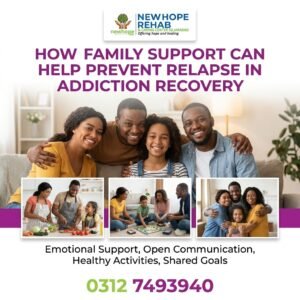
Addiction and mental health disorders affect not only individuals but also their families. Recovery becomes more effective and sustainable when loved ones are involved in the healing process. Family support programs play a crucial role in strengthening relationships, improving communication, and building a stable environment for long-term recovery. In the context of family support rehab services in Islamabad,Pakistan, structured family involvement has become an essential part of comprehensive rehabilitation care.

At New Hope Best Rehabilitation Center in Islamabad, Pakistan, family support programs are designed to provide education, emotional guidance, and practical strategies for families navigating the challenges of addiction and mental health recovery. The approach remains ethical, confidential, and grounded in evidence-based practices.


The Importance of Family Involvement in Rehabilitation
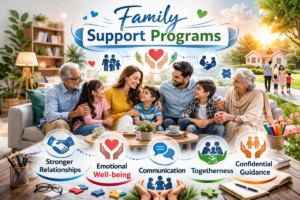
Family Support Programs

Substance use disorders and mental health conditions often create emotional strain, misunderstandings, and communication gaps within families. Without proper guidance, family members may unintentionally enable harmful behaviors or struggle to provide appropriate support.

Rehabilitation centres that integrate family programs recognize that recovery extends beyond the individual. Structured family support rehab services in Islamabad,Pakistan focus on rebuilding trust, encouraging accountability, and fostering a supportive home environment.

Research consistently shows that individuals receiving family-inclusive treatment often demonstrate improved treatment adherence and reduced relapse risks. However, involvement must be balanced with professional boundaries and patient consent.


Core Components of Family Support Programs

Family support programs are carefully structured to address both emotional and practical aspects of recovery. At New Hope Best Rehabilitation Center in Islamabad, Pakistan, these programs typically include several key components.

1. Family Education Sessions

Education is the foundation of effective support. Many families lack accurate information about addiction, behavioral disorders, or mental health conditions. Educational sessions help families understand:

  • The nature of substance use disorders

  • Common relapse triggers

  • Withdrawal symptoms and recovery stages

  • The role of therapy and medication

By increasing awareness, families can respond with empathy rather than frustration or confusion.


2. Family Counseling and Therapy

Family counseling sessions provide a safe and structured space for open dialogue. Licensed therapists guide discussions to address:

  • Communication breakdowns

  • Unresolved conflicts

  • Emotional distress

  • Codependency patterns

In family support rehab services in Islamabad,Pakistan, therapy focuses on restoring healthy boundaries and promoting mutual understanding. Counseling is conducted with strict confidentiality and respect for each participant’s perspective.


3. Emotional Support and Coping Strategies

Family members often experience anxiety, guilt, anger, or helplessness when a loved one enters rehabilitation. Emotional support sessions teach coping strategies that help families manage stress while maintaining stability at home.

These may include:

  • Stress management techniques

  • Healthy communication practices

  • Boundary-setting skills

  • Guidance on avoiding enabling behaviors

Such tools empower families to support recovery without compromising their own well-being.


The Role of Family in Preventing Relapse

Relapse prevention is a critical part of rehabilitation. While professional care provides clinical support, the home environment significantly influences long-term outcomes.

Through structured family support rehab services in Islamabad,Pakistan, families learn to:

  • Identify early warning signs of relapse

  • Encourage accountability and healthy routines

  • Promote open communication

  • Support ongoing therapy and follow-up care

At New Hope Best Rehabilitation Center in Islamabad, Pakistan, relapse prevention planning often includes family discussions to ensure everyone understands their supportive role.


Addressing Co-Occurring Mental Health Conditions

Many individuals in rehabilitation face co-occurring disorders such as depression, anxiety, or trauma-related conditions. Family members may struggle to distinguish between symptoms of addiction and underlying mental health challenges.

Family programs provide guidance on:

  • Recognizing symptoms of mental health disorders

  • Understanding dual diagnosis treatment

  • Encouraging medication adherence when prescribed

  • Supporting therapeutic interventions

By increasing awareness, families can create a compassionate and informed support system at home.


Building Healthy Communication Patterns

Addiction and mental health issues often disrupt communication within families. Misunderstandings and emotional reactions can create tension that hinders recovery.

Family counseling emphasizes:

  • Active listening

  • Non-judgmental communication

  • Expressing concerns constructively

  • Conflict resolution skills

These improvements strengthen relationships and foster a healthier environment for continued healing.


Ethical and Confidential Care

Family involvement must always respect patient autonomy and privacy. Ethical rehab centres ensure that participation in family programs occurs with informed consent.

In family support rehab services in Islamabad,Pakistan, confidentiality policies protect both the individual in treatment and their family members. Clear boundaries maintain trust and professional integrity.

At New Hope Best Rehabilitation Center in Islamabad, Pakistan, ethical standards guide every aspect of family engagement, ensuring that care remains respectful and clinically appropriate.


Long-Term Benefits of Family Support Programs

The benefits of structured family programs extend beyond the rehabilitation period. Long-term advantages include:

  • Stronger emotional bonds

  • Improved conflict management

  • Better stress resilience

  • Reduced stigma surrounding mental health

  • Increased confidence in supporting recovery

Family members also gain personal growth by learning healthy coping mechanisms and communication skills.


Frequently Asked Questions (FAQs)

1. Why are family support programs important in rehab?

Family support programs help rebuild trust, improve communication, and provide education about addiction and mental health, which strengthens long-term recovery outcomes.

2. Can families participate if the patient prefers privacy?

Family involvement is always guided by patient consent and confidentiality policies. Participation is encouraged but remains voluntary and respectful of privacy.

3. What topics are covered in family education sessions?

Sessions typically cover addiction awareness, relapse prevention, mental health education, coping strategies, and healthy communication techniques.

4. How do family programs help prevent relapse?

Families learn to recognize early warning signs, encourage healthy routines, and maintain supportive communication, reducing relapse risks.

5. Are family counseling sessions confidential?

Yes, professional rehab centres follow strict confidentiality standards to protect all participants involved in therapy.


Conclusion

Family support programs are a vital component of comprehensive rehabilitation services. Recovery is not an isolated journey; it is strengthened by informed, compassionate, and structured family involvement. Through education, counseling, emotional support, and relapse prevention planning, families can become active partners in the healing process.

In the framework of family support rehab services in Islamabad,Pakistan, New Hope Best Rehabilitation Center in Islamabad, Pakistan provides ethical, patient-centered programs designed to promote understanding, stability, and long-term recovery. By combining professional expertise with compassionate care, family support programs continue to play a transformative role in modern rehabilitation services.

Latest Post

Newsletter

Signup our newsletter to get free update, news or insight. 

Related Article

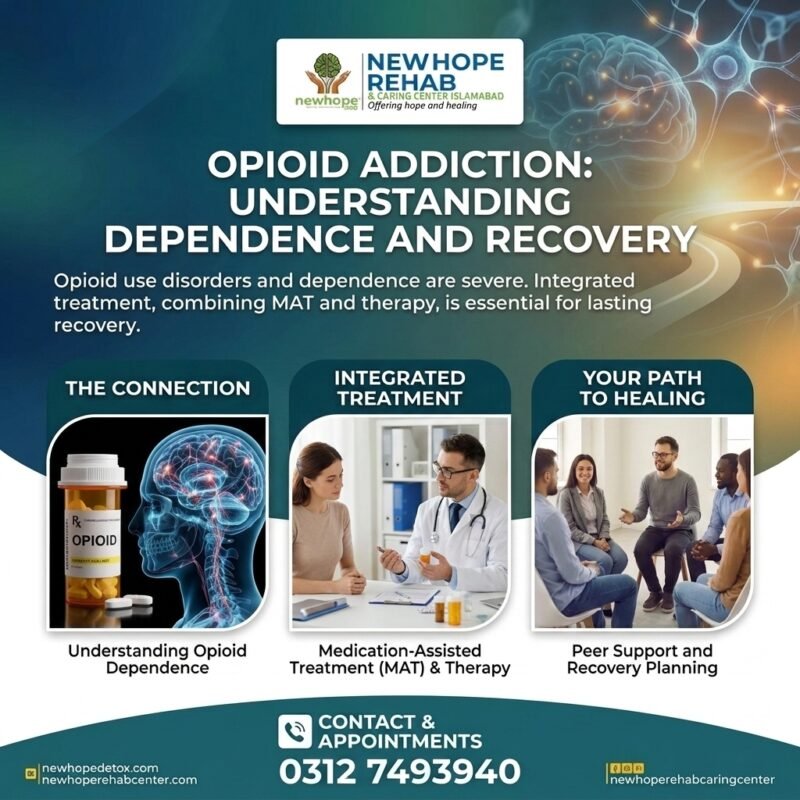
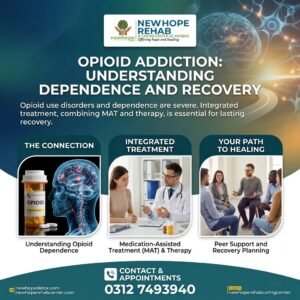
Opioid Addiction: Understanding Dependence and Recovery
Opioid Addiction

Opioid Addiction: Understanding Dependence and Recovery

Opioid addiction is a serious health condition that can affect a person’s physical health, mental well-being, relationships, and daily life. Opioids are medicines used to treat pain, but some opioids can also cause dependence and addiction. When opioid use becomes difficult to control, a person may continue using them despite harmful effects on their health or personal life. The good news is that opioid addiction is treatable. With appropriate medical care, counseling, and ongoing support, people can manage dependence and work toward long-term recovery. Understanding the signs of opioid addiction and the available treatment options is an important first step toward getting help. What Is Opioid Addiction? Opioids are substances that act on opioid receptors in the brain and body to reduce pain. They include prescription medicines such as oxycodone, morphine, and codeine, as well as illicit opioids such as heroin. Fentanyl is a powerful synthetic opioid used medically in specific circumstances and also found in illicit drug supplies. Opioids can be helpful when prescribed and used appropriately. However, they can also produce feelings of relaxation or pleasure, which may contribute to repeated use and dependence. Opioid use disorder, commonly called opioid addiction, is a medical condition involving a pattern of opioid use that becomes difficult to control and causes significant problems in daily life. It is not simply a lack of willpower. Biological, psychological, and social factors can all contribute to its development. Understanding Opioid Dependence Opioid dependence and opioid addiction are related, but they are not exactly the same. Physical dependence develops when the body adapts to regular opioid exposure. If a person suddenly reduces or stops taking opioids, withdrawal symptoms may occur. Physical dependence can develop even when someone takes medication as prescribed. Opioid addiction, or opioid use disorder, involves difficulty controlling use despite negative consequences. A person may experience strong cravings, spend considerable time obtaining or using opioids, or continue taking them even when they harm health, relationships, or responsibilities. Recognizing this difference is important because physical dependence alone does not necessarily mean someone has an addiction. A healthcare professional can assess symptoms and recommend appropriate care. Common Signs and Symptoms of Opioid Addiction The signs of opioid addiction can vary depending on the substance, the amount used, the duration of use, and the person’s health. Common warning signs include: Strong cravings or a persistent desire to use opioids. Taking more medication than intended or using it more often than prescribed. Repeated unsuccessful attempts to reduce or stop use. Spending significant time obtaining, using, or recovering from opioids. Neglecting work, education, family, or other responsibilities. Continuing opioid use despite physical, emotional, or social problems. Experiencing withdrawal symptoms when opioid use is reduced or stopped. Developing a higher tolerance, meaning more of the substance is needed to produce the same effect. Some people may hide their opioid use because of shame or fear of judgment. Responding with compassion rather than blame can make it easier for them to seek help. Causes and Risk Factors of Opioid Addiction There is no single cause of opioid addiction. It can develop through a combination of medical, psychological, environmental, and biological factors. Prescription Opioid Use Some people first encounter opioids after surgery, an injury, or treatment for a painful condition. Although many patients use these medicines without developing an addiction, prolonged exposure or other risk factors can increase the chance of problems. Taking opioids only as prescribed reduces some risks, but it does not eliminate the possibility of physical dependence or opioid use disorder. Mental Health Challenges People experiencing depression, anxiety, trauma, or severe stress may use opioids in an attempt to cope with emotional distress. The relief may be temporary, while repeated use can create additional health and personal difficulties. Social and Environmental Factors Social pressure, exposure to substance use, family difficulties, isolation, and limited access to healthcare may increase vulnerability. These factors do not determine a person’s future, but they can influence the risk of developing a substance use disorder. Previous Substance Use Problems A personal history of substance use problems may increase the risk of opioid addiction. A family history of addiction may also contribute through genetic and environmental influences. Understanding these factors can help healthcare professionals develop treatment plans that address the whole person. The Health Risks of Opioid Addiction Opioid addiction can affect nearly every area of life. Beyond the risk of dependence, opioids can slow breathing, reduce alertness, and impair judgment. Potential complications include: Overdose: Opioids can suppress breathing, potentially causing brain injury or death. Physical health problems: Long-term use may contribute to constipation, hormonal changes, sleep-related breathing problems, and other complications. Mental health concerns: Opioid use disorder may occur alongside depression, anxiety, or other mental health conditions. Relationship difficulties: Secrecy, financial strain, and changes in behavior may affect family and social relationships. Problems with work or education: Cravings, intoxication, and time spent obtaining opioids may interfere with daily responsibilities. Infection risks: Injecting opioids can increase the risk of serious infections, including HIV and hepatitis, particularly when equipment is shared. Recognizing an Opioid Overdose An opioid overdose is a medical emergency. Warning signs can include very slow or absent breathing, inability to wake the person, a limp body, and blue or gray lips or fingertips. If an overdose is suspected, contact local emergency services immediately. Give naloxone if it is available and follow the product instructions. Naloxone can temporarily reverse an opioid overdose, but emergency medical care is still necessary because symptoms may return. If the person is not breathing normally, follow the emergency dispatcher’s instructions for rescue breathing or CPR if you can. Do not leave the person alone. Opioid Withdrawal: What to Expect When someone who is physically dependent on opioids stops or sharply reduces use, withdrawal symptoms may develop. Symptoms and their duration depend on the opioid involved, the pattern of use, and the person’s health. Common symptoms include: Muscle aches and body pain. Sweating, chills, or a runny nose. Restlessness, anxiety, or irritability. Trouble sleeping. Abdominal cramps, nausea, vomiting, or

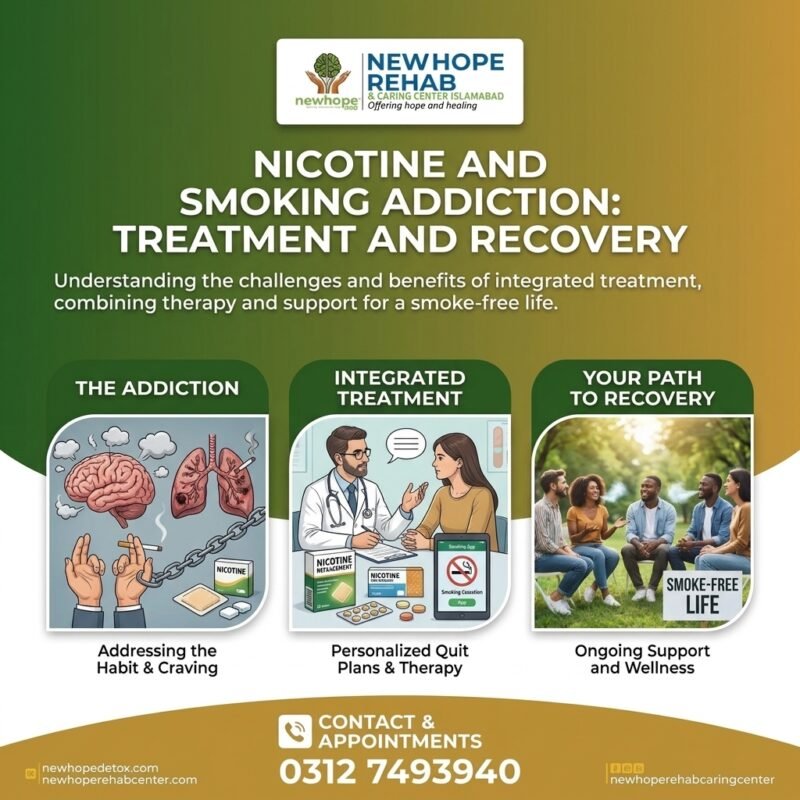
Nicotine and Smoking Addiction: Treatment and Recovery
Nicotine and Smoking Addiction

Nicotine and Smoking Addiction: Treatment and Recovery

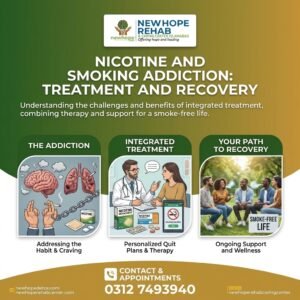
Nicotine and smoking addiction are common health concerns that can affect a person’s physical health, emotional well-being, and daily life. Although many people start smoking because of curiosity, stress, or social pressure, nicotine can quickly lead to dependence. Over time, quitting may become difficult, even when someone understands the health risks. The good news is that nicotine addiction is treatable, and recovery is possible with the right support, practical strategies, and a plan that fits individual needs. Whether a person smokes cigarettes regularly or uses other nicotine products, understanding addiction is an important first step toward a healthier life. What Is Nicotine and Smoking Addiction? Nicotine is an addictive substance found naturally in tobacco. When a person smokes, nicotine enters the bloodstream through the lungs and reaches the brain quickly. It affects brain pathways involved in reward, attention, and mood, creating temporary feelings of pleasure or relief. With repeated use, the brain adapts to nicotine. A person may begin to need it to feel normal, manage cravings, or cope with everyday stress. This pattern is known as nicotine dependence. Smoking addiction can involve more than physical dependence. Certain routines, places, emotions, and social situations can also trigger the urge to smoke. For example, someone may associate cigarettes with drinking tea, taking work breaks, driving, or spending time with friends. Common Signs of Nicotine and Smoking Addiction Recognizing the signs of addiction can help someone decide when it is time to seek support. Common signs include: Feeling a strong urge to smoke or use nicotine. Finding it difficult to reduce or stop nicotine use. Experiencing irritability, anxiety, or restlessness when unable to smoke. Smoking soon after waking up. Continuing to smoke despite health concerns. Using nicotine to cope with stress or difficult emotions. Returning to smoking after previous attempts to quit. Spending significant time or money obtaining and using tobacco products. Not everyone experiences every sign. However, repeated difficulty controlling nicotine use may indicate dependence and a need for additional support. Health Risks of Smoking and Nicotine Dependence Smoking harms nearly every organ in the body. Cigarette smoke contains thousands of chemicals, including substances that damage cells and increase the risk of serious disease. Long-term smoking is associated with several health problems, including: Lung disease: Smoking increases the risk of chronic obstructive pulmonary disease (COPD) and other breathing problems. Heart disease and stroke: Tobacco smoke damages blood vessels and raises cardiovascular risk. Cancer: Smoking increases the risk of lung cancer and several other types of cancer. Reduced physical fitness: People who smoke may experience shortness of breath and reduced stamina. Pregnancy complications: Smoking during pregnancy can increase risks to both the pregnant person and the developing baby. Secondhand smoke exposure: Smoke can harm family members and others nearby, especially children. Nicotine itself is highly addictive and can affect heart rate and blood pressure. The major long-term health damage from smoking comes from exposure to the harmful chemicals in tobacco smoke. Quitting can improve health at any age. Even people who have smoked for many years can benefit from stopping. Why Is Quitting Smoking So Difficult? Quitting smoking can be challenging because nicotine dependence involves physical, emotional, and behavioral factors. Physical Dependence The brain becomes accustomed to regular nicotine exposure. When nicotine levels fall, withdrawal symptoms may appear. These can include cravings, irritability, difficulty concentrating, restlessness, low mood, and sleep disturbances. Emotional Triggers Some people use smoking to cope with stress, sadness, boredom, or anxiety. Without other coping strategies, these emotions can trigger a strong desire to smoke. Daily Habits Smoking may become linked to familiar routines, such as drinking coffee, finishing a meal, or taking a break at work. These associations can remain even after the physical withdrawal symptoms begin to improve. Social Pressure Being around people who smoke can make quitting more difficult. Social gatherings and familiar smoking environments may trigger cravings, especially during the early stages of recovery. Understanding these triggers helps people prepare for difficult moments instead of relying on willpower alone. Nicotine and Smoking Addiction Treatment Options There is no single approach that works for everyone. Effective treatment often combines behavioral support, practical changes, and medication when appropriate. 1. Behavioral Counseling Counseling can help people understand why they smoke and identify situations that trigger cravings. A trained professional may help develop strategies for managing stress, changing routines, and responding to urges. Counseling can be provided individually, in groups, or through telephone-based support, depending on availability. 2. Nicotine Replacement Therapy Nicotine replacement therapy (NRT) provides nicotine without the harmful chemicals found in cigarette smoke. Products may include patches, gum, lozenges, inhalers, or nasal sprays, depending on what is available locally. These products can help reduce withdrawal symptoms and cravings while a person stops smoking. A healthcare professional or pharmacist can help determine which option is appropriate. 3. Prescription Medication Certain prescription medicines can help people quit smoking by reducing cravings or making smoking less rewarding. Options may include varenicline or bupropion, depending on local availability and a person’s medical history. These medicines are not suitable for everyone. A healthcare professional should review potential benefits, side effects, other medications, and relevant health conditions before treatment begins. 4. Quit Plans and Lifestyle Changes A practical quit plan can make recovery more manageable. Helpful steps include choosing a quit date, removing cigarettes and lighters, identifying personal triggers, and planning alternatives for common smoking situations. Physical activity, regular sleep, drinking water, and healthy routines may also support well-being during withdrawal. These changes work best alongside evidence-based cessation support when needed. 5. Professional Support for Complex Dependence Some people have repeated unsuccessful quit attempts or use smoking to cope with significant emotional distress. Others also struggle with alcohol or other substance use. In these situations, professional assessment can help identify the most suitable combination of support. Treatment should address the person’s overall health and circumstances rather than focusing only on cigarette use. Understanding Nicotine Withdrawal Nicotine withdrawal is a common part of quitting. Symptoms can begin within hours after the last use,

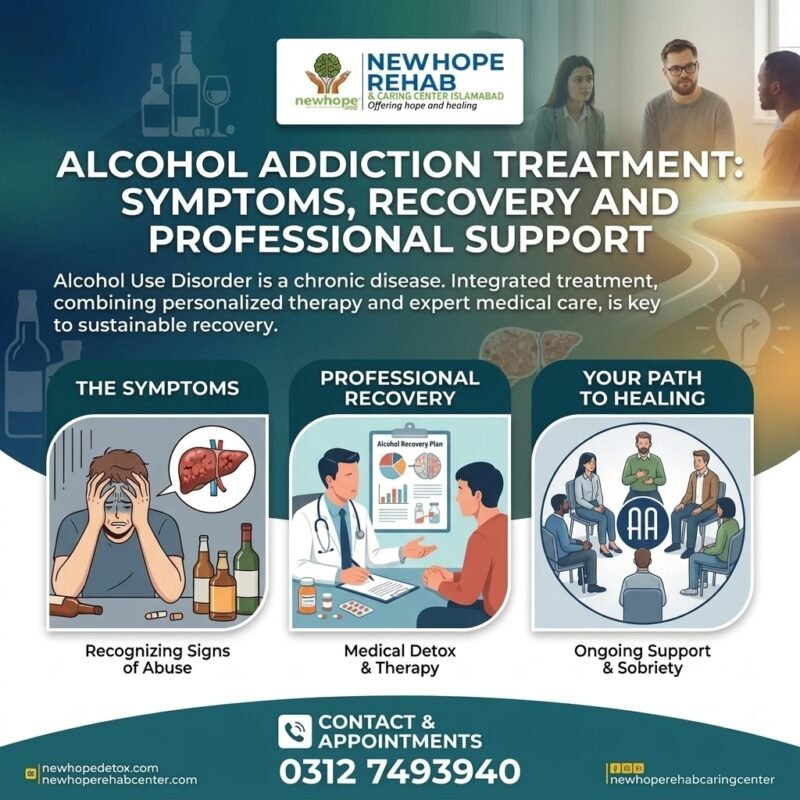
Alcohol Addiction Treatment: Symptoms, Recovery and Professional Support
Alcohol Addiction Treatment

Alcohol Addiction Treatment: Symptoms, Recovery and Professional Support

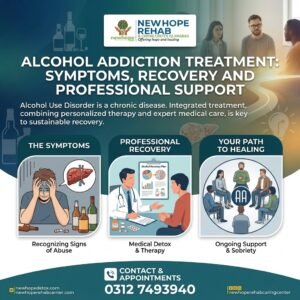
Alcohol addiction treatment helps people who struggle to control their drinking and experience negative effects on their health, relationships, or daily responsibilities. Alcohol use disorder can affect physical health, mental wellbeing, family life, and work. With appropriate medical care, psychological support, and a personalized recovery plan, many people can make meaningful progress toward a healthier life. Recognizing the signs of alcohol addiction is an important first step. Whether someone has been drinking heavily for years or has recently noticed a loss of control, seeking professional support can help them understand their options and choose an appropriate treatment approach. What Is Alcohol Addiction? Alcohol addiction is commonly associated with alcohol use disorder (AUD), a medical condition in which a person has difficulty controlling alcohol use despite harmful consequences. It can range from mild to severe. A person may develop a strong urge to drink, need more alcohol to experience the same effects, or continue drinking despite problems with health, family, finances, or work. Alcohol addiction is not simply a lack of willpower. It can involve changes in brain function, emotional health, behavior, and physical dependence. Early assessment can help identify the severity of the problem and determine what type of care may be appropriate. Common Signs and Symptoms of Alcohol Addiction Alcohol use disorder can develop gradually, so its warning signs may not always be obvious. Common signs include: Drinking more or for longer than intended Repeatedly trying to cut down without success Strong cravings for alcohol Spending considerable time drinking or recovering afterward Neglecting family, work, or educational responsibilities Continuing to drink despite health or relationship problems Giving up activities because of drinking Developing tolerance and needing more alcohol for similar effects Experiencing withdrawal symptoms when alcohol use decreases Not everyone experiences all these symptoms. A healthcare professional can assess drinking patterns and related health concerns. Why Professional Alcohol Addiction Treatment Matters Alcohol addiction can affect several aspects of a person’s life at the same time. Heavy or prolonged drinking may contribute to liver disease, digestive problems, cardiovascular complications, memory difficulties, sleep disruption, depression, and anxiety. Professional treatment can help address these risks while supporting the person through behavioral and emotional changes. Treatment may help individuals understand their drinking patterns, manage cravings, develop healthier coping strategies, address co-occurring mental health concerns, and create a plan for maintaining recovery. Alcohol Withdrawal: Why Medical Supervision Can Be Important When someone who has been drinking heavily or regularly suddenly stops or sharply reduces alcohol use, withdrawal symptoms may develop. These can include: Trembling or shaking Sweating Nausea or vomiting Anxiety or restlessness Headaches Insomnia Increased heart rate Severe alcohol withdrawal can cause seizures, hallucinations, or delirium tremens, a potentially life-threatening condition. People who may be physically dependent on alcohol should seek medical advice before stopping suddenly. Clinicians can assess withdrawal risk and determine whether supervised withdrawal management is necessary. Seizures, severe confusion, hallucinations, or loss of consciousness require emergency medical attention. Types of Alcohol Addiction Treatment The right treatment depends on the person’s drinking history, physical health, withdrawal risk, mental health, and support system. 1. Medical Assessment and Detoxification Treatment often begins with an assessment of alcohol use, medical history, medications, and mental health. If withdrawal is expected, clinicians may recommend medically supervised withdrawal management. Detoxification helps the body manage the immediate effects of stopping alcohol. However, detox alone does not address the behavioral, emotional, and social factors that contribute to addiction. Continued treatment is often important. 2. Behavioral Therapy and Counseling Counseling can help people identify triggers, understand their relationship with alcohol, and develop healthier responses to stress. Cognitive behavioral therapy (CBT) may help individuals recognize patterns of thinking and behavior associated with drinking. Other evidence-based approaches may support motivation, goal-setting, and long-term changes. 3. Medication for Alcohol Use Disorder Certain medications may help reduce cravings or support recovery for appropriate patients. Options can include naltrexone and acamprosate, while disulfiram may be suitable in selected circumstances. These medications are not appropriate for everyone. A qualified clinician should consider medical history, liver and kidney health, other medications, and individual treatment goals before recommending them. Medication should be combined with appropriate follow-up and support. 4. Residential or Inpatient Treatment Some people benefit from a structured treatment environment, particularly when they have significant medical or psychological needs, repeated difficulties maintaining recovery, or an unsafe home environment. Residential treatment may provide a planned routine, counseling, medical coordination, and recovery-focused support. The appropriate level of care should be based on clinical assessment rather than assumptions that inpatient care is always necessary. 5. Outpatient Treatment and Continuing Care Outpatient treatment allows people to receive professional support while continuing many daily responsibilities. Depending on individual needs, it may include regular counseling, medical appointments, group sessions, and relapse-prevention planning. After an initial treatment program, continuing care can help people manage cravings, respond to stressful situations, and maintain progress over time. The Role of Mental Health in Alcohol Recovery Alcohol addiction may occur alongside depression, anxiety, trauma-related symptoms, or other mental health conditions. Some people drink to cope with emotional distress, but alcohol can worsen sleep, mood, and anxiety over time. When alcohol use disorder and a mental health condition occur together, coordinated care can help address both concerns. A treatment plan may include psychological therapy, psychiatric assessment, medication when appropriate, and strategies for managing stress without relying on alcohol. How Family Support Can Help With Alcohol Addiction Family members can play an important role by offering encouragement, maintaining respectful communication, and supporting access to treatment. Helpful approaches include: Talking calmly about concerns related to drinking Encouraging professional assessment Supporting attendance at appointments Establishing clear and healthy boundaries Avoiding blame, humiliation, or threats Learning to recognize signs of dangerous withdrawal or relapse Families should remember that they cannot control another person’s recovery. They can offer support while protecting their own physical and emotional wellbeing. Preventing Relapse After Alcohol Addiction Treatment Recovery continues after the initial treatment period. Some people experience cravings or return to drinking, especially during stressful periods. A

Anxiety Treatment in Islamabad: Signs, Causes, and Support
Anxiety Treatment

Anxiety Treatment in Islamabad: Signs, Causes, and Support

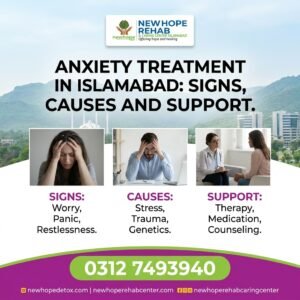
Anxiety refers to a mental health disorder that interferes with cognition, emotions and physical health or activities. Anxiety is a normal reaction to stress; however, it can become debilitating if the worrying is chronic or excessive and impacts work, social life, education and sleep. This will be relevant to you [Questions about anxiety treatment in Islamabad] as you would like to find out more about your symptoms, other factors that may contribute to those feelings and how best to manage anxiety. Many people can learn to manage anxiety with professional help, positive coping mechanisms and support when needed. Identifying Early Warning Signs – This information can help you recognize the signs when an illness or symptom might be coming. What Is Anxiety? Anxiety is the worry, fear or uneasiness you might feel before a big event, when under pressure, or in response to a perceived threat. It can happen to anyone, occurring during difficult life situations like financial problems, family turmoil, exams or changes in work environment. But anxiety can be a mental health problem when it is constant, difficult to control, larger than the situation warrants or disruptive in day-to-day life. Generalized anxiety disorder, panic disorder, social anxiety and specified phobias come under anxiety disorders. Since symptoms and treatment needs vary with each condition, a professional assessment is key. Similar Behavioral and Physical Symptoms of Anxiety The mind and the body — anxiety physically. Symptoms can vary from person to person and may be more apparent under stress. Emotional and Psychological Symptoms Common emotional symptoms include: Excessive or persistent worrying Restlessness, tension or being on edge Difficulty concentrating Irritability Fear of losing control Expecting the worst possible even in little or no evidence of threat Difficulty relaxing Avoiding situations that cause anxiety Professional help can be helpful when these symptoms persist over time or record difficulties in normal life. Physical Symptoms of Anxiety Another reason anxiety can cause physical reactions is that the body’s stress response gets triggered. Possible symptoms include: Rapid heartbeat Sweating or trembling Muscle tension Headaches Shortness of breath Stomach discomfort or nausea Dizziness Difficulty falling or staying asleep Physical health conditions can also mimic these symptoms. It is important to note that new, severe or unexplained symptoms should not be assumed to simply be anxiety and may need urgent medical assessment—particularly chest pain or significant difficulty breathing. What Causes Anxiety? Anxiety is rarely caused by one thing alone. It is likely to arise from the interaction of biological, psychological, and environmental factors. Stressful Life Events Stressful events, such as financial difficulties, relationship problems, child care needs or academic pressures/facing a major life change can be the cause. When stress hangs around for long periods, it can be increasingly difficult to cope with emotions or tasks of daily living. Genetics and Family History They may also be more prone to it if there is anxiety or mental health issues. But family history is not destined to an anxiety disorder. Trauma and Difficult Experiences Your anxiety may be due to being bullied, abused, having an accident, or dealing with loss or some other traumatic experience. For example, individuals may develop chronic fear or hypervigilance if they experience trauma. Physical Health and Sleep Problems Anxiety-like symptoms can be caused by some medical conditions, effects of medications & inadequate sleep. A health care provider or expert may suggest a medical examination to exclude physical reasons. Alcohol and Drug Use Alcohol, stimulants, cannabis and other drugs can cause or worsen anxiety for some people. Anxiety can also occur with either intoxication or withdrawal. Anyone who regularly uses alcohol or sedatives should consult a doctor before stopping because quitting cold turkey can be dangerous. Types of Anxiety Disorders Knowing this type of anxiety can help direct treatment. Generalized Anxiety Disorder Generalized anxiety disorder is characterized by excessive worry about various aspects of life, such as health, finances, family or work. This worry is hard to control and can be accompanied by restlessness, muscle tension, fatigue, or sleep problems. Panic Disorder Panic disorder is characterized by repeated and unexpected panic attacks, as well as fear of additional attacks or behavioral changes to avoid future attacks. A panic attack may trigger sudden fear, faster heartbeats, feeling dizzy, shaking or a sense of losing control. Social Anxiety Disorder Social anxiety disorder is characterized by overwhelming fear of being scrutinized, embarrassed or negatively evaluated in the presence of others. Even conversations or presentations (school, work, relationships) might influence you. Phobias A phobia comes in third place, meaning a person has an intense fear of a particular object or situation (for example heights, animals etc.) Such fear can also be manifest in an avoidance that disrupts daily living. It requires a trained specialist to establish whether indications can be made the most of an anxiety problem. Types of Anxiety Treatment in Islamabad The most appropriate treatment depends on the individual’s symptoms, medical history, life circumstances and preferences. Perhaps a combination of approaches might help. 1.     Professional Assessment Treatment often starts with a discussion of symptoms, how long they have been going on for, triggers, sleeping issues, medical history and medication use and how much these things are affecting your day-to-day life. Physical health problems or the use of alcohol or other drugs that might explain some aspects of an anxious presentation. This evaluation process informs what is the best course of action. 2.     Cognitive Behavioral Therapy Type of Issue Cognitive behavioral therapy (CBT) is the primary evidence-based treatment used for anxiety disorders. It teaches individuals to recognize unhealthy ways of thinking, how these thoughts can affect feelings and behavior, as well as better methods for dealing with anxiety-triggering situations. With exposure therapy, you gradually face your feared situations under the appropriate guidance depending on your diagnosis. 3.     Medication So, medication is recommended in case if it is more than that or you are unable to do your daily normal functioning properly. Some types of antidepressants, particularly the selective serotonin reuptake inhibitors (SSRIs), are frequently used