
A home based treatment program can provide a practical option for selected individuals who need ongoing addiction or mental health support without staying in a residential facility. Receiving appropriate care at home may allow patients to remain connected with family members and familiar surroundings while participating in a structured recovery plan.
However, home-based care isn’t suitable for everyone. The appropriate level of treatment depends on the person’s medical condition, substance use history, withdrawal risk, mental health needs, and home environment. Professional assessment is therefore an important first step.
For people searching for a Home Based Treatment Program in Islamabad, Pakistan, New Hope Rehab and Caring Centre Islamabad emphasizes individualized, respectful, and clinically appropriate care.
What Is a Home Based Treatment Program?
A home based treatment program delivers selected healthcare, counseling, and recovery services within a person’s home rather than requiring residential admission. Depending on clinical needs, services may include psychological counseling, family education, recovery planning, follow-up care, and monitoring by qualified professionals.
The goal is to provide appropriate support while maintaining safety and continuity of care.
Home-based treatment may be used as a primary option for suitable patients or as part of continuing care following residential treatment.
Who May Benefit From Home-Based Care?
Home-based treatment may be considered for individuals who:
- Are medically stable
- Have a safe and supportive home environment
- Do not require continuous inpatient monitoring
- Need ongoing counseling or psychological support
- Are continuing treatment after residential rehabilitation
- Have family members who can provide appropriate support
Suitability should always be determined through professional assessment rather than convenience alone.
Conditions That May Require Home-Based Support
Depending on an individual’s clinical needs, home-based services may support people dealing with:
- Alcohol use disorder
- Drug addiction
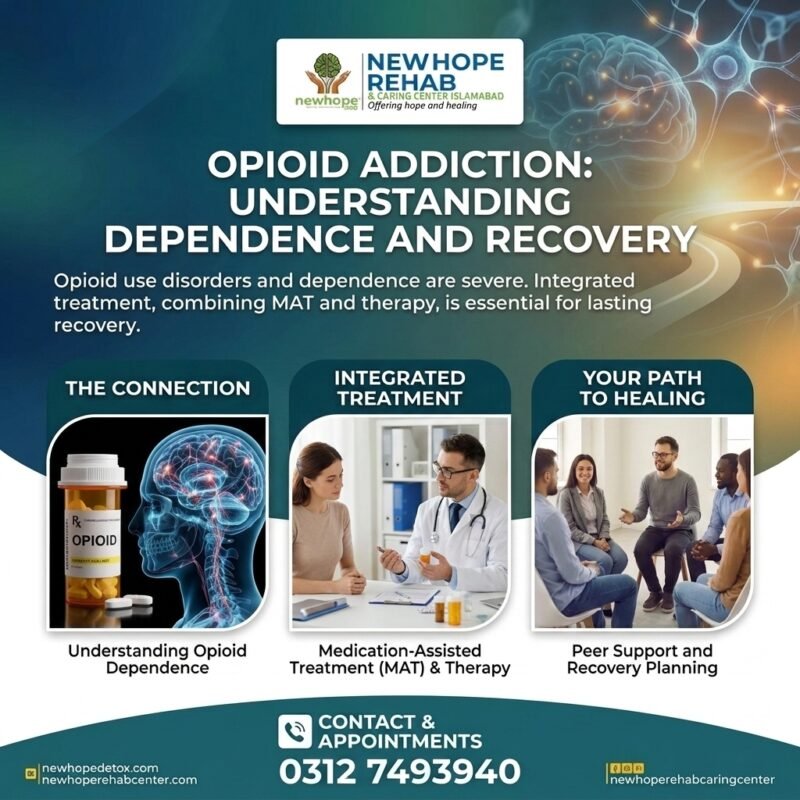
- Opioid dependence
- Cannabis use
- Prescription medication dependence
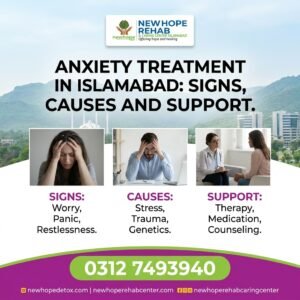
- Anxiety
- Depression
- Stress-related difficulties
- Recovery after residential rehabilitation
- Certain co-occurring mental health and substance use conditions
The treatment approach should be tailored to the person’s diagnosis, health status, and recovery goals.
Key Components of Home Based Treatment

Initial Clinical Assessment
Treatment begins with an assessment of physical health, mental health, substance use, medications, withdrawal risk, and family circumstances.
This helps determine whether home-based care is appropriate and what services may be required.
Individual Counseling
One-to-one counseling can help individuals understand triggers, emotional challenges, behavioral patterns, and factors contributing to substance use.
Cognitive Behavioral Therapy
Cognitive Behavioral Therapy (CBT) may be incorporated into treatment when appropriate. It can help individuals identify unhelpful thought patterns and develop healthier responses to stress, cravings, and difficult situations.
Family Counseling
Family involvement can improve communication and help relatives understand how to provide constructive support while maintaining appropriate boundaries.
Medication Monitoring
If medication is part of an individual’s treatment plan, qualified healthcare professionals may provide appropriate monitoring and guidance. Medicines should only be taken according to professional instructions.
Relapse Prevention
Individuals can learn to recognize triggers and develop practical strategies for maintaining recovery in everyday situations.
Benefits of a Home Based Treatment Program
For appropriately selected patients, home-based care may offer several advantages.
Familiar Environment
Remaining at home can allow individuals to receive support in surroundings they already know.
Family Involvement
Close family members may be able to participate in appropriate counseling and education.
Continuity of Daily Responsibilities
Some medically stable individuals may continue selected family, educational, or professional responsibilities while receiving treatment.
Individualized Care
Treatment can be adapted according to the individual’s progress, circumstances, and recovery goals.
Privacy and Comfort
Home-based care may offer a more private treatment setting for individuals who prefer support outside a residential facility.
When Home-Based Treatment May Not Be Appropriate
Home-based treatment isn’t appropriate for every situation. Individuals experiencing severe withdrawal risk, serious medical complications, acute psychiatric symptoms, significant safety concerns, or an unstable home environment may require a higher level of care.
For example, certain forms of alcohol or sedative withdrawal can become medically dangerous and may require supervised medical treatment.
If there is an immediate risk of overdose, severe withdrawal, self-harm, or harm to another person, urgent medical evaluation is necessary rather than routine home-based care.
Role of Family Support
Family members can contribute positively to home-based recovery by:
- Encouraging treatment participation
- Supporting healthy routines
- Maintaining respectful communication
- Reducing unnecessary conflict
- Helping identify changes in behavior
- Encouraging follow-up care
Families should also understand that they are supporters, not substitutes for qualified healthcare professionals.
Relapse Prevention and Aftercare
Recovery continues after the initial treatment phase. An effective home-based program may include ongoing follow-up and relapse prevention planning.
Important strategies can include:
- Identifying personal triggers
- Maintaining healthy sleep routines
- Managing stress appropriately
- Continuing counseling
- Avoiding high-risk environments
- Building positive social connections
- Following the recommended aftercare plan
At New Hope Rehab and Caring Centre Islamabad, continuing support can be tailored to the individual’s recovery needs and progress.
Frequently Asked Questions (FAQs)
1. What is a home based treatment program?
A home based treatment program provides selected addiction or mental health services in a person’s home under an individualized professional care plan.
2. Is home-based treatment suitable for everyone?
No. Suitability depends on medical stability, withdrawal risk, mental health status, safety concerns, and the availability of a supportive home environment.
3. Can family members participate in home-based treatment?
Yes. Where appropriate, family members may participate in counseling, education, and recovery planning to provide constructive support.
4. Can home-based treatment include therapy?
Yes. Depending on clinical needs, services may include individual counseling, CBT, family counseling, and relapse prevention support.
5. What happens if someone develops severe withdrawal symptoms at home?
Severe or rapidly worsening withdrawal symptoms require urgent medical assessment. Home-based treatment should not replace emergency or medically supervised care when a person’s safety is at risk.
Conclusion
A Home Based Treatment Program in Islamabad, Pakistan can be a suitable option for some individuals who are medically stable and have an appropriate home environment. It can provide structured counseling, family involvement, recovery planning, and continued professional support while allowing individuals to remain at home.
At New Hope Rehab and Caring Centre Islamabad, home-based care is approached through individualized assessment and clinically appropriate treatment planning. The focus remains on patient safety, respectful care, mental health support, addiction recovery, family involvement, and sustainable long-term progress.