ICE TREATMENT CENTER – ICE TREATMENT ISLAMABAD PAKISTAN

ICE TREATMENT CENTER – ICE TREATMENT ISLAMABAD PAKISTAN

Ice, which is sometimes referred to as crystal meth or methamphetamine, is a potent and highly addictive stimulant that has devastating effects on the physical health, mental well-being and quality of life of an individual. People addicted to ice have acute cravings, volatility in emotions and behavior that make it hard for them to complete day-to-day tasks. Wondering why seeking help can be a time when your life feels chaotic and professional.

Places like New Hope Rehab and Caring Centre Islamabad offer structured treatment in a caring environment for those suffering from substance use disorders. Maroof International Hospital Ice Treatment in Islamabad Pakistan is one of the many individuals and families looking for reliable option for ice treatment now a days. In this article, we take a look at ice addiction and its effects, as well as how professional treatment programs can assist with long-term recovery.

Understanding Ice (Methamphetamine) Addiction
ICE TREATMENT CENTER – ICE TREATMENT ISLAMABAD PAKISTAN

Ice is a man-made drug that stimulates the central nervous system. It boosts release of the feel-good hormone dopamine, the neurotransmitter signaling pleasure and reward. This increase induces strong sensations of euphoria, energy, and alertness. But they can quickly become addictive when used repeatedly.

Eventually the brain needs the drug for these effects, and individuals can’t feel normal without it. This dependence is what makes expert Ice Treatment in Islamabad Pakistan crucial for those that want healing.

Causes and Risk Factors for Ice Addiction

An addiction is not developed overnight; ice addiction does take place over the course of time. There are multiple contributing factors that can increase the risk of dependency.

Psychological Stress and Trauma

In cases of stress, anxiety or emotional trauma, they may find sweet peace in ice.

Social and Environmental Influences

Risk factors that may increase the likelihood of experimenting with methamphetamine include peer pressure, exposure to drug use and certain social settings.

Previous Substance Use

A previous history of drug or alcohol use may increase vulnerability to stimulant addiction.

Treatment programs at New Hope Rehab and Caring Centre Islamabad work on the underlying causes of addiction so that recovery can be durable and meaningful.

Symptoms and Signs of Ice Addiction

Being aware of the warning signs for ice addiction is the first step in getting help.

Behavioral Symptoms

  • Increased energy and hyperactivity
  • Risk-taking behavior
  • Neglect of responsibilities
  • Social withdrawal or isolation

Psychological Symptoms

  • Anxiety and irritability
  • Mood swings
  • Paranoia or confusion
  • Difficulty concentrating

Physical Symptoms

  • Rapid weight loss
  • Sleep disturbances
  • Increased heart rate
  • Caveats with drug-euphoria withdrawal fatigue

Ice Therapy Islamabad Pakistan Thus, if these signs start to hamper everyday living, opting for Ice Treatment helps an individual get the deserved attention and care.

Long-Term Health Effects of Ice Use

Methamphetamine use for long periods can lead to dangerous effects on a person’s mental and physical health.

Mental Health Impact

Long-term ice use can cause anxiety, depression and psychotic symptoms in some cases including hallucinations or paranoia.

Cognitive Impairment

It alters memory, learning and judgment so that people can no longer function successfully in even the simplest of daily tasks.

Physical Health Risks

Chronic use can affect the cardiovascular system, suppress the immune system and cause nutritional deficiencies.

Treatment at New Hope Rehab and Caring Centre Islamabad approaches these health issues as a component of a full-fledged recovery program.

Treatment Approaches at an Ice Treatment Center

An ice addiction recovery plan must be well-rounded, and include an element of addressing the physical and psychological aspects of dependency.

1.     Medical Assessment and Detoxification

Often that first step is a thorough medical evaluation. Under medical supervision, detoxification may be prescribed to allow the body to safely acclimate to the absence of the drug.

Ice Treatment Islamabad Pakistan where the detox is carried out in a safe professional center.

2.     Behavioral Therapy and Counseling

One of the biggest things in an addiction recovery is therapy. It also supports individuals in comprehending the reasons behind substance use and discovering better strategies for coping.

Common approaches include:

  • Cognitive Behavioral Therapy (CBT)
  • Individual counseling
  • Motivational therapy

3.     Group Therapy and Peer Support

Having people to talk to who are undergoing a similar struggle is what makes group therapy sessions so valuable. This communal feeling can help motivate you during recovery.

Peer Support at New Hope Rehab and Caring Centre Islamabad Peer support is an important aspect of the rehabilitation process at New Hope Rehab and Caring Centre Islamabad

4.     Relapse Prevention Strategies

It is important to learn how to avoid triggers and handle cravings once you are sober. Treatment programs offer skills to deal with high-risk situations.

The key comes in the form of a proper Ice Treatment in Islamabad Pakistan plan to live by, providing safely helps people maintain long-term recovery.

Lifestyle Changes That Support Recovery

Recovery is not only abstaining from a substance but also creating a better life.

Key lifestyle changes include:

  • Establishing a consistent daily routine
  • Practicing stress management techniques
  • Engaging in physical activity
  • Building positive relationships
  • Setting achievable goals

At New Hope Rehab and Caring Centre Islamabad, we help a person through these changes resulting in a healthy life.

Rehabilitation from Ice Addiction: The Role of Family Support

The recovery process can be really eased through family support. Support of family members or friends can encourage their treatment and common acceptance that the individual behind panic disorder is normal make individuals stay in feeling healthy.

The purpose of family counseling sessions is to facilitate communication and help create a supportive home environment. Most of the Ice Treatment programs in Islamabad Pakistan also provide family involvement as a key part of comprehensive care.

Frequently Asked Questions (FAQs)

1.     What is ice addiction?

Ice addiction, commonly known as methamphetamine dependence, is a chronic disorder by which the user compulsively consumes the substance despite significant physical and psychosocial difficulties.

2.     What are the symptoms of ice addiction?

Common symptoms include hyperactivity, mood swings, sleeping troubles, weight loss and trouble keeping track of daily responsibilities.

3.     How is ice addiction treated?

Treatment can include detoxification and then therapy, counseling, and relapse prevention.

The overwhelming and dangerous cravings can result in needing professional treatment for ice addiction.

Seeking professional help offers a structured environment and guidance that can assist individuals in navigating withdrawal symptoms and establishing healthier coping mechanisms.

4.     Does family support enhance recovery outcomes?

Yes, and having an encouraging family can help them stay on track with recovery which improves outcomes long term.

Conclusion

Ice addiction is a complex issue that impacts multiple dimensions of an individual’s life, such as mental and physical health and social relationships. Please note: While it is crucial to connect with a healthcare professional as soon as possible, you will always find help here.

New Hope Rehab and Caring Center Islamabad are the famous rehabilitation center for guide individuals affected by substance use disorder, in fact entire Pakistan come to them who needs treatment. Ice Treatment in Islamabad Pakistan emphasize medical intervention, psychological support, and long-term rehabilitative care.

 

Related Article

ICE TREATMENT CENTER – ICE TREATMENT ISLAMABAD PAKISTAN
ICE | METH Addiction

ICE TREATMENT CENTER – ICE TREATMENT ISLAMABAD PAKISTAN

Ice, which is sometimes referred to as crystal meth or methamphetamine, is a potent and highly addictive stimulant that has devastating effects on the physical health, mental well-being and quality of life of an individual. People addicted to ice have acute cravings, volatility in emotions and behavior that make it hard for them to complete day-to-day tasks. Wondering why seeking help can be a time when your life feels chaotic and professional. Places like New Hope Rehab and Caring Centre Islamabad offer structured treatment in a caring environment for those suffering from substance use disorders. Maroof International Hospital Ice Treatment in Islamabad Pakistan is one of the many individuals and families looking for reliable option for ice treatment now a days. In this article, we take a look at ice addiction and its effects, as well as how professional treatment programs can assist with long-term recovery. Understanding Ice (Methamphetamine) Addiction Ice is a man-made drug that stimulates the central nervous system. It boosts release of the feel-good hormone dopamine, the neurotransmitter signaling pleasure and reward. This increase induces strong sensations of euphoria, energy, and alertness. But they can quickly become addictive when used repeatedly. Eventually the brain needs the drug for these effects, and individuals can’t feel normal without it. This dependence is what makes expert Ice Treatment in Islamabad Pakistan crucial for those that want healing. Causes and Risk Factors for Ice Addiction An addiction is not developed overnight; ice addiction does take place over the course of time. There are multiple contributing factors that can increase the risk of dependency. Psychological Stress and Trauma In cases of stress, anxiety or emotional trauma, they may find sweet peace in ice. Social and Environmental Influences Risk factors that may increase the likelihood of experimenting with methamphetamine include peer pressure, exposure to drug use and certain social settings. Previous Substance Use A previous history of drug or alcohol use may increase vulnerability to stimulant addiction. Treatment programs at New Hope Rehab and Caring Centre Islamabad work on the underlying causes of addiction so that recovery can be durable and meaningful. Symptoms and Signs of Ice Addiction Being aware of the warning signs for ice addiction is the first step in getting help. Behavioral Symptoms Increased energy and hyperactivity Risk-taking behavior Neglect of responsibilities Social withdrawal or isolation Psychological Symptoms Anxiety and irritability Mood swings Paranoia or confusion Difficulty concentrating Physical Symptoms Rapid weight loss Sleep disturbances Increased heart rate Caveats with drug-euphoria withdrawal fatigue Ice Therapy Islamabad Pakistan Thus, if these signs start to hamper everyday living, opting for Ice Treatment helps an individual get the deserved attention and care. Long-Term Health Effects of Ice Use Methamphetamine use for long periods can lead to dangerous effects on a person’s mental and physical health. Mental Health Impact Long-term ice use can cause anxiety, depression and psychotic symptoms in some cases including hallucinations or paranoia. Cognitive Impairment It alters memory, learning and judgment so that people can no longer function successfully in even the simplest of daily tasks. Physical Health Risks Chronic use can affect the cardiovascular system, suppress the immune system and cause nutritional deficiencies. Treatment at New Hope Rehab and Caring Centre Islamabad approaches these health issues as a component of a full-fledged recovery program. Treatment Approaches at an Ice Treatment Center An ice addiction recovery plan must be well-rounded, and include an element of addressing the physical and psychological aspects of dependency. 1.     Medical Assessment and Detoxification Often that first step is a thorough medical evaluation. Under medical supervision, detoxification may be prescribed to allow the body to safely acclimate to the absence of the drug. Ice Treatment Islamabad Pakistan where the detox is carried out in a safe professional center. 2.     Behavioral Therapy and Counseling One of the biggest things in an addiction recovery is therapy. It also supports individuals in comprehending the reasons behind substance use and discovering better strategies for coping. Common approaches include: Cognitive Behavioral Therapy (CBT) Individual counseling Motivational therapy 3.     Group Therapy and Peer Support Having people to talk to who are undergoing a similar struggle is what makes group therapy sessions so valuable. This communal feeling can help motivate you during recovery. Peer Support at New Hope Rehab and Caring Centre Islamabad Peer support is an important aspect of the rehabilitation process at New Hope Rehab and Caring Centre Islamabad 4.     Relapse Prevention Strategies It is important to learn how to avoid triggers and handle cravings once you are sober. Treatment programs offer skills to deal with high-risk situations. The key comes in the form of a proper Ice Treatment in Islamabad Pakistan plan to live by, providing safely helps people maintain long-term recovery. Lifestyle Changes That Support Recovery Recovery is not only abstaining from a substance but also creating a better life. Key lifestyle changes include: Establishing a consistent daily routine Practicing stress management techniques Engaging in physical activity Building positive relationships Setting achievable goals At New Hope Rehab and Caring Centre Islamabad, we help a person through these changes resulting in a healthy life. Rehabilitation from Ice Addiction: The Role of Family Support The recovery process can be really eased through family support. Support of family members or friends can encourage their treatment and common acceptance that the individual behind panic disorder is normal make individuals stay in feeling healthy. The purpose of family counseling sessions is to facilitate communication and help create a supportive home environment. Most of the Ice Treatment programs in Islamabad Pakistan also provide family involvement as a key part of comprehensive care. Frequently Asked Questions (FAQs) 1.     What is ice addiction? Ice addiction, commonly known as methamphetamine dependence, is a chronic disorder by which the user compulsively consumes the substance despite significant physical and psychosocial difficulties. 2.     What are the symptoms of ice addiction? Common symptoms include hyperactivity, mood swings, sleeping troubles, weight loss and trouble keeping track of daily responsibilities. 3.     How is ice addiction treated? Treatment can include detoxification and then therapy, counseling,

Methadone Addiction Treatment – Methadone Addiction Therapy in Islamabad Pakistan
Methadone Addiction Treatment

Methadone Addiction Treatment – Methadone Addiction Therapy in Islamabad Pakistan

Methadone is a medication used to treat opioid use disorder, particularly for those recovering from heroin or prescription opioid addiction. While effective under medical supervision, extended or unsupervised use can result in dependency.” As individuals become dependent on the drug itself — leading some people down a path of methadone addiction — they often need specialized treatment. Diverse options available for recovery support, including clinics like New Hope Rehab and Caring Centre Islamabad that provide expert care into a more individualized environment. However, because of drug METHADONE people are looking true and reliable Methadone addiction treatment in Islamabad Pakistan to avoid and heal safe recovery. In this article, we discuss the nature of methadone addiction, its causes and symptoms, as well as treatment approaches that can help individuals achieve long-term recovery. Understanding Methadone Addiction As an opioid medication, methadone can reduce the withdrawal symptoms and cravings of those undergoing treatment for opiate addiction. But, like other opioids, methadone can be addictive if not taken as prescribed. Methadone addiction is when a person psychologically or physically becomes dependent on the drug. This reliance can develop gradually, particularly when methadone is taken in higher doses numerous or for extended periods compared to suggested. If they want to quit using methadone, then friends and family find it hard for them without proper professional assistance. Methadone adds a level of structure and accountability to recovery, and receiving treatment for it in Islamabad Pakistan under medical supervision enables this. What Causes and Increases the Risk of Methadone Addiction? There could be indeed a range of factors or combination thereof – medical, psychological and social – that contributes to methadone addiction. Long-Term Use Long-term use of methadone, even for therapeutic purposes, can lead to dependency. Improper Dosage or Misuse Taking doses larger than a doctor-prescribed dose or taking methadone without medical supervision can lead to addiction. History of Substance Use Disorder People who have a history of abusing opiates or other substances may be at increased risk for developing dependence on methadone. Emotional and Psychological Factors Otis set out to help patients identify what kept them from being able to complete their mother program, knowing that stress, anxiety or unresolved trauma can contribute to continued use or misuse of methadone. At New Hope Rehab and Caring Centre Islamabad, tailored treatment plans take these underlying aspects into account to provide a holistic approach toward recovery. Signs and Symptoms of Methadone Addiction Identifying the signs of methadone addiction can help lead to early intervention and most importantly, treatment. Behavioral Symptoms Continued use despite negative consequences Problem: trouble tapering off or cutting use of methadone Neglecting personal or professional responsibilities Seeking additional doses beyond prescription Psychological Symptoms Mood swings or irritability Anxiety or depression Strong cravings for methadone Difficulty concentrating Physical Symptoms Drowsiness or fatigue Sweating or nausea Sleep disturbances And yes, there are withdrawal symptoms when you aren’t using. These symptoms often call for Methadone addiction treatment in Islamabad Pakistan to show the direction of care and help individuals. Continued Methadone Use Complications Methadone can be beneficial when used properly, but long-term misuse can have a number of health effects. Physical Health Concerns Chronic usage of Methadone may have an impact on the respiratory, digestive and overall physical health system. It can also produce tolerance, meaning that higher doses are needed as someone uses more of it over time. Mental Health Challenges Methadone system dependence may also provoke anxiety, depression, and mood swings when not experiencing withdrawal symptoms. Lifestyle and Social Impact The impact is not only felt through the aging process but also through addiction which can destroy, relationships, take away your job and alter your everyday responsibilities resulting in depression. Programs at New Hope Rehab and Caring Centre Islamabad prioritize treating the physical and psychological impacts of methadone addiction. Treatment Approaches for Methadone Addiction Overcoming methadone dependency involves a systematic and supervised regimen of recovery. 1.Medical Assessment and Supervised Detox The first step is a full medical evaluation to learn about the person’s condition. You may be advised to undergo detoxification to reduce your methadone use gradually in a controlled setting, minimizing the risks of withdrawal. Detox is done in Methadone addiction treatment Islamabad Pakistan facilities under controlled environment ensuring safety and efficacy. 2.Gradual Tapering Approach Rather than stopping abruptly, some healthcare professionals use a tapering method to gradually reduce the dosage of methadone. This allows the body to normalize and minimizes withdrawal discomfort. 3.Psychological Counseling and Therapy Therapy is crucial in dealing with the behavior and emotional side of addiction. Common therapeutic approaches include: Cognitive Behavioral Therapy (CBT) Individual counseling Motivational therapy These approaches assist individuals in recognizing triggers and cultivating healthier coping mechanisms. 4.Group Therapy and Peer Support Group sessions can be a safe place to share stories and draw inspiration from others who are struggling. Peer support is a key element of the recovery process at New Hope Rehab and Caring Centre Islamabad. 5.Relapse Prevention and Aftercare After treatment is complete, relapse prevention strategies support the individual in staying sober. There are diverse aftercare programs which consist of continued counseling, support meetings and direction on the way of life. Some well-organized guideline by the Methadone addiction treatment in Islamabad Pakistan manufacturer might aid someone’s lifetime stability. Lifestyle Changes for Long-Term Recovery Sustainable recovery is about creating new healthful habits and practices. Key lifestyle changes include: Establishing consistent daily routines Practicing stress management techniques Engaging in physical activity Maintaining a balanced diet Building supportive relationships Guiding individuals towards embracing positive lifestyle changes that aid recovery and emotional stability, New Hope Rehab and Caring Centre Islamabad is a solid option for addiction treatments. Impact of Family Support in the Recovery Process Family support can be an important factor in maintaining recovery. Positive and open means of communication can reinforce the recovery process. Counseling sessions with family members help relatives understand addiction and learn how to offer docile support. Methadone Addiction Treatment Islamabad Pakistan many programs include methods on incorporating family involvement as part of

Alcohol Addiction – Islamabad, Pakistan's Alcohol Addiction Treatment Center
Alcohol detoxification Treatment

Alcohol Addiction – Islamabad, Pakistan’s Alcohol Addiction Treatment Center

  Alcohol use disorder, or alcohol addiction, is a serious health problem that affects both your body and mind. Alcohol is okay in a lot of social situations, but using it too much and for too long can make you dependent on it, which can hurt your relationships, work performance, and overall quality of life. Recognizing the signs of alcohol addiction and getting help as soon as possible is a big step toward getting better. New Hope Rehab and Caring Centre Islamabad are two places that offer structured and caring care for people who have substance use disorders. A lot of people and families look for a trustworthy alcohol addiction treatment center in Islamabad, Pakistan, where they can get professional help in a safe and supportive setting. This article explains alcohol addiction clearly, including its causes, symptoms, effects, and the importance of getting professional help to stay sober for a long time. Understanding Alcoholism An alcoholic is someone who is dependent on alcohol and can’t stop drinking even when it hurts them. The body and brain get used to alcohol over time, which makes them tolerant and causes withdrawal symptoms when drinking is cut back or stopped. People who are addicted to alcohol may feel like they have to drink, even if it hurts their health, relationships, or responsibilities. Getting help from an alcohol addiction treatment center in Islamabad, Pakistan can give you the structure and direction you need to deal with this problem well. What Makes People Addicted to Alcohol and What Makes Them More Likely to Do It There isn’t just one reason why people become addicted to alcohol. A mix of personal, social, and mental factors often leads to it. Stress that affects your emotions and mind A lot of people drink alcohol to deal with stress, anxiety, or emotional problems. This way of dealing with things can make you dependent over time. The environment around you Peer pressure, cultural norms, and easy access to alcohol can all make it more likely that someone will use drugs regularly and become addicted. Genetic and Biological Factors Some people may be more likely to become dependent on alcohol because of their genes or differences in the chemistry of their brains. At New Hope Rehab and Caring Centre Islamabad, treatment plans are made to deal with these underlying issues so that real recovery can happen. What to Look for if You Think You Have an Alcohol Problem It’s important to know the signs of alcohol addiction so you can help someone early on. Signs of Behavioral Problems Drinking too much or too often Hard to control drinking habits Not taking care of personal or work duties Drinking even though it has bad effects Mental Health Symptoms Mood swings or irritability Feeling anxious or sad Strong desire for alcohol Struggling to concentrate or make choices Symptoms in the body Problems with sleep Changes in how hungry you are Being tired or having low energy Symptoms of withdrawal include sweating or feeling restless. People who have these symptoms should go to an alcohol addiction treatment center in Islamabad, Pakistan, where they can get the right care and advice. Long-Term Alcohol Use and Its Effects on Health Long-term drinking can have negative effects on many areas of health. Effects on Mental Health Drinking can make you anxious, depressed, and emotionally unstable. It could also make mental health problems that are already there worse. Risks to Physical Health Long-term drinking can harm the liver, heart, and immune system. It could also cause a lack of nutrients and make your health worse overall. Effects on social and lifestyle Addiction to alcohol can hurt relationships, make you less productive, and make it hard to do everyday things. The treatment programs at New Hope Rehab and Caring Centre Islamabad focus on both the physical and mental effects of drinking. Ways to Treat Alcohol Addiction A structured and thorough approach is usually needed to get over an alcohol addiction. 1. Medical Evaluation and Detoxification Assistance The first step is often a thorough look at the person’s health and how much alcohol they drink. Detoxification may be suggested to safely deal with withdrawal symptoms while under medical supervision. 2. Counseling for mental health Therapy sessions help people figure out why they drink and come up with better ways to deal with stress. Some common methods are: Cognitive Behavioral Therapy (CBT) Counseling for motivation Therapy for behavior These treatments help people change their behavior for a long time. 3. Group therapy and support from peers People can share their experiences and learn from others who are going through the same things in group sessions. Peer support is a common part of programs at New Hope Rehab and Caring Centre Islamabad. It helps people stay motivated and responsible. 4. Ways to Prevent Relapse To stay sober, you need to learn how to deal with triggers and cravings. Rehabilitation programs give you useful tools for dealing with dangerous situations. A structured plan from an alcohol addiction treatment center in Islamabad, Pakistan can help people stay sober for a long time. Changes in lifestyle for long-term recovery Getting better isn’t just about quitting drinking; it’s also about making your life healthier. Changes that are helpful are: Setting up daily routines Using stress management techniques Doing things that require physical activity Making connections that help Making personal goals that are possible People at New Hope Rehab and Caring Centre Islamabad are helped to make healthy changes to their lives that will help them get better. How Family Support Helps with Recovery Family support can help you feel better and keep things stable while you recover. Addiction can hurt relationships, and rebuilding trust is an important part of getting better. Family counseling sessions help people talk to each other better and make the home a safe place for long-term recovery. Family support is a big part of many programs at an alcohol addiction treatment center in Islamabad, Pakistan. Questions That Are Often Asked (FAQs)

Ecstasy Addiction
Ecstasy Addiction

Ecstasy Addiction, Drug Rehabilitation Centre Islamabad Pakistan

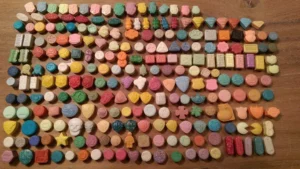
Ecstasy, chemically known as MDMA or “molly,” is a synthetic psychoactive drug that impacts mood, energy levels and perception. Though typically associated with social gatherings like parties or concert venues, misuse may result in dependency and serious health issues. As individuals start to use ecstasy for emotional relief or as a recreational experience, the gradual onset of addiction creates. Hope and help for substance dependency: For the addiction prone, professional intervention and guidance can be life changing. Rehabilitation Services: Drug addiction treatment facilities such as New Hope Rehab and Caring Centre Islamabad offer structured support and rehabilitation services for individuals struggling with drug addiction. A comprehensive solution to addiction, the treatment for any drug abuse disorder must include both physical and psychological aspects, if you too are looking for such professional care than related people seek for & reliable Drug Rehabilitation Centre Islamabad Pakistan. In this article, we discuss ecstasy addiction and how it develops, the signs of ecstasy use disorder, possible health risks associated with drug use, and the need for professional treatment programs that can offer long-term recovery. Understanding Ecstasy Addiction Ecstasy, which is also known as MDMA (3,4-methylenedioxymethamphetamine), is a hallucinogenic stimulant drug that enhances the release of neurotransmitters in the brain like serotonin and dopamine. These chemicals affect mood, emotions and the brain’s reward system. The initial experience may cause euphoric feelings, extra energy and an increased emotional connection; however, continued use can lead to dependence. Over time, people might find they need to take greater quantities to achieve the same effects. A Drug Rehabilitation Centre Islamabad, Pakistan people usually seek treatment when ecstasy use starts having an impact on their daily life, relationships or mental health. Ecstasy Addiction Causes and Risk Factors There are many potential reasons for becoming addicted to ecstasy. Recognizing these signs can help individuals and families understand when to seek professional support. Social and Environmental Influences Drugs like ecstasy among peers and the social environment in which substance use is normalized also influence whether you are likely to experiment. Emotional and Psychological Stress People who suffer from emotional distress, anxiety or personal problems may also turn to substances in the hope of temporarily “numbing” difficult feelings. Curiosity and Recreational Use People experiment with ecstasy out of curiosity or for fun at first. But over time of repeated use, it can cause a dependency. At New Hope Rehab and Caring Centre Islamabad, we recognize that effective treatment must address the underlying causes of substance use. For this reason, our treatment programs are designed to uncover these factors so that recovery plans can include both behavioral and emotional components for addiction. Signs and Symptoms of Ecstasy Addiction Learn more about how to recognize the signs of ecstasy addiction and how to get help here. It can impact physical health, emotional state and even reactions. Behavioral Symptoms Regular, prior use of ecstasy or MDMA Difficulty controlling drug consumption Ignoring employment, schooling or family obligations Increased isolation or withdrawal from social circles Participating in dangerous or hasty actions Psychological Symptoms Anxiety or mood swings Irritability or emotional instability Difficulty concentrating or remembering information A post-drug come-down depression Physical Symptoms Increased heart rate Sleep disturbances Loss of appetite Dehydration or fatigue Once the symptoms have started affecting daily life, an individual should reach out for support to a Drug Rehabilitation Centre in Islamabad, Pakistan to receive proper care and guidance. Health Risks Associated with Chronic Ecstasy Use Though ecstasy is often seen as a recreational drug, prolonged or excessive use can result in dire health issues. Mental Health Challenges Repeated use of ecstasy can throw off the brain’s natural serotonin levels, potentially leading to anxiety, depression or emotional instability. Cognitive and Memory Problems Over time, using this can impact memory, attention span and the ability to make decisions. This might lead people to struggle with completing even basic tasks. Physical Health Risks Use of ecstasy can lead to dehydration, raised body temperature and stress on the cardiovascular system. (People use them for years at a time, which can compromise the immune system or affect overall health.) As a part of the rehabilitation process, New Hope Rehab and Caring Centre Islamabad holds programs to counteract these physical and psychological health issues. Treatment Approaches for Ecstasy Addiction Getting over ecstasy habit necessitates a recommended and charming healing method which primarily target each the real along with psychological parts of compound use. 1.     Comprehensive Assessment Treatment usually starts with a comprehensive assessment of the person’s substance use history, physical health and mental health. This allows professionals to tailor a recovery plan for the patient. Drug Rehabilitation Centre in Islamabad, Pakistan typically conducts thorough assessments to create treatment approaches that are tailored to each individual in order to implement an accurate approach. 2.     Detoxification and Medical Monitoring Detoxification may be prescribed to help the body safely adapt to being without the drug. This is important because medical monitoring can help with the proper management of any withdrawal symptoms or health conditions. 3.     Psychological Counseling and Therapy In treatment, for example, therapy sessions allow individuals to discover the core reasons behind their substance abuse and learn behaviors that will better equip them with coping strategies. Common therapeutic approaches may include: Cognitive Behavioral Therapy (CBT) Behavioral counseling Motivational therapy These techniques allow individuals to identify triggers and establish healthier behavioral patterns. 4.     Group Therapy and Peer Support In group therapy sessions, participants get to share experiences with comrades having the same problems. Peer support helps to foster accountability and emotional connection in the recovery process. What Do Programs Like New Hope Rehab and Caring Centre Islamabad Include? 5.     Lifestyle and Behavioral Changes This time is also important for establishing healthier habits and routines that will help to support emotional and physical well-being in the long-term. They can help guide people towards prescribed daily routines, stress relief techniques and healthy habits. These lifestyle changes are often included in rehabilitation programs of a Drug Rehabilitation Centre in Islamabad, Pakistan for continued recovery. Family