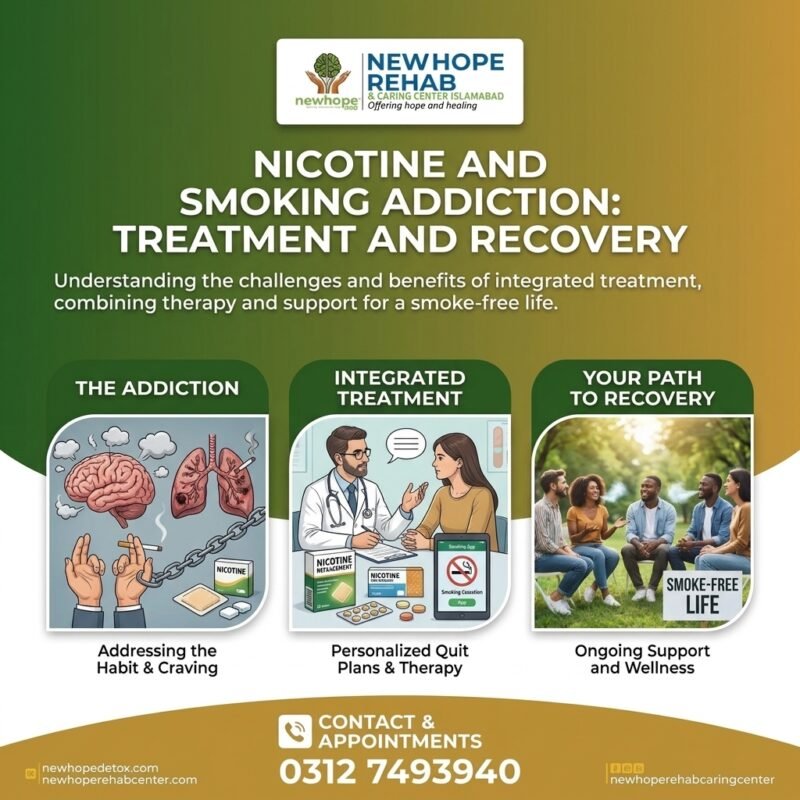
Nicotine and smoking addiction are common health concerns that can affect a person’s physical health, emotional well-being, and daily life. Although many people start smoking because of curiosity, stress, or social pressure, nicotine can quickly lead to dependence. Over time, quitting may become difficult, even when someone understands the health risks.
The good news is that nicotine addiction is treatable, and recovery is possible with the right support, practical strategies, and a plan that fits individual needs. Whether a person smokes cigarettes regularly or uses other nicotine products, understanding addiction is an important first step toward a healthier life.
What Is Nicotine and Smoking Addiction?
Nicotine is an addictive substance found naturally in tobacco. When a person smokes, nicotine enters the bloodstream through the lungs and reaches the brain quickly. It affects brain pathways involved in reward, attention, and mood, creating temporary feelings of pleasure or relief.
With repeated use, the brain adapts to nicotine. A person may begin to need it to feel normal, manage cravings, or cope with everyday stress. This pattern is known as nicotine dependence.
Smoking addiction can involve more than physical dependence. Certain routines, places, emotions, and social situations can also trigger the urge to smoke. For example, someone may associate cigarettes with drinking tea, taking work breaks, driving, or spending time with friends.
Common Signs of Nicotine and Smoking Addiction
Recognizing the signs of addiction can help someone decide when it is time to seek support.
Common signs include:
- Feeling a strong urge to smoke or use nicotine.
- Finding it difficult to reduce or stop nicotine use.
- Experiencing irritability, anxiety, or restlessness when unable to smoke.
- Smoking soon after waking up.
- Continuing to smoke despite health concerns.
- Using nicotine to cope with stress or difficult emotions.
- Returning to smoking after previous attempts to quit.
- Spending significant time or money obtaining and using tobacco products.
Not everyone experiences every sign. However, repeated difficulty controlling nicotine use may indicate dependence and a need for additional support.
Health Risks of Smoking and Nicotine Dependence
Smoking harms nearly every organ in the body. Cigarette smoke contains thousands of chemicals, including substances that damage cells and increase the risk of serious disease.
Long-term smoking is associated with several health problems, including:
- Lung disease: Smoking increases the risk of chronic obstructive pulmonary disease (COPD) and other breathing problems.
- Heart disease and stroke: Tobacco smoke damages blood vessels and raises cardiovascular risk.
- Cancer: Smoking increases the risk of lung cancer and several other types of cancer.
- Reduced physical fitness: People who smoke may experience shortness of breath and reduced stamina.
- Pregnancy complications: Smoking during pregnancy can increase risks to both the pregnant person and the developing baby.
- Secondhand smoke exposure: Smoke can harm family members and others nearby, especially children.
Nicotine itself is highly addictive and can affect heart rate and blood pressure. The major long-term health damage from smoking comes from exposure to the harmful chemicals in tobacco smoke.
Quitting can improve health at any age. Even people who have smoked for many years can benefit from stopping.
Why Is Quitting Smoking So Difficult?
Quitting smoking can be challenging because nicotine dependence involves physical, emotional, and behavioral factors.
Physical Dependence
The brain becomes accustomed to regular nicotine exposure. When nicotine levels fall, withdrawal symptoms may appear. These can include cravings, irritability, difficulty concentrating, restlessness, low mood, and sleep disturbances.
Emotional Triggers
Some people use smoking to cope with stress, sadness, boredom, or anxiety. Without other coping strategies, these emotions can trigger a strong desire to smoke.
Daily Habits
Smoking may become linked to familiar routines, such as drinking coffee, finishing a meal, or taking a break at work. These associations can remain even after the physical withdrawal symptoms begin to improve.
Social Pressure
Being around people who smoke can make quitting more difficult. Social gatherings and familiar smoking environments may trigger cravings, especially during the early stages of recovery.
Understanding these triggers helps people prepare for difficult moments instead of relying on willpower alone.
Nicotine and Smoking Addiction Treatment Options
There is no single approach that works for everyone. Effective treatment often combines behavioral support, practical changes, and medication when appropriate.
1. Behavioral Counseling
Counseling can help people understand why they smoke and identify situations that trigger cravings. A trained professional may help develop strategies for managing stress, changing routines, and responding to urges.
Counseling can be provided individually, in groups, or through telephone-based support, depending on availability.
2. Nicotine Replacement Therapy
Nicotine replacement therapy (NRT) provides nicotine without the harmful chemicals found in cigarette smoke. Products may include patches, gum, lozenges, inhalers, or nasal sprays, depending on what is available locally.
These products can help reduce withdrawal symptoms and cravings while a person stops smoking. A healthcare professional or pharmacist can help determine which option is appropriate.
3. Prescription Medication
Certain prescription medicines can help people quit smoking by reducing cravings or making smoking less rewarding. Options may include varenicline or bupropion, depending on local availability and a person’s medical history.
These medicines are not suitable for everyone. A healthcare professional should review potential benefits, side effects, other medications, and relevant health conditions before treatment begins.
4. Quit Plans and Lifestyle Changes
A practical quit plan can make recovery more manageable. Helpful steps include choosing a quit date, removing cigarettes and lighters, identifying personal triggers, and planning alternatives for common smoking situations.
Physical activity, regular sleep, drinking water, and healthy routines may also support well-being during withdrawal. These changes work best alongside evidence-based cessation support when needed.
5. Professional Support for Complex Dependence
Some people have repeated unsuccessful quit attempts or use smoking to cope with significant emotional distress. Others also struggle with alcohol or other substance use.
In these situations, professional assessment can help identify the most suitable combination of support. Treatment should address the person’s overall health and circumstances rather than focusing only on cigarette use.
Understanding Nicotine Withdrawal
Nicotine withdrawal is a common part of quitting. Symptoms can begin within hours after the last use, often become strongest during the first few days, and gradually improve over the following weeks. The timing and intensity vary from person to person.
Common symptoms include:
- Strong nicotine cravings.
- Irritability or frustration.
- Anxiety or restlessness.
- Trouble concentrating.
- Increased appetite.
- Sleep difficulties.
- Temporary changes in mood.
Although withdrawal can be uncomfortable, nicotine withdrawal is generally not medically dangerous in the way severe alcohol or sedative withdrawal can be. However, severe mood changes or worsening mental health symptoms should be discussed with a healthcare professional.
Nicotine replacement therapy, appropriate medication, counseling, and support from trusted people can help make withdrawal easier to manage.
Practical Tips for Staying Smoke-Free
Recovery is a process, and preparing for cravings can improve a person’s ability to maintain progress.
Identify your triggers. Notice when cravings happen and plan an alternative activity for those moments.
Delay the urge. When a craving appears, wait a few minutes, take slow breaths, drink water, or move to a different environment. Many cravings rise and pass rather than lasting indefinitely.
Change familiar routines. If smoking is linked to tea or coffee, try changing where or how you take that break.
Seek support. Tell trusted friends or family members that you are quitting and explain how they can help.
Consider evidence-based treatment. Counseling and approved quit-smoking medicines can improve the chances of success.
Learn from setbacks. Smoking once after quitting does not mean recovery has failed. Identify what triggered the lapse and adjust the plan.
Protect your environment. Ask people not to smoke around you and avoid keeping cigarettes readily available.
These strategies can help reduce the influence of daily habits and make a smoke-free lifestyle more achievable.
The Role of Mental Health in Smoking Recovery
Nicotine use and mental health can influence one another. Some people smoke to manage anxiety, low mood, loneliness, or stress. Nicotine may provide brief relief, but dependence and repeated withdrawal can contribute to a cycle of cravings and discomfort.
A complete recovery plan should consider emotional well-being alongside physical health. Counseling can help people develop healthier ways to respond to difficult feelings and manage stressful situations.
People with depression, anxiety, or other mental health concerns can still quit smoking. A healthcare professional can help coordinate smoking cessation with existing mental health treatment and monitor any changes in symptoms.
Nicotine and Smoking Addiction Support at New Hope Rehab and Caring Centre Islamabad
New Hope Rehab and Caring Centre Islamabad is a resource for individuals and families seeking addiction-related support. People concerned about nicotine dependence may benefit from discussing their smoking habits, previous quit attempts, withdrawal symptoms, and related health or emotional concerns with an appropriate professional.
The right type of care depends on each person’s needs. An assessment can help determine whether counseling, medical guidance, nicotine replacement therapy, prescription treatment, or a combination of approaches may be suitable.
Individuals and families should contact the centre directly to confirm whether smoking cessation services are available and what support can be provided. Choosing qualified healthcare guidance is an important step toward making a safe and realistic recovery plan.
Frequently Asked Questions
1. Is nicotine addiction the same as smoking addiction?
They are closely related but not identical. Nicotine addiction is dependence on nicotine, which can come from cigarettes and other nicotine products. Smoking addiction involves nicotine dependence as well as behavioral habits and exposure to tobacco smoke.
2. How long does nicotine withdrawal last?
Withdrawal symptoms can begin within hours of stopping. They are often strongest during the first few days and improve over the following weeks. Some people continue to experience occasional cravings for longer, particularly when exposed to familiar triggers.
3. What is the most effective treatment for smoking addiction?
Treatment varies by individual. Behavioral counseling combined with appropriate medication, such as nicotine replacement therapy or a prescribed quit-smoking medicine, can improve the likelihood of successfully quitting. A healthcare professional can help select a suitable plan.
4. Can a person recover from smoking addiction after many years?
Yes. People can benefit from quitting even after many years of smoking. The body begins to recover after stopping, and health risks generally decrease over time. Support and repeated quit attempts can help people achieve lasting progress.
5. What should I do if I start smoking again after quitting?
A lapse does not mean you have failed. Review what led to the cigarette, identify the trigger, and return to your quit plan as soon as possible. If cravings remain difficult to manage, consider speaking with a healthcare professional about counseling or medication options.
Conclusion
Nicotine and smoking addiction can affect physical health, emotional well-being, and everyday routines, but recovery is achievable. Understanding dependence, recognizing triggers, managing withdrawal, and seeking appropriate treatment can make quitting more manageable.
There is no need to face the process alone. With a realistic plan, professional guidance when needed, and support from trusted people, individuals can work toward a smoke-free life and protect their long-term health. Each attempt to quit can provide useful experience and bring a person closer to lasting recovery.