
Choosing the right type of therapy is essential in the journey to emotional recovery and personal growth. Group therapy for many can be a supportive, structured way to work through issues of mental health and to relate with others who have shared experiences. At New Hope Rehab and Caring Centre Islamabad, these group-based psychological interventions are tailored to the wide range of mental health conditions in a secure and supportive environment.
As a reputable Mental rehabilitation center Islamabad Pakistan we feel it’s important to understand the types of group therapy can be helpful for families and individuals when making choices about care. This article describes the main types of group therapy, the benefits they offer and how to decide which type might be right for you.
Understanding Group Therapy in Mental Health Care
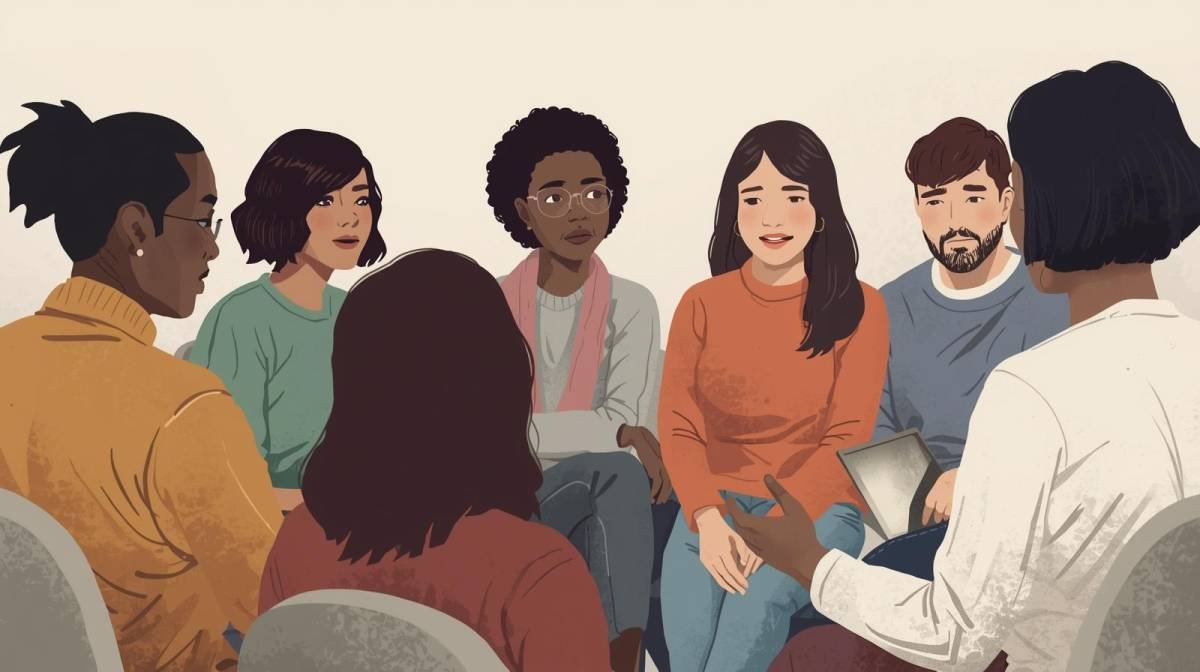
Group therapy typically involves one or more psychologists who lead a group of people who share similar concerns. The groups also provide opportunities for interaction and mutual learning among participants, unlike one on one therapy.
At Good Rehab in Islamabad Pakistan, clients participate in group therapy sessions that are conducted ethically and strictly confidential from others -team work with clinical guidelines. It can also be used in conjunction with private therapeutic consultations, mental health clinics and rehabilitation centres.
Why Group Therapy Works as a Form of Therapy
Group music therapy has unique therapeutic advantages which are extremely useful in psychiatric rehabilitation:
- Promotes support among peers and shared experiences
- Combat isolation and break stigma
- Builds communication and interpersonal skills
- Offers various views on dealing with harshness
- Enhances motivation through collective progress
At New Hope Rehab and Caring Centre Islamabad we perceive dignity of the individual as an integral part of a coherent framework, where group therapy becomes retainment for an Individualize treatment plan whether it be related to addiction or mental illness.
Kinds of Group Therapy and What They Are All About
Various types of group therapy models serve the diverse mental health needs of each individual. Knowing about these possibilities can help people decide which method may be best for them.
Psychoeducational Group Therapy
Psychoeducation groups aim to educate members on mental health issues, emotional regulation, and coping strategies. This is another type of information based and structured sessions.
Best suited for:
- People with new mental health diagnosis
- Families needing explanation on how a loved one is struggling
- Patients focussing on relapse prevention and stress-coping skills
Cognitive group therapy This kind of group therapy is available in a Mental rehab clinic Islamabad Pakistan to give patients with empowerment for knowledge.
Cognitive Behavioral Group Therapy (CBGT)
CBGT is a form of therapy that utilizes cognitive-behavioral therapy techniques to educate an individual about harmful thought processes and behaviours which allowed them to identify and alter these patterns.
Best suited for:
- Anxiety disorders
- Depression
- Trauma-related symptoms
Through group development and active exercises, clients adopt more enjoyable ways of thinking by participating in healthy thoughts.
Support Groups
Support groups create an environment in which people can share experiences, feelings, and problems without the judgment of others who are not experiencing the same things. With a professional’s recommendations, these groups focus on emotional bonding rather than structured therapy.
Best suited for:
- Addiction recovery
- Grief and loss
- Chronic mental health conditions
Support groups are an integral part of extended recovery programs in most rehab facilities, including New Hope Rehab and Caring Centre Islamabad.
Interpersonal Process Groups
Interpersonal process groups work on how patients relate, communicate and express feelings. Attendees delve into their contact with others, and receive immediate feedback among the group.
Best suited for:
- Relationship difficulties
- Low self-esteem
- Social anxiety
Groups, of course, are where individuals learn to relate more healthily in a safe and supportive social context.
Skills Development Groups
Skills based groups seek to provide practical life and emotions skills contributing toward independence and mental health stability.
Common focus areas include:
- Emotional regulation
- Conflict resolution
- Stress management
- Assertiveness training
They are an integral part of the process of a functional recovery in mental rehabilitation center in Islamabad Pakistan because are effective as Rehab services.
How to Pick the Right Group Therapy for You
How to Choose the Right Group Therapy The right group therapy will depend in part on your personal goals, diagnosis and level of comfort.
Here are some of the issues to take into account:
- Your primary mental health concern
- Whether you prefer formal study or a more informal discussion
- Your willingness to share in a group situation
- Therapists’ professional advice Sacravanelli was also not advised to take any mental health days.
At New Hope Rehab and Caring Centre all treatment packages are considered and the potential client is placed in the most suitable therapeutic group.
The Role of Group Therapy in Mental Rehabilitation
Group therapy is no panacea, but it is a potent part of mental health treatment. At a renowned Mental rehabilitation center in Islamabad Pakistan, group therapy along with treatment and individual as well as family counseling, helps building support for stable recovery.
And belonging and shared progress can help people recover confidence, become more emotionally resilient, grow bourne-resilient personality traits.
Frequently Asked Questions (FAQs)
1. Can group therapy be as effective as one-on-one therapy?
Group therapy can be very helpful, when used alongside individual therapy. It’s a matter of what’s best for each person in terms of personal needs and treatment goals.
2. Is there a guarantee of privacy in group therapy?
Yes. Group therapy is ethical group therapy follows stringent confidentiality guidelines for all participants.
3. What if I feel shy or anxious? Can I do group therapy?
At first, it’s intimidating for a lot of people. One good therapist will build safety to allow you to feel comfortable and trusting.
4. What is the average size of a group therapy session?
Groups are small (6 to 12 people), ensuring deep interaction and personal attention.
5. What is the duration of group therapy?
The length of stay is determined by clinical needs and program format. Both short-term and undying groups exist.
Conclusion
Group Therapy provides a safe, powerful and effective way to support your mental health recovery by enabling you to connect with others, learn from one another and grow together. Learning about the various types of group therapy can assist individuals in selecting the experience most consistent with their needs and goals.
At New Hope Rehab and Caring Centre Islamabad, group therapy is conducted with professionalism, compassion, and clinical experience. Being a reliable mental rehab facility in Islamabad Pakistan, the priority is to care ethically and maintain patient’s self-esteem and long-term psychological health. Selecting the appropriate type of group therapy may be a positive step towards healing, wellness and a brighter future.