Methamphetamine dependence is a significant and increasing health issue in individuals, their families and the communities of Pakistan. Knowing what to expect from meth withdrawal symptoms and how to handle them is key to successful addiction recovery. At New Hope Rehab and Caring Centre Islamabad We know, that the ease with which healthcare experts share information, provide news of comprehensive care and evidence-based treatments that are key to helping patients take control of their lives.
Our priority is to offer ethical and patient – centered care based on medical expertise while being supported by our experts, delivered affordably and efficiently. This guide discusses meth withdrawal symptoms, the detoxification process and what one can expect from professional treatment in order to overcome this addiction for good.
Understanding Meth Addiction
Methamphetamine – commonly known as meth, crystal meth and ice – is an incredibly dangerous and addictive stimulant. It works in the central nervous system and raises dopamine in the brain to produce challenging euphoria, energy and alertness. But long-term effects are serious physical, emotional and psychological damage.
It doesn’t take long before the brain gets hooked on meth to pump out dopamine. When someone ceases using the drug, the body has a hard time of it, resulting in withdrawal symptoms. It can be physically painful and emotionally distressing, so please don’t try this without professional addiction treatment.
What Causes Meth Withdrawal Symptoms?
Meth withdrawal happens because the brain has become dependent on how it operates with the drug around. After meth use ends, the dopamine level falls precipitously. This imbalance of chemicals causes physical and emotional symptoms.
Unlike other drugs, meth withdrawal is not usually deadly. But it can be quite severe, and that level of intensity may also come with serious depression, anxiety and cravings that heighten the chances of a relapse. Supervised care in a reputable institution such as New Hope Rehab and Caring Centre Islamabad provides physical safety and emotional support at this sensitive time.
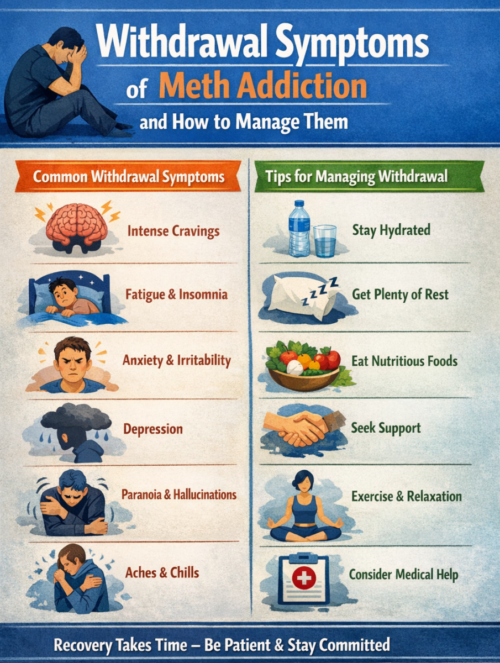
Frequent Withdrawal Symptoms of Methamphetamine Abuse
Symptoms of withdrawal vary based on your length of use, the interval between doses, dosage and general health. These are some of the common symptoms:
1. Intense Drug Cravings
Meth Cravings Meth cravings can be some of the most difficult to endure when withdrawing from meth. There is a strong desire to reuse, especially in the first week of the detox.
2. Severe Fatigue
Meth gets the body going often for long stretches of forced wakefulness. When you stop using, fatigue and lack of energy is widespread.
3. Depression and Mood Swings
Depletions of dopamine can induce sadness, depression, and emotional fragility. In some cases, these can be suicidal thoughts and need immediate help by a professional.
4. Anxiety and Irritability
Early withdrawal presents with symptoms of restlessness, agitation and increased anxiety.
5. Sleep Disturbances
Some are unable to sleep, some (that know me) can’t stop sleeping and though their body desperately craves it, they can not stay asleep.
6. Increased Appetite
Meth suppresses appetite. Hunger can also spike while withdrawing.
7. Cognitive Difficulties
Difficulty focusing, remembering or deciding is typical during detox.
Understanding these symptoms is the first step for individuals and families to prepare themselves for doing recovery work in a balanced way.
Timeline of Meth Withdrawal
Differences in individuals’ experiences aside, meth withdrawal generally proceeds according to this timeline:
First 24–72 Hours
Often, it is the most intense time. Fatigue, depression, anxiety and cravings set in as symptoms begin to emerge.
First Week
Emotional symptoms peak. You can be irritable, tired and moody.
Weeks 2–4
The physical symptoms should improve over time, but some psychological symptoms such as mood swings and cravings may persist.
Long-Term Recovery
Some people get these withdraw symptoms by developing Post Acute Withdraw Syndrome (PAWS). Therapy in an ongoing process and support is essential during this stage.
At the Best addiction rehabilitation center in Islamabad Pakistan, we offer meth detox and rely on care to support those struggling at every phase of withdrawal.
Why Professional Detox Is Important
Trying to stop meth use without medical and psychological assistance may also be a risk factor for relapse. Symptoms of withdrawal could be overwhelming, particularly feelings of depression and cravings.
Professional detox offers:
- 24/7 medical supervision
- Mental health monitoring
- Emotional counseling
- Safe and supportive environment
- Structured treatment plans
At:NHRC Islamabad, at detox is a process that happens under strict supervision focusing on creating maximum safety and comfort to ensure that client dignity remain untainted.
How to Cope with Meth Withdrawal What Are the Meth Withdrawal Symptoms?
Coping with meth withdrawal involves a mix of medical attention, psychological intervention, and lifestyle changes. The following are the main strategies utilised in evidence-based addiction recovery programmes.
1. Medical Supervision
There are no medications specifically approved for treating meth withdrawal, however, doctors do have medications they can prescribe to help with other symptoms like depression, anxiety or difficulty sleeping.
It’s key to keep a close eye on mental health, particularly in the early days of detox.
2. Psychological Support and Counseling
Therapy is a crucial component for coping with withdrawal and avoiding relapse. Common therapeutic approaches include:
- Cognitive Behavioral Therapy (CBT)
- Motivational Interviewing
- Individual counseling
- Group therapy sessions
Trainees in therapy learn what their triggers are, how to deal with them and then how to recover from a fall.
3. Structured Routine and Healthy Lifestyle
A good solid schedule helps you recover. Key elements include:
- Balanced nutrition
- Adequate sleep
- Light physical activity
- Stress management techniques
Healthy behaviors contribute to the recovery of strength and wellbeing in body and mind.
4. Family Support and Involvement
Addiction affects families as well. Counseling, particularly family counseling, can help improve communication, reestablish trust and provide a supportive home environment.
At New Hope Rehab and Caring Centre Islamabad, if applicable -we positively incorporate the family in to treatment process, because it enhances long-term recovery success.
The Role of Long-Term Rehabilitation
Detox is only the first step. Rehabilitation – Beyond the crust Rehabilitation can take time and place from several Continues working on rehabilitation issues in the field of Long- term, structured recycling Offenders serving short-term sentence need not necessarily take part as Alcohol using…
Comprehensive rehab programs may include:
- Behavioral therapy
- Mental health treatment
- Relapse prevention planning
- Life skills development
- Aftercare support
Selecting the top and best addiction rehabilitation centre in Islamabad Pakistan is all about selecting a place that provides individualized treatment and work according to ethical standards of care.
Mental Health and Meth Addiction
Meth is frequently comorbid with mental health issues like anxiety, depression or trauma-informed diagnoses. It is crucial that both addiction and underlying mental health issues be addressed together, which is known as dual diagnosis treatment, for long-term recovery to occur.
New Hope Rehab and Caring Centre Islamabad is there for providing holistic treatment programs to combat substance use disorder as well as mental health issues in a comfortable and safe environment.
When to Seek Professional Help
You should get help whenever you or a family member has:
- Persistent cravings
- Severe depression or suicidal thoughts
- Inability to stop using meth
- Loss of relationship, loss of job due to use of substance
- Physical health complications
The sooner treatment is initiated, the better the chance of recovery. Asking for help is a brave and responsible path to healing.
Frequently Asked Questions (FAQs)
1. How long does it take to withdraw from meth?
Most physical symptoms clear up within a week to 2 weeks, but some psychological effects (such as cravings and mood changes) can last for longer. Ongoing therapy supports long-term recovery.
2. Is meth withdrawal dangerous?
The risk of meth withdrawal is not life-threatening but some people’s depressed mood can lead to suicidal thoughts. Professional supervision ensures safety.
3. Is meth addiction treatable?
Yes, by engaging in structured rehab, counseling, and support.
4. What is unique about New Hope Rehab and Caring Centre Islamabad?
Our center provides ethical, patient-oriented care with personalized treatment plans and professional oversight is what sets us apart as the Best addiction rehabilitation center in Islamabad Pakistan.
5. Why is medical detox superior to at home quitting?
Medical detox means you have medical and emotional support, including relapse prevention skills which will lower the risk of complications and improve success at recovery.
Conclusion
Meth addiction is a complicated disease that affects the brain as well as behavior. Knowledge of meth withdrawal symptoms and how to cope with them can help addicts, along with their loved ones, to prepare for the long road of recovery ahead with realistic expectations.
It can be a tough road, but its just part of the process taking Place in-order to heal. With appropriate treatment, formal therapy and supportive care, healing is within reach.
At New Hope Rehab in India and Caring Centre Islamabad, we promise the best most safe, ethical and evidence based addiction treatment services possible. The new era of addiction rehabilitation in Islamabad Pakistan As the leading addiction rehabilitation center, we aim to guide, support & treat clients with integrity, respect and evidenvce based clinical expertise at every stage of their recovery journey.
Has Methamphetamine Taken Over Your Life? If you need help finding the right treatment program for yourself or a loved one, call 1-888-287-0471 Who Answers? to speak with a treatment support specialist.