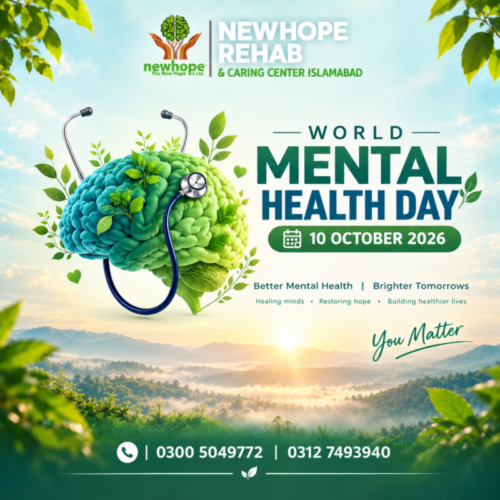
World Mental Health Day is observed every year on October 10 to raise awareness about mental health, promote emotional well-being, and encourage access to appropriate mental health care. It reminds people that mental health is an essential part of overall health and deserves the same attention, understanding, and compassion as physical health.
Mental health challenges can affect people of every age and background. Stress, anxiety, depression, trauma, and substance use disorders can influence daily life, relationships, education, and work. World Mental Health Day provides an opportunity to challenge stigma, share reliable information, and encourage people to seek help when they need it.
What Is World Mental Health Day?
World Mental Health Day is an international awareness day coordinated by the World Federation for Mental Health, with support and participation from organizations around the world, including the World Health Organization.
The day encourages individuals, families, healthcare professionals, workplaces, schools, and communities to take mental health seriously. Activities may include awareness campaigns, educational sessions, community events, discussions, and initiatives that improve access to support.
The central message is simple: mental health matters, and everyone deserves dignity, understanding, and appropriate care.
Why Is World Mental Health Day Important?
Mental health conditions are common, but many people still face barriers to getting help. These barriers may include stigma, misinformation, financial difficulties, limited access to professionals, or fear of being judged.
World Mental Health Day helps draw attention to these challenges and encourages communities to respond with empathy rather than blame.
Raising Mental Health Awareness
Many people experience mental health symptoms without understanding what they mean or where to seek help. Public awareness can help people recognize common signs of distress and learn about available support options.
Reducing Stigma and Discrimination
People experiencing depression, anxiety, or other mental health conditions may be unfairly judged. Some are told to simply become stronger or stop worrying. Such attitudes can discourage people from seeking professional help.
Mental health conditions are not personal failures. They deserve understanding, appropriate assessment, and evidence-based treatment.
Encouraging Early Support
Recognizing mental health concerns early can help people access care before symptoms become more disruptive. Early support may include talking with a trusted person, consulting a healthcare professional, or accessing counseling and other services.
Promoting Access to Mental Health Care
Awareness is only one part of the solution. Communities also need accessible, appropriate, and affordable mental health services, trained professionals, and support systems that respect people’s needs.
Common Mental Health Challenges
Mental health includes emotional, psychological, and social wellbeing. It can affect how people think, feel, respond to stress, make decisions, and interact with others.
Some common mental health challenges include:
Depression
Depression can involve persistent sadness, loss of interest, low energy, changes in sleep or appetite, difficulty concentrating, and feelings of hopelessness. It is more than a temporary period of feeling down and may require professional care.
Anxiety Disorders
Anxiety disorders can cause excessive worry, fear, panic, restlessness, and physical symptoms such as a racing heart or muscle tension. When anxiety interferes with everyday activities, professional assessment may be helpful.
Stress and Emotional Burnout
Ongoing stress can affect sleep, concentration, relationships, and physical health. Work pressure, financial difficulties, family responsibilities, illness, and major life changes may contribute to emotional exhaustion.
Trauma-Related Conditions
People who experience frightening or distressing events may develop persistent emotional and psychological symptoms. Trauma-informed support can help individuals address these experiences safely and appropriately.
Substance Use Disorders
Alcohol and drug problems can affect both physical and mental health. Some people use substances to cope with anxiety, depression, or trauma, but substance use may worsen symptoms and create additional difficulties.
The Connection Between Mental Health and Addiction
Mental health and addiction can influence each other in several ways. A person experiencing depression or anxiety may use alcohol or drugs in an attempt to manage difficult feelings. However, substances can disrupt sleep, affect mood, worsen anxiety, and contribute to dependence.
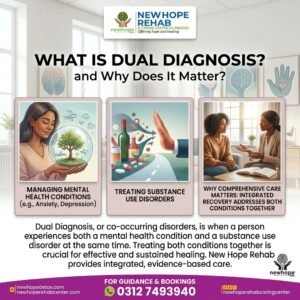
In other cases, substance use may trigger or intensify mental health symptoms. When a person experiences both a substance use disorder and a mental health condition, this is often called a dual diagnosis or co-occurring disorders.
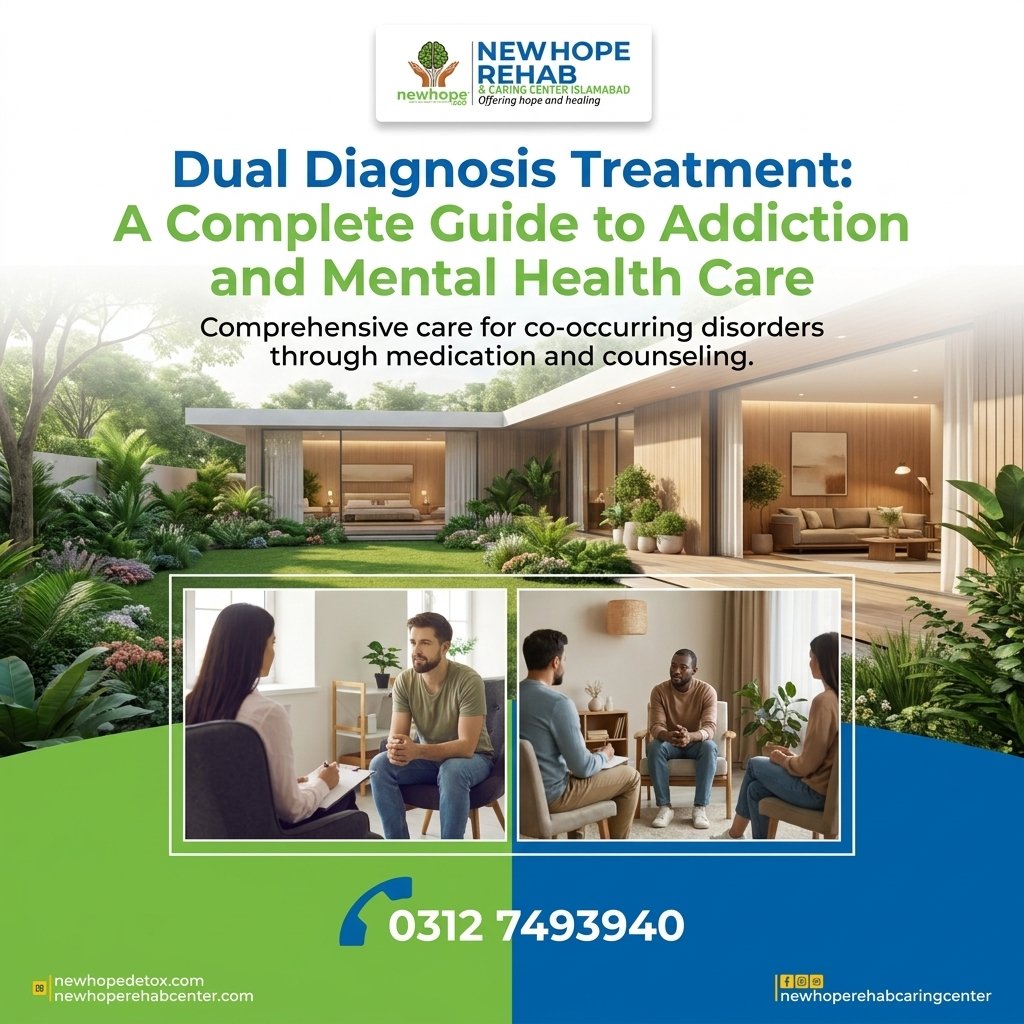
Effective care should consider both concerns. Depending on the individual’s needs, treatment may include medical assessment, psychological counseling, addiction treatment, psychiatric care, family support, and continuing recovery planning.
Seeking help for addiction is an important part of protecting mental health, not a reason for shame.
Warning Signs That Someone May Need Mental Health Support
Mental health difficulties do not look the same for everyone. Some people openly express distress, while others become withdrawn or try to hide their struggles.
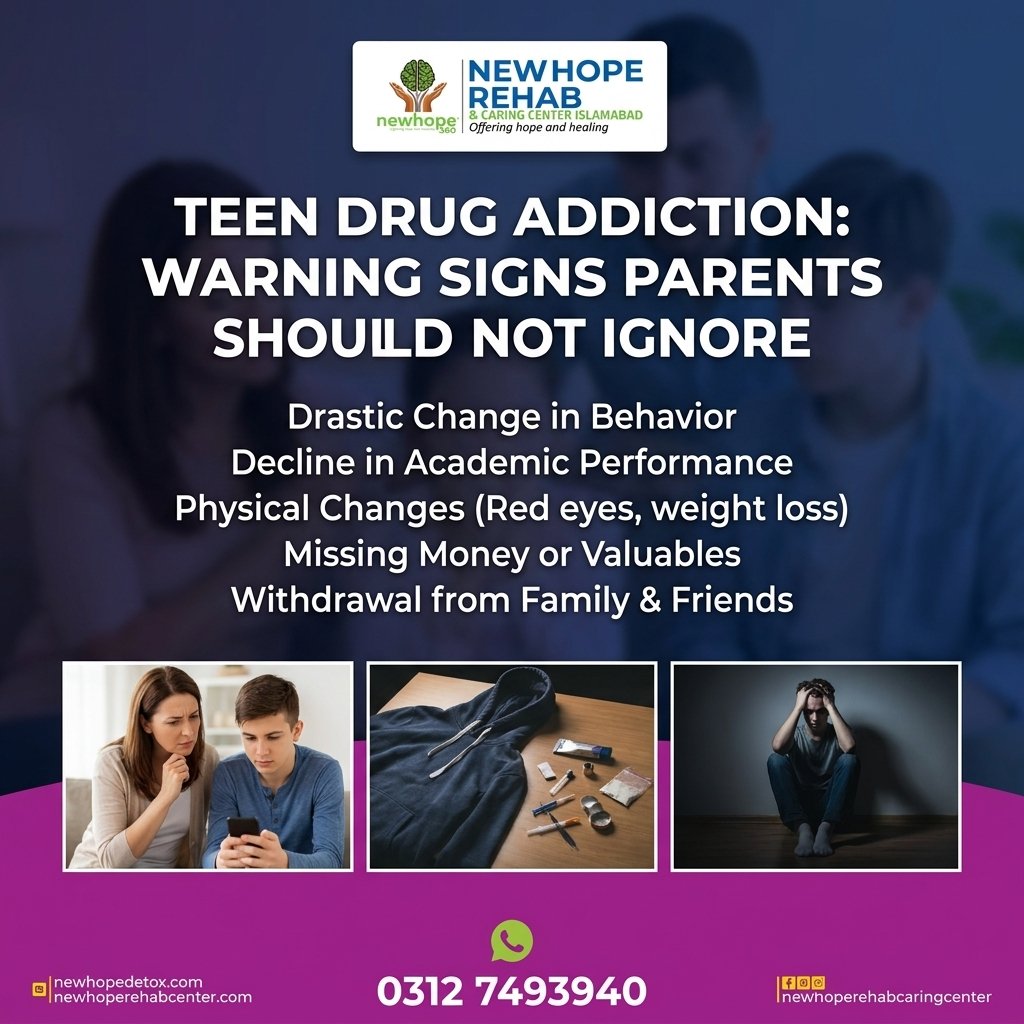
Possible warning signs include:
- Persistent sadness, fear, or anxiety
- Major changes in sleep or appetite
- Losing interest in usual activities
- Withdrawing from friends or family
- Difficulty concentrating or managing daily responsibilities
- Increased alcohol or drug use
- Frequent mood changes or feelings of hopelessness
- Struggling to cope with everyday stress
These signs do not necessarily indicate a specific mental health condition. If symptoms persist, worsen, or interfere with daily life, consider consulting a qualified healthcare professional.
If someone may harm themselves or another person, or is experiencing a psychiatric emergency, seek immediate emergency assistance.
How to Support Mental Health Every Day
World Mental Health Day is a useful reminder, but mental wellbeing deserves attention throughout the year. Small, consistent steps can support emotional health, although they are not substitutes for professional treatment when it is needed.
Talk Openly About Feelings
Creating a safe space for honest conversations can help people feel less isolated. Listen without judgment and avoid dismissing someone’s concerns.
Maintain Healthy Daily Routines
Regular sleep, balanced meals, physical activity, and time for rest can support general wellbeing. Consistency may be especially helpful during stressful periods.
Stay Connected With Others
Supportive relationships can reduce isolation and make it easier to cope with difficulties. Checking in with a friend or family member can be a meaningful first step.
Set Realistic Boundaries
Taking breaks, managing responsibilities, and asking for help when needed can reduce unnecessary pressure. It is reasonable to recognize personal limits.
Seek Professional Help When Needed
Psychologists, psychiatrists, counselors, and other qualified healthcare professionals can help assess mental health concerns and recommend suitable treatment. Reaching out for help is a responsible step toward wellbeing.
World Mental Health Day in Pakistan
In Pakistan, mental health awareness remains important because stigma, misinformation, and unequal access to services can prevent people from receiving support. Families may sometimes interpret mental health symptoms as weakness or a personal problem instead of a health concern.
Schools, workplaces, healthcare providers, community organizations, and families can help by sharing accurate information, encouraging respectful conversations, and guiding people toward qualified care.
Mental health awareness is particularly important for young people, individuals facing family or financial stress, and people experiencing addiction or social isolation. Communities can make a difference by treating people with dignity and helping them access appropriate services.
The Role of New Hope Rehab and Caring Centre Islamabad
New Hope Rehab and Caring Centre Islamabad is a resource for individuals and families seeking addiction-related support. Mental health and substance use concerns can overlap, so people experiencing both may benefit from a professional assessment that considers their physical health, emotional wellbeing, and substance use history.
Appropriate care depends on each person’s needs and may involve addiction treatment, psychological support, psychiatric assessment, and ongoing recovery planning. Seeking professional guidance can help individuals and families better understand available options.
Frequently Asked Questions
1. When is World Mental Health Day celebrated?
World Mental Health Day is observed every year on October 10 to promote mental health awareness, reduce stigma, and encourage access to appropriate support.
2. Why do we celebrate World Mental Health Day?
The day helps educate communities about mental health, challenge discrimination, encourage early support, and draw attention to the importance of accessible mental health services.
3. What is the theme of World Mental Health Day?
The World Federation for Mental Health announces an annual theme. The theme can change each year, so the official announcement should be checked when preparing content for a specific year’s campaign.
4. How can I support someone experiencing mental health problems?
Listen without judgment, take their concerns seriously, offer practical support, and encourage professional help when appropriate. If there is an immediate risk of harm, seek emergency assistance.
5. How are mental health and addiction connected?
Some people use substances to cope with emotional distress, while substance use can worsen or contribute to mental health symptoms. When both conditions occur together, coordinated treatment can help address them more effectively.
Conclusion
World Mental Health Day reminds us that mental health is a fundamental part of overall wellbeing. Raising awareness, challenging stigma, recognizing warning signs, and encouraging access to appropriate care can help individuals and communities respond to mental health challenges with greater understanding.
Whether someone is experiencing stress, depression, anxiety, trauma, or addiction, they deserve compassion and support. Mental health awareness should continue beyond October 10 through everyday conversations, informed choices, and a commitment to making appropriate care more accessible to everyone.