
+92 312 7493940

Aftercare and Lifestyle Changes for Sustainable Healing at a Mental rehabilitation center in Islamabad Pakistan

Healing towards sustainability outlasts a treatment process. Aftercare and Long-term Lifestyle Change In mental health, addiction recovery, progress is maintained, relapse is mitigated, and quality of life improves when a program of change (re: 34% –60%) over the longer term supports an individual. At New Hope Rehab and Caring Centre Islamabad: aftercare is seen as a process not just a service. It helps people to reintegrate into life with a firm footing and a fresh perspective.

An ethical, patient-centered recovery has always been our priority at New Hope Rehab and Caring Centre Islamabad As you need to know that we are a responsible Mental Rehabilitation center based in the heart of Pakistan.

The Benefits of Aftercare for Recovering from Mental Health Conditions

Aftercare is a structured form of extended care for those leaving the confines of an initial drug rehab, therapeutic or mental health program. Mental health recovery is not an event but a series of small, unfolding events. If aftercare isn’t provided, people can feel suddenly inundated when resuming their daily duties or from relationship pressures and emotional triggers.

An effective aftercare plan allows someone:

  • Maintain emotional balance
  • Strengthen coping skills
  • Build healthy routines
  • Reduce the risk of relapse
  • Improve self-awareness and accountability

At professional Mental Rehabilitation Center in Islamabad Pakistan, aftercare is planned to assist long term emotional stability for all respects of person boundaries and cultural values.

Lifestyle Modifications and Long-term Healing

Starve your cravings throughout the day here are a few tips -Your Key to Success Most likely the best natural strategy is altering your lifestyle. When good habits replace bad ones, healing becomes self-sustaining. These changes don’t have to be extreme, all that counts is kilter and moderation.

Establishing Healthy Daily Routines

Routines provide a purpose to follow and a sense of control. Consistent bedtimes, healthful meals, and structured activities aid in emotional regulation and clear thinking. Quote We inspire patients to create a realistic daily schedule as per their energy levels and personal obligations – New Hope Rehab & Caring Centre Islamabad

Prioritizing Physical Health

Our physical and mental conditions are closely intertwined. Light exercise, good nutrition and hydration are important to help the brain function and emotions stay strong. Lasting healing is about listening to your body, without forcing yourself or taking drastic measures.

Emotional Status and Self-Knowledge Following Treatment

Aftercare is an important part of self and emotional awareness. That mindfulness component is useful for many people, as is the ability to identify emotional triggers, stress reactions and alarm signals of emotional distress.

Developing Healthy Coping Mechanisms

Instead of dismissing or burying stress, healthy ways to cope like meditation, journal writing and relaxation modalities can better control the effects of it. A trustworthy Mental rehabilitation center in Islamabad Pakistan teaches practical, culturally specific and ethically appropriate coping skills.

Building Emotional Resilience

Resilience is not protection from exposure to stress, but rather how competently one can adapt in response. The aftercare programs at New Hope Rehab and Caring Centre Islamabad inspire emotional resilience, patience and self-compassion for long-term recovery.

The Importance of Support Systems that Last

Because they aren’t separated, recovery is even more sustainable. Support systems afford us that encouragement, accountability, and empathy.

Family and Social Support

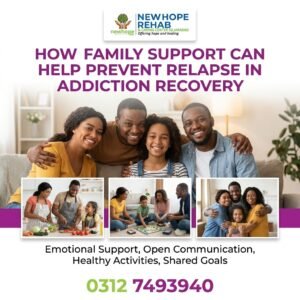
Interpersonal communication with family and close friends can support rehabilitation. Education and understanding enable loved ones to offer the kind of support that is not judgmental or pushy.

Professional Follow-Up Care

Follow up sessions help clients talk through progress, obstacles, and feelings. Continued support from trained professionals keeps recovery on track with mental health requirements and individual goals.

How to Design a Life of Balance and Purpose

An engaged life is instrumental for healing to be sustained. Purpose doesn’t necessarily equate to career or productivity but it also entails self-growth, creativity and community engagement.

Healthy Social Engagement

Social engagement has a positive impact on self-esteem and emotional welfare which accompanies with decrease isolation. People are encouraged to participate in surroundings that are secure and respectful of the work they do to recover.

Personal Growth and Self-Development

Gaining a new skill, having an achievable goal and pursuing what you are interested in all will revive one’s confidence and motivation. At New Hope Rehab and Caring Centre Islamabad sustainable recovery means you nurture to your emotional health, physical wellbeing and personal fulfillment.

Abstainer The Action Plan to Prevent Relapse

Aftercare being the most important part of relapse prevention. It’s also an awareness not a fear type thing.

Key elements include:

  • Recognizing early warning signs
  • Understanding personal triggers
  • Being prepared to take action when feelings become overwhelming
  • Knowing how and when to ask for assistance

A systemized way to recover from such emotional, is offered by mental rehabilitation centers in Islamabad Pakistan enabling people’s brains respond as opposed to react.

Caring New Hope Rehab and Caring Centre Islamabad (Patient1)

New Hope Rehab and Caring Centre in Islamabad adopts an ethical model for mental health recovery, based on trust. Care plans are individualized, respectful and concentrate on long-term health rather than quick turn-around. The intention is to leave people equipped with education, emotional resilience and practical tools for life through out the day.

The center pairs professional guidance with sustainable living; the result is recovery that works, and which respects and upholds dignity.

Frequently Asked Questions (FAQs)

1. Why is aftercare important after mental health treatment?

Aftercare is continuous support that assists people in sustaining a balanced state of mind, utilizing coping techniques and learning to reintigrate themselves into society by not feeling stressed.

2. How long should aftercare continue?

The length of time for aftercare is different and varies from person to person. Recovery is sustained through personal needs, not predetermined schedules, providing flexibility and a gradual release to independence.

3. Do lifestyle changes actually help with long-term recovery?

Yes. A good routine, emotional awareness and a balance of habits is literally life changing to your mental health by significantly minimize setbacks over time.

4. Does it matter if the family is involved in aftercare?

If it’s respectful and informed, if the support is encouraging rather than attempting to be directive or controlling, strong family connections can enhance recovery.

5. How is a Mental rehab in Islamabad Pakistan helpful towards relapse prevention?

Through EDUCATION, EMOTIONAL WORK, STRUCTURED FOLLOW-UP CARE, and a PERSONAL PLAN that helps to identify and deal with threats at an early stage.

Conclusion

Post care and lifestyle changes play a critical role in lasting healing. Recovery isn’t without its own set of challenges but it’s one where I have people to lean back on and times when I don’t completely hate myself. At New Hope Rehab and Caring Centre Islamabad patients experience caring, structured, and ethical treatment.

Our focus as being the best Mental Rehab Centre in Islamabad Pakistan is on holistic wellness and emotional strength leading to a balanced life. With proper aftercare and lifestyle modifications, long-lasting recovery can be a journey that occurs for each person.

Related Article

Detoxification – Detoxification Treatment in Islamabad, Pakistan
Detoxification

Detoxification – Detoxification Treatment in Islamabad, Pakistan

Detoxification is often the first and one of the most important steps in recovering from drug or alcohol addiction. During detox, the body begins to eliminate harmful substances while adjusting to functioning without them. Because withdrawal symptoms can vary from mild to severe, detoxification should be carried out under professional supervision whenever possible. A safe and structured detox process can help individuals begin their recovery journey with greater comfort and confidence. For those seeking Detoxification Treatment in Islamabad, Pakistan, understanding the purpose and benefits of detoxification is essential. At New Hope Rehab and Caring Centre Islamabad, detoxification is provided as part of a comprehensive treatment approach that focuses on safety, dignity, and long-term recovery. What Is Detoxification? Detoxification is the process of clearing alcohol, drugs, or other addictive substances from the body. While detox addresses physical dependence, it is only the beginning of recovery. Long-term treatment usually includes counseling, behavioral therapy, mental health support, and relapse prevention. Detoxification aims to: Safely manage withdrawal symptoms Stabilize physical health Prepare individuals for ongoing treatment Reduce the immediate risks associated with substance withdrawal Support the transition into rehabilitation Who May Need Detoxification? Detoxification may be recommended for individuals struggling with dependence on substances such as: Alcohol Heroin Opioids Cocaine Crystal Meth (ICE) Cannabis Prescription medications Sedatives and sleeping pills Each person’s detox needs depend on the type of substance used, duration of use, overall health, and medical history. Why Professional Detoxification Is Important Attempting to stop substance use without professional support can sometimes lead to serious withdrawal symptoms. A supervised detox program allows healthcare professionals to monitor physical and emotional well-being throughout the process. Professional detoxification can help: Improve safety during withdrawal Reduce discomfort Monitor vital signs Address medical complications promptly Provide emotional support Prepare for ongoing addiction treatment At New Hope Rehab and Caring Centre Islamabad, detoxification is tailored to the individual’s specific recovery needs. Common Withdrawal Symptoms Withdrawal symptoms vary depending on the substance involved and the severity of dependence. Common symptoms may include: Anxiety Restlessness Sweating Nausea and vomiting Muscle aches Tremors Headaches Difficulty sleeping Mood swings Fatigue Some substances, particularly alcohol and certain sedatives, may produce more severe withdrawal symptoms that require close medical observation. The Detoxification Process Initial Assessment Recovery begins with a comprehensive assessment of the individual’s medical history, substance use, mental health, and physical condition. Stabilization During detox, healthcare professionals monitor withdrawal symptoms and provide supportive care to promote safety and comfort. Transition to Rehabilitation Once detoxification is complete, individuals are encouraged to continue treatment through counseling, therapy, and rehabilitation programs that address the underlying causes of addiction. Detoxification and Mental Health Many individuals experiencing substance addiction also face mental health conditions such as: Anxiety Depression Trauma-related disorders Chronic stress Addressing both addiction and mental health together can improve recovery outcomes and reduce the likelihood of relapse. Comprehensive Treatment After Detox Detoxification alone is usually not enough for lasting recovery. Ongoing treatment helps individuals develop healthier coping skills and maintain long-term sobriety. Treatment following detox may include: Individual Counseling Personal counseling helps individuals explore the emotional and psychological factors contributing to addiction. Cognitive Behavioral Therapy (CBT) CBT teaches practical techniques for changing harmful thought patterns and developing healthier behaviors. Group Therapy Group sessions provide peer support, encouragement, and opportunities to learn from shared recovery experiences. Family Support Programs Family counseling strengthens communication, rebuilds trust, and creates a supportive home environment. Preventing Relapse After Detoxification Recovery continues well beyond detox. Relapse prevention strategies help individuals maintain progress and avoid returning to substance use. Helpful approaches include: Recognizing personal triggers Managing stress effectively Attending follow-up counseling Maintaining healthy routines Building supportive relationships Participating in aftercare programs At New Hope Rehab and Caring Centre Islamabad, relapse prevention is integrated into every stage of recovery planning. Frequently Asked Questions (FAQs) 1. What is detoxification? Detoxification is the process of removing addictive substances from the body while safely managing withdrawal symptoms. 2. Is detoxification enough to overcome addiction? No. Detoxification is the first step, but long-term recovery usually requires counseling, behavioral therapy, and ongoing support. 3. How long does detoxification take? The duration varies depending on the substance used, the severity of dependence, and the individual’s overall health. 4. Can withdrawal symptoms be dangerous? Yes. Some withdrawal symptoms, especially from alcohol or certain medications, may require professional medical supervision. 5. Why is professional detoxification recommended? Professional detoxification helps ensure safety, monitors withdrawal symptoms, and prepares individuals for comprehensive addiction treatment. Conclusion Detoxification is an important first step toward overcoming substance addiction, providing individuals with a safer way to manage withdrawal and begin the recovery process. However, lasting recovery involves much more than detox alone. Continuing with counseling, therapy, family support, and relapse prevention can help individuals build healthier lives and maintain long-term sobriety. For those seeking Detoxification Treatment in Islamabad, Pakistan, New Hope Rehab and Caring Centre Islamabad offers compassionate, individualized care that supports each stage of recovery. Through professional detoxification and comprehensive rehabilitation services, individuals can take meaningful steps toward improved health, emotional well-being, and a substance-free future.

Smoking Addiction – Smoking Addiction Treatment in Islamabad, Pakistan
Smoking Addiction

Smoking Addiction – Smoking Addiction Treatment in Islamabad, Pakistan

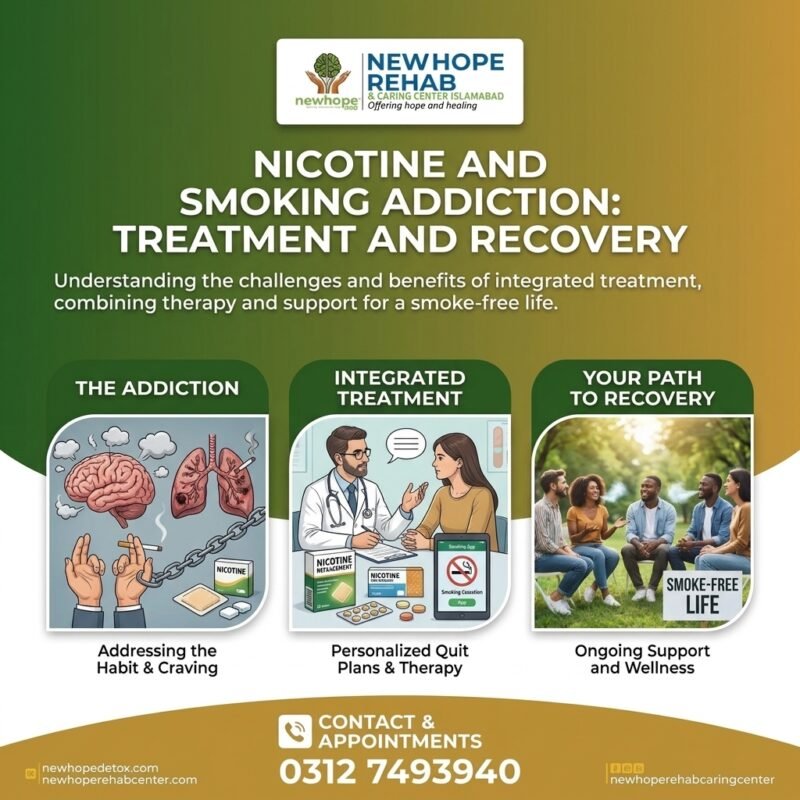
Smoking addiction is one of the most common forms of substance dependence worldwide. It mainly involves nicotine, a highly addictive chemical found in cigarettes, tobacco, and vaping products. While many people start smoking casually or socially, it can quickly become a habit that is difficult to quit. Over time, smoking addiction can affect physical health, mental well-being, and overall quality of life. For individuals seeking Smoking Addiction Treatment in Islamabad, Pakistan, understanding the risks and treatment options is an important first step toward recovery. At New Hope Rehab and Caring Centre Islamabad, smoking addiction treatment is offered with professional care, personalized support, and evidence-based strategies to help individuals break free from nicotine dependence. What Is Smoking Addiction? Smoking addiction develops when the body and mind become dependent on nicotine. Nicotine affects the brain by releasing dopamine, which creates temporary feelings of pleasure and relaxation. This effect often leads to repeated use and long-term dependency. Common sources of nicotine include: Cigarettes Cigars Shisha E-cigarettes Smokeless tobacco Over time, the brain begins to rely on nicotine, making it difficult to quit without support. Signs of Smoking Addiction Many people may not realize how dependent they have become until they try to stop. Common signs of smoking addiction include: Strong cravings for cigarettes Smoking soon after waking up Difficulty going without smoking Irritability when unable to smoke Increased smoking during stress Failed attempts to quit Restlessness or anxiety Dependence on smoking for emotional relief Recognizing these signs early can help in seeking proper treatment. Health Risks of Smoking Addiction Smoking can seriously affect both short-term and long-term health. Physical Health Risks Smoking increases the risk of: Lung disease Heart disease High blood pressure Respiratory infections Chronic cough Reduced immunity Stroke Cancer Mental Health Effects Smoking addiction can also affect emotional well-being, including: Increased anxiety Stress dependency Mood swings Irritability Depression symptoms Many people use smoking to manage stress, but it often worsens emotional dependence. Why Quitting Smoking Is Difficult Nicotine changes the brain’s reward system, making it difficult to stop. Withdrawal symptoms can create discomfort and strong cravings. Common nicotine withdrawal symptoms include: Anxiety Irritability Difficulty concentrating Restlessness Sleep disturbances Increased appetite Mood changes Strong cravings These symptoms can make quitting challenging without structured support. The Importance of Professional Smoking Addiction Treatment Seeking Smoking Addiction Treatment in Islamabad, Pakistan can provide guidance, support, and proven strategies for long-term recovery. Professional treatment can help individuals: Understand addiction triggers Manage cravings Reduce withdrawal discomfort Improve stress management Build healthier habits Prevent relapse At New Hope Rehab and Caring Centre Islamabad, treatment focuses on both physical dependence and behavioral patterns. Treatment Approaches for Smoking Addiction Behavioral Therapy Behavioral therapy helps individuals identify habits and emotional triggers linked to smoking. Cognitive Behavioral Therapy (CBT) CBT can help change negative thought patterns that contribute to smoking addiction. Relapse Prevention Planning Relapse prevention helps individuals prepare for cravings and high-risk situations. Stress Management Learning healthy ways to manage stress can reduce dependence on nicotine. Family Support Programs Family encouragement can improve motivation and strengthen recovery efforts. Benefits of Quitting Smoking Stopping smoking can improve health in many ways. Benefits include: Better breathing Improved heart health More energy Better sleep Reduced stress dependence Improved concentration Better sense of taste and smell Lower risk of serious diseases Recovery may take time, but the health benefits begin quickly. Long-Term Recovery and Support Quitting smoking is a journey that often requires ongoing effort and support. Long-term success can improve with: Regular counseling Healthy routines Exercise Emotional support Stress management techniques Avoiding smoking triggers At New Hope Rehab and Caring Centre Islamabad, continued support is an important part of the recovery process. Frequently Asked Questions (FAQs) 1. What causes smoking addiction? Smoking addiction is mainly caused by nicotine, which creates physical and psychological dependence. 2. Is smoking addiction treatable? Yes. Professional therapy, behavioral support, and relapse prevention can help individuals quit successfully. 3. How long do nicotine withdrawal symptoms last? Withdrawal symptoms vary but often begin within a few hours and may last for days or weeks. 4. Can smoking affect mental health? Yes. Smoking can increase stress dependency, anxiety, and mood instability. 5. Can family support help someone quit smoking? Yes. Family encouragement can improve motivation and provide emotional support during recovery. Conclusion Smoking addiction is a serious health concern that can affect both the body and mind. While quitting can be challenging, it is possible with the right support, treatment, and commitment. Seeking Smoking Addiction Treatment in Islamabad, Pakistan can provide individuals with the tools and guidance needed to overcome nicotine dependence and build a healthier life. At New Hope Rehab and Caring Centre Islamabad, smoking addiction treatment is focused on compassionate care, behavioral therapy, relapse prevention, and emotional support. With proper treatment and long-term commitment, individuals can move toward a smoke-free, healthier future.

Online Treatment Sessions – Online Treatment Sessions in Islamabad, Pakistan
Online Treatment Sessions

Online Treatment Sessions – Online Treatment Sessions in Islamabad, Pakistan

In today’s fast-moving digital world, access to healthcare has become easier through online treatment sessions. Mental health and addiction recovery support are no longer limited to physical visits. Individuals can now receive professional care, therapy, and counseling from the comfort of their homes. This has made treatment more accessible for people facing emotional challenges, addiction struggles, or personal difficulties. For those seeking Online Treatment Sessions in Islamabad, Pakistan, virtual therapy can provide a flexible and confidential option for support. At New Hope Rehab and Caring Centre Islamabad, online treatment sessions are designed to offer ethical, professional, and personalized care for mental health and addiction recovery. What Are Online Treatment Sessions? Online treatment sessions are therapy and counseling services delivered through secure digital platforms such as video calls, phone calls, or online communication tools. These sessions connect individuals with qualified therapists, counselors, and mental health professionals without requiring in-person visits. Online treatment can help with: Addiction recovery support Anxiety treatment Depression management Stress management Trauma counseling Family support programs Relapse prevention Emotional wellness This flexible approach makes treatment easier for many individuals. Benefits of Online Treatment Sessions Online treatment offers several advantages for people who may struggle to attend physical appointments. Easy Accessibility Individuals living in remote areas or those with busy schedules can access support more easily. Privacy and Confidentiality Many people feel more comfortable discussing personal issues in their own private environment. Flexible Scheduling Online therapy sessions can often be arranged around work, family, or other responsibilities. Reduced Travel Stress Virtual treatment removes transportation barriers and saves time. Consistent Support Regular sessions can continue even during travel, illness, or difficult circumstances. At New Hope Rehab and Caring Centre Islamabad, online treatment sessions are structured to maintain privacy and professional care. Who Can Benefit from Online Treatment?   Online treatment sessions can support many different individuals, including: People struggling with addiction Individuals with anxiety or depression Those dealing with stress or trauma Family members needing emotional guidance People in relapse recovery programs Individuals facing social anxiety This form of care can be effective for both short-term and long-term support. Online Addiction Treatment Support Addiction recovery often requires regular guidance, emotional support, and relapse prevention planning. Online sessions can help individuals stay connected to treatment while maintaining daily routines. Online addiction support may include: Counseling sessions Relapse prevention strategies Emotional support Trigger management Family therapy Behavioral therapy For those seeking addiction recovery, Online Treatment Sessions in Islamabad, Pakistan can offer valuable ongoing care. Online Mental Health Therapy Mental health conditions such as anxiety, depression, and stress can often be managed through online counseling. Anxiety Treatment Online therapy can help individuals understand anxiety triggers and develop healthier coping skills. Depression Support Regular sessions can provide emotional guidance and help improve mood and motivation. Stress Management Stress management therapy can help individuals build emotional resilience and improve daily functioning. At New Hope Rehab and Caring Centre Islamabad, mental health care can be adapted for online support when appropriate. How Online Treatment Sessions Work The process for online therapy is simple and structured. Initial Assessment The first session usually involves understanding the individual’s condition, concerns, and treatment goals. Personalized Treatment Plan A treatment plan is developed based on personal needs and challenges. Regular Therapy Sessions Scheduled sessions provide ongoing support, progress monitoring, and emotional guidance. Follow-Up and Relapse Prevention Ongoing follow-up helps maintain progress and strengthen recovery. Is Online Treatment Effective? Research and professional practice show that online therapy can be effective for many mental health and addiction-related concerns. Success often depends on: Consistency in attending sessions Honest communication Professional guidance Personal commitment Family support when needed While some severe cases may require in-person treatment, online support can still play an important role. Frequently Asked Questions (FAQs) 1. What are online treatment sessions? Online treatment sessions are therapy or counseling sessions provided through video calls, phone calls, or secure online platforms. 2. Can online treatment help with addiction? Yes. Online sessions can support addiction recovery through counseling, relapse prevention, and emotional guidance. 3. Is online therapy private? Yes. Professional online treatment sessions are designed to protect privacy and confidentiality. 4. Can online therapy treat anxiety and depression? Yes. Online therapy can be effective for managing anxiety, depression, and stress-related challenges. 5. How often should online sessions be attended? The frequency depends on individual needs, treatment goals, and professional recommendations. Conclusion Online treatment sessions have become an important part of modern mental health and addiction care. They provide flexibility, privacy, and easier access to professional support for individuals who may not be able to attend in-person sessions. Seeking Online Treatment Sessions in Islamabad, Pakistan can help individuals receive timely care while managing personal responsibilities. At New Hope Rehab and Caring Centre Islamabad, online treatment sessions are offered with compassion, professionalism, and ethical care. Through virtual counseling, addiction support, and mental health therapy, individuals can take meaningful steps toward healing, recovery, and emotional well-being.

Mental Health Treatment – Mental Health Treatment in Islamabad, Pakistan
Mental Health Issues in Pakistan

Mental Health Treatment – Mental Health Treatment in Islamabad, Pakistan

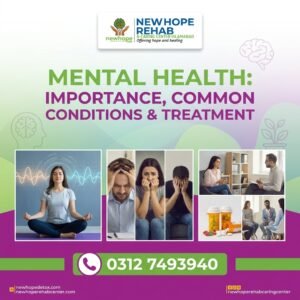
It also impacts people’s thoughts, emotions and behaviors in day-to-day situations. It affects relationships, work performance, emotional well-being and physical health negatively when mental health is disturbed. Anxiety, depression, trauma and stress-related disorders are increasingly being diagnosed across all age groups. If you are suffering from emotional or psychological challenges, then you should go for seeking mental health treatment in Islamabad, Pakistan. New Hope Rehab and Caring Centre Islamabad offer comprehensive mental health treatment in a safe environment with skilled professionals to provide care, compassion and evidence-based treatments for long-lasting recovery and emotional balance. Understanding Mental Health Treatment Mental health treatment is geared towards equipping individuals with tools and support that can help them to cope with emotional challenges and bring balance back into life. Treatment plans are created based on the persons disorder, symptoms, and personal needs. Treatment for mental health can aid in: Anxiety disorders Depression Stress-related disorders Trauma and PTSD Mood disorders Panic attacks Dual-diagnosis conditions Substance-induced mental health problems Early intervention frequently enhances recovery and mental well-being. All the signs that may point to you needing mental health treatment It is crucial to identify mental health challenges and seek assistance at the right time. Common symptoms include: Persistent sadness Excessive worry or fear Mood swings Disinterest in activities of daily living Difficulty sleeping Low energy Social withdrawal Difficulty concentrating Irritability Feelings of hopelessness When there are long periods of these symptoms, seeking professional help might be a good idea. Causes of Mental Health Challenges The roots of mental health conditions can be complex. Stressful Life Events Life changes, money issues, or the loss of a loved one can led to this kind of feeling. Trauma Mental stability may also be affected by past abuse or accident, or some type of emotional pain. Addiction Substance abuse is common with many depressed people, and it plays a key part in poor emotional well-being. Family History A genetic link may also exist for some mental health conditions. Lifestyle Factors Poor sleep, poor lifestyle choices, or lack of support can exacerbate emotional stress. Working to identify the causes of these behavioral shifts can help inform your treatment plans. Why You Should Go Through Professional Mental Health Treatment? Without treatment, mental health challenges can interfere with life in a fairly substantial way. It offers structured support and practical tools for healing. If this is the case, then looking for Mental Health Treatment in Islamabad, Pakistan can be advantageous. Improve emotional balance Manage anxiety and stress Build healthy coping skills Improve relationships Increase self-awareness Restore confidence Support long-term recovery New Hope Rehab and Caring Centre Islamabad provide customized treatment programs according to the individual acquiescence of each patient. Treatment Approaches for Mental Health Individual Counseling One-on-one counseling gives you a safe space to talk about your feelings, thoughts, and life struggles. Cognitive Behavioral Therapy (CBT) CBT is one of the best therapies for dealing with anxiety, depression, and stress. It assists with changing negative views of the world. Stress Management Therapy The treatment emphasizes relaxation techniques, emotional regulation, and coping strategies. Group Therapy Being in submission to a group brings people together; apart from sharing their experiences with each other, they disperse the feelings of isolation. Family Counseling Family support can strengthen emotional recovery, and improve communication at home. Mental Health and Addiction Co-occurring is a mental health & addiction. The patients also have depression, anxiety, trauma, or stress along with addiction. This is called dual-diagnosis. It is essential to address both conditions at the same time for improved outcomes. Integrated treatment plans meet addiction and mental work needs at the New Hope Rehab and Caring Centre Islamabad. Building Better Mental Health It requires time, commitment, and healthy daily habits to improve mental health. Helpful steps include: Getting enough sleep Eating a balanced diet Staying physically active Avoiding harmful substances Practicing relaxation techniques Talking openly about emotions Seeking professional help when needed These practices can enhance emotional resilience and sustain mental health over time. Frequently Asked Questions (FAQs) 1.     What is mental health treatment? Treatment for mental health includes therapy, counseling, and organized help to handle emotional and psychological difficulties. 2.     At what point should someone reach out for mental health assistance? Seek treatment if the emotional barriers are disrupting daily life, work or relationships. 3.     Article Rewrites Why is therapy useful for anxiety, depression? Yes. Individuals using CBT are commonly seeking therapy for anxiety, depression and stress. 4.     Can addiction affect mental health? Yes. Some contexts may exacerbate the mental state or lay the ground to manifestation of an emotional instability. 5.     Is it possible that the assistance of family members could help a person recover from mental health issues? Yes. Having family involved can help provide emotional support and promote healing. Conclusion Mental health can disrupt every facet of life, though with the right treatment recovery and stability are absolutely achievable. The Mental Health treatment in Islamabad, Pakistan empowers people feeling blue or struggling to live life fully. In Islamabad, the New Hope Rehabilitation and Caring Centre has followed ethical care, emotional healing & sympathy for mental health treatment. Therapy, counseling, stress management and family involvement are all viable ways to make progress toward balance for a stronger mind, better relationships and an active future.