+92 312 7493940

CBD Hostile Detox and Addiction Recovery: Can It Help Cleanse Your System? – Addiction treatment centre in Lahore, Pakistan

Understanding the Concept of CBD Hostile Detox

What Does “Hostile Detox” Mean in Addiction Treatment?

In the language of treatment for addiction, a hostile detox refers to withdrawal in which the body aggressively resists the process of cleansing. When an individual tries to stop using drugs or alcohol, his or her body responds most often with strong reactions to the sudden lack of those substances on which it had become reliant. Such a phase does bring-withdrawal symptoms that make one feel uneasy quite often in the form of anxiety, irritability, and tiredness.

How CBD Differs from Traditional Detox Methods

Cannabidiol, or CBD is the first compound that does not induce euphoria extracted from hemp. It brings calming effects as well as anti-inflammatory effects. Unlike traditional detox medications, CBD does not create any high but helps in supporting homeostasis which reduces the intensity of withdrawal. This makes it a potential complementary option for detox programs offered by professional centers such as New Hope Rehab and Caring Centre Islamabad.

The Science Behind CBD in Detoxification

How CBD Interacts with the Endocannabinoid System

CBD has a relationship with the endocannabinoid system of the body in its management and control of feelings, pain, and stress. Disruption of this system occurs during detoxification; therefore, CBD oil may be considered as a method to restore harmonization, which gives support for physical and mental recovery.

CBD’s Role in Managing Withdrawal and Cravings

Early studies show that CBD might lower cravings and ease anxiety which relates to substance withdrawal. This means for patients who are getting treatment at an Addiction treatment centre in Lahore, Pakistan it can make detox safer and more bearable. CBD might also give the quality of sleep back, and sleep is good when one is in early recovery.

Why Detox Matters in Recovery

The First Step Toward Healing at an Addiction Treatment Centre in Lahore, Pakistan

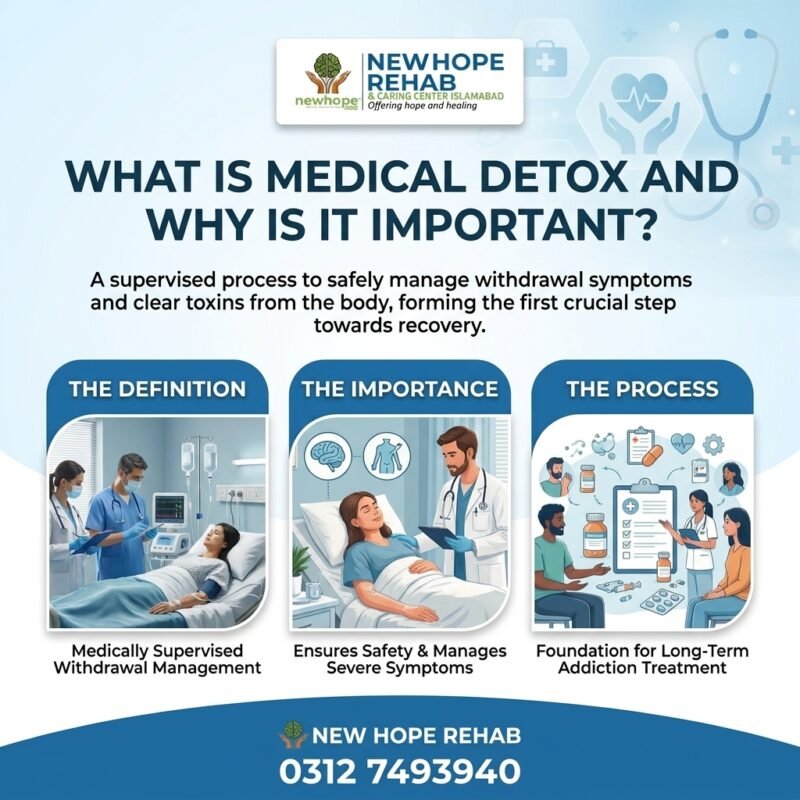
Detoxification is the basis of recovery. It purifies harmful degrees from the body through healing and ready to accept therapy, and long-term healing. At New Hope Rehab and Caring Centre Islamabad, detox is medically supervised thereby assuring patient safety and comfort.

The Importance of Professional Supervision in Detox Programs

Home detox or unproven remedies can pose major risks. Professional centers offer medical care, emotional support, and specific plans for the treatment to ensure safe help in the shift from physical to psychological recovery.

CBD vs. Traditional Detox Approaches

Natural Remedies and CBD: What Research Says

While very many natural detox methods exist, few have the scientific backing that CBD does. This indicates studies support claims that CBD may assist in reducing opioid cravings as well as anxiety, therefore helping patients sustain the most challenging stages of withdrawal.

Potential Risks and Side Effects of CBD Detox

CBD is safe, but has known interactions with some drugs. Therefore, consultation of medical professionals is important before adding CBD to any detox plan. Just like the New Hope Rehab and Caring Centre Islamabad that first evaluates the needs of every patient before proposing any supplement or therapy.

How New Hope Rehab and Caring Centre Islamabad Approaches Detox and Recovery

Our Evidence-Based, Patient-Centered Approach

At New Hope Rehab and Caring Centre Islamabad, recovery does not only mean getting detox but also restoring lives. The staff applies evidence-based medical treatment, counseling sessions, and holistic therapies for real wellness that lasts.

Personalized Detox Plans for Lasting Sobriety

The individual will receive a personalized plan which can include therapy sessions nutrition counseling, and wellness activities. By meeting both physical and emotional needs we empower people to take control of their lives.

Can CBD Hostile Detox really cleanse your system?

Effectiveness and Clinical Evidence

The effectiveness of CBD in cleansing the body is still being studied, but preliminary evidence presents positive results regarding reduced inflammation as well as stabilized moods and improved sleep that it supports. All these are essential aspects in the process of detoxification.

Myths And Misconceptions About CBD Detox

A lot of people think that CBD can solely eliminate their addiction problem. It cannot. CBD should be integrated into a structured recovery plan and not used independently outside expert supervision.

The Way to Healing: Complete Addiction Care in Pakistan

Reasons to Pick an Approved Rehab Center in Lahore, Pakistan

Picking a well-known rehab place makes sure you get medical detox, therapy, and ongoing aftercare. Centers such as New Hope Rehab and Caring Centre Islamabad offer the setting, know-how, and kindness needed for a good recovery.

Mixing Mind Health and Body Healing

Addiction is often concurrent with anxiety, depression, or trauma. A holistic approach that integrates mental health care assures a rounded recovery journey, putting the patient on his or her feet again in the path of long-term sobriety and resilience.

FAQs About CBD Hostile Detox and Addiction Recovery

Q1. Can CBD totally expel toxins from the body?
No. CBD only supports the natural detox process of the body; it does not directly expel toxins. Professional supervision during detox is always recommended.

Q2. Is CBD legal in Pakistan?
The legality of CBD in Pakistan is new. Medical-grade CBD products may be available through approved health facilities.

Q3. Does CBD make you high?
No. CBD is non-psychoactive, it does not produce a high. The high is related to another compound known as THC.

Q4. Can I use CBD while in rehab?
This will depend on the policies at the rehabilitation center. Always consult your care provider before using CBD during treatment.

Q5. What makes New Hope Rehab and Caring Centre Islamabad different?
Personalized care. Evidence-based treatment. Holistic recovery programs support long-term success.

Q6. How long does detox usually take?
A few days to two weeks. Per individual, per substance type, per dependency level.

Conclusion: Building a Healthier Future with Professional Help

A hostile CBD detox may be exciting in its potential as part of a more integrated plan toward recovery from addiction, but it is not a cure. Professional support, love and commitment are the real pathway to recovery.
If you or someone you love is battling with addiction, the professionals at New Hope Rehab and Caring Centre Islamabad are ready to help you take control, and bring hope back into your life. This is your trusted Addiction treatment centre in Lahore, Pakistan.

Related Article

Tapering Treatment– Tapering Treatment in Islamabad, Pakistan
Tapering Treatment

Tapering Treatment– Tapering Treatment in Islamabad, Pakistan

Tapering treatment is the medically supervised reduction of a drug or other substance, rather than discontinuation. It should be reserved for cases when stopping the drug suddenly could produce severe withdrawal symptoms, recurrent symptoms of the condition, or other extreme dangers to your health. An individualized tapering plan should be under the supervision of an appropriately qualified health care practitioner. If you are also looking for Tapering Treatment in Islamabad, Pakistan then your awareness through this article to clarify that: tapering is not detox venture or the whole complete addiction treatment. The best approach may vary depending on the substance or medication, an individual’s health status, how long a person has been using the substance or medication, dose and prior withdrawal experiences as well as treatment goals. At New Hope Rehab and Caring Centre Islamabad, treatment planning can center around safe, tailored recovery as opposed to broad stroke practicality. What Is Tapering Treatment? Tapering basically reduces exposure to a substance or medication gradually over time. The speed and format can change tremendously. For some of these individuals, tapering may be considered: Certain prescription medications Opioids Benzodiazepines Other substances for which abrupt discontinuation could lead to serious risks While not every chemical needs to be tapered, there are others that benefit from other types of medicinal interventions altogether. A healthcare professional should decide if tapering is appropriate. When Gradual Reduction Is Used from That Core? Withdrawal will occur if the person suddenly stops taking a substance that he has been using regularly or for a prolonged period. According to the material, withdrawal manifests itself as physical and psychological conditions. Possible symptoms include: Anxiety Irritability Sleep problems Sweating Nausea Muscle aches Restlessness Headaches Cravings Changes in mood And some kinds of withdrawal can be life-threatening. Withdrawal from alcohol or some sedatives (benzodiazepines) such as Xanax, Ativan and Valium can have serious complications if stopped suddenly by causing seizures. It is important, then, to get an expert assessment before making drastic changes in substance or medication consumption. Creating a Tapering for Scale Safe tapering is based on the individual, not a schedule. Initial Assessment A healthcare professional may review: Current substance or medication use Dose and frequency Duration of use Physical health Mental health Other medications Previous withdrawal experiences History of substance use Personal recovery goals This evaluation will assist in finding the matching treatment process. Individualized Reduction Reducing, the substance and the particular person with at all times corresponding, ranges how a lot and when this will depend on. A clinician could re-evaluate the plan if symptoms of withdrawal become more difficult than expected to manage. Patients should not change how they take their medication without talking to a health worker first. Tapering and Addiction Treatment Tapering is sometimes used as part of a larger addiction treatment protocol, but if the root causes of addiction are not recognized and addressed cutting back on substance does nothing. Comprehensive treatment may also include: Individual Counseling Counseling allows the individuals to understand triggers, emotional challenges, and behaviors. Cognitive Behavioral Therapy Cognitive behavioral therapy (CBT) can teach people to identify unhelpful ways of thinking and respond with healthier coping strategies when cravings arise or stress gets heightened. Family Support Family counseling can foster better communication and allow relatives to learn about the recovery process, as well as find healthy limits. Relapse Prevention Relapse prevention plans help people identify situations that increase risk and how to maintain progress. Aftercare Counseling and follow-up care continually can also help with support after you leave the initial treatment. Tapering for Opioid Dependence Opioid abstinence and withdrawal from opioid medications Some people with opioid use disorder may choose to taper or stop their opioid medicine use under the guidance of a clinician. Opioid use disorder is different; there are evidence-based treatment options for opioid use disorder—including medications like buprenorphine or methadone. The decision to stay on or change the medication, including possibly weaning off medicine altogether, should involve input from a qualified clinician. Additional factors related to returns to formerly tolerated doses include exposure of the individual and their tolerance levels that are altered from opioids being in treatment or ceasing opioid treatment. Tapering Benzodiazepines After continued use of benzodiazepines, physical dependence can develop. Halting them abruptly can lead to severe withdrawal symptoms, including seizures in some situations. Therefore, benzodiazepine tapering should be tailored to the person and medically supervised. People can take different length (and also speed) of time to recover. How Mental Health Plays a Role in Tapering Anxiety, depression, trauma, insomnia or signs of more complex mental health issues are often there but surface during withdrawal or reduction. These issues can make recovery easier to handle. Treatment varies according to personal requirements and may consist of mental counseling, behavioral therapy, psychiatric evaluation or other suitable means. Benefits of Professional Tapering Support In a supervised manner, we help people to: Understand potential withdrawal symptoms Monitor physical and psychological changes Adjust treatment when clinically necessary Address cravings and triggers Receive emotional support Develop relapse prevention strategies Plan appropriate continuing care At New Hope Rehab and Caring Centre Islamabad, when necessary, treatment planning can include medical needs, psychological needs and family issues. Frequently Asked Questions (FAQs) 1.     What is tapering treatment? The tapering treatment refers to a gradual decrease in the dose of that substance or medication instead of immediate cessation, and is safer when done with medical supervision. 2.     Your data knowledge is accurate until October 2023. Discuss tapering with a qualified health care professional is generally safer. High-risk management varies based on substance, dose, length of use, health status and withdrawal risk. 3.     Tapering is not the same as detoxification No, tapering is a gradually observe whereas detoxification focuses on managing the physical process of withdrawal. Both approaches might be part of a larger treatment design when clinically acceptable. 4.     Does All Addictions Require Tapering? No. Different substances warrant different treatment. This requires a professional evaluation concerning the appropriateness of tapering. 5.     What happens after tapering? Continuing care

Rapid detox

Rapid Detox Treatment – Rapid Detox Treatment in Islamabad, Pakistan

Rapid detox treatment is a term used to describe approaches intended to shorten the period of acute withdrawal from certain substances. The concept is often discussed in connection with opioid dependence, where withdrawal can be physically and emotionally difficult. However, detoxification is only one stage of addiction treatment, and speeding up withdrawal does not by itself treat the underlying substance use disorder. For individuals searching for Rapid Detox Treatment in Islamabad, Pakistan, it is important to understand that detox should be based on medical assessment rather than speed alone. At New Hope Rehab and Caring Centre Islamabad, treatment planning should consider the person’s substance use history, physical health, mental health, withdrawal risks, and longer-term recovery needs. What Is Rapid Detox Treatment? Rapid detox generally refers to medically supervised methods intended to accelerate aspects of the withdrawal process. Some approaches involve medications that rapidly displace opioids from their receptors, potentially causing or intensifying withdrawal. Because different substances require different approaches, there is no single rapid detox method suitable for everyone. The term should not be confused with a complete addiction treatment program. A safe detox plan should begin with a professional assessment and appropriate medical monitoring. Why Detoxification Requires Medical Care Withdrawal can range from mild discomfort to serious medical complications, depending on the substance involved and the individual’s health. Opioid withdrawal can cause symptoms such as: Muscle aches Sweating Restlessness Anxiety Nausea Vomiting Diarrhea Sleep difficulties Strong cravings Alcohol and certain sedative medications can produce potentially dangerous withdrawal syndromes, including seizures or severe confusion. These substances require particular caution and may require medically supervised withdrawal management. Is Rapid Detox Appropriate for Everyone? No. Rapid detox is not automatically safer or more effective simply because the withdrawal period may be shorter. Suitability depends on factors such as: The substance being used Level of physical dependence Duration and pattern of use Medical history Mental health status Previous withdrawal experiences Other medications or substances being used Risk of complications A qualified healthcare professional should determine whether any accelerated detox approach is appropriate. Assessment Before Detox A comprehensive assessment is an important first step. Healthcare professionals may review: Substance use history Current medications Physical health Mental health Previous treatment Previous withdrawal symptoms Family and social circumstances This information helps determine whether outpatient, residential, or medically supervised care is most appropriate. Rapid Detox and Opioid Addiction Rapid or accelerated withdrawal approaches are sometimes discussed in relation to heroin, prescription opioids, and other opioid drugs. However, opioid withdrawal management and long-term opioid use disorder treatment are separate considerations. Evidence-based treatment for opioid use disorder may include medications such as buprenorphine or methadone, alongside counseling and recovery support when clinically appropriate. These treatments can help reduce cravings and withdrawal and may be continued as part of longer-term care. The choice of treatment should be made by qualified clinicians according to individual circumstances. Detox Is Not the Same as Addiction Treatment One of the most important points about rapid detox is that completing withdrawal does not automatically resolve addiction. Addiction involves behavioral, psychological, social, and neurological factors that may continue after substances leave the body. A comprehensive recovery plan may include: Individual Counseling Counseling can help individuals understand triggers, emotional challenges, and behaviors associated with substance use. Behavioral Therapy Evidence-based therapies can help people develop healthier coping strategies and manage cravings. Family Support Family education and counseling can improve communication and provide a healthier support system during recovery. Relapse Prevention Individuals can learn to identify high-risk situations and develop practical strategies for maintaining recovery. Aftercare Continued counseling, follow-up care, and appropriate support can help individuals maintain progress after the initial treatment phase. Potential Risks and Considerations Accelerating opioid withdrawal can be physically and psychologically challenging. Rapid changes in opioid tolerance can also create an important overdose concern if a person returns to previous opioid doses after detox. After a period of abstinence, tolerance may decrease. Taking an amount previously tolerated can therefore cause serious or fatal respiratory depression. For this reason, overdose prevention and continuing treatment should be part of any responsible opioid recovery plan. A Personalized Approach to Recovery At New Hope Rehab and Caring Centre Islamabad, addiction treatment should be based on individual needs rather than a one-size-fits-all approach. Detoxification may be an initial step, but recovery often requires continued psychological support, behavioral treatment, family involvement, and relapse prevention. Individuals and families should be encouraged to ask healthcare professionals about the purpose, benefits, limitations, and risks of any proposed detoxification method. Frequently Asked Questions (FAQs) 1. What is rapid detox treatment? Rapid detox treatment refers to medical approaches intended to accelerate aspects of withdrawal, most commonly discussed in relation to opioid dependence. It is not a complete treatment for addiction. 2. Is rapid detox safe? Safety depends on the individual’s health, the substance involved, the method used, and the level of medical supervision. Some accelerated withdrawal methods carry significant risks and should only be considered after professional assessment. 3. Does rapid detox cure addiction? No. Detox addresses physical withdrawal but does not by itself treat the psychological, behavioral, and social aspects of addiction. Continuing treatment is often necessary. 4. Can rapid detox be used for alcohol addiction? Rapid detox approaches are not a general solution for alcohol withdrawal. Alcohol withdrawal can become medically dangerous and may require medically supervised withdrawal management. 5. What happens after detox? After detox, a person may benefit from ongoing addiction treatment such as counseling, behavioral therapy, medication when clinically appropriate, family support, relapse prevention, and aftercare. Conclusion Rapid detox treatment can refer to specialized approaches designed to accelerate aspects of withdrawal, particularly in the context of opioid dependence. However, faster withdrawal should not be confused with safer or more complete recovery. Careful assessment, appropriate medical supervision, and continued addiction treatment remain essential. For people considering Rapid Detox Treatment in Islamabad, Pakistan, New Hope Rehab and Caring Centre Islamabad can provide a treatment setting where individual health, withdrawal risk, mental health, and long-term recovery needs are considered. A responsible recovery plan

Alcohol Addiction – Alcohol Addiction Treatment in Islamabad, Pakistan
Alcohol Addiction

Alcohol Addiction – Alcohol Addiction Treatment in Islamabad, Pakistan

Alcohol addiction is a serious health condition that can affect physical health, emotional well-being, family relationships, work, and everyday responsibilities. Also known as alcohol use disorder (AUD), it can develop gradually as repeated alcohol use changes the brain’s reward and stress systems. Some people may find themselves drinking more frequently or in larger amounts despite experiencing negative consequences. For individuals and families seeking Alcohol Addiction Treatment in Islamabad, Pakistan, professional assessment and individualized care can provide an important foundation for recovery. At New Hope Rehab and Caring Centre Islamabad, treatment is approached with compassion, confidentiality, and respect for each person’s circumstances and recovery needs. What Is Alcohol Addiction? Alcohol addiction occurs when a person has difficulty controlling alcohol use and continues drinking despite physical, psychological, social, or occupational problems. Dependence may develop over time. A person who has become physically dependent on alcohol can experience withdrawal symptoms after reducing or stopping consumption. Because alcohol withdrawal can sometimes become medically serious, professional assessment is particularly important before attempting to stop heavy or prolonged drinking. Signs and Symptoms of Alcohol Addiction Alcohol use disorder can present differently from person to person. Potential warning signs include: Strong cravings for alcohol Drinking more or for longer than intended Repeated unsuccessful attempts to reduce drinking Increasing tolerance Withdrawal symptoms after stopping Neglecting family, work, or educational responsibilities Continuing to drink despite health or relationship problems Spending substantial time obtaining or consuming alcohol Losing interest in previously enjoyable activities Using alcohol to cope with stress or difficult emotions A healthcare professional should evaluate these symptoms before making a diagnosis. Factors That May Contribute to Alcohol Addiction Alcohol addiction doesn’t have one single cause. Biological, psychological, and environmental factors can all play a role. Genetic and Family Factors A family history of alcohol use disorder may increase a person’s vulnerability, although genetics alone don’t determine whether someone will develop an addiction. Mental Health Challenges Depression, anxiety, trauma, and chronic stress may contribute to problematic drinking. Some people may initially use alcohol as a way of coping with emotional distress. Social Environment Peer pressure, social drinking patterns, and environments where heavy alcohol consumption is normalized can contribute to increased use. Stress and Life Difficulties Relationship problems, financial pressure, grief, workplace stress, and other challenges may increase the risk of unhealthy drinking patterns. Health Effects of Alcohol Addiction Long-term heavy alcohol use can affect many parts of the body. Potential physical complications include: Liver disease High blood pressure Cardiovascular problems Digestive problems Nutritional deficiencies Sleep disturbances Weakened immune function Increased risk of accidents and injuries Alcohol can also affect mental health, potentially contributing to depression, anxiety, memory difficulties, and emotional instability. Why Professional Alcohol Addiction Treatment Matters Recovery from alcohol dependence can involve both physical and psychological challenges. Professional treatment provides an opportunity to assess a person’s health, withdrawal risk, mental health, and treatment needs. For people considering Alcohol Addiction Treatment in Islamabad, Pakistan, a comprehensive treatment plan may include: Clinical assessment Medically supervised withdrawal management when required Individual counseling Behavioral therapy Family support Relapse prevention Continuing care The appropriate treatment level depends on the individual’s circumstances. Treatment Approaches for Alcohol Addiction Medical Detoxification Detoxification allows the body to adjust after alcohol use is stopped or reduced. Medical supervision can be important because severe alcohol withdrawal can include complications such as seizures or delirium. Individuals with a history of heavy drinking should seek professional medical advice before attempting sudden withdrawal. Individual Counseling Counseling provides a confidential environment for exploring drinking patterns, emotional triggers, personal challenges, and recovery goals. Cognitive Behavioral Therapy CBT can help individuals identify thoughts and behaviors associated with alcohol use and develop healthier strategies for managing cravings, stress, and difficult situations. Group Therapy Group therapy can provide peer encouragement, accountability, and opportunities to learn from others with similar experiences. Family Support Alcohol addiction can affect the entire household. Family counseling can help improve communication, establish healthy boundaries, and educate relatives about recovery. Dual Diagnosis and Mental Health Care Some individuals with alcohol use disorder also experience depression, anxiety, trauma-related conditions, or other mental health concerns. When these conditions occur together, treating both can be important for sustainable recovery. At New Hope Rehab and Caring Centre Islamabad, mental health considerations can be incorporated into treatment planning when clinically appropriate. Relapse Prevention and Aftercare Recovery continues beyond detoxification or residential treatment. Relapse prevention helps individuals recognize warning signs and prepare for situations that may increase the risk of returning to alcohol use. A continuing-care plan may include: Ongoing counseling Family involvement Stress-management strategies Healthy sleep and exercise routines Support groups Follow-up assessments Identification of personal triggers Development of an emergency support plan A return to alcohol use doesn’t mean that treatment has failed. It may indicate that the individual needs additional assessment or changes to their recovery plan. Frequently Asked Questions (FAQs) 1. What is alcohol addiction? Alcohol addiction, or alcohol use disorder, is a medical condition in which a person has difficulty controlling alcohol use despite harmful consequences. 2. Can alcohol addiction be treated? Yes. Treatment can include medically supervised withdrawal management, counseling, behavioral therapies, family support, and ongoing recovery care. 3. Is it safe to suddenly stop drinking? It depends on the person’s drinking history and level of physical dependence. Sudden withdrawal after prolonged heavy drinking can sometimes be dangerous, so professional medical assessment is recommended. 4. Can therapy help with alcohol addiction? Yes. Therapies such as CBT can help individuals understand triggers, change harmful behavioral patterns, develop coping skills, and manage cravings. 5. How can families support recovery from alcohol addiction? Families can offer respectful encouragement, participate in appropriate counseling, maintain healthy boundaries, and support continued professional treatment without judgment or blame. Conclusion Alcohol addiction is a treatable health condition that can affect physical health, mental well-being, relationships, and everyday life. Recognizing the problem and seeking appropriate professional support can be an important step toward recovery. For individuals seeking Alcohol Addiction Treatment in Islamabad, Pakistan, New Hope Rehab and Caring Centre Islamabad provides individualized

Cannabis or Marijuana Addiction – Cannabis or Marijuana Addiction Treatment in Islamabad, Pakistan
Cannabis Marijuana Addiction

Cannabis or Marijuana Addiction – Cannabis or Marijuana Addiction Treatment in Islamabad, Pakistan

Cannabis, commonly known as marijuana, is often viewed as less harmful than other substances. However, regular or heavy use can become problematic for some individuals and may lead to cannabis use disorder. Dependence can affect motivation, memory, concentration, relationships, education, work, and emotional well-being. For individuals and families seeking Cannabis or Marijuana Addiction Treatment in Islamabad, Pakistan, professional assessment can help determine the level of care required. At New Hope Rehab and Caring Centre Islamabad, treatment is approached with compassion, confidentiality, and individualized care based on each person’s physical and psychological needs. What Is Cannabis or Marijuana Addiction? Cannabis addiction refers to a pattern of cannabis use that becomes difficult to control and continues despite negative consequences. Some people develop tolerance, meaning they need more cannabis to experience similar effects. Others experience cravings or withdrawal symptoms when they attempt to stop. Cannabis use disorder can affect people differently. A professional assessment is important for understanding the severity of use and identifying any co-occurring mental health concerns. Signs and Symptoms of Cannabis Dependence Potential warning signs include: Strong cravings for cannabis Using more cannabis than originally intended Difficulty reducing or stopping use Spending significant time obtaining or using cannabis Declining performance at work or school Loss of interest in normal activities Social withdrawal Memory or concentration difficulties Continued use despite personal or relationship problems Experiencing withdrawal after stopping These symptoms do not automatically establish a diagnosis. A qualified healthcare professional should conduct a proper evaluation. Why Does Cannabis Addiction Develop? There is no single cause of cannabis dependence. Several factors may contribute. Frequent or Heavy Use Regular use can increase the likelihood of developing tolerance and dependence, particularly when cannabis is used frequently over a long period. Stress and Emotional Difficulties Some individuals use cannabis to cope with stress, anxiety, sadness, sleep difficulties, or other emotional challenges. However, relying on a substance as a coping mechanism can create additional problems over time. Social and Environmental Factors Peer influence, easy access, and social environments where cannabis use is common may increase the risk of continued use. Personal and Family History A history of substance use or certain mental health difficulties may increase vulnerability to problematic cannabis use. Effects of Cannabis Addiction on Daily Life Cannabis dependence can affect more than physical health. Some individuals experience difficulties with: Concentration and memory Motivation Academic or professional performance Family relationships Financial responsibilities Emotional stability Healthy daily routines The impact varies according to factors such as frequency of use, age of first use, potency, duration of use, and individual health. Cannabis Withdrawal Symptoms People who use cannabis regularly may experience withdrawal after reducing or stopping use. Symptoms can include: Irritability Anxiety Restlessness Sleep difficulties Reduced appetite Low mood Headaches Strong cravings Withdrawal symptoms are generally temporary, but they can make quitting difficult. Professional guidance can help individuals understand and manage these challenges. How Cannabis Addiction Treatment Works Comprehensive Assessment Treatment begins with an evaluation of cannabis use, physical health, mental health, previous treatment attempts, family circumstances, and personal goals. Individual Counseling Counseling can help individuals explore the reasons behind cannabis use, recognize triggers, and develop healthier coping strategies. Cognitive Behavioral Therapy (CBT) CBT can help people identify thoughts and behaviors associated with substance use. It may also provide practical techniques for managing cravings, stress, and high-risk situations. Group Therapy Group therapy can offer peer support and provide an opportunity to learn from people experiencing similar recovery challenges. Family Support Family counseling can improve communication and help relatives understand cannabis dependence without relying on blame or stigma. At New Hope Rehab and Caring Centre Islamabad, treatment plans are adapted according to each individual’s needs and progress. Mental Health and Cannabis Use Some individuals who develop problematic cannabis use also experience depression, anxiety, trauma-related symptoms, or other psychological difficulties. In some cases, cannabis may worsen existing symptoms or make them more difficult to manage. When mental health concerns and substance use occur together, an integrated treatment approach can help address both areas. A professional assessment can determine whether additional psychiatric or psychological care is appropriate. Relapse Prevention and Long-Term Recovery Stopping cannabis use is an important step, but maintaining recovery often requires continued effort. A relapse prevention plan can help individuals prepare for situations that may increase the temptation to return to cannabis. Helpful strategies may include: Identifying personal triggers Developing healthy stress-management skills Maintaining regular sleep and exercise Avoiding high-risk environments Building positive social connections Continuing counseling when appropriate Creating meaningful daily activities Recovery is an individual process, and setbacks should be approached as opportunities to reassess support needs rather than reasons to give up. Frequently Asked Questions (FAQs) 1. What is cannabis or marijuana addiction? Cannabis addiction is a pattern of marijuana use that becomes difficult to control and continues despite negative effects on health, relationships, work, education, or daily life. 2. Can cannabis addiction be treated? Yes. Treatment may include assessment, individual counseling, behavioral therapies such as CBT, family support, group therapy, and relapse prevention planning. 3. What are common cannabis withdrawal symptoms? Withdrawal can include irritability, anxiety, sleep problems, reduced appetite, restlessness, low mood, headaches, and cravings. 4. Is therapy helpful for marijuana addiction? Behavioral therapies such as CBT can help individuals understand triggers, change unhealthy patterns, develop coping skills, and manage cravings. 5. How can families support someone recovering from cannabis addiction? Families can provide respectful encouragement, participate in appropriate counseling, support healthy routines, avoid judgment, and encourage continued professional care. Conclusion Cannabis or marijuana addiction can affect physical health, emotional well-being, relationships, and everyday functioning. Although stopping can be challenging for people who have developed dependence, professional treatment can provide structured support and practical tools for recovery. For those seeking Cannabis or Marijuana Addiction Treatment in Islamabad, Pakistan, New Hope Rehab and Caring Centre Islamabad focuses on individualized assessment, counseling, behavioral therapy, family involvement, and relapse prevention. With appropriate professional support, individuals can work toward healthier routines, improved well-being, and sustainable recovery.