Effective Therapies for Overcoming Food Addiction

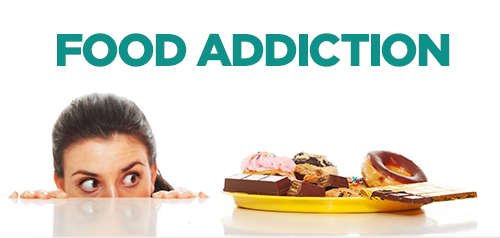
Food addiction is a complex condition that can significantly affect a person’s physical health, emotional well-being, and overall quality of life. At New Hope Rehab and Caring Center Islamabad, we understand that food addiction is not simply about overeating—it’s often linked to deep-rooted psychological, emotional, and behavioral patterns. With the right therapeutic approaches, individuals can break free from compulsive eating and develop a healthy relationship with food.

In this blog, we explore the most effective therapies for overcoming food addiction, based on the latest research and treatment trends.

Understanding Food Addiction

Food addiction is characterized by an uncontrollable craving for certain foods—often high in sugar, fat, and salt—despite negative consequences. It can lead to obesity, diabetes, heart problems, and mental health issues like anxiety and depression. Much like substance abuse, food addiction activates the brain’s reward system, making recovery challenging without professional intervention.

1. Cognitive Behavioral Therapy (CBT)

Cognitive Behavioral Therapy is one of the most effective treatments for food addiction. It focuses on identifying and changing negative thought patterns and behaviors that trigger overeating.

CBT helps individuals:

  • Recognize emotional and environmental triggers.

  • Develop healthier coping strategies.

  • Break the cycle of guilt and shame associated with binge eating.

At New Hope Rehab and Caring Center Islamabad, our trained therapists guide clients through practical CBT exercises to promote long-term recovery and prevent relapse.

2. Nutritional Counseling and Meal Planning

Recovery from food addiction isn’t just about avoiding certain foods—it’s about creating a sustainable, healthy eating plan. Nutritional counseling plays a vital role in helping individuals understand the impact of food choices on physical and mental health.

Benefits of nutritional therapy include:

  • Balanced meal planning to prevent cravings.

  • Education on nutrient-dense foods.

  • Awareness of portion control and mindful eating.

Our center collaborates with certified nutritionists to design personalized meal plans that support recovery and restore a balanced relationship with food.

3. Mindfulness-Based Eating Awareness Training (MB-EAT)

Mindfulness therapy is gaining popularity as a holistic approach to overcoming food addiction. MB-EAT teaches individuals to pay close attention to hunger cues, taste, and satisfaction levels, reducing the urge to overeat.

Key elements include:

  • Eating slowly and savoring each bite.

  • Identifying emotional versus physical hunger.

  • Learning to stop eating when full.

This method not only helps in controlling binge eating but also promotes a peaceful and enjoyable eating experience.

4. Group Therapy and Support Systems

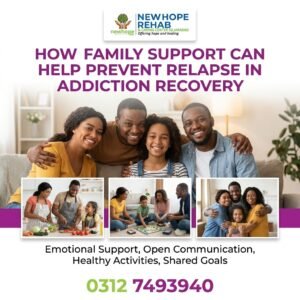
Recovery from any addiction is more effective when there is a strong support network. Group therapy provides a safe space where individuals can share experiences, challenges, and successes.

Advantages of group therapy for food addiction:

  • Reduces feelings of isolation.

  • Encourages accountability.

  • Provides motivation through shared success stories.

At New Hope Rehab, our food addiction support groups are guided by experienced counselors who foster a judgment-free environment where clients feel understood and supported.

5. Addressing Co-Occurring Disorders

Many individuals struggling with food addiction also face mental health challenges such as depression, anxiety, or trauma. Treating these co-occurring disorders is essential for lasting recovery.

Our integrated treatment programs include:

  • Psychotherapy for emotional healing.

  • Stress management techniques to reduce triggers.

  • Medication management when necessary.

By addressing both the addiction and underlying mental health issues, we ensure a holistic path to wellness.

6. Exercise and Physical Wellness Programs

Physical activity is a powerful tool for managing food addiction. Exercise not only burns calories but also releases endorphins, improving mood and reducing stress—a common trigger for overeating.

Our wellness programs include:

  • Yoga for stress relief and mindfulness.

  • Light strength training for improved metabolism.

  • Outdoor activities to encourage healthy lifestyle habits.

By combining fitness therapy with counseling, clients build confidence and develop a positive body image.

7. Holistic and Alternative Therapies

In addition to traditional therapies, many people benefit from alternative healing methods that address the mind-body connection.

Popular holistic approaches include:

  • Art therapy to express emotions creatively.

  • Meditation for emotional balance.

  • Acupuncture for stress relief and craving reduction.

These therapies help individuals reconnect with themselves, making recovery more sustainable.

8. Relapse Prevention Strategies

Relapse is a common concern in food addiction recovery. At New Hope Rehab, we provide clients with personalized relapse prevention plans to maintain progress after treatment.

Our strategies include:

  • Recognizing early warning signs.

  • Maintaining a food and mood journal.

  • Establishing healthy routines and self-care practices.

Ongoing follow-up sessions ensure clients feel supported long after completing the program.

Why Choose New Hope Rehab and Caring Center Islamabad?

At New Hope Rehab and Caring Center Islamabad, we combine evidence-based therapies with compassionate care to help individuals overcome food addiction. Our team of psychologists, nutritionists, and wellness experts work together to design personalized treatment plans that address each client’s unique needs.

We believe in treating the whole person—not just the symptoms—so recovery is deep, lasting, and life-changing. With our professional food addiction treatment programs, clients learn to live healthier, happier, and more fulfilling lives.

Final Thoughts

Overcoming food addiction requires patience, commitment, and professional guidance. Whether through Cognitive Behavioral Therapy, mindfulness-based eating, group support, or nutritional counseling, the right combination of therapies can transform your relationship with food.

If you or someone you know is struggling, remember that recovery is possible. With expert care, emotional support, and proven treatment methods, a healthy, balanced life is within reach.

Related Article

Cannabis or Marijuana Addiction – Drug Addiction Treatment Center In Islamabad Pakistan
Cannabis Addiction

Cannabis or Marijuana Addiction – Drug Addiction Treatment Center In Islamabad Pakistan

Cannabis, or marijuana, is the most widely used drug globally. Some people keep it for themselves, some use it very little but if used a lot or prolonged it causes dependency and addiction. This is where cannabis use disorder can affect a person’s mental health, functioning in their life and quality of life. For those with this condition, professional treatment and systematic support can be vital to the recovery process. A system of organized care for people who use drugs exists (in Pakistan) in Islamabad, through New Hope Rehab and Caring Centre — a center professionally structured and trained to deal specifically with substance use disorders. Significantly, sustainable and effective care is usually required in the Rehabilitation Centre in Islamabad Pakistan by many families struggling with substance abuse because awareness grows that addiction treatment works. This article explains cannabis or marijuana addiction, the effect it has on you, a few warning signs to look out for and how rehab programs can aid you if you’re after recovery. Understanding Cannabis or Marijuana Addiction Cannabis use disorder — when a person becomes psychologically or physically dependent on marijuana. THC (tetrahydrocannabinol), the primary psychoactive ingredient in cannabis, affects a part of the brain known as the reward system and alters mood, perception and behavior. Many people believe that marijuana is harmless, but regular or heavy use can lead to addiction. Over time, people may require higher dosages to feel similar effects, increasing the risk of addiction and other mental health issues. Cannabis rehabilitation center Islamabad Pakistan When is the cannabis use becoming a problem starts with the people who get to education about cannabis. Signs and Symptoms of Cannabis Addiction Recognizing the difference early and learning cannabis addiction signs can prepare individuals for seeking help before things progress. Behavioral Symptoms Regular cannabis use despite negative outcome Tried to quit or cut back on marijuana repeatedly, with little success Spending a significant portion of your time obtaining or using cannabis Here is a compilation of some symptoms and signs that you may have a gambling problem and/or addiction: Distancing from family or friends Psychological Symptoms Anxiety or Agitation When Not Using Cannabis Mood swings and emotional instability Reduced motivation or concentration Memory and cognitive difficulties Physical Symptoms Changes in appetite Sleep disturbances Fatigue or lack of energy Headaches or mild withdrawal symptoms Otherwise, there is a way out through professional guidance from an Addiction Rehabilitation center in Islamabad Pakistan that can help individuals to identify and also overcome the psychological as well as behavioral problems associated with such addiction. Effects of Chronic Use of Marijuana on Health While some consider cannabis a softer drug, long-term use can cause several health issues. 1.     Mental Health Challenges Heavy cannabis use has been associated with anxiety, depression and mood disorders. Unable to handle it: In certain cases overeating can exacerbate problems for individuals already fighting mental illnesses. 2.     Cognitive and Memory Issues Heavy marijuana use can impair attention, learning and short-term memory. These cognitive changes can affect academic performance, work productivity.” 3.     Impact on Motivation and Lifestyle Others claim that the prolonged use of cannabis made them less motivated and inclined to work. Some of us may struggle with this and find it hard to maintain our habits or be motivated to reach out about personal goals. New Hope Rehab and Caring Centre Islamabad treatment programs counter these issues with professional therapy, psychological support and lifestyle guidance. 4.     Why Professional Rehabilitation is Important And addiction is an emotional — a behavioral, a psychological — disease. For many, it can be difficult to attempt cessation of recreational drug use without professional aid. How do rehabilitation services help? Rehabilitation services provide supportive care that helps people: Grasp the underlying reasons behind an addiction Develop healthy coping strategies Improve mental and emotional well-being Build a supportive recovery environment A leading Addiction Rehabilitation center in Islamabad Pakistan offers its services for the overall treatment of substance use and mental health issues. Treatment Approaches for Cannabis Addiction Treatment programs that tend to work best also combine medical assessment and treatment with behavioral support. Comprehensive Assessment Recovery typically begins with a complete overview of the person’s history of substance use, mental health and personal needs. This assessment helps physicians to develop a personalized rehabilitation program. Psychological Counseling Through individual therapy sessions, they learn to take their masks off from what drives them to smoke pot. Therapists win patients’ trust so that triggers can be identified and healthier coping mechanisms developed. Common therapeutic approaches may include: Cognitive Behavioral Therapy (CBT) Motivational interviewing therapeutic behavior intervention for addiction To allow people to see what lines of thinking and behaviors lead them to their addiction. Group Therapy and Peer Support In a group therapy-sharing experiences with others helps individuals learn from those navigating similar challenges. The peer support fosters community and accountability during the recovery process. There are numerous programmers like New Hope Rehab and Caring Centre Islamabad which reward emotional healing and make it a lot easier for individuals in their surroundings to relate. Mental Health Support Cannabis use disorder can occur in parallel with mental disorders such as stress, depression or anxiety. Integrated addiction and mental health care also means treating both at the same time. This helps produce a better treatment outcome overall, enabling long term recovery. Lifestyle Changes for Sustainable Recovery Columnist his recovery from addiction began in 1988, when he stopped using drugs and alcohol Developing additional healthy habits and routines is essential for maintaining long-term well-being. Important lifestyle changes may include: Establishing structured daily routines Practicing stress management techniques Motivates you to work out and eat healthy Building supportive relationships Pursuing educational or career goals New Hope Rehab and Caring Centre Islamabad experts help persons to develop a healthy balance of living, because it promotes the continued recovery. Family Approach to Recovery: The Importance of Family Support Family Matters: The Place of Family in Recovery Addiction affects people with addiction, but it isn’t limited to them. Family therapy sessions

Inpatient Rehab – Pakistan Top Rehabilitation Center in Islamabad Pakistan
Inpatient Rehabilitation

Inpatient Rehab – Pakistan Top Rehabilitation Center in Islamabad Pakistan

Inpatient rehabilitation is a formal type of treatment that provides structured help for those struggling with substance use disorders, mental health conditions, and behavioral issues. Inpatient rehab, by contrast to outpatient programs offers a controlled and supportive environment where individuals can dedicate themselves completely to recovery with professional guidance. People who need this type of special treatment often require attention to their medical status, vigorous therapy and a safe area away from triggers in daily life. New Hope Rehab and Caring Centre Islamabad are both facilities that offer complete inpatient rehabilitation services to help people find a new way of living. Because mental illness and addiction treatment becomes more known, The most of Families searching for Ethical Technical care professional medical session long time recovery support trusted facilities like Pakistan best Rehabilitation center in Islamabad Pakistan This article explains how inpatient rehabilitation works, who it benefits, and why it is a crucial aspect of quality substance use and mental health treatment. Understanding Inpatient Rehabilitation Inpatient rehabilitation is a treatment in which the patient resides at a rehab facility for several months and receives 24/7 medical attention as well as psychological support. The program is also safe and supportive, enabling clients to focus entirely on recovery without any external distractions. In the program, patients in inpatient rehab have structured daily routines that will include all medical care, therapy sessions, counseling or wellness activities, skill development programs. These types of programs help patients work through the underlying factors that lead to addiction or mental health issues. Inpatient programs at institutions such as New Hope Rehab and Caring Centre Islamabad are tailored to the specific needs of each patient, acknowledging that recovery is an individualized process. Who Would Benefit from Inpatient Rehab? Inpatient rehabilitation is appropriate for patients with a range of needs, including: Substance use disorders like drug or alcohol addiction Co-occurring mental health conditions Significant anxiety or depression that requires a high level of organization for support People who have relapsed after previous treatment Those in need of a structured environment for recovery If you are looking for Pakistan best Rehabilitation center in Islamabad Pakistan so families looking on for inpatient treatment shine as a beacon of hope when the person requires high-level support that cannot be adequately delivered within an outpatient environment. Key Components of Inpatient Rehabilitation Inpatient rehab programs that produce the best results tend to employ multiple evidence-based treatment strategies in order to address both physical and psychological recovery. 1.     Comprehensive Medical Assessment The rehabilitation process typically starts with an in-depth medical and psychological assessment. This assessment provides health care professionals with insight into the individual’s medical history, patterns of substance use, mental health conditions and personal recovery goals. It also helps devise an individualized treatment plan that targets both immediate and sustainable recovery goals. 2.     Medically Supervised Detoxification It is thought that detoxification is the first step in treatment for people with substance dependence. Detox enables the body to safely rid itself of harmful substances while withdrawal symptoms can be managed under professional supervision. Medical detox provides health and safety monitoring throughout the process, ensuring that they remain a central focus on detoxification day. Most people prefer the institutes which are known as Pakistan best Rehabilitation center in Islamabad Pakistan because they offer a medically supervised detoxification in a planned environment. 3.     Individual Counseling and Psychotherapy Inpatient rehabilitation integrates therapeutic support centered around one platform. One-to-one therapy provides addiction or mental health patients an opportunity to identify the triggers and emotions that have led to their condition. Common therapeutic approaches may include: Cognitive Behavioral Therapy (CBT) Motivational interviewing Trauma-informed therapy Behavioral therapy for addiction recovery Individual therapy in these sessions assists individuals to cultivate healthier coping mechanisms, emotional regulation and resilience. 4.     Group Therapy and Peer Support Another useful aspect of inpatient rehab is group therapy. It enables people to share experiences, learn from one another, and build a sense of community in recovery. This approach to peer support also promotes honesty and accountability, illustrating to individuals that they are not alone in their journey toward recovery. New Hope Rehab and Caring Centre Islamabad The center provides structured group discussions that provide its clients with community social support promote healing emotionally. 5.     A Brief Overview: Mental Health and Dual Diagnosis Care For example, individuals battling addiction may also suffer from mental health issues like depression, anxiety or trauma-related conditions. This is commonly known as dual diagnosis. Inpatient rehab programs treat both addiction and psychiatric mental illness at the same time. Integrated treatment is important, so patients receive all the psychological and emotional care they need in a comprehensive manner. Realizing that many psychiatric evaluation and the mental health counseling as a part of rehabilitation programs at Pakistan best Rehabilitation center in Islamabad Pakistan. Benefits of Inpatient Rehabilitation Inpatient rehabilitation has many benefits as opposed to less structured treatment. Structured and Supportive Environment Inpatient rehab programs are effective due to the regimented daily schedule that includes not only therapy sessions but also wellness and family activities with professional guidance. This structure supports people in remaining goal-directed. Reduced Exposure to Triggers The salient feature of living within a rehabilitation facility is the elimination from environments where you may be induced to use substances again or follow other unhealthy behaviours. Continuous Professional Support Through inpatient programs, medical professionals, therapists and counselors are able to observe progress and provide guidance during the recovery process. Holistic Wellness Approach Numerous inpatient rehabilitation facilities incorporate wellness practices such as nutrition counseling, physical fitness, mindfulness and stress management techniques. These approaches promote general physical and emotional well-being. (How To Overcome the Anxiety of Getting Help) Recovery does not end when you finish an inpatient program. It can take a lot of time and support to get there, and even more to avoid falling back into the habits that led you there in the first place. Aftercare planning may include: Outpatient counseling sessions Peer recovery network and support groups Family therapy and relationship support Lifestyle

Benzodiazepines Addiction center in Islamabad Pakistan,
Benzodiazepines Addiction

Benzodiazepines Addiction – Benzodiazepines Addiction Center in Islamabad Pakistan

Benzodiazepines, commonly prescribed for anxiety, insomnia, and certain seizure disorders, are effective medications when used as directed. However, misuse or prolonged use can lead to dependence and addiction. Benzodiazepines addiction is a serious public health concern that affects not only individuals but also their families and communities. The effects of addiction can be both physical and psychological, making professional intervention essential for recovery. At New Hope Rehab and Caring Centre Islamabad, treatment for benzodiazepines addiction is delivered through structured, evidence-based programs designed to ensure safety, ethical care, and long-term recovery. Recognized as a leading Benzodiazepines Addiction center in Islamabad Pakistan, the facility focuses on individualized care, medical supervision, and holistic support for patients. This article explores benzodiazepines addiction, its signs, risks, and how professional rehabilitation services can help individuals regain control over their health and life. Understanding Benzodiazepines Addiction Benzodiazepines, also known as “benzos,” include medications such as diazepam, alprazolam, lorazepam, and clonazepam. They work by enhancing the effect of a neurotransmitter called GABA, which produces calming effects on the brain. While effective for short-term treatment, long-term use or misuse can lead to tolerance, dependence, and addiction. Benzodiazepines addiction is characterized by a compulsive need to continue using the drug despite negative consequences. Individuals may experience withdrawal symptoms when attempting to reduce or stop use, which makes professional treatment essential. Signs and Symptoms of Benzodiazepines Addiction Recognizing addiction early can prevent serious complications. Common signs of benzodiazepines misuse include: Physical Symptoms Drowsiness and fatigue Slurred speech Impaired coordination Dizziness or lightheadedness Nausea and vomiting Psychological Symptoms Anxiety or agitation when not using Memory problems Mood swings and irritability Depression or emotional numbness Compulsive drug-seeking behavior If these symptoms are present, seeking support from a Benzodiazepines Addiction center in Islamabad Pakistan ensures timely intervention and reduces the risk of long-term health issues. Health Risks Associated with Benzodiazepines Addiction Prolonged misuse of benzodiazepines can lead to several health risks: Increased risk of accidents due to impaired coordination Respiratory depression when combined with other substances Cognitive impairment and memory problems Dependence and withdrawal complications Mental health issues such as depression and anxiety Addiction can also disrupt personal relationships, career stability, and overall quality of life, highlighting the need for professional rehabilitation. Why Professional Treatment is Essential Benzodiazepines withdrawal can be challenging and, in some cases, dangerous. Symptoms may include: Severe anxiety or panic attacks Seizures Insomnia and restlessness Muscle pain and tremors Hallucinations or confusion Medical supervision is crucial during detoxification to manage withdrawal safely and prevent complications. New Hope Rehab and Caring Centre Islamabad provides medically supervised detox as the first step in recovery, ensuring patient safety and comfort. Comprehensive Treatment Approach 1. Medical Assessment and Detoxification The first step in benzodiazepines addiction treatment is a detailed assessment. Medical professionals evaluate the patient’s health, substance use history, and co-occurring mental health conditions. Medically supervised detox allows the body to safely eliminate the drug while managing withdrawal symptoms under professional care. This step is critical for initiating long-term recovery. 2. Individualized Therapy Programs Evidence-based therapy is central to recovery. Individual counseling sessions help patients: Identify triggers for drug use Understand the underlying causes of addiction Develop coping mechanisms for stress and anxiety Rebuild emotional and behavioral control Cognitive Behavioral Therapy (CBT) and other structured therapies are often used to address both psychological dependence and behavioral patterns. 3. Psychiatric Support for Co-Occurring Disorders Many individuals struggling with benzodiazepines addiction also experience mental health issues such as anxiety, depression, or insomnia. Integrated psychiatric care ensures that both addiction and mental health conditions are treated concurrently for improved outcomes. 4. Group Therapy and Peer Support Group therapy provides a supportive environment where patients can share experiences, learn from peers, and develop social skills necessary for maintaining recovery. Peer support encourages accountability and emotional growth. 5. Relapse Prevention and Aftercare Planning Recovery continues beyond initial treatment. Relapse prevention planning includes: Recognizing triggers and high-risk situations Developing effective coping strategies Establishing a strong support network Participating in follow-up therapy sessions Aftercare programs at New Hope Rehab and Caring Centre Islamabad ensure that patients remain engaged in recovery and maintain sobriety over time. Holistic Wellness in Addiction Recovery Benzodiazepines addiction affects both the mind and body. A comprehensive approach often includes: Nutritional guidance to restore health Physical exercise to improve overall wellness Stress management techniques such as mindfulness and meditation Lifestyle counseling to encourage balanced routines Holistic wellness practices complement therapy and medical care, promoting sustained recovery and emotional resilience. Family Involvement and Support Addiction impacts families and relationships. Family counseling sessions provide education and guidance on: Understanding benzodiazepines addiction Effective communication techniques Supporting a loved one’s recovery journey Creating a positive home environment Involving family in the recovery process strengthens emotional support and contributes to long-term success. Frequently Asked Questions (FAQs) 1. What is benzodiazepines addiction? Benzodiazepines addiction occurs when an individual develops dependence on medications such as diazepam, alprazolam, or lorazepam, leading to compulsive use despite harmful effects. 2. Is withdrawal from benzodiazepines dangerous? Yes. Withdrawal can include severe anxiety, insomnia, tremors, and seizures. Medical supervision at a Benzodiazepines Addiction center in Islamabad Pakistan ensures safety during detox. 3. Can therapy alone treat benzodiazepines addiction? Therapy is a critical part of treatment, but medically supervised detox and psychiatric care are often necessary for safe and effective recovery. 4. How long does treatment take? Treatment duration varies based on severity of addiction, patient progress, and co-occurring conditions. Programs are tailored to individual needs. 5. Is treatment confidential at New Hope Rehab and Caring Centre Islamabad? Yes. Confidentiality and ethical care practices are strictly maintained to protect patient privacy and ensure trust. Conclusion Benzodiazepines addiction is a complex condition that requires professional and structured intervention. Dependence on these medications can lead to serious physical, psychological, and social consequences. Recovery involves more than stopping the drug—it requires addressing underlying mental health issues, learning coping strategies, and building a supportive environment for long-term stability. At New Hope Rehab and Caring Centre Islamabad, patients benefit from a comprehensive, evidence-based, and ethically

ICE | METH Addiction – Drug Rehabilitation Center in Islamabad Pakistan
Addiction Treatment Centers in Pakistan

ICE & METH AddictionDrug Rehabilitation Center Islamabad Pakistan

  ICE (or crystal methamphetamine, or meth) is a highly potent and robustly addictive stimulant to the central nervous system. This includes the ADDICTIVE NATURE of ICE | METH which is becoming an increasing public health problem, affecting not just the user but families and community. The drug produces potent yet short-lived bursts of energy and euphoria, which tends to lead to repeated use and quick addiction. At New Hope Rehab and Caring Centre Islamabad, our drug treatment centre for methamphetamine use provides the full spectrum of available drugs that are effective in treating both the physical and psychological effects of methamphetamine abuse. In Islamabad Pakistan, it is a well known Drug rehabilitation Center that guarantees ethical care, evidence-based treatment and continuity of support for prolonged recovery. In this article we are going to talk you through the ICE | METH addiction, dangers and also symptoms its Centers and professional rehabilitation services can get you back in your life. Understanding ICE | METH Addiction Methamphetamine (also referred to as ICE or crystal meth) is a powerful stimulant drug. It raises levels of dopamine in the brain, resulting in feelings of: Increased energy Heightened alertness Euphoria Reduced appetite However, these effects are temporary. As the drug wears off, people may crash hard and thymidine fatigued and depressed — and irritable. That cascade is often what feeds repeated use and eventual addiction. This drug tends to rapidly create a mental dependence because of the powerful impact on an individuals brain chemistry from ICE | METH. The long-term consequences can be serious, physically and emotionally as well as cognitively. Meth Addiction Signs And Symptoms Recognizing the signs of a meth addiction is important so that you can seek treatment as soon as possible. Common symptoms include: Physical Symptoms Rapid weight loss Insomnia Dental problems (“meth mouth”) Skin sores or infections Increased heart rate Behavioral and Psychological Symptoms Aggression or irritability Anxiety and paranoia Hallucinations Mood swings Social withdrawal This is where the professional help of a Drug rehabilitation center in Islamabad Pakistan can ensure good and timely treatment with minimum risk of health problems. Health Risks of ICE | METH Addiction Serious health consequences may arise from chronic meth use, including: Cardiovascular problems Brain damage affecting memory and education Severe depression Psychosis Increased risk of infectious diseases Use of substances can also contribute to the development of mental health disorders, such as anxiety, panic disorder and mood instability. Because these conditions co-occur, they need to be treated in conjunction with one another, a practice called integrated treatment. The Importance of Professional Treatment Kicking meth on one’s own without medical help is difficult and potentially life-threatening. Withdrawal symptoms may include: Intense cravings Severe fatigue Depression Anxiety Sleep disturbances A treatment environment gives you the structure of knowing that your medical and psychological health will be monitored as you begin to recover. NEW HOPE REHAB AND CARING CENTRE ISLAMABAD The patients are treated by caring professionals under a secure and confidential environment. All-inclusive Treatment Model | Drug Rehab Centre in Islamabad Pakistan 1.     Medical Assessment and Detoxification A thorough assessment is the first step in treatment. The individual’s physical health, substance use history and mental health status are assessed by healthcare professionals. Under the supervision of medical staff, withdrawal symptoms are managed safely while preparations for further therapy take place. Monitoring them constantly helps ensure timely handling of any complications. 2.     Evidence-Based Therapy Therapeutic intervention forms an important element of the healing process from ICE | METH dependency. Effective approaches may include: Cognitive Behavioral Therapy (CBT) Motivational Interviewing Trauma-informed therapy Individual counseling sessions These therapies assist individuals in identifying triggers, reframing harmful thought processes and building more positive coping mechanisms. 3.     Psychiatric Support for Co-Occurring Disorders Most people with this drug also have some type of mental health disorder, such as depression or anxiety. Integrated psychiatric care means treating substance use and mental health issues simultaneously. For patients with a dual diagnosis, New Hope Rehab and Caring Centre Islamabad Islamabad Pakistan is the premier Drug rehabilitation centre in Islamabad Pakistan Providing Integrated Care: New Hope Rehab and Caring Centre Islamabad/Pakistan has implemented an integrated treatment program for all co-occurring disorders. 4.     Group Therapy and Peer Support Elimination of loneliness is offered through group therapy sessions for support. It easier to hold yourself accountable when you share your experience with others who are experiencing similar struggles. Peer support is often a secret ingredient in the recipe for long-term recovery. 5.     Relapse Prevention and Aftercare Planning Detox/Initial therapy is not recovery. Relapse prevention planning helps individuals: Identify high-risk situations Develop coping strategies Build support networks Maintain healthy routines Subscription based rehab centers these programs are more for life long recovery Regular follow-up meetingreinforce the intention behind to stay sober &4 healing. Family Involvement in Recovery Addiction affects not just individuals, but families. Family counseling sessions can help: Improve communication Educate loved ones about addiction Reduce misunderstandings Encourage a supportive environment So this would involve the family members which will assist them in their recovery sooner and live a more balanced life. Promoting Holistic Wellness During Recovery A full rehab program also includes: Nutritional guidance Physical wellness activities Stress management techniques Mindfulness and relaxation exercises And these activities should be practiced in order to make them more healthy and feel good about themselves, both physically and psychologically. When to Seek Help for your ICE | METH Addiction You or a loved one may need professional help if: Inability to stop using meth Severe mood swings or paranoia Neglect of responsibilities Health deterioration Financial or legal issues related to using drugs Patients who get treated early will have a higher treatment success rate and fewer long-term health impacts. Frequently Asked Questions (FAQs) 1.     What is ICE | METH addiction? ICE | METH addiction is an overreliance on crystal methamphetamine, a powerful stimulant that works in the brain’s reward system. 2.     Is meth withdrawal dangerous? Withdrawal symptoms can be extremely painful and emotionally intense. A detox program under strict