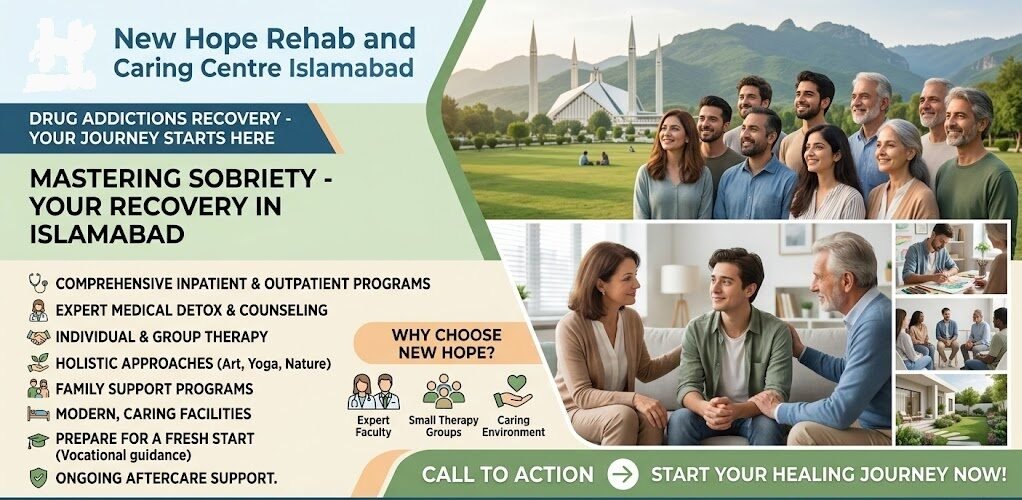
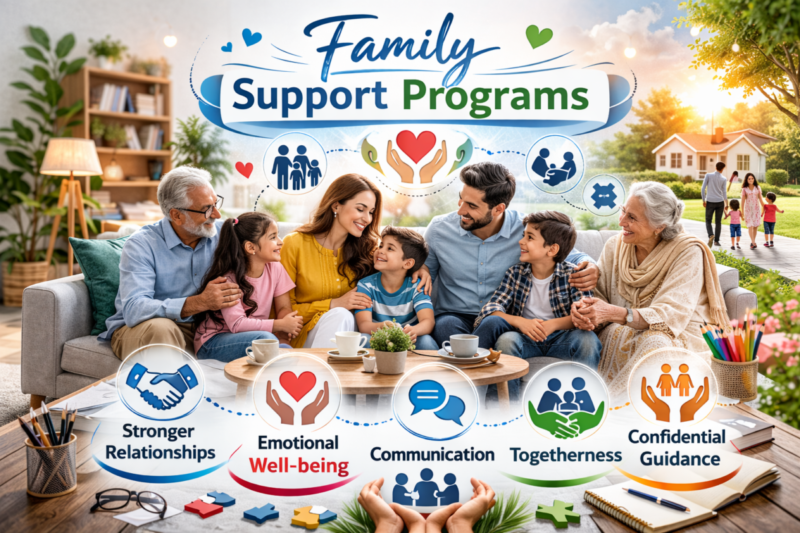
Addiction and mental health disorders affect not only individuals but also their families. Recovery becomes more effective and sustainable when loved ones are involved in the healing process. Family support programs play a crucial role in strengthening relationships, improving communication, and building a stable environment for long-term recovery. In the context of family support rehab services in Islamabad,Pakistan, structured family involvement has become an essential part of comprehensive rehabilitation care.
At New Hope Best Rehabilitation Center in Islamabad, Pakistan, family support programs are designed to provide education, emotional guidance, and practical strategies for families navigating the challenges of addiction and mental health recovery. The approach remains ethical, confidential, and grounded in evidence-based practices.
The Importance of Family Involvement in Rehabilitation
Substance use disorders and mental health conditions often create emotional strain, misunderstandings, and communication gaps within families. Without proper guidance, family members may unintentionally enable harmful behaviors or struggle to provide appropriate support.
Rehabilitation centres that integrate family programs recognize that recovery extends beyond the individual. Structured family support rehab services in Islamabad,Pakistan focus on rebuilding trust, encouraging accountability, and fostering a supportive home environment.
Research consistently shows that individuals receiving family-inclusive treatment often demonstrate improved treatment adherence and reduced relapse risks. However, involvement must be balanced with professional boundaries and patient consent.
Core Components of Family Support Programs
Family support programs are carefully structured to address both emotional and practical aspects of recovery. At New Hope Best Rehabilitation Center in Islamabad, Pakistan, these programs typically include several key components.
1. Family Education Sessions
Education is the foundation of effective support. Many families lack accurate information about addiction, behavioral disorders, or mental health conditions. Educational sessions help families understand:
-
The nature of substance use disorders
-
Common relapse triggers
-
Withdrawal symptoms and recovery stages
-
The role of therapy and medication
By increasing awareness, families can respond with empathy rather than frustration or confusion.
2. Family Counseling and Therapy
Family counseling sessions provide a safe and structured space for open dialogue. Licensed therapists guide discussions to address:
-
Communication breakdowns
-
Unresolved conflicts
-
Emotional distress
-
Codependency patterns
In family support rehab services in Islamabad,Pakistan, therapy focuses on restoring healthy boundaries and promoting mutual understanding. Counseling is conducted with strict confidentiality and respect for each participant’s perspective.
3. Emotional Support and Coping Strategies
Family members often experience anxiety, guilt, anger, or helplessness when a loved one enters rehabilitation. Emotional support sessions teach coping strategies that help families manage stress while maintaining stability at home.
These may include:
-
Stress management techniques
-
Healthy communication practices
-
Boundary-setting skills
-
Guidance on avoiding enabling behaviors
Such tools empower families to support recovery without compromising their own well-being.
The Role of Family in Preventing Relapse
Relapse prevention is a critical part of rehabilitation. While professional care provides clinical support, the home environment significantly influences long-term outcomes.
Through structured family support rehab services in Islamabad,Pakistan, families learn to:
-
Identify early warning signs of relapse
-
Encourage accountability and healthy routines
-
Promote open communication
-
Support ongoing therapy and follow-up care
At New Hope Best Rehabilitation Center in Islamabad, Pakistan, relapse prevention planning often includes family discussions to ensure everyone understands their supportive role.
Addressing Co-Occurring Mental Health Conditions
Many individuals in rehabilitation face co-occurring disorders such as depression, anxiety, or trauma-related conditions. Family members may struggle to distinguish between symptoms of addiction and underlying mental health challenges.
Family programs provide guidance on:
-
Recognizing symptoms of mental health disorders
-
Understanding dual diagnosis treatment
-
Encouraging medication adherence when prescribed
-
Supporting therapeutic interventions
By increasing awareness, families can create a compassionate and informed support system at home.
Building Healthy Communication Patterns
Addiction and mental health issues often disrupt communication within families. Misunderstandings and emotional reactions can create tension that hinders recovery.
Family counseling emphasizes:
-
Active listening
-
Non-judgmental communication
-
Expressing concerns constructively
-
Conflict resolution skills
These improvements strengthen relationships and foster a healthier environment for continued healing.
Ethical and Confidential Care
Family involvement must always respect patient autonomy and privacy. Ethical rehab centres ensure that participation in family programs occurs with informed consent.
In family support rehab services in Islamabad,Pakistan, confidentiality policies protect both the individual in treatment and their family members. Clear boundaries maintain trust and professional integrity.
At New Hope Best Rehabilitation Center in Islamabad, Pakistan, ethical standards guide every aspect of family engagement, ensuring that care remains respectful and clinically appropriate.
Long-Term Benefits of Family Support Programs
The benefits of structured family programs extend beyond the rehabilitation period. Long-term advantages include:
-
Stronger emotional bonds
-
Improved conflict management
-
Better stress resilience
-
Reduced stigma surrounding mental health
-
Increased confidence in supporting recovery
Family members also gain personal growth by learning healthy coping mechanisms and communication skills.
Frequently Asked Questions (FAQs)
1. Why are family support programs important in rehab?
Family support programs help rebuild trust, improve communication, and provide education about addiction and mental health, which strengthens long-term recovery outcomes.
2. Can families participate if the patient prefers privacy?
Family involvement is always guided by patient consent and confidentiality policies. Participation is encouraged but remains voluntary and respectful of privacy.
3. What topics are covered in family education sessions?
Sessions typically cover addiction awareness, relapse prevention, mental health education, coping strategies, and healthy communication techniques.
4. How do family programs help prevent relapse?
Families learn to recognize early warning signs, encourage healthy routines, and maintain supportive communication, reducing relapse risks.
5. Are family counseling sessions confidential?
Yes, professional rehab centres follow strict confidentiality standards to protect all participants involved in therapy.
Conclusion
Family support programs are a vital component of comprehensive rehabilitation services. Recovery is not an isolated journey; it is strengthened by informed, compassionate, and structured family involvement. Through education, counseling, emotional support, and relapse prevention planning, families can become active partners in the healing process.
In the framework of family support rehab services in Islamabad,Pakistan, New Hope Best Rehabilitation Center in Islamabad, Pakistan provides ethical, patient-centered programs designed to promote understanding, stability, and long-term recovery. By combining professional expertise with compassionate care, family support programs continue to play a transformative role in modern rehabilitation services.