How Safe Is Rapid Detox? Medical Insights You Should Know

Rapid detox is increasingly gaining attention as a fast-track solution to drug detoxification, especially for individuals battling opioid addiction. But how safe is rapid detox really? At New Hope Rehab and Caring Center Islamabad, we believe it’s essential to explore both the benefits and risks involved in any addiction treatment method before making a decision.

This comprehensive blog sheds light on the medical safety of rapid detox, what it involves, and whether it’s the right fit for long-term recovery from substance use disorders.

What Is Rapid Detox?

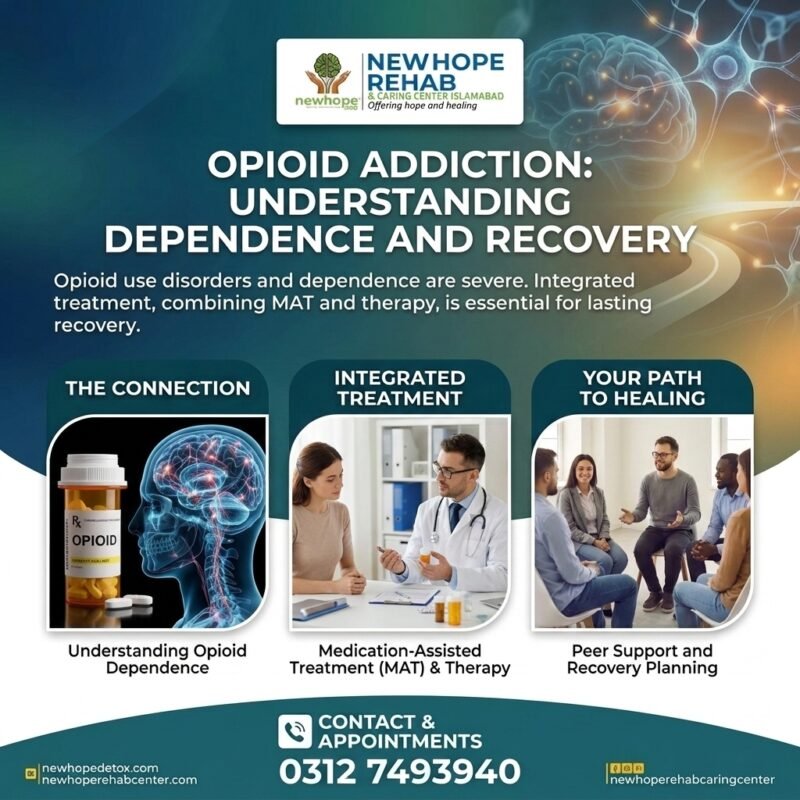
Rapid detox treatment—also known as ultra-rapid opioid detoxification (UROD)—is a medical procedure designed to speed up the detox process from opioids or other addictive substances. Patients are typically placed under sedation or anesthesia while medications are administered to accelerate withdrawal.

The aim is to eliminate the substances from the body in a matter of hours instead of days or weeks. This promises a quicker, less conscious experience of withdrawal, but it also raises serious concerns about safety and effectiveness.

Why People Choose Rapid Detox

Rapid detox is appealing for several reasons, especially to those seeking quick recovery options without prolonged discomfort. The top reasons people consider rapid detox include:

  • Fear of withdrawal symptoms

  • Desire for fast results

  • Busy lifestyle or work obligations

  • Previous failed attempts with traditional detox

At New Hope Rehab Center in Islamabad, we often encounter patients who are desperate for immediate results. While we understand the urgency, it’s our duty to educate patients about all options, including potential risks.

Medical Insights: Is Rapid Detox Safe?

1. Requires Strict Medical Supervision

One of the most critical safety aspects of rapid detox is medical supervision. Since patients are placed under anesthesia, it should only be conducted in a certified hospital or specialized facility. Unsupervised or poorly managed detox can lead to life-threatening complications, including:

  • Heart irregularities

  • Breathing issues

  • Severe dehydration

  • Delirium

  • Mental confusion

2. Not Suitable for Everyone

Rapid detox is not recommended for individuals with certain medical conditions, including heart disease, liver issues, or respiratory problems. It’s also unsuitable for those with co-occurring mental health disorders unless carefully evaluated by professionals.

At New Hope Rehab and Caring Center Islamabad, we use a thorough assessment process before approving any detox plan.

3. Doesn’t Treat the Root Cause of Addiction

While rapid detox may eliminate physical dependence on substances like heroin or painkillers, it does not address psychological addiction. True recovery requires long-term treatment, including:

  • Behavioral therapy

  • Counseling sessions

  • Support groups

  • Relapse prevention plans

Without these, the risk of relapse remains high, even after a successful rapid detox.

Pros and Cons of Rapid Detox

Pros Cons
Shorter withdrawal duration High cost
Less conscious experience of pain Requires anesthesia (risk factor)
Can jumpstart recovery Doesn’t treat psychological aspects
Useful in severe dependency Not always effective long-term

Alternatives to Rapid Detox

If you’re concerned about the risks of rapid detox, there are safer, medically supervised detox alternatives that are just as effective in the long run. These include:

1. Medical Detox

Conducted under 24/7 medical care, medical detox involves gradual withdrawal using medications like methadone or buprenorphine to ease symptoms. It’s considered much safer and more sustainable than rapid detox.

2. Outpatient Detox Programs

For mild to moderate addiction cases, outpatient detox allows patients to receive care while still living at home. It’s less intensive but still requires medical oversight.

3. Holistic Detox Plans

At New Hope Rehab Center Islamabad, we offer holistic addiction treatment that includes dietary support, physical therapy, and mental health counseling to support the body and mind during withdrawal.

What Medical Experts Say

According to addiction specialists, rapid detox should only be considered when other detox methods have failed, and only under the care of experienced professionals.

Dr. Farhan Ali, a leading psychiatrist at New Hope Rehab, shares:

“We always emphasize that detox is just the beginning. Whether rapid or gradual, it must be followed by a comprehensive addiction recovery program to truly work.”

Rapid Detox in Islamabad – What You Should Know

In Pakistan, especially in cities like Islamabad, addiction treatment options are expanding. However, not all centers offering rapid detox follow international safety protocols. When seeking rapid detox in Islamabad, be sure to:

  • Verify the center’s license and credentials

  • Ask about medical staff qualifications

  • Inquire about emergency support availability

  • Ensure post-detox therapy is offered

New Hope Rehab and Caring Center Islamabad offers clinically approved detox programs customized to individual needs. Safety, compassion, and effectiveness are the pillars of our approach.

Is Rapid Detox Worth the Risk?

The answer depends on your health condition, addiction severity, and available support. While rapid detox may provide a quick solution, it should never replace a long-term addiction treatment strategy. For most patients, a comprehensive rehab program that includes detox, therapy, and aftercare offers a more reliable path to lasting recovery.

Final Thoughts

Rapid detox can be a helpful tool for some individuals, but it’s not a one-size-fits-all solution. The safety of rapid detox depends heavily on medical supervision, individual health conditions, and aftercare planning.

At New Hope Rehab and Caring Center Islamabad, we offer personalized addiction treatment plans that prioritize patient safety and long-term recovery. If you or a loved one is considering detox, contact our expert team today to schedule a confidential consultation.

Related Article

Tapering Treatment

7 Critical Mistakes to Avoid During Tapering Treatment – A Powerful Guide by the Leading Drug Abuse Treatment Centers in Islamabad

Understanding Tapering Treatment Tapering treatment is a method aimed at helping an individual lower their dependence on substances through taking it slow and in small steps; rather than dropping off your habit completely after going “cold turkey”, this technique gradually reduces the quantity over time for example. During the process of diminishing doses in any elimination program, the side effects mean not only hangovers but also potential trauma. And it’s an important step, while avoiding any sudden augments of extremity that could lead to withdrawal symptoms preventing taken over awhile from happening successfully.’Careful use of this method keeps everyone involved safe”, explain staff at New Hope Rehab and Caring Centre Islamabad who make use of these techniques for the benefit of clients. This is especially true for those recovering from opioids, benzodiazepines, alcohol, and certain prescription medications. Until now nobody exactly knows when or in what condition they will be able to recover from a crisis. A team of therapists works individually with patients to put together personalized tapering schedules supportive of the duration and bodiliness stages divisions served by detoxifying. home. Mistake # 1: Quitting medication too early It is dangerous to suddenly stop taking medication during the process of diminishing doses. Many people tend to feel much better after a few days and mistakenly believe that they are well enough to get by without their medication. But such is not the way to approach tapering. Both the brain and the body need time to adapt to levels which are lower more slowly indeed indeed indeed. Risks of Physical and Psychological Withdrawal Symptoms Suddenly quitting your drug can result in: Severe withdrawal symptoms High anxiety or panic attacks Nausea, Muscle cramps, Gripes Increase of cravings A much higher chance of relapse But in places where doctors and nurses stand watch for changes very carefully like New Hope Rehab and Caring Centre Islamabad, this danger can be avoided. Mistake #2: Neglecting Professional Guidance A common mistake people make is to believe they can stop using drugs without any medical supervision at home. But addiction is not only a physical but also psychological disorder that must be cured with care. Drug Abuse Treatment Centers in Islamabad When drug abuse treatment centers in Islamabad have highly skilled teams that observe a person through his every approach to the ‘closedown’ stage, then this kind of professional assistance is available. Auxiliary the person is mandatory in funding, progress is recorded every day and response followed; if withdrawal symptoms appear, intervention can take place quickly. At Islamabad New Hope Rehab and Caring Centre, clients receive round-clock support and trusty non-biased treatments designed to keep detox safe and successful. Promptly after the posting of the article, readers started asking lots of questions. The result is not simply patients receiving less efficient treatment but also carriers of propagating diseases. Mistake #3 – Not Tracking Symptoms During Tapering Recovery is not linear. Symptoms can change every day, and ignoring them can lead to setbacks. However, many patients underestimate the value of tracking how they feel. How Journaling Helps Recovery The following are notes Recovery Notebook that by recording physical symptoms, urges Emotional Constance Swings and sleep patterns now allows professionals to: Adjust tapering schedules Locate triggers Stay in control of the entire counseling process Strengthen coping strategies This humble habit can make the whole procedure smoother and more predictable. Mistake #4 – Not Proceeding With Triggers and Risky Habits Any temptations put into action that you encounter along the road of detoxification have the potential to be breaking points. These might include associating with old colleagues, spending time in toxic environments, or engaging in stressful behaviors. Impact on Relapse Rates Even the briefest brush of triggers can spark cravings. Without eliminating these risks, tapering gets considerably harder. New Hope Rehab guides clients to adopt healthier routines, avoid places of high risk danger, and strengthen the daily habits that in fact support recovery. Mistake #5 – No Support from Family or Social Circle Rehabilitation will come later, together. With family or close friends in no parts of a person ‘s recovery process, they may be required to face real emotional barriers. These will make it difficult to continue detoxification. Support Programs Offered at New Hope Rehab Islamabad New Hope Rehab and Caring Centre Islamabad provide families with education: Family counseling Training sessions Support groups Holistic therapies These programs help those who love us to provide encouragement and to turn the recuperative atmosphere into a condition for healing. Mistake #6 – Unrealistic Expectations of Recovery Processes on Alcohol Drinking and Drug Use Many people expect tapering to be a quick course of action or believe that if they just have strength of will it will be enough. The fact is, the time lines for tapering can vary greatly depending on the substance, how it was used and individual health. How Long Recovery Takes Real recovery takes time. It may feel slow, but every step counts. Small victories, the objectives you set yourself and actually reach–that’s what keeps patients motivated on their course with an uphill fight ahead. Expert Advice on Safe and Successful Tapering Programs To make a good tapering both safe and effective, experts recommend: Follow all medical instructions Track symptoms every day Avoid all triggers Base all action on a positive pattern Search out therapists Honor your pain and suffering Polished Plans at New Hope Rehab New Hope Rehab and Caring Centre Islamabad tailors programs which provide medication management, emotional support and therapy. Their well-trained group assures that each client progresses at a slow but steady tempo comfortably. FAQ (Frequently Asked Questions) 1. How long does tapering treatment usually last? Flexible. Various plans can last for several weeks or several months. 2. Is tapering possible without professional involvement? No. It may be dangerous, especially with strong substances, to taper drugs without expert advice. 3. What symptoms can occur during tapering? Symptoms can include irritability, headache, sweating, anxiety and changed sleep patterns. 4. What makes the drug abuse

Supervised Detox

What to Expect During a Supervised Detox Program – Psychiatrics Treatment Center in Islamabad

Introduction to Supervised Detox Programs Beginning a detox program is one of the most courageous steps an individual can take toward healing. At New Hope Rehab and Caring Centre Islamabad patients receive safe, comfortable, and caring detox treatment to jump start their recovery process. While someone is coping with substance use, the body comes to rely on harmful chemicals inside. Detoxing them without medical intervention can be risky, which is why supervised detox is crucial. An inpatient detox treatment allows 24/7 monitoring, medical assessment, and emotional support. It keeps individuals comfortable and predominantly safe as they withdraw. Written by the top Psychiatrics Treatment Center in Islamabad, this article will cover every step so you know what to expect. Role of Psychiatrics Treatment Center in Islamabad Popular A Psychiatrics Treatment Center in Islamabad Provides for such people not only medical assistance and psychological help but enables them to make significant new changes in their lives. Physiological dependence is not the sole component of addiction — it permeates a person’s emotions, thoughts, relationships and day-to-day life. At New Hope Rehab and Caring Centre Islamabad we have an excellent team of psychiatrist, medical specialist, clinical psychologists nd addiction therapists in recovery. These experts watch physical symptoms and mental-health conditions, to achieve a balanced and active path toward recovery. Why New Hope Rehab and Caring Centre Islamabad You owe itto your recovery to be in a safe and nurturing environment. New Hope Rehab is renowned for: Such skilful psychiatric and medical teams. 24/7 supervision and crisis intervention Personalized detox strategies Comfortable and private residential facilities Strong emphasis on long-term recovery This belief system ensures that patients feel safe and comfortable when they’re in the process of drying out. How a Supervised Detox Program Progresses, Step by Step 1. Pre-Detox Assessment Each detox journey begins with an overall assessment. This involves both medical and psychological testing, a history of substance use and questions around symptoms. This step will enable the medical staff to learn about why you use marijuana and determine what is the safest method of detox for you. 2. Personalized Detox Planning No two patients are the same. After all the evaluations are finished, doctors create a tailor-made detox plan. This can include drugs, counseling, dietary treatment and monitoring tailored to the patient. 3. Stabilization Phase This is the crux of what detoxification is. Patients start to detoxify under close supervision. Medications to lower pain, maintain basic bodily function and mood may be prescribed by the doctor. The point is to get the body safely used to not having the substance. 4. Monitoring Withdrawal Symptoms The severity of withdrawal symptoms varies according to the drug or substance and history of use. Common symptoms include: Sweating Anxiety Nausea Insomnia Mood swings Cravings These symptoms are closely monitored by the medical staff to avoid complications. This close supervision makes medically supervised detox far safer than trying to detox at home. 5. Emotional & Behavioral Support Detox is much more than physical — it can be mental. All too commonly, clients feel anxious, angry, tense or simply emotionally overloaded. Psychologists and counselors leap into action with one-on-one therapy, advice on day-to-day coping and motivational support. 6. Transitioning to Rehabilitation Detox is only the first step. After the toxic substances are eliminated from body, patients get directed to complete rehabilitation programmes. this includes counselling, behavourial therapy, relapse prevention plans and long term support. What Patients Experience During Detox Physical Changes It’s likely that you’ll feel some fatigue, restlessness or lack of comfort in the early days. With the help of doctors, symptoms can be controlled and you start to feel better. Mental & Emotional Responses Detox can result in emotional roller coasters. Many of them describe feeling clearer and fresher over the days, along with a rising sense of hope. The caring space that New Hope sets up worked as a stable environment. Safety Measures in Place Safety is the top priority. All patients are monitored carefully according to which even the most severe symptoms of withdrawal can be treated almost immediately. People are given medication–assisted treatment, as needed, to relieve suffering and avoid danger. Advantages of a Monitored Detox Program Increased physical safety Reduced risk of relapse Medical support for challenging symptoms Emotional and psychological guidance Smooth transition to long-term rehabilitation Better overall treatment outcomes Through supervised detox, individuals have the solid base necessary for long-lasting recovery. FAQs About Supervised Detox Programs 1. What is the duration of supervised detox? Detoxification programmes typically range from 5–10 days, depending on what the substance is and on the patient’s condition. 2. Is detox painful? A little bit of discomfort is normal, but medical teams treat and manage symptoms in the hopes that patients remain comfortable. 3. Can I detox at home? Home detox can be dangerous. It is of utmost importance that a doctor oversees their use. 4. What happens after detox? Patients then proceed to rehab which features therapies, counseling and drug relapse prevention. 5. Do I get medicine during detox? Yes, if needed. Medications In stabilizing symptoms or providing comfort through medications. 6. Why opt for Psychatricts treatment center in Islamabad? Facilities such as New Hope Rehab provide expert, caring support that can improve the chances of recovery. Conclusion Supervised detox is the healthiest road to a sober, healthy life and can offer medical, emotional and psychological support throughout the entire process. New Hope Rehab and Caring Center Islamabad is renowned Psychiatric Treatment Center in Islamabad that provides customized care to all patients. With the help of trained professionals who understand what you or your loved one is going through, along with a compassionate staff working by your side every step of the way, those in our detox program find assurance and courage necessary to reclaim life— free from addiction.

Depression Treatments

Cognitive Behavioral Therapy (CBT): A Proven Treatment for Depression – Mental Health Rehabilitation Center Islamabad

Depression in Contemporary Mental Health Services Clinical depression has turned into one of the ten common psychological syndromes in today’s world. (Note: in an increasingly urban environment and the pace of life, it’s getting to be even more stressful). These challenges have made mental health support more crucial in Islamabad, particularly for those experiencing prolonged periods of sadness, hopeless and loss of interest in normal daily routines. The Rise of Depression in Urban Populations Cities are full of potential but also sources of stress and tension. People are burdened by academic stress, social standards, overloaded work or personal life issues. Over time, these tasks can accumulate and contribute to feeling burnt out and even lead to depressive symptoms. Once depression starts to cause significant disruption to a person’s day, professional help is necessary. Why Early Intervention Matters The sooner you are treated, the faster you recover and the more successful your recovery. Putting off professional intervention only results in greater emotional battles, unhealthy coping strategies and more isolation. The sooner an individual seeks out treatment or a reputable Mental Health Rehabilitation Center Islamabad, the greater their likelihood of maintaining lasting recovery. What Is C.B.T.? 1) Cognitive Behavioral Therapy (CBT): CBT is one of the best studied and evidenced-based treatment for depression. It is based on the strong connection between thought, emotion and behavior. Unlike many other types of therapy that focus only on past experiences, CBT focuses on current challenges and helps people change unhealthy patterns of thinking. The Science Behind CBT CBT is based on the psychological research that shows our thoughts greatly affect how we feel. Maladaptive cognition (e.g., self-blame, catastrophizing) may drive the depression. By changing such patterns, people can alleviate painful emotions and begin to take charge of their lives. Key Principles of CBT CBT is based on a number of core principles: Thoughts affect feelings and actions Changing thinking can change behavior You are also able to pinpoint negative trends, and then change them. The Lessons Of Therapy Are For Life Hard work and engagement produce good results Its structured, didactic format also makes CBT particularly well-suited to rehabilitation facilities where a high degree of support is available. Why CBT Is Effective For Depression CBT is not only a way to decrease symptoms, but the skills you learn will stay with you for a lifetime, helping them cope with stress, loss, and troubles of many kinds. Identifying Negative Thought Patterns Clients, in CBT sessions, ahabiliyed beliefs and begin to monitor them. A therapist helps them to identify negative thoughts like: “I’m not good enough.” “Nothing will ever get better.” “I always fail.” Once recognized these patterns are examined, resisted and replaced by more rational realistic thoughts. Behavioral Activation Strategies Depression can make people lose interest in activities that used to bring them pleasure. Behavioral activation focuses on progressing slowly back into activating, reinforcing activities to enhance mood, motivation, and self-concept. Examples include: Walking outdoors Engaging in hobbies As for your mood and general well-being, socialising with friends or family who are around you. Establishing healthy routines Rewiring the Cognitive Pathway With time, continued practice in positive thinking and behavioral changes support building healthier networks. This is what’s called neuroplasticity — the brain’s ability to reorganize and adjust. CBT harnesses this natural learning process to help patients develop more robust mental habits. Advantages of opting for CBT at Mental Health Rehabilitation Center Islamabad Choosing a well-known Mental Health Rehabilitation Center Islamabad means individuals will receive direction and care from the experts. New hope Rehab and Caring Centre Islamabad is different for it’s comprehensive evidence-based protocol. Personalized Treatment Plans No one’s depression is exactly alike. Therapists at New Hope will develop individualized CBT programs based on: Individual symptoms Personal history Emotional strengths Long-term recovery goals Professional Clinical Psychologists & Therapists The greatest effectiveness of CBT is achieved by exposure therapy, and to optimise this requires a therapist who has been licensed in speech-language pathology with at least two years of graduate school training (and preferably three or more) with background and experience in psychotherapy. At New Hope, each client is offered highly professional assistance from professional clinical psychologists and mental health experts. Safe, Supportive, and Confidential Environment Healing requires trust. In New Hope, there is a safe environment that allows the client to be vulnerable and express themselves and work through the therapeutic techniques without any judgment. The best Psychological Rehab at New Hope Rehab and Caring Heart Islamabad Established on the foundations of human compassion, professional care and genuine good will, New Hope Rehab and Caring Center Islamabad has become a leading force in best practice primary mental health treatment. By combining therapies, programs and monitoring procedures, we are able to maintain the excellence of care that our clients demand. Evidence-Based Approaches Beyond CBT, the center integrates: Mindfulness-based interventions Stress management training Psychodynamic elements Lifestyle modification A Client-Centered Healing Environment Pridecommander8 3gay1 dysillogism2 Considering everyone as just one other of their sex. The team are committed to working with clients in developing empowerment, independence and emotional well-being. Continuous Monitoring & Support Recovery is not what happens when therapy is over. New Hope offers continued support and guidance after treatment concludes so clients can continue their progress on the outside. CBT Tools Applied at New Hope Rehab and Caring Centre Islamabad A range of CBT skills are used by therapists to target depressive symptoms. Cognitive Restructuring Let our clients “deconstruct” the negative thoughts, look at distortions and insert a healthier spin. Exposure Therapy For those experiencing anxiety related depression, exposure in vivo has been particularly helpful for decreasing fear and avoidance behavior. Goal-Oriented Homework Assignments In real-life situations, clients get to practice the skills—from which they can internalize new methods of coping. Who Can Benefit from CBT? CBT is appropriate for depression in a variety of populations. Teens and Young Adults This is a time when most of their peers grapple with self-confidence, school pressure and issues of identity. Adults Facing Chronic Depression For adults, CBT can teach stability, stress management and wise emotional reclamation. Patients Recovering After Trauma People with trauma get benefit from the ease and warm fuzzy feeling that the structured steps of CBT offer for emotional healing. Frequently Asked Questions (FAQs) 1. How long for CBT to work? Most people start to see results after 6–12 sessions. 2. Can CBT help with severe

Opioids Addiction

How Family Support Helps in Healing from Opioids Addiction – Drug Rehabilitation Centre in Islamabad, Pakistan

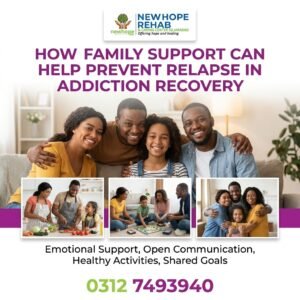
Introduction More than the one injured, who has become addicted to opioids. At New Hope Rehab and Caring Center Islamabad, we’ve felt that recovery becomes more robust, consistent and hopeful when families remain engaged. As a reputable Drug Treatment Centre in Islamabad, Pakistan we know that addiction is not isolated and we believe that you should heal not alone. The support of family will restore emotional strength, trust, motivation and become a safety net for many that are lost during a treatment process. (The following is an excerpt from “The Other Side of Beauty: Embracing God’s Vision for Love and True Worth.”)Something incredible happens when families walk in with patience, empathy, and encouragement: healing becomes a reality. Cognizance of Opiates Dependency and Its Implications Addiction to opioids is damaging the reward system of brain causing physical dependence and powerful sense of emotional instability. The withdrawal symptoms, cravings, and emotional rollercoaster that recovery can be are near impossible to endure without support. Families are frequently at a loss or hurting as they watch someone they love struggle with addiction. But when positioned correctly and supported by professional help, they can be a valuable member of the recovery team. Why Family Support is Essential in Overcoming Addiction Family support is the emotional spine of recovery. It helps individuals: Feel valued and understood Remain Determined in the Difficult Withdrawal Stages Foster hope that the future will be better Maintain commitment to long-term sobriety A caring family provides an environment even if moments in life goes wrong to enable persons the opportunity to rebuild their live with dignity and self-esteem. Role of the Family in the First Phase of Detoxification Detoxification is associated with high levels of physical and emotional distress for patients. Families can help by: Encouraging treatment participation Providing emotional reassurance Staying patient during mood swings Assistance in scheduling appointments with doctor and bureaucracy They may also help to alleviate the anxiety and fear associated with detox. How Family Therapy Strengthens Recovery Family Therapy available at New Hope Rehab and Caring Center hut Islamabad assists in: Rebuild damaged relationships Improve communication Address emotional wounds Set healthy boundaries Families help each other heal instead of fighting alone. Role of Family in the Treatment at a Rehabilitation Centre for Drug Dependents Islamabad, Pakistan It is an important hallmark of a good Drug Rehabilitation Centre in Islamabad, Pakistan to keep the active participation by close family members. Families participate in: Educational workshops Counseling sessions Support group meetings Progress discussions with therapists This model makes sure that recovery doesn’t stop when the patient walks out of the facility — it continues in the home. Building a Supportive Home Environment Recovery is often made or broken by stability at home. Families can help by: Maintaining a calm, structured routine Promoting healthy behaviors, such as exercise and sleep Removing triggers and harmful substances Creating a judgment-free atmosphere It is this which enables the butterfly to gradually gain confidence. Effective Communication Techniques for Families Good communication decreases stress and fosters movement. Families should practice: Active listening Empathy Positive reinforcement Avoiding blame or criticism Simple statements, such as “I am proud of you,” can be extremely powerful. Reducing Stigma Through Family Awareness Stigma is best eradicated by education. Families who understand that addiction is a medical illness, not a moral weakness, are able to offer support with compassion and empathy. Overcoming Emotions Stirred by Addicion Addiction usually leaves emotional scars on the part of both partners. Healing requires: Forgiveness Honest conversations Professional counseling Patience and understanding Over time, families have the capacity to develop trust and reconnect on a much deeper level.” How Siblings Can Be an Ally in Opioid Recovery Brothers and sisters can be an inspiration. Their encouragement can help one overcome challenges, stay more determined and feel less lonely or ashamed. Creating Long-Term Support Systems Recovery is a lifelong process that extends well beyond rehab. Families can help create long-term support by: Aftercare programs Community support groups Regular mental health check-ins Healthy social activities Monitoring Progress After Rehabilitation Families can help by: Observing behavioral changes Encouraging consistent therapy attendance Providing gentle reminders and motivation Celebrating milestones Progress should be measured with love — not pressure. The Power of Patience and Understanding The path to recovery is not a straight line. Relapses may happen. Instead, with family patience, steadfast support and gentle encouragement, people find motivation to try again. New Hope Rehab Caring Center Islamabad — Success Stories Family support and encouragement is cited by many patients at New Hope Rehab and Caring Center Islamabad as a major factor that contributed to their success. Those families who remain devoted, informed and supportive regularly experience quite incredible turnarounds. How New Hope Rehab and Caring Centre Islamabad is Empowering the Families Such center offers wide-based family-centered development programs like the: Family counseling Awareness workshops Joint therapy sessions Home-based recovery planning These programs do all this in such a way that families and clients traverse the recovery journey together. FAQs 1. Why is the family important to opioid addiction recovery? It enhances motivation, internal equilibrium and the long-term perspective. 2.Does having a family member involved impact the risk for relapse? Yes. Believe me, supportive family members pull relapse rates way down. 3. Should families join therapy sessions? Absolutely. It improves communication and healing. 4. What if a family member is overwhelmed? Professional counseling can help families navigate stress and confusion. 5. For how long should families support you? Ideally all along the road to recovery — and actually even after rehab. 6. Can a system of families train be implemented in Islamabad where Drug Rehabilitation Centre in Islamabad can play their role? Yes. Centers like New Hope provide family members with training and counseling. Family Help is Key to Life-Long Recovery One of the most powerful predictors for successful recovery from opioid addiction: active family involvement. Through a quality Drug Rehabilitation Center in Islamabad, Pakistan, like New Hope Rehab and Caring HUb Islamabad families can learn to support, care for and empower their loved ones toward lifelong recovery and emotional fitness.