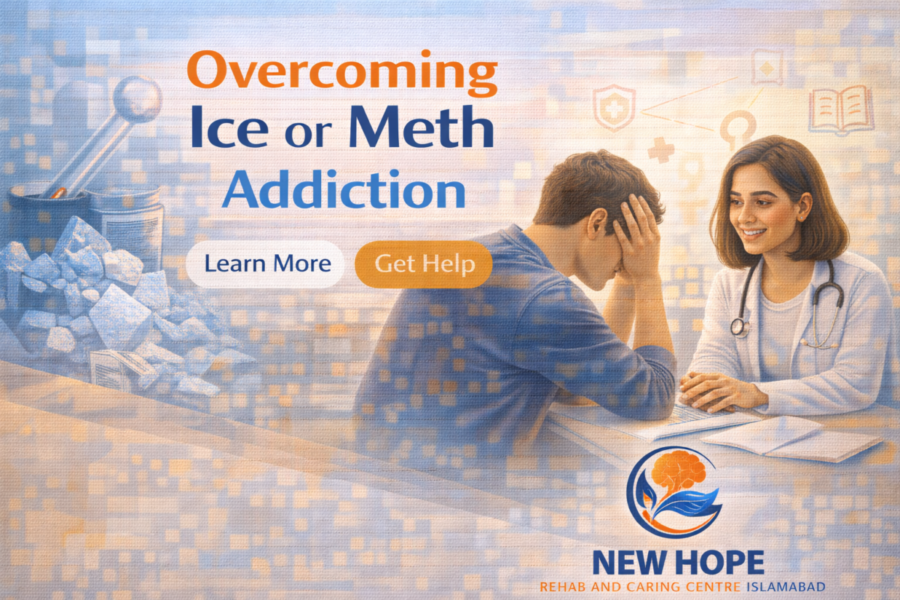
ICE | METH Addiction | ICE | METH Treatment Center Islamabad

ICE | METH Addiction | ICE | METH Treatment Center Islamabad


Ice, or methamphetamine, is a potent central nervous system stimulant drug that is extremely addictive. During the last several years, in many places use and addiction of ICE or meth have been a source of concern because of their detrimental effects on physical health, mental welfare and social stability. It should be noted that most people need professional treatment and long-term recovery support to overcome meth addiction.

Rehabilitation center’s like New Hope Rehab and Caring Centre Islamabad, offer treatment programs specifically designed for individuals suffering from substance use disorders. Families can also start seeking trusted ICE | METH Treatment Center Islamabad providing specialized recovery services because people are medically supervised and counselled in a safe environment.

An overview of ICE or meth addiction causes, symptoms, effects on health, and treatment factors is that professional care helps support the recovery process.

Understanding ICE | METH Addiction
ICE | METH Addiction | ICE | METH Treatment Center Islamabad

Methamphetamine, also known as ICE, crystal meth or simply meth is a man-made stimulant that sharply boosts the activity of certain chemicals in the brain, especially dopamine. Dopamine is linked to pleasure, motivation and reward, which is how methamphetamine can create overwhelming euphoria.

But repeated meth use can change brain function and result in addiction. With use over time people can become tolerant, needing to take increasingly larger amounts of the substance to feel a similar effect.

Many individuals who reach out to an ICE | METH Treatment Center Islamabad do so because meth use begins to disrupt their health, relationships, work-life or education.

Meth Addiction: Most Common Causes and Risk Factors

There are various reasons that might lead to the addiction of ICE or meth. And while every person’s experience is different, some risk factors can increase vulnerability.

Psychological Stress

People suffering from chronic stress, anxiety, trauma or emotional turmoil may use stimulant substances as a form of internal escape.

Peer Influence

Substance use can be a consequence of social circles and environmental exposure. Peer exposure to drug use increases the likelihood of trying and persist in using drugs.

Mental Health Conditions

In other words, they may turn to substances when struggling with emotional pain caused by conditions such as depression, anxiety disorders or attention-related challenges (disorders).

To ensure successful rehabilitation in the long run, treatment programs at New Hope Rehab and Caring Centre Islamabad usually focus on underlying causes.

Signs and Symptoms of METH | ICE Addiction

Methamphetamine addiction can manifest itself physically, psychologically, and behaviorally. Understanding these warning signs allows families and individuals to search for professional help sooner.

Behavioral Symptoms

  • Increased energy or hyperactivity
  • Risk-taking behavior
  • Social withdrawal or isolation
  • Struggling to keep up with responsibilities at work or school
  • Sudden lifestyle changes

Psychological Symptoms

  • Anxiety or irritability
  • Mood swings or emotional instability
  • Paranoia or suspicious thoughts
  • Difficulty concentrating

Physical Symptoms

  • Rapid weight loss
  • Sleep disturbances or insomnia
  • Increased heart rate
  • In extreme cases dental issues or skin problems

People with ICE | METH Treatment Center Islamabad who have these symptoms should be evaluated and treated.

Consequences of Long-Term Usage of Meth

ICE or methamphetamine use can cause severe long-term effects on physical and mental health.

Impact on Brain Function

Methamphetamine alters the brain chemistry in regions related to memory, learning and emotional regulation. It may affect your ability to think long-term or make decisions.

Mental Health Concerns

In time, extended methamphetamine use has been lunged to anxiety disorders, gloominess or even psychosis in some individuals. Continued use can also lead to emotional instability and paranoia.

Physical Health Risks

Chronic meth use can affect physical cardiovascular strain, immune systems and nutritional stores.

Treatment programs offered at New Hope Rehab and Caring Centre Islamabad were found to address both the physical and psychological health concerns linked with substance use, indicative of an integrated approach to care.

ICE | METH Treatment Approaches

To recover from meth addiction effectively, a multifaceted treatment plan is usually needed with medical care, psychological therapy, and ongoing support.

1.     Medical Evaluation and Detox Support

In many cases, the recovery process starts with medical diagnostics to assess each person’s physical well-being, drug use history, and psychological state.

Under the supervision of medical professionals, detoxification may be suggested to help the body safely adjust to being without the drug.

2.     Behavioral Therapy and Counseling

Therapeutic interventions lie at the heart of addiction treatment. Counseling provides a deeper understanding of the emotional and behavioral patterns associated with substance use.

Common therapy approaches may include:

  • Cognitive Behavioral Therapy (CBT)
  • Motivational counseling
  • Behavioral modification therapy

The practice helps them learn healthier coping strategies, and make better decisions.

3.     Group Therapy and Peer Support

Group therapy sessions provide a space for people to interact with others who are experiencing similar difficulties in life. Sharing experiences reduces feelings of isolation and helps strengthen our motivation to recover.

ICE | METH Treatment Center Islamabad A program may, however, also include peer support as a means of promoting responsibility and personal development.

4.     Crisis Prevention And Dual Diagnosis Care

Meth addiction can co-occur with mental health disorders such as anxiety, depression, or trauma related disorders. Integrated treatment makes sure that addiction and mental health issues are treated at the same time.

At New Hope Rehab and Caring Centre Islamabad recovery programs; this is an accepted way of going about things; freeing the mind, body, and spirit from habitual behaviors leads to overall well-being.

Lifestyle Changes That Support Recovery

Healing from ICE or meth use requires the development of a healthier and more balanced lifestyle. Healthy habit recommendations are suggested to help you maintain long-term sobriety and emotional health.

Important recovery practices may include:

  • Developing structured daily routines
  • Engaging in physical wellness activities
  • Practicing stress management techniques
  • Building supportive relationships
  • Setting personal and professional goals

Institution of ICE | METH Treatment Center Islamabad usually guides recovering from drug refusers to develop these habits during the rehabilitation programs

Family involvement in recovery from meth addiction

Addiction is not only an individual grave problem but a family issue as well. You are a part of the family that is an important aspect of long-term recovery.

Family counseling sessions assist family members in understanding addiction and learning ways to promote healthy behaviors. Family involvement may be integrated into treatment plans, to reinforce support systems at New Hope Rehab and Caring Centre Islamabad.

Frequently Asked Questions (FAQs)

1.     What is ICE or methamphetamine addiction?

ICE or meth addiction is a condition in which an individual becomes addicted to methamphetamine and continues using meth, despite negative consequences on health and everyday life.

2.     What are the typical signs of meth addiction?

Warning signs can be increased energy, change in moods, trouble sleeping, weight loss, anxiety and problems keeping up with responsibilities.

3.     How is meth addiction treated?

Treatment typically includes medical assessment, detoxification assistance, mental health counseling, behavior therapy and organized rehab plans.

4.     What comorbidity exists between meth addiction and mental health disorders?

Yes, unless they are co-occurring disorders that need to be treated in coordination with meth addiction, such as mental health concerns like anxiety, depression or PTSD.

5.     Services at an ICE | METH Treatment Center Islamabad

Treatment centers often offer detox programs, therapy sessions, group counseling, mental health care and recovery planning to make long-term sobriety more attainable.

Conclusion

ICE or methamphetamine addiction is a serious illness that can affect physical health, mental health, and general quality of life. Symptoms such as the ones that are a byproduct of long-term meth use can pose barriers to getting clean, and often require professional assistance in order to achieve recovery.

That is why facilities like New Hope Rehab and Caring Centre Islamabad offer an all round treatment approach targeting the multifaceted nature of substance use disorders. ICE | METH Treatment Center Islamabad Programs need to be supervised by a qualified medical doctor, combined with counseling and behavioral therapy, and clinical support throughout the entire process of recovery.

 

Related Article

ICE | METH Addiction | ICE | METH Treatment Center Islamabad
Drug Addiction

ICE | METH Addiction | ICE | METH Treatment Center Islamabad

  Ice, or methamphetamine, is a potent central nervous system stimulant drug that is extremely addictive. During the last several years, in many places use and addiction of ICE or meth have been a source of concern because of their detrimental effects on physical health, mental welfare and social stability. It should be noted that most people need professional treatment and long-term recovery support to overcome meth addiction. Rehabilitation center’s like New Hope Rehab and Caring Centre Islamabad, offer treatment programs specifically designed for individuals suffering from substance use disorders. Families can also start seeking trusted ICE | METH Treatment Center Islamabad providing specialized recovery services because people are medically supervised and counselled in a safe environment. An overview of ICE or meth addiction causes, symptoms, effects on health, and treatment factors is that professional care helps support the recovery process. Understanding ICE | METH Addiction Methamphetamine, also known as ICE, crystal meth or simply meth is a man-made stimulant that sharply boosts the activity of certain chemicals in the brain, especially dopamine. Dopamine is linked to pleasure, motivation and reward, which is how methamphetamine can create overwhelming euphoria. But repeated meth use can change brain function and result in addiction. With use over time people can become tolerant, needing to take increasingly larger amounts of the substance to feel a similar effect. Many individuals who reach out to an ICE | METH Treatment Center Islamabad do so because meth use begins to disrupt their health, relationships, work-life or education. Meth Addiction: Most Common Causes and Risk Factors There are various reasons that might lead to the addiction of ICE or meth. And while every person’s experience is different, some risk factors can increase vulnerability. Psychological Stress People suffering from chronic stress, anxiety, trauma or emotional turmoil may use stimulant substances as a form of internal escape. Peer Influence Substance use can be a consequence of social circles and environmental exposure. Peer exposure to drug use increases the likelihood of trying and persist in using drugs. Mental Health Conditions In other words, they may turn to substances when struggling with emotional pain caused by conditions such as depression, anxiety disorders or attention-related challenges (disorders). To ensure successful rehabilitation in the long run, treatment programs at New Hope Rehab and Caring Centre Islamabad usually focus on underlying causes. Signs and Symptoms of METH | ICE Addiction Methamphetamine addiction can manifest itself physically, psychologically, and behaviorally. Understanding these warning signs allows families and individuals to search for professional help sooner. Behavioral Symptoms Increased energy or hyperactivity Risk-taking behavior Social withdrawal or isolation Struggling to keep up with responsibilities at work or school Sudden lifestyle changes Psychological Symptoms Anxiety or irritability Mood swings or emotional instability Paranoia or suspicious thoughts Difficulty concentrating Physical Symptoms Rapid weight loss Sleep disturbances or insomnia Increased heart rate In extreme cases dental issues or skin problems People with ICE | METH Treatment Center Islamabad who have these symptoms should be evaluated and treated. Consequences of Long-Term Usage of Meth ICE or methamphetamine use can cause severe long-term effects on physical and mental health. Impact on Brain Function Methamphetamine alters the brain chemistry in regions related to memory, learning and emotional regulation. It may affect your ability to think long-term or make decisions. Mental Health Concerns In time, extended methamphetamine use has been lunged to anxiety disorders, gloominess or even psychosis in some individuals. Continued use can also lead to emotional instability and paranoia. Physical Health Risks Chronic meth use can affect physical cardiovascular strain, immune systems and nutritional stores. Treatment programs offered at New Hope Rehab and Caring Centre Islamabad were found to address both the physical and psychological health concerns linked with substance use, indicative of an integrated approach to care. ICE | METH Treatment Approaches To recover from meth addiction effectively, a multifaceted treatment plan is usually needed with medical care, psychological therapy, and ongoing support. 1.     Medical Evaluation and Detox Support In many cases, the recovery process starts with medical diagnostics to assess each person’s physical well-being, drug use history, and psychological state. Under the supervision of medical professionals, detoxification may be suggested to help the body safely adjust to being without the drug. 2.     Behavioral Therapy and Counseling Therapeutic interventions lie at the heart of addiction treatment. Counseling provides a deeper understanding of the emotional and behavioral patterns associated with substance use. Common therapy approaches may include: Cognitive Behavioral Therapy (CBT) Motivational counseling Behavioral modification therapy The practice helps them learn healthier coping strategies, and make better decisions. 3.     Group Therapy and Peer Support Group therapy sessions provide a space for people to interact with others who are experiencing similar difficulties in life. Sharing experiences reduces feelings of isolation and helps strengthen our motivation to recover. ICE | METH Treatment Center Islamabad A program may, however, also include peer support as a means of promoting responsibility and personal development. 4.     Crisis Prevention And Dual Diagnosis Care Meth addiction can co-occur with mental health disorders such as anxiety, depression, or trauma related disorders. Integrated treatment makes sure that addiction and mental health issues are treated at the same time. At New Hope Rehab and Caring Centre Islamabad recovery programs; this is an accepted way of going about things; freeing the mind, body, and spirit from habitual behaviors leads to overall well-being. Lifestyle Changes That Support Recovery Healing from ICE or meth use requires the development of a healthier and more balanced lifestyle. Healthy habit recommendations are suggested to help you maintain long-term sobriety and emotional health. Important recovery practices may include: Developing structured daily routines Engaging in physical wellness activities Practicing stress management techniques Building supportive relationships Setting personal and professional goals Institution of ICE | METH Treatment Center Islamabad usually guides recovering from drug refusers to develop these habits during the rehabilitation programs Family involvement in recovery from meth addiction Addiction is not only an individual grave problem but a family issue as well. You are a part of the family that

Relapse Control Program
Addiction Education

Relapse Control Program – Leading Drug Rehabilitation Center in Islamabad

In substance addiction recovery, it is a long-term process that requires much more than detoxification and initial treatment. A key component of long-term recovery is relapse prevention. The relapse control program helps them to maintain sobriety, cope with triggers in their lives and provides tools that can help prevent a return to substance use. These programs are important in assisting people after the initial phases of treatment for addiction. Places like New Hope Rehab and Caring Centre Islamabad treat relapse prevention as a crucial element of the recovery process. However, professional help is also needed for rehabilitation and many people start to look for drug rehabilitation center in islamabad as they need complete treatment of therapy and counseling with long-term support. Such a properly structured relapse control program can fortify recovery by identifying and addressing the psychological, emotional, and environmental triggers of drug use. This article will discuss the role of relapse control programs in dealing with relapses, describe the main features of these programs, and demonstrate how professional rehabilitation services allow patients to preserve a quality life free from substances. Understanding Relapse in Addiction Recovery Relapse means going back to your substance use after stopping for some amount of time. It can happen at any point during recovery, often influenced by emotional stressors, environmental triggers or unresolved psychological issues. Relapse as a process instead of an isolated instance teaches people to look for early warning signs and get help sooner. The best drug rehabilitation center in islamabad provides a structured relapse prevention program that focuses on identifying triggers, enhancing emotional regulation, and developing pragmatic strategies for sustainable recovery. Relapse prevention programs help individuals learn and practice skills that will allow them to maintain a sober lifestyle. Why Relapse Prevention Is Important Co-occuring behavioral/brain change makes recovery a slow, long term process. Returning to real life proves difficult for many even after finishing detox or rehab. Why Are Relapse Prevention Programs Important? Help individuals identify personal triggers Teach problem-solving for cravings Strengthen emotional resilience Provide ongoing psychological support Encourage healthy lifestyle habits These programs also undergo integration in the overall treatment plan of New Hope Rehab and Caring Centre Islamabad without which relapse is not possible to be controlled. Relapse Triggers: Common Situations That Lead to Relapsing Recognizing triggers is a crucial aspect of relapse prevention. Triggers are people, places or feelings that make relapse more likely.” Emotional Triggers Stress, anxiety and anger — along with loneliness or depression — can leave a person more susceptible to relapsing. When people may feel emotionally uncomfortable they may turn to use them temporarily escape feelings. Environmental Triggers Engaging in environments previously linked with substance use can trigger intense cravings. This can include some places, social circles or situations associated with former habits. Social Pressure Those who are trying to stay sober may face peer pressure or social situations involving substance use. Programs at the top recovery center in drug rehabilitation Centre islamabad emphasize understanding these triggers and learning how to cope with them in healthy manner. Essential Elements of a Relapse Prevention Program The following components are effective therapeutic tools in the relapse prevention programs that contribute to long-lasting recovery. 1.     Individual Counseling Individual therapy sessions allow individuals to delve into the psychological and emotional factors that fuel addiction. Therapists help patients create individualized relapse prevention plans. 2.     Cognitive Behavioral Therapy (CBT) Cognitive behavioral therapy (CBT) lends itself well to addiction recovery, as people learn to recognize negative thought patterns and identify positive alternatives. It helps to improve decision-making and emotional regulation. 3.     Group Therapy and Peer Support Group medical visits are designed to be a place where patients can share their personal experiences with one another, learn from peers, and develop supportive relationships. Recuperating can sometimes be very slow and that is where peer support helps. Group therapy sessions at New Hope Rehab and Caring Centre Islamabad create a supportive community in which individuals can share struggles, successes, and motivation to continue on their path to recovery. 4.     Stress Management Techniques Exercise also helps you manage stress in healthy ways, an important factor in preventing relapse. Practicing mindfulness, relaxation techniques and having regular daily routines can provide emotional stability. 5.     Lifestyle and Behavioral Changes Healthy habits can help in recovery and limit the risk of a relapse, too. These can be exercise, better diet, sleep hygiene and a better routine. Usually, the best drug rehabilitation center in Islamabad goes beyond and may also include wellness activities and life-skills which aid sustainable recovery. Importance of Aftercare Programs in Preventing Relapse Aftercare programs offer ongoing support after individuals complete their primary treatment. These types of programs assist with keeping the progress and skills learned during rehabilitation stable. Aftercare services may include: Regular counseling sessions Follow-up therapy appointments Support group participation Relapse monitoring and guidance Within Pakistan, there are several different rehabilitation institutes that provide necessary aftercare such as New Hope Rehab and Caring Centre Islamabad allowing those enrolling within these situations to ensure they continue to receive the right guidance as they integrate themselves back into daily living. Relapse Prevention Mental Health Support Addiction recovery is heavily dependent on mental well-being. Untreated conditions like anxiety, depression, and trauma are also risk factors for relapse. Integrating mental health care makes sure emotional issues are addressed in parallel with substance use recovery. Relapse prevention programs at the best drug rehabilitation center in Islamabad include psychological evaluations, therapy and mental health counselling. It must also be noted that addiction, and mental health were addressed here creating better coping skills and well-being for a person. Family Involvement in Relapse Prevention Family support is a key component of successful recovery. The quality of family relationships is often impacted by the disease of addiction, and forging trust-relationship again can be an integral part of the journey towards recovery. Family counseling sessions educate relatives on addiction and teach them how to support recovery. Family involvement can be part of a relapse preparation approach as well in New Hope Rehab

Cannabis or Marijuana Addiction – Leading Drug Addiction Treatment Centre in Islamabad
Drug Addiction

Cannabis or Marijuana Addiction – Leading Drug Addiction Treatment Centre in Islamabad

Cannabis is one of the most commonly used psychoactive substances in the world and is often referred to as marijuana. Although some people consider it a soft or recreational drug, regular or long-term use can cause dependence and addiction. Cannabis addiction can impact an individual’s mental health, emotional state, relationships and day-to-day functioning. With an increase in awareness regarding substance use disorders, more families seek professional help through a Best Drug Addiction Treatment center in Islamabad to help combat these vices. Institutions like New Hope Rehab and Caring Centre Islamabad aim to provide professional assistance with cannabis dependency and other addiction issues through their structured programs for addicts. Rehabilitation centers are their medical supervising, psychological counseling, and behavioral therapy working on helping an individual understand addiction & recovery. This article discusses cannabis or marijuana addiction — what it is, why it may occur, how to identify the symptoms and signs of addiction, its health effects and other consequences of continuous use, and how professional treatment can help people who are looking to live a healthier lifestyle. Understanding Cannabis or Marijuana Addiction Cannabis addiction refers to cannabis dependence that can develop when a person is unable to regulate or reduce their use of marijuana. The primary psychoactive ingredient in cannabis, tetrahydrocannabinol (THC), activates the brain’s reward system and triggers a state of relaxation or euphoria. Using the same chemical repeatedly over time can change brain chemistry and cause psychological dependence. Cannabis addiction can also lead some people to continue using the substance when doing so negatively affects their health, relationships or responsibilities. Best Drug Addiction Treatment center Islamabad personnel can help you overcome withdrawal symptoms and maintain recovery. Addiction to cannabis may be driven also by external factors, such as stress, or peer pressure, psychological issues, or environmental conditions. These should all be considered when creating your treatment plan. Typical Symptoms and Signs of Marijuana Addiction Learning the symptoms of cannabis addiction is a vital first step to getting professional help. The symptoms differ from one individual to the other, but are mostly a mix of behavioral, psychological and physiological changes. Behavioral Signs Frequent or daily cannabis use Having difficulty controlling or reducing marijuana use Avoiding doing work, education or family tasks Finding that you spend a lot of time getting or using cannabis Lost interest in things once enjoyed Psychological Symptoms Anxiety or mood changes Irritability when not using cannabis Decreased motivation or inability to concentrate Difficulty concentrating or remembering information Physical Symptoms Changes in appetite Sleep disturbances Fatigue or low energy Headaches or mild withdrawal symptoms If these symptoms start to influence daily life, an option to consider would be going to a Best Drug Addiction Treatment Centre in Islamabad for better evaluation and care. Long-Term Effects of Marijuana Use on Health Despite its reputation as a harmless thing, using marijuana for prolonged periods or in large amounts can cause various health issues. Mental Health Challenges Frequent cannabis use has also been linked to higher rates of anxiety, depression and mood disorders. Such individuals can even suffer from emotional instability or have poor stress management skills. Cognitive and Memory Impairment Cannabis can also impact the areas of the brain that govern memory, attention and learning. Chronic use can affect school performance, productivity in the workplace, judiciousness. Reduced Motivation and Productivity Cannabis users describe long-term effects of using cannabis regularly where they have a lack of motivation to do daily tasks (not after doing it, but in general), to keep their life-cycle working well and with goals. These problem and consequences can be managed during the recovery process by incorporating psychological support and lifestyle mentorship programs at New Hope Rehab and Caring Centre Islamabad. Why Professional Treatment is Important Cannabis addiction can be hard to overcome without proper structure and support. Professional treatment facilities assist people in better understanding their addiction and teach them healthier coping mechanisms. Best Drug Addiction Treatment Islamabad generally provides a full range of care, including medical evaluation and monitoring, counseling, and behavioral therapies. These fall under the category of supportive services, designed to help individuals cope with the withdrawal symptoms, support their emotional wellness and prevent a relapse from occurring. Moreover, professional rehabilitation offers a controlled and secure atmosphere in which to emphasize the process of healing away from external influences or stimuli. Treatment Approaches for Cannabis Addiction The most effective treatment programs combine multiple approaches that work on both the physical and psychological aspects of addiction. 1.     Comprehensive Assessment Recovery starts with an in-depth assessment of the individual’s medical history, substance use patterns and mental health status. This assessment guides healthcare providers in creating an individualized treatment approach. 2.     Psychological Counseling Individual therapy sessions help patients delve into the reasons behind cannabis use. Therapists are trained to help people identify triggers and teach them healthier coping strategies. Common therapeutic methods may include: Cognitive Behavioral Therapy (CBT) Motivational counseling Psychological Service for Substance Use Disorders These methods assist people in shifting unhealthy thought patterns and developing better habits. 3.     Group Therapy and Peer Support Group therapy provides an opportunity to interact with people facing similar problems. Sharing experiences in a supportive environment can help to ease feelings of isolation and foster meaningful changes. Group Counselling is usually one aspect of the comprehensive treatment offered in New Hope Rehab and Caring Centre Islamabad. 4.     Mental Health Support Many people with cannabis addiction will also have underlying mental health problems like anxiety or depression. With integrated mental health support, addiction and emotional well-being are addressed holistically. Psychological Care: A Best Drug Addiction Treatment center in Islamabad often includes psychological care in treatment plans as part of balanced recovery. Lifestyle Changes That Support Recovery Overcoming cannabis addiction isn’t simply about refraining from using a substance. Setting healthy routines and healthy lifestyle habits can promote well-being over the long term. Some beneficial lifestyle changes include: Establishing structured daily routines Practicing stress management techniques Engaging in regular physical activity Building supportive relationships Setting personal and professional goals New Hope

Rapid Detox Treatment – Top Rehabilitation Center in Islamabad, Pakistan
Detoxification

Rapid Detox Treatment – Top Rehabilitation Center in Islamabad, Pakistan

  Substance addiction is a multifaceted health disorder that can impact one’s physical fitness and life, mental well-being, and societal connectivity. Recovery typically starts with detox, during which the body clears out toxins and gets used to adjusting without them. Rapid detox treatment has been a popular topic of discussion in many addiction recovery programs for many years. This approach emphasizes medically supervised detoxification used to help individuals as they go through the initial stages of withdrawal.   When looking for professional help, institutions such as New Hope Rehab and Caring Centre Islamabad offer an environment with a fully structured and supportive framework to facilitate recovery. Most of the searchers for addiction recovery services are looking for the Best Rehabilitation Center in Islamabad, Pakistan with treatment programs that have a combination of medical supervision, psychological support and long-term planning to ensure recovery.   In this article, we will discuss what rapid detox treatment is and how it works as well as the possible benefits of this type of treatment while also highlighting the importance of professional rehabilitation in overcoming addiction.   Understanding Rapid Detox Treatment Rapid detoxification or rapid detox treatment, is a process wherein the body gets rid of certain addictive substances under medical supervision as quickly as possible. Although this is often described as an opioid or drug dependency treatment, and it is indeed most commonly done under stringent medical supervision.   Detoxification is the process where the body gets used to not having whatever substance it had become reliant on. The experience of withdrawal symptoms depends on the substance of abuse, how long it has been used and the health of that individual.   The treatment process at the leading Rehabilitation centre in Islamabad, Pakistan usually commences with an in-depth evaluation of the individual’s medical history, patterns of substance use, and mental state. This assessment helps medical providers decide if detoxification and additional treatment are appropriate for the patient. Core Elements: Detoxification as a First Step in Recovery   Detoxification tends to be the initial step of addiction treatment, as it calms the physical manifestations of substance use dependence. They might also face uncomfortable or hard-to-overcome withdrawal symptoms when they cut themselves off from drugs, alcohol or other substances (they might not be able to do this alone).   The advantages of a medically assisted detox program include:   Medical monitoring during withdrawal Management of physical symptoms Reduced health risks during detoxification Planning pre dislocation and post rehabilitation therapy   New Hope Rehab and Caring Centre Islamabad frames detox programs within more comprehensive addiction treatment systems that consider physical stabilization as well as psychological recovery.   How Rapid Detox Treatment Works   Rapid detox treatment is done under medical supervision and may also include specialized medications, which help the body process substances faster. How this works in practice varies with details of the case and what substance is involved.   1.     Medical Assessment Detox is initiated after a full medical evaluation by healthcare providers. This will help screen for underlying health problems, as well as provide assurance that detoxification is being conducted safely. 2.     Supervised Detox Process   In detox, physicians monitor the individual’s vital signs and help manage withdrawal symptoms. Supportive care may consist of hydration, medications and constant monitoring.   The Best Rehabilitation Center in Islamabad, Pakistan overlooks safety and ensures that detox programs are taking place as per ethical health-care practices. 3.     Transition to Rehabilitation   Detox alone is not regarded as sufficient treatment for addiction. Upon detoxification, they would generally pursue therapy, counseling and recovery programs that tackle the behavioral and emotional sides of addiction.   Rehabilitation New Hope Rehab and Caring Centre Islamabad working help people create coping strategies, develop healthier habits, and work for long-term sobriety. Potential Advantages of Accelerated Detoxification Therapy   Rapid detoxification, when performed in a medical environment, may offer some benefits.   Shorter Detox Duration   A key aim of rapid detoxification is to reduce the duration of the phase during which withdrawal symptoms occur. It can help accelerate people to the next level in rehab.   Medical Supervision   Ongoing medical supervision helps to manage withdrawal symptoms and stabilize patients during detox.   Structured Treatment Environment   Professional detoxification programs offer a safe place where individuals are monitored and treated.   Rapid detox is not for everyone — and its appropriateness will always be evaluated by qualified healthcare professionals.   Why You Need a Full Course of Rehab Therapy After Detox   Detox is designed to help you work through the physical, but if you’re going to achieve long-term sobriety, you need to deal with some of the psychological and behavioral issues as well.   Some of the rehabilitation programs at Best Rehabilitation Center Islamabad Pakistan include:   Individual counseling sessions Cognitive Behavioral Therapy (CBT) Group therapy and peer support Mental health evaluation and care Relapse prevention strategies   Such programs allow people to learn why they are drawn to addiction and create better solutions.   Mental Health and Addiction Recovery   Substance use or recovery may be complicated by anxiety, depression, stress and trauma. New Hope Rehab And Caring Centre Islamabad is one of the centers that need to address underlying issues and offer mental health support as part of their treatment programs. Psychological care will be used alongside addiction treatment so individuals can build emotional resilience and well-being.   Building an Environment That is Conducive to Recovery   Addiction recovery is not just about quitting drugs; it’s also about rebuilding a good life. Rehabilitation centers particularly focus on providing a supportive environment to its individuals, which promotes their growth and stability.   Components which foster prolonged recovery may consist of:   Structured daily routines Physical wellness and exercise Educational or vocational support Stress management techniques Family counseling and communication improvement   Such Best Rehabilitation Center in Islamabad, Pakistan provides multidisciplinary care, covering physical health to gain emotional stability and social reintegration.   Family and Community Support: The Importance   How Can Family Be