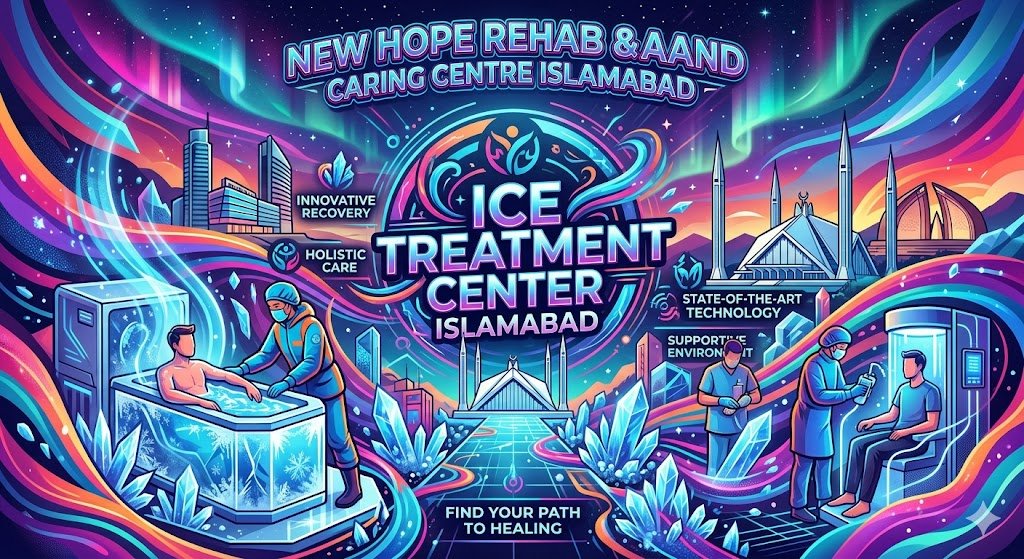
Crystal ice also known as crystal meth, Ice is a powerful, highly addictive stimulant that affects the central nervous system. Its use has devastating impact on the physical, emotional and psychological health of an individual which often permeates every aspect of their life. Be aware of how severe this state can get and make sure that you reach out to professionals in a timely manner so that it does not progress further.
Institutions like New Hope Rehab and Caring Centre Islamabad offer a beacon of hope for those caught in the cycle of substance abuse. A good Ice Treatment Center in Islamabad Pakistan is the one that guides individuals and families who are looking for an effective treatment center in a supporting environment. This article describes ice addiction; its impact and how tailor-made treatment programs can facilitate long-term recovery.
Understanding Ice (Methamphetamine) Addiction
Ice is a synthetic stimulant that triggers elevated levels of dopamine in the brain, producing overwhelming feelings of pleasure, energy and alertness. But, over time, continued use changes chemistry in the brain so that people cannot function normally without the drug.
With time, individuals may develop tolerance to the drug, needing higher doses to achieve the same effects. This cycle can often create a reliance, and an addiction. If you are looking for an Ice Treatment Center in Islamabad Pakistan, help is available to stop this cycle safely and effectively.
New Hope Rehab and Caring Centre Islamabad take a comprehensive approach to addiction treatment, with programs that address the physical and psychological sides of addiction.
What Causes an Ice Addiction?
Ice dependency is the result of a mix of individual, social and clusters transpirations.
Emotional and Psychological Factors
People might turn to using substances such as ice as a mode of escape because they are stressed, experiencing trauma or suffering from anxiety or depression.
Social Environment
The likelihood of experimenting with and using substances regularly may be heightened by peer pressure, witnessing the use of drugs, and availability.
Previous Substance Use
People with a substance abuse background might find themselves being more susceptible to meth addiction.
Factors considered while designing personalized Ice Treatment plans by one of the Professional Ice treatment Center in Islamabad, Pakistan
Symptoms and Signs of Ice Addiction
The signs of ice addiction are well known to those trained in the affairs of drugs.
Behavioral Symptoms
- Increased energy or hyperactivity
- Risk-taking behavior
- Neglecting responsibilities
- Social withdrawal
Psychological Symptoms
- Anxiety or irritability
- Mood swings
- Paranoia or confusion
- Difficulty concentrating
Physical Symptoms
- Rapid weight loss
- Sleep disturbances
- Increased heart rate
- Tiredness once the effects of drugs have gone away
If there are any of these signs, you should visit Ice Treatment Centre Islamabad Pakistan.
Health Impact of Long-Term Ice Use
The physical and mental impact of long-term ice use can be extremely serious.
Mental Health Impact
Chronic use can cause anxiety, depression and in some cases psychotic symptoms like hallucinations or paranoia.
Cognitive Effects
Ice can impact memory, decision-making and learning abilities — making it more difficult to get through everyday life.
Physical Health Risks
Long-term use can affect the cardiovascular system, suppress immune function and cause nutritional deficiencies.
The treatment programs at New Hope Rehab and Caring Centre Islamabad for these health challenges take an integrated approach.
Facilitation and Treatment at an Ice Treatment Center
Addiction to ice is a recovery with multi-dimensional aspects, and it requires not only re-structuring of its members world.
1. Medical Assessment and Detoxification
The first step is usually a comprehensive medical evaluation. This might also include detoxification under professional supervision to allow the body to eliminate the substance safely.
In a professional Ice Treatment Center in Islamabad, Pakistan detox is controlled and carried out under safe conditions.
2. Behavioral Therapy and Counseling
The chief goal of therapy as part of treatment programs is to help the individual understand how addiction occurs inside them and equip them with healthier coping techniques.
Common approaches include:
- Cognitive Behavioral Therapy (CBT)
- Individual counseling
- Motivational therapy
Therapeutic sessions are designed to nurture the transformation of emotion and behavior at New Hope Rehab and Caring Centre Islamabad.
3. Group Therapy and Peer Support
Support group sessions are a safe space where people can talk and learn from others who may be facing similar challenges. This idea of community can help combat isolation and build motivation.
4. Relapse Prevention and Aftercare
Addiction prevention is very important to learn and understand. Participants learned how to recognize their triggers and cope with cravings in healthy ways.
Aftercare programs offer ongoing assistance through counseling and lifestyle advice. Sustained recovery is supported by a clear strategy from an Ice Treatment Centre in Islamabad, Pakistan.
Lifestyle Changes for Long-Term Recovery
Recovery means the work of establishing a healthier and more equilibrium lifestyle.
Important changes include:
- Establishing a consistent routine
- Practicing stress management techniques
- Engaging in physical activity
- Building positive relationships
- Setting realistic goals
At New Hope Rehab and Caring Centre Islamabad, these changes are proposed to individuals on their path to recovery.
How Family Support Affects Recovery
Family engagement can play a major role in recovery. Be that friend or family who reassures someone else in distress.
Family counseling sessions can help improve communication and rebuild trust. Some programs in Ice Treatment Center in Islamabad, Pakistan allow such family support within the comprehensive treatment.
Frequently Asked Questions (FAQs)
1. What is ice addiction?
Ice addiction is a form of substance abuse where one develops an irresistible need for methamphetamine and continues to consume them despite underlying harmful symptoms.
2. How can you recognize ice addiction early?
Early signs include a boost in energy, mood swings, sleep issues and lots of poor responsibility management.
3. Do you need detox for ice addiction?
Before you start therapy, detox might be advised to help ease withdrawal symptoms safely.
4. How is ice addiction treated?
Pamphlets are an integral part of education manuals explaining the course and nature of such treatment, which often involves detoxification, therapy, counseling and relapse prevention strategies.
5. Is it possible for ice addiction recovery to lead to long-term sobriety?
Individuals can recover long-term with the right structure, treatment, and a strong change in both habits and lifestyle.
Conclusion
Ice addiction: The problem can interfere with all areas of an individual’s life and is serious. But with early intervention and professional treatment, recovery is possible. Knowing the risks and getting help at a professional treatment center can have a significant impact.
New Hope Rehab Caring Centre Islamabad are examples of facilities that offer ethical services with compassion according to the needs of a patient. An Ice Treatment Center in Islamabad, Pakistan offers a wide range of services: from medical aid and psychological therapy to long-term recovery programs.