+92 312 7493940

Self Love and Forgiveness: Healing From Within – Mental rehabilitation center in Islamabad Pakistan

Healing is more than just addressing what is obvious; it’s also about making mind and heart right. New Hope Rehab and Caring Center (Islamabad) We believe that recovery begins from within. Such concepts are anathema to many—but they are essential for healing, stability and long-term mental health. Our attitude – Being a reputable Mental Rehabilitation Center in Islamabad & Pakistan, we aim to help individuals reintegrate with themselves, reassert their self-worth and go onwards restored and resilient.

Understanding Self-Love in Mental Healing

Self-love is not selfish or vain. That, in mental health care, equates to identifying your own worth and respecting your emotional needs — being kind to yourself. Many who suffer from anxiety, depression, trauma or addiction carry the burden of deep guilt, shame or self-recrimination. There is little one mood can do when there is the lack of self-love, to facilitate healing.

In a professional Mental rehabilitation centre in Islamabad Pakistan, self-love is promoted as a healthy basis for recovery. It teaches people to become attuned with their emotions, set boundaries and make decisions that promote mental wellbeing. Learning to love themselves helps patients accept where they are in life without reacting with negativity, and this is necessary for true change.

The Function of Forgiveness in Emotional Healing

Another very strong medicine in mental healing is forgiveness. It is not the same as forgetting or excusing pain. Forgiveness is not about the other person but freeing one’s mind from emotional baggage that holds it hostage in the past. The inability to let go of anger, resentment or regret can contribute to feeling stressed, anxious and emotionally depleted.

Forgiveness is handled thoughtfully and ethically at New Hope Rehab and Caring Center Islamabad. Our experts walk people through forgiving others (or themselves) in their own time. This technique can result in emotional release, increased self worth and a new found peace of mind.

The Relationship Between Self Love and Forgiveness

Self love and forgiveness are closely related. It is hard to forgive out when you don’t give in first. So too is forgiving yourself when you understand your value transcends the mistakes you’ve made.

In such organized therapeutic setting (Mental rehabilitation center in Islamabad Pakistan) the elements of agreeableness and consciousness are well amalgamated into rehabilitation program as well as counseling sessions. Patients acquire insight into their feelings, learn to recognize automatic thoughts, and replace self-critical thinking with self-acceptance. This balanced approach over time can help diminish emotional pain and promote mental health.

Inner Awareness As A Gateway To Healing From Trauma

Numerous people in search of treatment for the mind have suffered emotional trauma, relationship problems and high levels of stress. Trauma has a way of screwing up how an individual sees themself and the world around them. Self Love-centric:Enterprise in the restoration of self trust, as Forgiveness helps release and even weakens the hold of painful past experiences.

Trauma-informed care is delivered at New Hope Rehab and Caring Center Islamabad in a protected, respectful and private environment. Our mental health team knows recovery from trauma takes both time and care, along with professional help. Promoting self-love enables patients to feel safe in themselves once more, and forgiveness grants emotional release and personal development.

Expert Help in a Mental Recovery Centre

Self-love and forgiveness are personal journeys but, hey, would a little professional help along the way hurt? A well-known Mental rehab in Islamabad Pakistan offers purposeful treatment, psychological tests and emotional assistance programmed according to the individual’s desires.

Since its inception New Hope Rehab and Caring Center Islamabad provides holistic treatment with moral values in healthcare. We’re not about band-aid solutions, we’re focused on real mental health. Through therapy, emotional education, and supportive services they are guided to healthier coping skills and stronger self.

Mental Well-Being and Long-Term Recovery

“Healing the mind is not about curing a particular disease; it’s really more about developing skills.” By loving ourselves, we are balanced in our emotions and by forgiving we prevent any emotional relapse that could arise from hurt unresolved.

As a leading Mental rehabilitation center in Islamabad Pakistan we stress on long term recovery. Patients are taught mindfulness, managing their emotional responses and talking to themselves. These activities encourage inner healing, contributing to a better quality of life after treatment.

The Formation of a Safe and Respectful Healing Space

We all need a supportive setting in which we can heal emotionally. At New Hope Rehab and Care Home Islamabad we offer a peaceful, respectful and nonjudgmental environment. People are respected and trauma is acknowledged, and there is no coercive force or unattainable promises.

This moral attitude will let patients feel they are heard and accompanied and allows for their courage to embrace love of self, leading by itself to forgiveness. When it comes to feeling safe, people are more willing to reflect, and grow, and heal.

What’s Inner Healing in Mental Rehabilitation

The external conditions by themselves are not enough to maintain mental health. Inner healing finds the reasons behind emotional illness. Self-love generates inner confidence and emotional resilience, while forgiveness frees individuals from pain and remorse.

A reputed mental rehabilitation center in Islamabad Pakistan understands that inner recovery is as necessary as medical treatment. Recovery that is centered on developing emotional intelligence and increasing personal well-being, the rehabilitation is not only more rewarding but a long-term solution as opposed to a simple fix.

Frequently Asked Questions (FAQs)

1. Why is loving yourself essential when it comes to mental rehab?

Self-love can allows a person to develop self-respect, lessen self-criticism and enhance emotional resiliency, which in turn helps for sustainable mental health.

2. Do you need to forgive in order to heal?

Forgiveness has the potential to decrease emotional stress and aid individuals in ridding themselves of negative feelings that can interfere with mental health.

3. Can self-forgiveness improve mental health?

Yes, forgiving oneself helps men and women forgive themselves for past failures and feelings of guilt — which in turn can bring emotional peace and strengthen their sense of self-worth.

4. What is the role of an emotional healing retreat?

Rehabilitation via Mental Health Center in Islamabad Pakistan When a professional therapy, emotional support and structured care are provided.

5. Is inner healing a part of professional mental health treatment?

Yes, ethical mental health care means emotional awareness, self-reflection and inner healing are part of the recovery process.

Conclusion

Loving yourself and forgiving yourself is not just some nebulous concept – it’s a fundamental part of your mental recovery. Developed in a caring and ethical space, they facilitate re-connection with self and forward moving momentum. At New Hope Rehab and Caring Center Islamabad, we realize that the journey to recover from within is a process which demands patience, empathy and professional help. As a reliable Mental rehabilitation hospital in Islamabad Pakistan, we believe people should get the help they need to gain back their inner strength and emotional balance to help them address these challenges for a better future – one step at a time.

Latest Post

Newsletter

Signup our newsletter to get free update, news or insight. 

Related Article

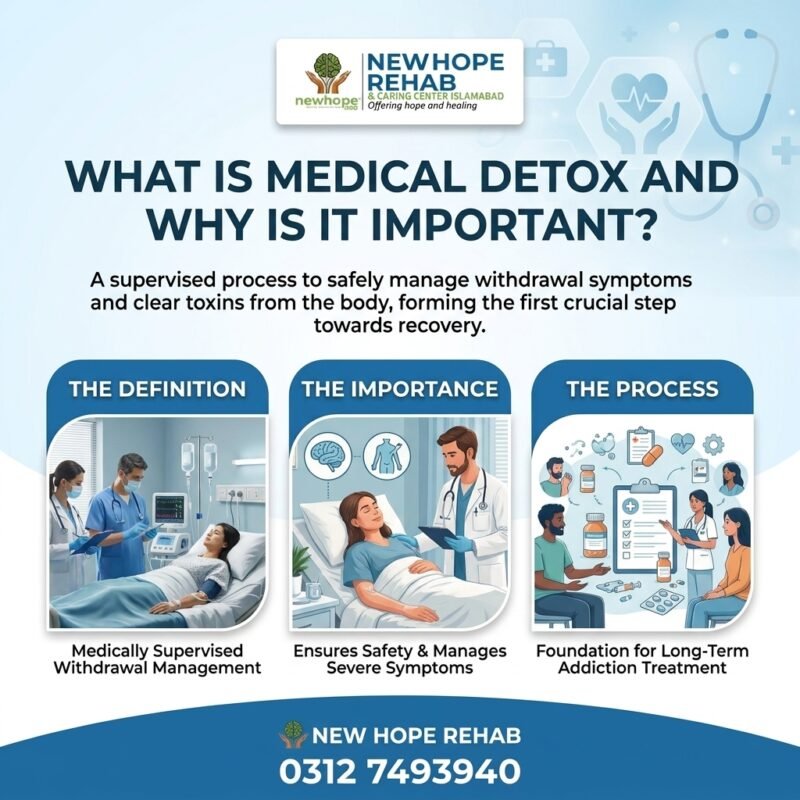
What Is Medical Detox and Why Is It Important?
Medical Detox

What Is Medical Detox and Why Is It Important?

Medically Managed Detox: This is often the first step in most people with drug or alcohol dependence. Abuse of particular chemical will cause the body to be reliant on them. Suddenly stopping can lead to withdrawal symptoms that may be uncomfortable all the way to life-threatening. Medical detox also offers care and supervision during this time. The medical detox ensures a withdrawal management, minimization of health risks and provision and preparation for the subsequent addiction rehabilitation program. Detox may not address everything that needs to be treated in order for someone to recover from addiction, but it can provide a safer baseline for the longer-term recovery process. Gaining insight into what medical detox is and its importance will assist an individual or a family in making decisions about professional assistance. What Is Medical Detox? Medical detox, or medically managed withdrawal management (MWM) is when a healthcare professional helps a person stop or decrease use of an addictive substance while monitoring their physical and mental condition during the process. The body learns to function without a substance that it has been spoiled by during this detoxification period. Withdrawal can manifest as anxiety, nausea, sweating, shaking sleep disturbances or intense cravings depending on the drug and health of the individual. These are symptoms that health care providers evaluate and treat. This could include monitoring vital signs, replacing fluids lost to dehydration, providing supportive care and considering the use of appropriate medications. Medically supervised detoxification may be necessary for alcohol, opioids (such as morphine), benzodiazepines and other substances. How strict the supervision is, depends on the substance in question, their medical history, how severe their withdrawal experiences have been and an estimate of whether they are likely to experience complications. Why Is Medical Detox Important? There are various reasons a medically supervised detox, where a medical professional is present at all stages, to monitor how withdrawal affects both the body and mind. Acute symptoms can also be managed until you get the necessary treatments needed, while a few need immediate medical attention. 1.     It Helps Manage Withdrawal Symptoms This is an addictive disorder, and quitting a substance without help can be difficult due to withdrawal symptoms. And in withdrawal, it can feel like physical pain, anxiety, irritability, nausea all at once as well as sweating and cravings. Medical detox helps health care professionals evaluate symptoms and treat appropriately. This support can assist with managing the withdrawal process and identifying complications early. 2.     It Lowers the Risk of Advanced Extremities Some of these substances can have life-threatening withdrawal effects. Sample text:Seizures or delirium can occur with severe alcohol withdrawal and are a potential complication of benzodiazepine withdrawal. This medical oversight also helps professionals identify red flags to adjust the course. Medical advice must be sought for persons who may be physically dependent on alcohol or benzodiazepines before suddenly stopping these agents. 3.     It Provides Professional Monitoring While in detox, healthcare providers may assess heart rate, blood pressure, temperature, hydration, mental status and other health data as needed. This is especially true for patients with chronic illnesses, past history of extreme withdrawal, active pregnancy, or dependence on multiple substances, and monitoring in these populations. 4.     It Sets the Stage for Other Treatment Detox manages the pretty immediate effects of stopping a substance, but it does not automatically take care of cravings, emotional problems & other addictive behaviors. Aftercare is defined as any service or support one receives after detox that may include a counseling program, medication treatment, rehabilitation, peer support group or ongoing medical care. Planning these following steps before the detox process ends can help individuals transition into active treatment without any breaks in between. Signs Your Friend Might Need Medical Detox Whether you need medical detoxification depend on the substance used and duration of use along with general health conditions. Physical dependence or severe withdrawal warning signs include: Shaking, sweating, or restlessness if the use of substances is delayed. Nausea and/or vomiting, or major changes in sleep Compulsive Use of Substance or Impaired Control: Intense desires to use (craving) or unsuccessful efforts in controlling substance use. Maintaining more and more considerable levels of a drug to accomplish the same outcome. Withdrawal symptoms with reducing or stopping use. Seizures, hallucinations or severe confusion during withdrawal previously. Regular use of alcohol, sedatives or other drugs to lower tension and an enduring wish to cease using Such signs, however, alone do not make a diagnosis. This enables a qualified healthcare professional to evaluate the person’s circumstances and recommend an appropriate level of care. Get emergency help if a seizure, severe confusion, hallucinations, trouble breathing, or unusual tiredness or weakness occur. What Happens During Medical Detox? The process is patient specific and depends on the drug, health condition and severity of the dependence. A common process has multiple stages. 1.     Initial Assessment What normally begins with a medical and substance use assessment. Other questions may include the substances used, frequency and duration of use, if any withdrawal was previously experienced, what medications were prescribed during past efforts to stop using drugs or alcohol, and what medical conditions are currently being treated. It will assess the most likely risks for withdrawal and establish whether inpatient oversight, outpatient support or another care level is indicated. 2.     Withdrawal Management After the care plan has been set, healthcare experts monitor the person’s sickness signs and symptoms and situation. This may involve fluids as needed, nutritional care, symptom management, rest and a calm environment. Some may be treated with medication to lessen withdrawal symptoms or avoid complications. The medicines used will depend on the substance involved and what the person needs. 3.     Ongoing Monitoring and Support The signs of withdrawal do not remain the same as time passes. Monitored by healthcare professionals to note progress and adjust care plan when needed. The emotional support is also very important as they may feel anxiety, low, mood and irritable and cravings when they are going through withdrawal of the drugs. Staff could also

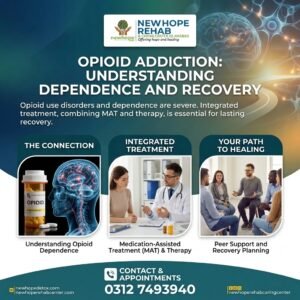
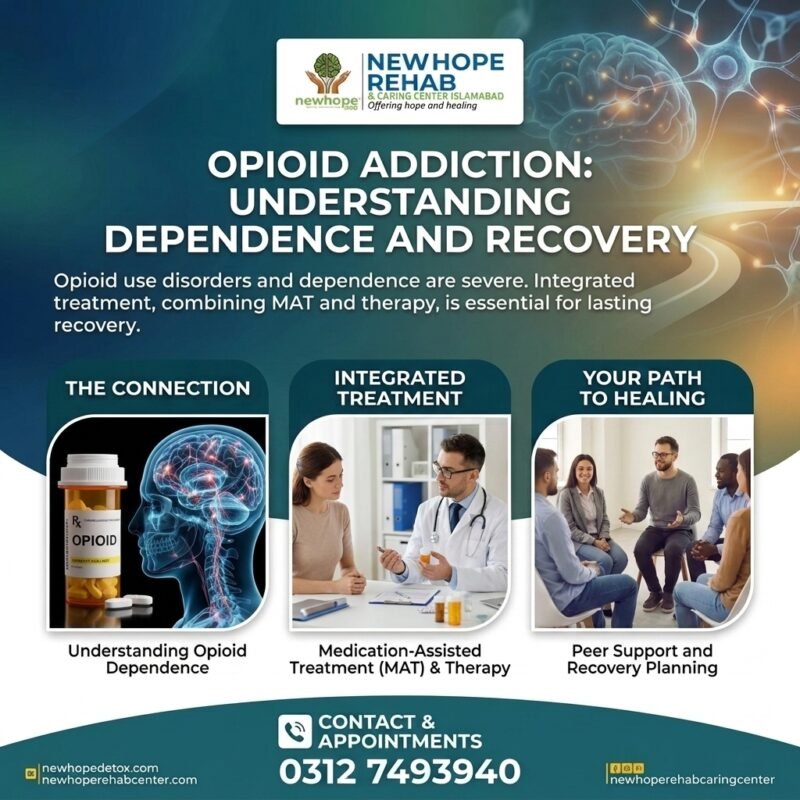
Opioid Addiction: Understanding Dependence and Recovery
Opioid Addiction

Opioid Addiction: Understanding Dependence and Recovery

Opioid addiction is a serious health condition that can affect a person’s physical health, mental well-being, relationships, and daily life. Opioids are medicines used to treat pain, but some opioids can also cause dependence and addiction. When opioid use becomes difficult to control, a person may continue using them despite harmful effects on their health or personal life. The good news is that opioid addiction is treatable. With appropriate medical care, counseling, and ongoing support, people can manage dependence and work toward long-term recovery. Understanding the signs of opioid addiction and the available treatment options is an important first step toward getting help. What Is Opioid Addiction? Opioids are substances that act on opioid receptors in the brain and body to reduce pain. They include prescription medicines such as oxycodone, morphine, and codeine, as well as illicit opioids such as heroin. Fentanyl is a powerful synthetic opioid used medically in specific circumstances and also found in illicit drug supplies. Opioids can be helpful when prescribed and used appropriately. However, they can also produce feelings of relaxation or pleasure, which may contribute to repeated use and dependence. Opioid use disorder, commonly called opioid addiction, is a medical condition involving a pattern of opioid use that becomes difficult to control and causes significant problems in daily life. It is not simply a lack of willpower. Biological, psychological, and social factors can all contribute to its development. Understanding Opioid Dependence Opioid dependence and opioid addiction are related, but they are not exactly the same. Physical dependence develops when the body adapts to regular opioid exposure. If a person suddenly reduces or stops taking opioids, withdrawal symptoms may occur. Physical dependence can develop even when someone takes medication as prescribed. Opioid addiction, or opioid use disorder, involves difficulty controlling use despite negative consequences. A person may experience strong cravings, spend considerable time obtaining or using opioids, or continue taking them even when they harm health, relationships, or responsibilities. Recognizing this difference is important because physical dependence alone does not necessarily mean someone has an addiction. A healthcare professional can assess symptoms and recommend appropriate care. Common Signs and Symptoms of Opioid Addiction The signs of opioid addiction can vary depending on the substance, the amount used, the duration of use, and the person’s health. Common warning signs include: Strong cravings or a persistent desire to use opioids. Taking more medication than intended or using it more often than prescribed. Repeated unsuccessful attempts to reduce or stop use. Spending significant time obtaining, using, or recovering from opioids. Neglecting work, education, family, or other responsibilities. Continuing opioid use despite physical, emotional, or social problems. Experiencing withdrawal symptoms when opioid use is reduced or stopped. Developing a higher tolerance, meaning more of the substance is needed to produce the same effect. Some people may hide their opioid use because of shame or fear of judgment. Responding with compassion rather than blame can make it easier for them to seek help. Causes and Risk Factors of Opioid Addiction There is no single cause of opioid addiction. It can develop through a combination of medical, psychological, environmental, and biological factors. Prescription Opioid Use Some people first encounter opioids after surgery, an injury, or treatment for a painful condition. Although many patients use these medicines without developing an addiction, prolonged exposure or other risk factors can increase the chance of problems. Taking opioids only as prescribed reduces some risks, but it does not eliminate the possibility of physical dependence or opioid use disorder. Mental Health Challenges People experiencing depression, anxiety, trauma, or severe stress may use opioids in an attempt to cope with emotional distress. The relief may be temporary, while repeated use can create additional health and personal difficulties. Social and Environmental Factors Social pressure, exposure to substance use, family difficulties, isolation, and limited access to healthcare may increase vulnerability. These factors do not determine a person’s future, but they can influence the risk of developing a substance use disorder. Previous Substance Use Problems A personal history of substance use problems may increase the risk of opioid addiction. A family history of addiction may also contribute through genetic and environmental influences. Understanding these factors can help healthcare professionals develop treatment plans that address the whole person. The Health Risks of Opioid Addiction Opioid addiction can affect nearly every area of life. Beyond the risk of dependence, opioids can slow breathing, reduce alertness, and impair judgment. Potential complications include: Overdose: Opioids can suppress breathing, potentially causing brain injury or death. Physical health problems: Long-term use may contribute to constipation, hormonal changes, sleep-related breathing problems, and other complications. Mental health concerns: Opioid use disorder may occur alongside depression, anxiety, or other mental health conditions. Relationship difficulties: Secrecy, financial strain, and changes in behavior may affect family and social relationships. Problems with work or education: Cravings, intoxication, and time spent obtaining opioids may interfere with daily responsibilities. Infection risks: Injecting opioids can increase the risk of serious infections, including HIV and hepatitis, particularly when equipment is shared. Recognizing an Opioid Overdose An opioid overdose is a medical emergency. Warning signs can include very slow or absent breathing, inability to wake the person, a limp body, and blue or gray lips or fingertips. If an overdose is suspected, contact local emergency services immediately. Give naloxone if it is available and follow the product instructions. Naloxone can temporarily reverse an opioid overdose, but emergency medical care is still necessary because symptoms may return. If the person is not breathing normally, follow the emergency dispatcher’s instructions for rescue breathing or CPR if you can. Do not leave the person alone. Opioid Withdrawal: What to Expect When someone who is physically dependent on opioids stops or sharply reduces use, withdrawal symptoms may develop. Symptoms and their duration depend on the opioid involved, the pattern of use, and the person’s health. Common symptoms include: Muscle aches and body pain. Sweating, chills, or a runny nose. Restlessness, anxiety, or irritability. Trouble sleeping. Abdominal cramps, nausea, vomiting, or

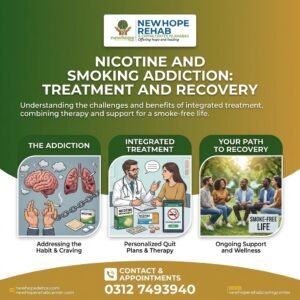
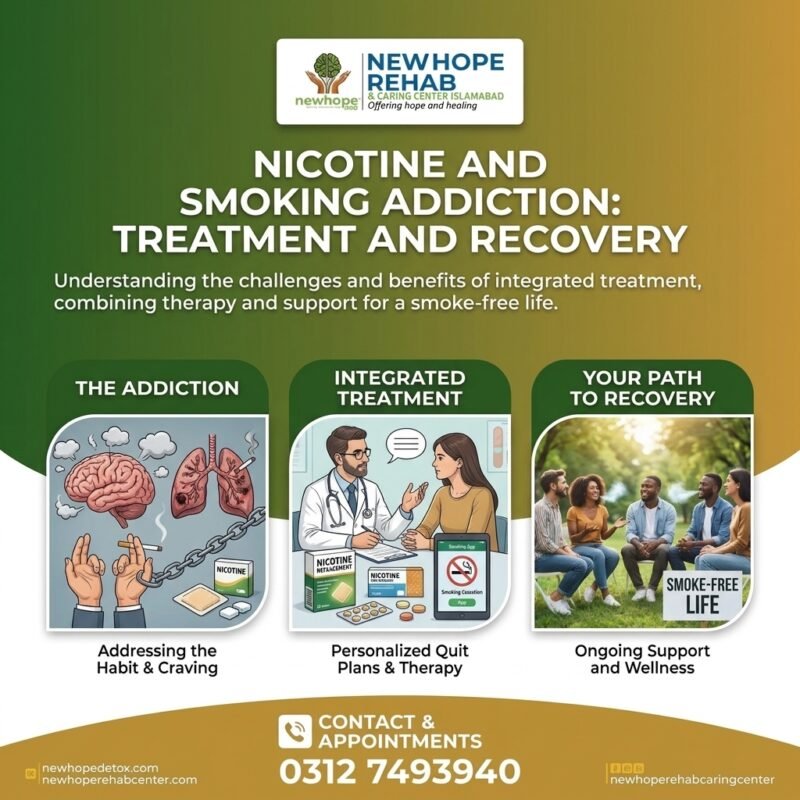
Nicotine and Smoking Addiction: Treatment and Recovery
Nicotine and Smoking Addiction

Nicotine and Smoking Addiction: Treatment and Recovery

Nicotine and smoking addiction are common health concerns that can affect a person’s physical health, emotional well-being, and daily life. Although many people start smoking because of curiosity, stress, or social pressure, nicotine can quickly lead to dependence. Over time, quitting may become difficult, even when someone understands the health risks. The good news is that nicotine addiction is treatable, and recovery is possible with the right support, practical strategies, and a plan that fits individual needs. Whether a person smokes cigarettes regularly or uses other nicotine products, understanding addiction is an important first step toward a healthier life. What Is Nicotine and Smoking Addiction? Nicotine is an addictive substance found naturally in tobacco. When a person smokes, nicotine enters the bloodstream through the lungs and reaches the brain quickly. It affects brain pathways involved in reward, attention, and mood, creating temporary feelings of pleasure or relief. With repeated use, the brain adapts to nicotine. A person may begin to need it to feel normal, manage cravings, or cope with everyday stress. This pattern is known as nicotine dependence. Smoking addiction can involve more than physical dependence. Certain routines, places, emotions, and social situations can also trigger the urge to smoke. For example, someone may associate cigarettes with drinking tea, taking work breaks, driving, or spending time with friends. Common Signs of Nicotine and Smoking Addiction Recognizing the signs of addiction can help someone decide when it is time to seek support. Common signs include: Feeling a strong urge to smoke or use nicotine. Finding it difficult to reduce or stop nicotine use. Experiencing irritability, anxiety, or restlessness when unable to smoke. Smoking soon after waking up. Continuing to smoke despite health concerns. Using nicotine to cope with stress or difficult emotions. Returning to smoking after previous attempts to quit. Spending significant time or money obtaining and using tobacco products. Not everyone experiences every sign. However, repeated difficulty controlling nicotine use may indicate dependence and a need for additional support. Health Risks of Smoking and Nicotine Dependence Smoking harms nearly every organ in the body. Cigarette smoke contains thousands of chemicals, including substances that damage cells and increase the risk of serious disease. Long-term smoking is associated with several health problems, including: Lung disease: Smoking increases the risk of chronic obstructive pulmonary disease (COPD) and other breathing problems. Heart disease and stroke: Tobacco smoke damages blood vessels and raises cardiovascular risk. Cancer: Smoking increases the risk of lung cancer and several other types of cancer. Reduced physical fitness: People who smoke may experience shortness of breath and reduced stamina. Pregnancy complications: Smoking during pregnancy can increase risks to both the pregnant person and the developing baby. Secondhand smoke exposure: Smoke can harm family members and others nearby, especially children. Nicotine itself is highly addictive and can affect heart rate and blood pressure. The major long-term health damage from smoking comes from exposure to the harmful chemicals in tobacco smoke. Quitting can improve health at any age. Even people who have smoked for many years can benefit from stopping. Why Is Quitting Smoking So Difficult? Quitting smoking can be challenging because nicotine dependence involves physical, emotional, and behavioral factors. Physical Dependence The brain becomes accustomed to regular nicotine exposure. When nicotine levels fall, withdrawal symptoms may appear. These can include cravings, irritability, difficulty concentrating, restlessness, low mood, and sleep disturbances. Emotional Triggers Some people use smoking to cope with stress, sadness, boredom, or anxiety. Without other coping strategies, these emotions can trigger a strong desire to smoke. Daily Habits Smoking may become linked to familiar routines, such as drinking coffee, finishing a meal, or taking a break at work. These associations can remain even after the physical withdrawal symptoms begin to improve. Social Pressure Being around people who smoke can make quitting more difficult. Social gatherings and familiar smoking environments may trigger cravings, especially during the early stages of recovery. Understanding these triggers helps people prepare for difficult moments instead of relying on willpower alone. Nicotine and Smoking Addiction Treatment Options There is no single approach that works for everyone. Effective treatment often combines behavioral support, practical changes, and medication when appropriate. 1. Behavioral Counseling Counseling can help people understand why they smoke and identify situations that trigger cravings. A trained professional may help develop strategies for managing stress, changing routines, and responding to urges. Counseling can be provided individually, in groups, or through telephone-based support, depending on availability. 2. Nicotine Replacement Therapy Nicotine replacement therapy (NRT) provides nicotine without the harmful chemicals found in cigarette smoke. Products may include patches, gum, lozenges, inhalers, or nasal sprays, depending on what is available locally. These products can help reduce withdrawal symptoms and cravings while a person stops smoking. A healthcare professional or pharmacist can help determine which option is appropriate. 3. Prescription Medication Certain prescription medicines can help people quit smoking by reducing cravings or making smoking less rewarding. Options may include varenicline or bupropion, depending on local availability and a person’s medical history. These medicines are not suitable for everyone. A healthcare professional should review potential benefits, side effects, other medications, and relevant health conditions before treatment begins. 4. Quit Plans and Lifestyle Changes A practical quit plan can make recovery more manageable. Helpful steps include choosing a quit date, removing cigarettes and lighters, identifying personal triggers, and planning alternatives for common smoking situations. Physical activity, regular sleep, drinking water, and healthy routines may also support well-being during withdrawal. These changes work best alongside evidence-based cessation support when needed. 5. Professional Support for Complex Dependence Some people have repeated unsuccessful quit attempts or use smoking to cope with significant emotional distress. Others also struggle with alcohol or other substance use. In these situations, professional assessment can help identify the most suitable combination of support. Treatment should address the person’s overall health and circumstances rather than focusing only on cigarette use. Understanding Nicotine Withdrawal Nicotine withdrawal is a common part of quitting. Symptoms can begin within hours after the last use,

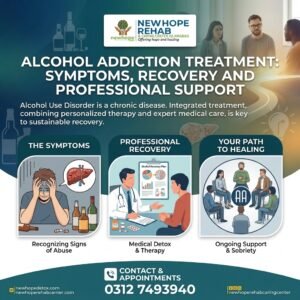
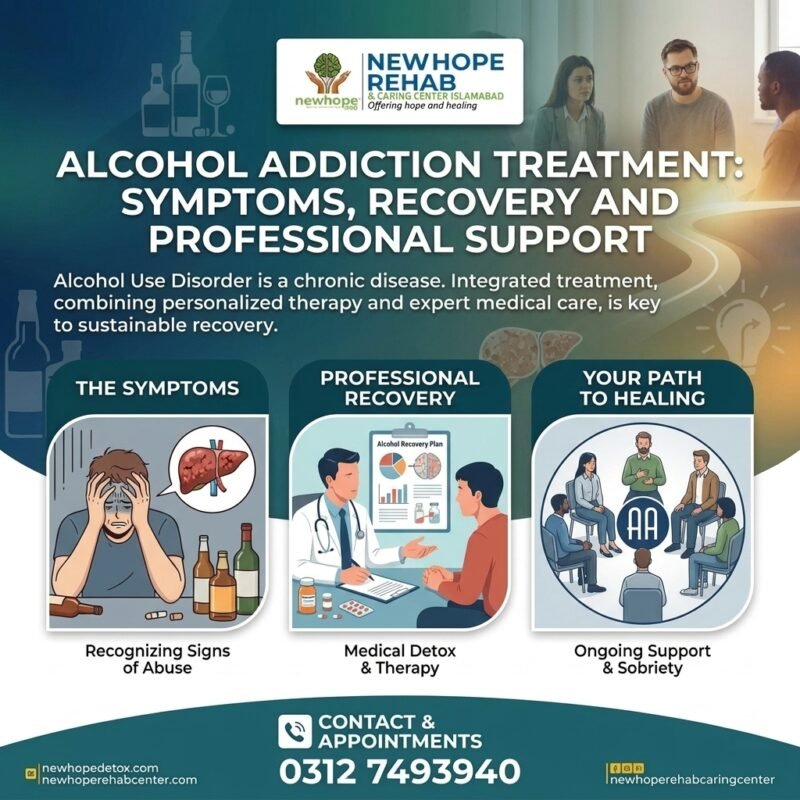
Alcohol Addiction Treatment: Symptoms, Recovery and Professional Support
Alcohol Addiction Treatment

Alcohol Addiction Treatment: Symptoms, Recovery and Professional Support

Alcohol addiction treatment helps people who struggle to control their drinking and experience negative effects on their health, relationships, or daily responsibilities. Alcohol use disorder can affect physical health, mental wellbeing, family life, and work. With appropriate medical care, psychological support, and a personalized recovery plan, many people can make meaningful progress toward a healthier life. Recognizing the signs of alcohol addiction is an important first step. Whether someone has been drinking heavily for years or has recently noticed a loss of control, seeking professional support can help them understand their options and choose an appropriate treatment approach. What Is Alcohol Addiction? Alcohol addiction is commonly associated with alcohol use disorder (AUD), a medical condition in which a person has difficulty controlling alcohol use despite harmful consequences. It can range from mild to severe. A person may develop a strong urge to drink, need more alcohol to experience the same effects, or continue drinking despite problems with health, family, finances, or work. Alcohol addiction is not simply a lack of willpower. It can involve changes in brain function, emotional health, behavior, and physical dependence. Early assessment can help identify the severity of the problem and determine what type of care may be appropriate. Common Signs and Symptoms of Alcohol Addiction Alcohol use disorder can develop gradually, so its warning signs may not always be obvious. Common signs include: Drinking more or for longer than intended Repeatedly trying to cut down without success Strong cravings for alcohol Spending considerable time drinking or recovering afterward Neglecting family, work, or educational responsibilities Continuing to drink despite health or relationship problems Giving up activities because of drinking Developing tolerance and needing more alcohol for similar effects Experiencing withdrawal symptoms when alcohol use decreases Not everyone experiences all these symptoms. A healthcare professional can assess drinking patterns and related health concerns. Why Professional Alcohol Addiction Treatment Matters Alcohol addiction can affect several aspects of a person’s life at the same time. Heavy or prolonged drinking may contribute to liver disease, digestive problems, cardiovascular complications, memory difficulties, sleep disruption, depression, and anxiety. Professional treatment can help address these risks while supporting the person through behavioral and emotional changes. Treatment may help individuals understand their drinking patterns, manage cravings, develop healthier coping strategies, address co-occurring mental health concerns, and create a plan for maintaining recovery. Alcohol Withdrawal: Why Medical Supervision Can Be Important When someone who has been drinking heavily or regularly suddenly stops or sharply reduces alcohol use, withdrawal symptoms may develop. These can include: Trembling or shaking Sweating Nausea or vomiting Anxiety or restlessness Headaches Insomnia Increased heart rate Severe alcohol withdrawal can cause seizures, hallucinations, or delirium tremens, a potentially life-threatening condition. People who may be physically dependent on alcohol should seek medical advice before stopping suddenly. Clinicians can assess withdrawal risk and determine whether supervised withdrawal management is necessary. Seizures, severe confusion, hallucinations, or loss of consciousness require emergency medical attention. Types of Alcohol Addiction Treatment The right treatment depends on the person’s drinking history, physical health, withdrawal risk, mental health, and support system. 1. Medical Assessment and Detoxification Treatment often begins with an assessment of alcohol use, medical history, medications, and mental health. If withdrawal is expected, clinicians may recommend medically supervised withdrawal management. Detoxification helps the body manage the immediate effects of stopping alcohol. However, detox alone does not address the behavioral, emotional, and social factors that contribute to addiction. Continued treatment is often important. 2. Behavioral Therapy and Counseling Counseling can help people identify triggers, understand their relationship with alcohol, and develop healthier responses to stress. Cognitive behavioral therapy (CBT) may help individuals recognize patterns of thinking and behavior associated with drinking. Other evidence-based approaches may support motivation, goal-setting, and long-term changes. 3. Medication for Alcohol Use Disorder Certain medications may help reduce cravings or support recovery for appropriate patients. Options can include naltrexone and acamprosate, while disulfiram may be suitable in selected circumstances. These medications are not appropriate for everyone. A qualified clinician should consider medical history, liver and kidney health, other medications, and individual treatment goals before recommending them. Medication should be combined with appropriate follow-up and support. 4. Residential or Inpatient Treatment Some people benefit from a structured treatment environment, particularly when they have significant medical or psychological needs, repeated difficulties maintaining recovery, or an unsafe home environment. Residential treatment may provide a planned routine, counseling, medical coordination, and recovery-focused support. The appropriate level of care should be based on clinical assessment rather than assumptions that inpatient care is always necessary. 5. Outpatient Treatment and Continuing Care Outpatient treatment allows people to receive professional support while continuing many daily responsibilities. Depending on individual needs, it may include regular counseling, medical appointments, group sessions, and relapse-prevention planning. After an initial treatment program, continuing care can help people manage cravings, respond to stressful situations, and maintain progress over time. The Role of Mental Health in Alcohol Recovery Alcohol addiction may occur alongside depression, anxiety, trauma-related symptoms, or other mental health conditions. Some people drink to cope with emotional distress, but alcohol can worsen sleep, mood, and anxiety over time. When alcohol use disorder and a mental health condition occur together, coordinated care can help address both concerns. A treatment plan may include psychological therapy, psychiatric assessment, medication when appropriate, and strategies for managing stress without relying on alcohol. How Family Support Can Help With Alcohol Addiction Family members can play an important role by offering encouragement, maintaining respectful communication, and supporting access to treatment. Helpful approaches include: Talking calmly about concerns related to drinking Encouraging professional assessment Supporting attendance at appointments Establishing clear and healthy boundaries Avoiding blame, humiliation, or threats Learning to recognize signs of dangerous withdrawal or relapse Families should remember that they cannot control another person’s recovery. They can offer support while protecting their own physical and emotional wellbeing. Preventing Relapse After Alcohol Addiction Treatment Recovery continues after the initial treatment period. Some people experience cravings or return to drinking, especially during stressful periods. A