+92 312 7493940

Why Drug Addiction is rampant in Abbottabad and surrounding areas?

Why Drug Addiction is rampant

Why Drug Addiction is rampant in Abbottabad and surrounding areas?

Rehabilitation is a complex process involving different stages from initial detoxification and to psychiatric treatment that is ongoing and continued for a good long period of time until patients have been sober for over a number of years.

Abbottabad lies at the junction of kpk and Punjab and the city acts as a small trade hub for the region. It is imperative to note that the fewer economic opportunities and the downslide of the country’s economy has caused many joblessness and other social issues in the city. The onslaught for these problems and ongoing issues have caused youth of the city to stray from the mainstream and find solutions in adventurism and drug taking, like other parts of the country.

Solution for Drug Addiction Patients

If you or a loved one is struggling with addiction, it’s important to get help as soon as possible. Addiction can ruin lives and damage relationships, but there is hope. At New Hope Rehab Centre, drug addiction rehab centre in major cities of Pakistan, we offer a range of services to help our patients overcome their drug and alcohol addiction and start living a healthy, happy life.

Our programs are designed to meet the unique needs of each patient, and we offer a variety of services such as detox, counselling, and therapy. We also have a team of caring and experienced staff who are here to support our patients every step of the way. If you or someone you know needs help, please don’t hesitate to reach out to us. We are here to help you heal and start living a better life. In order to address these issues and find solutions for them, give them a peaceful and secure place to get rehabilitated from addictions and help in dealing with psychiatric problems our rehabilitation centre has created enormous opportunities for those seeking support.

How to reach Drug Addiction Treatment Centre in Abbottabad

The quickest way to reach the rehabilitation centre is contact or customer support. We have arrangements for picking up patients from onsite and moving them to the centres nearest to the patients, reach us at the phone numbers listed at the end of this page.

New Hope Rehabilitation Centre

The new hope rehabilitation centre is one of the finest and top most institutes as a Drug Addiction Treatment Centre providing not just medical based detox but also long term recovery of the patients so that they don’t have to suffer relapse of the disease.

As drug addiction is not just a habit but it has also been a disease and should be treated like that.

What is Relapse in Drug Addiction?

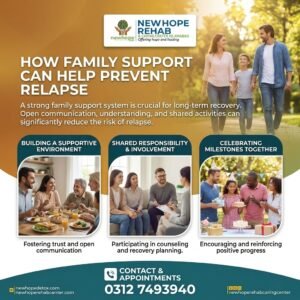
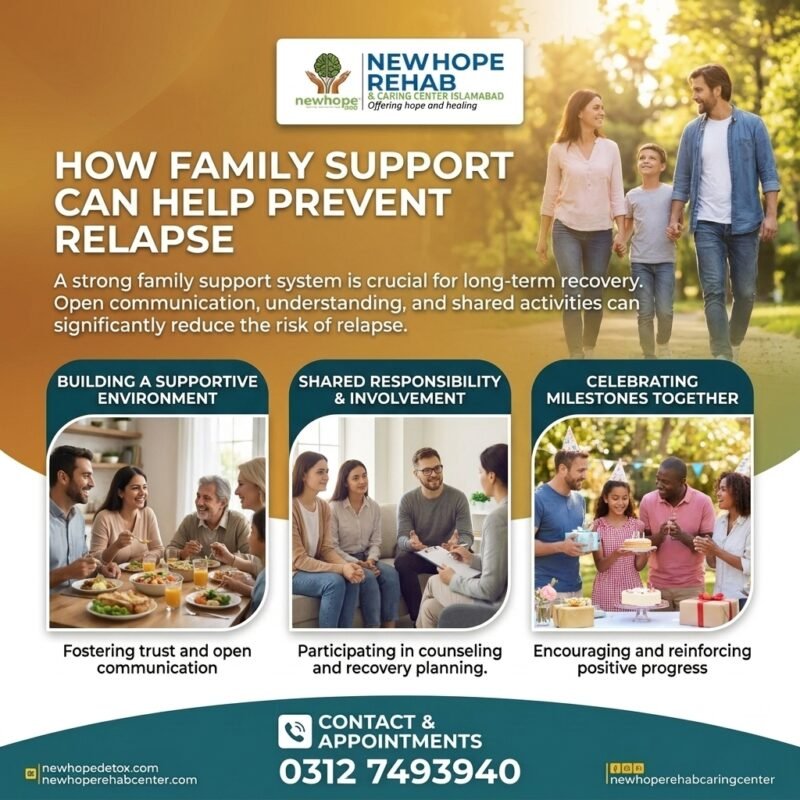
Relapse is a major problem which patients of drug addiction and alcoholism face because of incomplete and random treatment. In this case the role of the family should be very important and supportive so that they make sure that continued sessions are attended and the sober state is continued even after initial detoxification.

Relapse is a common occurrence among those who have struggled with drug addiction. In fact, according to the National Institute on Drug Abuse, up to 40% of people who have completed treatment for addiction will relapse within the first year. While this may seem like a discouraging statistic, there are things that can be done to prevent relapse and maintain sobriety in the long-term.

Here are a few tips to help prevent drug addiction relapse:

1. Stay in treatment. After completing a drug rehab program, it is important to continue attending therapy and support groups. This will help to keep you accountable and provide you with ongoing guidance and support.

2. Avoid triggers. It is important to avoid any places or people that may trigger a craving for drugs. If you know of certain places or situations that trigger your cravings, make sure to

Solution for Relapse Prevention

Health friendly environment and activities which induce faster recovery are the hallmark of the services of the new hope rehabilitation centre Islamabad. Qualified doctors and experienced medical staff play a healthy role in providing and speeding up the recovery procedure of drug addiction patients, making sure that only medically supervised detox is provided to the patient so that the treatment is authentic.

Supervision of Medical Doctors

Our medical board makes sure that the standard procedures are up to the mark of international standards and given the scope and viability provide the best possible administrative and medical assistance to the patients possible. If you want to enquire about the details of how to proceed with treatment for drug addiction, alcohol and psychiatric patients in Ahmedabad call or helpline for further information and detailed assistance.

Issues of Poverty in Northern Pakistan

Northern part of Pakistan is normally facing the issue of poverty as well it is also linked with lack of education and modern healthcare facilities so in this contact the hi rehab centre is one of the finest state of the art institutions providing solace and support for drug addiction patients.

Reach us for any emergencies related to drug addictions and psychiatric issues

Located in the city of Abbottabad and Islamabad, Pakistan, besides other cities of KPK and Punjab, our drug addiction rehab centre offers a comprehensive and multi-disciplinary approach to addiction treatment. Our highly qualified and experienced staff provides a range of services, including individual and group therapy, family counselling, and holistic therapies. We also offer a wide range of amenities and activities to help our patients heal in body, mind, and spirit.

If you find someone who is really struggling with addiction to drugs or alcohol or is having an excessive amount of anxiety and depression, we invite you to come and experience the healing power of our rehab centre. Our compassionate and knowledgeable staff will work with you to create a treatment plan that is tailored to the unique needs of the patient. We believe that recovery is possible for everyone, and we are dedicated to helping you achieve lasting sobriety.

We are available for all kinds of psychiatric and drug addiction emergencies and we have the option to arrange ambulances for pick up of patients as well.

New Hope is the Best Drug Rehabilitation Center in Islamabad, Pakistan

Related Article

Alcohol Addiction – Alcohol Addiction Treatment in Islamabad, Pakistan
Alcohol Addiction

Alcohol Addiction – Alcohol Addiction Treatment in Islamabad, Pakistan

Alcohol addiction is a serious yet treatable health condition that can affect every aspect of a person’s life, including physical health, mental well-being, family relationships, career, and social responsibilities. While alcohol is widely consumed in many parts of the world, excessive and repeated drinking can lead to dependence, making it difficult for individuals to stop without professional support. Early recognition and appropriate treatment can significantly improve recovery outcomes and overall quality of life. For individuals seeking Alcohol Addiction Treatment in Islamabad, Pakistan, understanding the causes, symptoms, and available treatment options is the first step toward recovery. At New Hope Rehab and Caring Centre Islamabad, comprehensive treatment programs provide compassionate, ethical, and evidence-based care tailored to each individual’s unique recovery needs. What Is Alcohol Addiction? Alcohol addiction, also known as alcohol use disorder (AUD), is a chronic condition in which a person loses control over alcohol consumption despite experiencing harmful physical, emotional, or social consequences. Over time, the body develops tolerance, requiring larger amounts of alcohol to achieve the same effects, while withdrawal symptoms may occur when drinking stops. Alcohol addiction is a medical condition that requires professional assessment and individualized treatment rather than willpower alone. Signs and Symptoms of Alcohol Addiction Recognizing the warning signs early can encourage timely treatment and improve long-term recovery. Common symptoms include: Strong cravings for alcohol Drinking more than intended Increased tolerance to alcohol Withdrawal symptoms when not drinking Mood swings and irritability Anxiety or depression Difficulty concentrating Poor work or academic performance Neglecting family and social responsibilities Continuing to drink despite negative consequences Symptoms vary depending on the severity and duration of alcohol use. Common Causes and Risk Factors Several factors may contribute to alcohol addiction. Mental Health Conditions Individuals living with anxiety, depression, trauma, or chronic stress may be more likely to misuse alcohol as a coping mechanism. Genetic Factors A family history of alcohol dependence may increase the risk of developing alcohol use disorder. Environmental Influences Peer pressure, stressful life events, and easy access to alcohol can contribute to problematic drinking patterns. Emotional Challenges Some individuals use alcohol to cope with grief, loneliness, relationship difficulties, or work-related stress. Health Effects of Alcohol Addiction Long-term alcohol misuse can affect nearly every organ in the body. Physical Health Risks Possible complications include: Liver disease High blood pressure Heart disease Digestive disorders Nutritional deficiencies Weakened immune system Sleep disturbances Increased risk of accidents and injuries Mental Health Effects Alcohol addiction may also contribute to: Depression Anxiety disorders Memory problems Emotional instability Poor concentration Increased psychological distress Addressing both addiction and mental health together often improves recovery outcomes. Why Professional Alcohol Addiction Treatment Is Important Stopping alcohol use without professional supervision may result in withdrawal symptoms that can range from mild discomfort to serious medical complications. A structured treatment program provides medical monitoring, psychological support, and individualized care throughout the recovery process. Seeking Alcohol Addiction Treatment in Islamabad, Pakistan may help individuals: Safely manage withdrawal symptoms Improve physical health Address the underlying causes of addiction Strengthen emotional well-being Learn healthy coping strategies Reduce the likelihood of relapse At New Hope Rehab and Caring Centre Islamabad, treatment plans are developed according to each person’s medical history, psychological needs, and recovery goals. Treatment Approaches for Alcohol Addiction Comprehensive Assessment Recovery begins with a detailed evaluation of physical health, mental health, and alcohol use history to create a personalized treatment plan. Medical Detoxification Supervised detoxification allows the body to eliminate alcohol while healthcare professionals monitor withdrawal symptoms and provide supportive care. Individual Counseling Counseling sessions help individuals understand the emotional and behavioral factors contributing to alcohol dependence while developing healthier coping mechanisms. Cognitive Behavioral Therapy (CBT) CBT is an evidence-based therapy that teaches individuals how to identify negative thinking patterns, manage triggers, and replace harmful behaviors with healthier choices. Group Therapy Group therapy encourages peer support, accountability, and shared learning experiences that strengthen recovery. Family Support Programs Family counseling helps improve communication, rebuild trust, and create a supportive home environment that promotes long-term recovery. Relapse Prevention and Aftercare Recovery continues beyond formal treatment. Long-term success often depends on ongoing support and relapse prevention planning. Helpful strategies include: Identifying personal triggers Managing stress in healthy ways Attending follow-up counseling Maintaining structured daily routines Building supportive relationships Participating in aftercare programs At New Hope Rehab and Caring Centre Islamabad, relapse prevention is incorporated into every stage of the recovery journey. Frequently Asked Questions (FAQs) 1. What is alcohol addiction? Alcohol addiction is a medical condition in which a person becomes dependent on alcohol and continues drinking despite experiencing harmful physical, emotional, or social consequences. 2. Can alcohol addiction be treated successfully? Yes. Professional treatment that includes medical detoxification, counseling, behavioral therapy, and ongoing support can help individuals achieve lasting recovery. 3. Why is medical detoxification important? Medical detoxification helps manage withdrawal symptoms safely and prepares individuals for continued rehabilitation and therapy. 4. Is therapy necessary during alcohol addiction treatment? Yes. Therapy helps individuals understand the underlying causes of addiction, manage triggers, improve coping skills, and reduce the risk of relapse. 5. How can family members support recovery? Family members can participate in counseling sessions, encourage healthy communication, provide emotional support, and help create a stable environment that supports long-term recovery. Conclusion Alcohol addiction is a serious but treatable condition that affects both physical and mental health. With early intervention, professional care, and continued support, individuals can overcome alcohol dependence and build healthier, more fulfilling lives. Seeking Alcohol Addiction Treatment in Islamabad, Pakistan provides access to comprehensive care that addresses both addiction and overall well-being. At New Hope Rehab and Caring Centre Islamabad, personalized treatment programs combine medical detoxification, evidence-based therapies, individual counseling, family support, and relapse prevention planning. Through compassionate and professional care, individuals receive the guidance and support needed to work toward lasting recovery, improved health, and a brighter future.

Relapse Control Program – Relapse Control Program in Islamabad, Pakistan
Relapse Control Program

Relapse Control Program – Relapse Control Program in Islamabad, Pakistan

Recovery from addiction is an ongoing journey that extends beyond completing detoxification or rehabilitation. One of the most important aspects of long-term recovery is preventing relapse through continuous support, healthy lifestyle changes, and evidence-based therapeutic strategies. A structured relapse control program helps individuals identify potential triggers, strengthen coping skills, and maintain lasting sobriety while improving their overall quality of life. For individuals seeking a Relapse Control Program in Islamabad, Pakistan, understanding the importance of relapse prevention is essential. At New Hope Rehab and Caring Centre Islamabad, relapse prevention is an integral part of every recovery plan, providing individuals with the knowledge, skills, and professional support needed to sustain long-term recovery. What Is a Relapse Control Program? A relapse control program is a structured treatment approach designed to help individuals maintain recovery after completing addiction treatment. Rather than focusing only on stopping substance use, relapse prevention teaches practical skills that help people recognize warning signs, manage stress, and respond to challenging situations without returning to drugs or alcohol. Recovery is a continuous process, and ongoing support plays a significant role in reducing the likelihood of relapse. Why Relapse Prevention Matters Addiction changes both brain function and behavior. Even after completing treatment, certain situations, emotions, or environments may trigger cravings. A relapse control program helps individuals develop healthier responses before these challenges become overwhelming. Benefits of relapse prevention include: Improved emotional resilience Better stress management Reduced risk of returning to substance use Greater confidence in recovery Stronger family and social relationships Improved mental and physical well-being Common Relapse Triggers Understanding personal triggers is one of the most effective ways to protect long-term recovery. Common triggers include: Emotional stress Anxiety or depression Conflict within relationships Social pressure Isolation or loneliness Financial difficulties Returning to environments associated with past substance use Major life changes Recognizing these situations early allows individuals to apply healthy coping strategies before cravings become difficult to manage. Signs That May Indicate a Risk of Relapse Relapse often develops gradually rather than occurring suddenly. Possible warning signs include: Increased stress Mood swings Withdrawing from supportive relationships Missing counseling appointments Romanticizing past substance use Difficulty sleeping Reduced motivation Ignoring healthy routines Early intervention during these stages can help prevent a return to substance use. Components of an Effective Relapse Control Program Individual Counseling Personal counseling helps individuals understand their emotional triggers, develop coping skills, and strengthen motivation for long-term recovery. Cognitive Behavioral Therapy (CBT) CBT helps individuals recognize negative thought patterns that contribute to relapse while learning healthier ways to respond to difficult situations. Group Therapy Group therapy provides peer support, shared experiences, encouragement, and accountability throughout recovery. Family Support Programs Family involvement can strengthen communication, rebuild trust, and create a supportive home environment that encourages lasting recovery. Lifestyle and Wellness Planning Healthy habits play an important role in preventing relapse. Individuals are encouraged to: Maintain regular sleep patterns Eat balanced meals Exercise regularly Practice relaxation techniques Build positive daily routines Engage in meaningful activities and hobbies The Role of Mental Health in Relapse Prevention Many individuals recovering from addiction also experience mental health conditions such as: Anxiety disorders Depression Trauma-related disorders Chronic stress Treating both addiction and mental health together improves emotional stability and supports sustainable recovery. Addressing these conditions through counseling and appropriate psychological care can significantly strengthen relapse prevention efforts. Ongoing Recovery Support Long-term recovery benefits from continued professional guidance even after formal rehabilitation has ended. Ongoing support may include: Follow-up counseling sessions Recovery coaching Family education Support groups Periodic progress assessments Personalized relapse prevention planning At New Hope Rehab and Caring Centre Islamabad, recovery plans are tailored to each individual’s unique needs, helping patients continue building healthy, substance-free lives. Frequently Asked Questions (FAQs) 1. What is a relapse control program? A relapse control program is a structured recovery plan that helps individuals maintain sobriety by identifying triggers, developing coping skills, and receiving ongoing professional support. 2. Does relapse mean treatment has failed? No. Relapse can occur during recovery and should be viewed as a signal that additional assessment and support may be needed rather than as a failure. 3. Who can benefit from a relapse control program? Anyone recovering from drug or alcohol addiction can benefit from relapse prevention, regardless of the stage of recovery. 4. Why is family involvement important? Family support encourages healthy communication, provides emotional encouragement, and helps create a stable environment that supports long-term recovery. 5. How long should relapse prevention continue? Relapse prevention is an ongoing process. Many individuals benefit from continuing counseling, support groups, and healthy lifestyle practices well after completing formal treatment. Conclusion Recovery from addiction does not end after detoxification or rehabilitation. Maintaining long-term sobriety requires continued commitment, healthy coping strategies, and professional support. A well-structured Relapse Control Program in Islamabad, Pakistan helps individuals recognize potential challenges, strengthen resilience, and confidently navigate life without returning to substance use. At New Hope Rehab and Caring Centre Islamabad, relapse prevention is integrated into every stage of recovery through individualized counseling, evidence-based therapies, family support, and comprehensive aftercare planning. By focusing on sustainable recovery rather than short-term change, individuals can build healthier relationships, improve emotional well-being, and move forward toward a more stable and fulfilling future.

Cocaine Addiction – Cocaine Addiction Treatment in Islamabad, Pakistan
Cocaine Addiction

Cocaine Addiction – Cocaine Addiction Treatment in Islamabad, Pakistan

Cocaine addiction is a substance use disorder (SUD) that results in severe medical illness, as well as psychological disorders. Cocaine, a powerful central nervous system stimulant that gives rise to transient states of energy, confidence and euphoria. Yet, the longer someone uses ketamine in this way, the more they will depend on it to function—making quitting without professional help very challenging. The effects of one being addicted to cocaine can affect relationships, careers and finances if not care for. Treatment Centers for Cocaine Dependency in Islamabad, Pakistan. Cocaine addiction requires not only medical and physical help, but also a lengthy process. In Pakistan’s New Hope Rehab and Caring Centre Islamabad these individuals are given compassionate treatment programs that have been scientifically proven to relieve trauma in order to enable the recovery of cocaine addiction whilst also maintaining long term physical and emotional wellbeing. What Is Cocaine Addiction? Cocaine addiction is a disease in which a person becomes physically or psychologically dependent on cocaine. Dopamine levels rise in the brain from this drug, creating incredibly euphoric feelings of pleasure and reward. The brain adapts to all of this, so over time it becomes impossible to feel even a little bit good without the substance. Over time as tolerance builds up, people tend to consume higher doses of the drug in order to feel the same effects, which can also lead to life-threatening health conditions. Signs and Symptoms of Cocaine Addiction Recognizing the signs of a cocaine addiction can lead to early intervention and successful treatment recovery. Common symptoms include: Intense cravings for cocaine Increased tolerance Mood swings Anxiety and restlessness Irritability Difficulty sleeping Loss of appetite Rapid weight loss Poor concentration Financial or legal issues due to drug use Ignoring family, work or education responsibilities These symptoms typically become worse as addiction advances. Causes and Risk Factors Multiple factors are responsible for cocaine addiction. Mental Health Disorders Those struggling with anxiety, depression, trauma, or chronic stress have a higher likelihood of developing substance use disorders. Peer Pressure and Social Environment The likelihood of experimenting or continuously using drugs is often linked to exposure to substance use among peers and in high-risk environments. Emotional Difficulties Others abuse cocaine to reduce emotional pain, assist with relationship struggles and grief, or alleviate job stress. Family History It was proposed that individuals with a family history of addiction or substance misuse may also play an important role in predisposing individuals to cocaine dependence. Health Risks of Cocaine Addiction Cocaine has been shown to cause long-lasting effects on many organs and systems. Physical Health Risks Potential complications include: High blood pressure Irregular heartbeat Heart attack Stroke Respiratory problems Seizures Malnutrition Increased risk of overdose Mental Health Effects Cocaine use disorder can also lead to: Anxiety Depression Panic attacks Paranoia Hallucinations Memory impairment Emotional instability Treating a dual-diagnosis of addiction and mental health issues simultaneously can be key to lasting recovery. Why It Is Important to Seek Professional Cocaine Addiction Treatment Without professional assistance, Cocaine Detox can be difficult given the pronounced cravings associated with cocaine use and psychological dependence on the substance. It simply means that a structured treatment program is usually the way to go, since it provides medical supervision, counseling and behavioral support. Take help with seeking Cocaine Addiction Treatment in Islamabad, Pakistan can support an individual with: Safely manage withdrawal symptoms Reduce cravings Improve emotional well-being Treating the root causes of addiction Learn healthy coping skills Reduce the risk of relapse For its part, New Hope Rehab and Caring Centre Islamabad offers customized treatment plans based on medical history, mental health needs and recovery goals. Treatment Approaches for Cocaine Addiction Comprehensive Assessment Recovery process starts with a comprehensive assessment of physical the health, mental health, substance abuse history to formulate a personalized plan for treatment. Medical Detoxification Detoxification provides a period of elimination from cocaine in a medically monitored environment that attends to the withdrawal symptoms and psychological needs. Individual Counseling This individual therapy will assist individuals in understanding the link between their thoughts, emotions, behaviour and their addiction, while instilling healthy coping methods. Cognitive Behavioral Therapy (CBT) Cognitive Behavior Therapy (CBT) is an approach that helps you identify negative thought patterns, cope with triggers while getting rid of maladaptive behaviors and substituting unhealthy behaviors for positive coping strategies. Group Therapy The group-facilitation process promotes peer support, mutual accountability and shared learning during recovery. Family Support Programs Family Therapy helps strengthen communication, rebuilds trust and allows family members to actively support the process of recovery. Relapse Prevention and Long-Term Recovery Recovery extends beyond completing treatment. Effective relapse prevention strategies are key components to be able to maintain sobriety over a long period of time. Important relapse prevention techniques include: Identifying personal triggers Practicing healthy stress management Attending ongoing counseling sessions Following structured daily routines Building supportive social relationships Participating in aftercare programs Relapse prevention planning is an integral part of your treatment at recovery new hope rehab and caring center Islamabad. Frequently Asked Questions (FAQs) 1.     What is cocaine addiction? Cocaine Addiction Cocaine addiction is a type of substance use disorder involving cocaine dependence generally properly referred to as use despite harm physical, emotional or social. 2.     Is cocaine treatment effective? Yes. Treatments vary but for more successful long-term recovery a combination of detoxification, counseling, behavioral therapy and continuing care is needed. 3.     What are the standard Cocaine withdrawal signs and symptoms? Signs of withdrawal include insomnia, fatigue, depression, anxiety, increased appetite and extreme cravings for the substance. 4.     What is the Role of Cognitive Behavioral Therapy (CBT) in Treatment? CBT teaches individuals to identify unhealthy thoughts, cope with cravings, develop coping strategies and reduce the ability of relapse. 5.     How do you help an addict to recover from cocaine addiction? Support from family can help both emotionally, providing encouragement, willingness to attend counseling sessions together and improve communication in addition to creating stability for long-lasting recovery. Conclusion Cocaine addiction is a serious but treatable disease of the brain and body. With

Home Based Treatment Program – Islamabad, Pakistan
Home Based Treatment Program

Home Based Treatment Program – Islamabad, Pakistan

Home treatment equips someone with professional addiction and mental health support from the comfort of their own home. For individuals who are medically stable and have a supportive home that is prepared to accept them, home-based care offers more flexibility, more privacy, and continuity of care while allowing the person to retain some ADLs. Nonetheless, this kind of treatment ought to be completely investigated and overseen by suitable clinical experts to guarantee it is fitting for the person’s condition. If you are looking for a Home-Based Treatment Program in Islamabad, Pakistan then the first place of knowledge is to learn what home based care means and who can benefit from it. The home-based treatment programs at the New Hope Rehab and Caring Centre Islamabad are designed based on your clinical symptoms, healing plan goals, and medical history. What is a Home-Based Treatment Program? What is a home-based treatment programmed? A Home Base Treatment programmed simply refers to the fact that your recovery or supportive services can be delivered at your home as opposed to in-clinic, with the same professionals who skill in delivering addiction and mental health services. While the services they offer vary by location, common options include monitoring for medical issues, counseling, psychotherapy, family education and relapse prevention. This method could be suitable for chosen individuals who have been assessed by appropriate healthcare specialists and do not need continuous inpatient look after. Benefits of Home-Based Treatment A home treatment program is a good option for those who: And mild to moderate substance use disorders Coming out of inpatient rehab Increased need for therapy and psychological care Have stable physical health Receive stable and nurturing home environments Work safely while dealing with family or work responsibilities Care at home is not always the best option, and a thorough clinical assessment will help answer whether it really is. Conditions That May Be Supported A home treatment program for you can help support those recovering from: Alcohol addiction Drug addiction Opioid dependence Heroin addiction Cocaine addiction Crystal Meth (ICE) addiction Cannabis dependence Anxiety disorders Depression Stress-related conditions Dual diagnosis (Concurrent Services ) Treatment options are based on the unique medical/psychological needs of the individual. Why a Home-Based Treatment Program Is Beneficial Home care can offer a number of benefits to suitable patients. Comfortable Recovery Environment Staying in an atmosphere they are used to may not keep pressure levels greater and could possibly allow them feel better inside whenever undergoing treatment. Family Involvement Family therapy sessions can also include education and counseling, allowing family members to learn more about recovering from addiction and how they can effectively help their loved one. Individualized Care You receive a treatment plan tailored meds to your health condition, recovery milestones and improvement. Greater Privacy For individuals whom want to heal in their surroundings, home-based care aka private healing ache is one such method of remedy. Continuity of Daily Life Depending upon the nature of your illness, some people might continue with certain work or academic or family obligations while in treatment. Components of Home-Based Treatment Comprehensive Assessment The treatment process starts with an extensive assessment of physical health, mental health, substance use history, and home situation. Individual Counseling Counseling sessions regularly help individuals get a better understanding of the emotional and behavioral aspects that are playing a role in his or her addiction to substances. Cognitive Behavioral Therapy (CBT) Cognitive-behavioral therapy (CBT) is an evidence-based approach that assists in identifying maladaptive thinking patterns and developing adaptive coping mechanisms. Family Counseling Fact: Family support is vital in recovery as it helps with communication, improves relationships, and promotes healthy lifestyle changes. Medication Management Monitoring prescribed medications when clinically appropriate can be part of the overall care process. Relapse Prevention Planning Patients are taught tools for identifying triggers, coping with stress and remaining sober in the long term. Never underestimate the need for mental health services Individuals in addiction treatment often suffer from mental health disorders as well, including: Anxiety Depression Chronic stress Trauma-related disorders Treating co-occurring mental-health and substance-use disorders may lead to better success for both problems. Is Home Based Treatment for Everyone? Not all individuals can be treated in the home setting. Individuals with serious withdrawal, the risk of medical complications due to drug use or other high-risk situations may need inpatient (also called residential) care before starting home treatment. An assessment by a trained professional allows to decide on the most appropriate and safe level of care for everyone. Recommended approach to treatment at New Hope Rehab and Caring Centre Islamabad depends on clinical assessment and the individual recovery needs of those in care. Frequently Asked Questions (FAQs) 1.     What is a home treatment program? Occupational Treatment delivers specialized addiction and mental well-being solutions at the residence of a patient using their individualized treatment strategy. 2.     Who is a candidate for home treatment? It may be suitable for medically stable patients with a good support system at home, who do not need 24-hour inpatient supervision. 3.     Do family members get treatment? Yes. Home-based recover systems often can said include family counseling and education. 4.     Does home-based treatment include counseling? Yes. For individuals, this may include individual counseling, CBT, family counseling as appropriate and support with relapse prevention planning. 5.     What factors determine that I am eligible for home-based treatment? Mental health experts conduct a full mental evaluation of the patient who includes their physical health, mental health, drug abuse background, and home life before consulting on the best autistic treatment option. Conclusion For patients who are clinically appropriate for care outside of a residential setting, a home-based treatment program can offer a variable and supportive alternative. Home-based treatment can also be an important part of long-term recovery when coupled with professional oversight, counseling, engaging family members, and a plan to prevent relapse. New Hope Rehab and Caring Centre Islamabad provide individualized, ethical, evidence-based Home-Based Treatment Program in Islamabad, Pakistan that support recovery while addressing the unique needs and challenges of each person. With careful