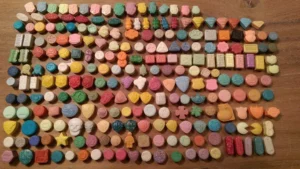
Ecstasy, chemically known as MDMA or “molly,” is a synthetic psychoactive drug that impacts mood, energy levels and perception. Though typically associated with social gatherings like parties or concert venues, misuse may result in dependency and serious health issues. As individuals start to use ecstasy for emotional relief or as a recreational experience, the gradual onset of addiction creates.
Hope and help for substance dependency: For the addiction prone, professional intervention and guidance can be life changing. Rehabilitation Services: Drug addiction treatment facilities such as New Hope Rehab and Caring Centre Islamabad offer structured support and rehabilitation services for individuals struggling with drug addiction. A comprehensive solution to addiction, the treatment for any drug abuse disorder must include both physical and psychological aspects, if you too are looking for such professional care than related people seek for & reliable Drug Rehabilitation Centre Islamabad Pakistan.
In this article, we discuss ecstasy addiction and how it develops, the signs of ecstasy use disorder, possible health risks associated with drug use, and the need for professional treatment programs that can offer long-term recovery.
Understanding Ecstasy Addiction
Ecstasy, which is also known as MDMA (3,4-methylenedioxymethamphetamine), is a hallucinogenic stimulant drug that enhances the release
of neurotransmitters in the brain like serotonin and dopamine. These chemicals affect mood, emotions and the brain’s reward system.
The initial experience may cause euphoric feelings, extra energy and an increased emotional connection; however, continued use can lead to dependence. Over time, people might find they need to take greater quantities to achieve the same effects.
A Drug Rehabilitation Centre Islamabad, Pakistan people usually seek treatment when ecstasy use starts having an impact on their daily life, relationships or mental health.
Ecstasy Addiction Causes and Risk Factors
There are many potential reasons for becoming addicted to ecstasy. Recognizing these signs can help individuals and families understand when to seek professional support.
Social and Environmental Influences
Drugs like ecstasy among peers and the social environment in which substance use is normalized also influence whether you are likely to experiment.
Emotional and Psychological Stress
People who suffer from emotional distress, anxiety or personal problems may also turn to substances in the hope of temporarily “numbing” difficult feelings.
Curiosity and Recreational Use
People experiment with ecstasy out of curiosity or for fun at first. But over time of repeated use, it can cause a dependency.
At New Hope Rehab and Caring Centre Islamabad, we recognize that effective treatment must address the underlying causes of substance use. For this reason, our treatment programs are designed to uncover these factors so that recovery plans can include both behavioral and emotional components for addiction.
Signs and Symptoms of Ecstasy Addiction
Learn more about how to recognize the signs of ecstasy addiction and how to get help here. It can impact physical health, emotional state and even reactions.
Behavioral Symptoms
- Regular, prior use of ecstasy or MDMA
- Difficulty controlling drug consumption
- Ignoring employment, schooling or family obligations
- Increased isolation or withdrawal from social circles
- Participating in dangerous or hasty actions
Psychological Symptoms
- Anxiety or mood swings
- Irritability or emotional instability
- Difficulty concentrating or remembering information
- A post-drug come-down depression
Physical Symptoms
- Increased heart rate
- Sleep disturbances
- Loss of appetite
- Dehydration or fatigue
Once the symptoms have started affecting daily life, an individual should reach out for support to a Drug Rehabilitation Centre in Islamabad, Pakistan to receive proper care and guidance.
Health Risks Associated with Chronic Ecstasy Use
Though ecstasy is often seen as a recreational drug, prolonged or excessive use can result in dire health issues.
Mental Health Challenges
Repeated use of ecstasy can throw off the brain’s natural serotonin levels, potentially leading to anxiety, depression or emotional instability.
Cognitive and Memory Problems
Over time, using this can impact memory, attention span and the ability to make decisions. This might lead people to struggle with completing even basic tasks.
Physical Health Risks
Use of ecstasy can lead to dehydration, raised body temperature and stress on the cardiovascular system. (People use them for years at a time, which can compromise the immune system or affect overall health.)
As a part of the rehabilitation process, New Hope Rehab and Caring Centre Islamabad holds programs to counteract these physical and psychological health issues.
Treatment Approaches for Ecstasy Addiction
Getting over ecstasy habit necessitates a recommended and charming healing method which primarily target each the real along with psychological parts of compound use.
1. Comprehensive Assessment
Treatment usually starts with a comprehensive assessment of the person’s substance use history, physical health and mental health. This allows professionals to tailor a recovery plan for the patient.
Drug Rehabilitation Centre in Islamabad, Pakistan typically conducts thorough assessments to create treatment approaches that are tailored to each individual in order to implement an accurate approach.
2. Detoxification and Medical Monitoring
Detoxification may be prescribed to help the body safely adapt to being without the drug. This is important because medical monitoring can help with the proper management of any withdrawal symptoms or health conditions.
3. Psychological Counseling and Therapy
In treatment, for example, therapy sessions allow individuals to discover the core reasons behind their substance abuse and learn behaviors that will better equip them with coping strategies.
Common therapeutic approaches may include:
- Cognitive Behavioral Therapy (CBT)
- Behavioral counseling
- Motivational therapy
These techniques allow individuals to identify triggers and establish healthier behavioral patterns.
4. Group Therapy and Peer Support
In group therapy sessions, participants get to share experiences with comrades having the same problems. Peer support helps to foster accountability and emotional connection in the recovery process.
What Do Programs Like New Hope Rehab and Caring Centre Islamabad Include?
5. Lifestyle and Behavioral Changes
This time is also important for establishing healthier habits and routines that will help to support emotional and physical well-being in the long-term. They can help guide people towards prescribed daily routines, stress relief techniques and healthy habits.
These lifestyle changes are often included in rehabilitation programs of a Drug Rehabilitation Centre in Islamabad, Pakistan for continued recovery.
Family Support: An Integral of Recovery
Family members can have a powerful role to play when it comes to encouraging recovery and emotional healing. While addiction can take a toll on interpersonal connections, supportive dialogue and therapy have the potential to help restore trust.
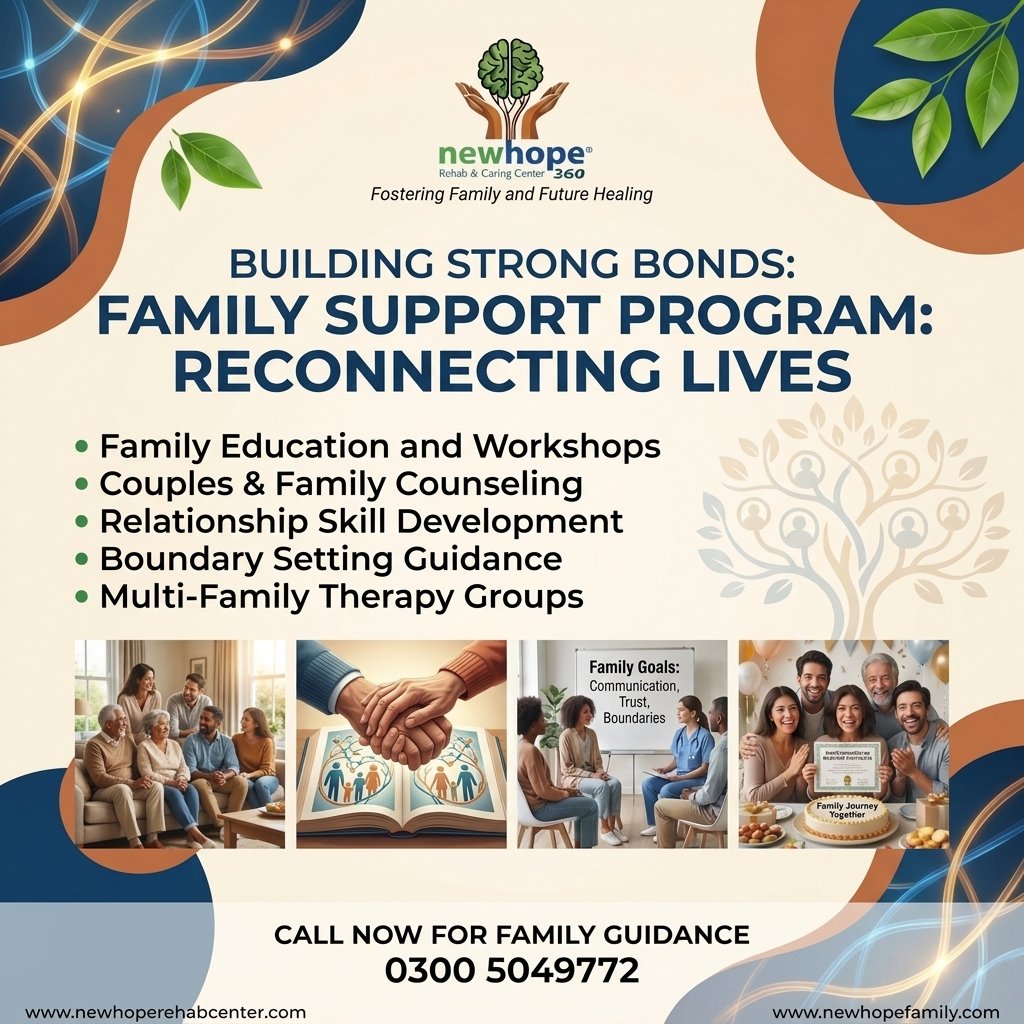
Relatives are educated about addiction and shown positive means to support their loved ones during recovery with family counselling programs provided at New Hope Rehab and Caring Centre Islamabad.
Having a solid support network can help one stay positive and keep moving in the right direction of improving health.
Frequently Asked Questions (FAQs)
1. What is ecstasy addiction?
MDMA, which also goes by the street name “Ecstasy,” is an addictive substance that can cause withdrawal symptoms and leave people feeling dependent or a need for more MDMA, regardless of the negative effect it has on overall health, relationships or everyday responsibilities.
2. What are some signs and symptoms of ecstasy addiction?
Common signs include mood changes, sleep problems, difficulty concentrating, your loved one using drugs more often and dropping out of their normal routine.
3. So, where do ecstasy addiction and mental health come in?
Yes, prolonged use can lead to anxiety, depression, emotional dysregulation and cognitive impairment.
4. How is ecstasy addiction treated?
Treatment usually consists of medical attention, detox support, psychological counseling and behavioral therapy in structured rehabilitation facilities.
5. Services provided by Drug Rehabilitation Centre in Islamabad, Pakistan
These may encompass detoxification programs, individual therapy, group counseling, mental health support, relapse prevention strategies and family counseling.
Conclusion
Use of ecstasy can also lead to addiction, which can take a serious toll on physical and mental health. While some people use MDMA recreationally, repeated exposure can make it addictive.
Such facilities- New Hope Rehab and Caring Centre Islamabad are designed to help people who are battling substance use disorders. A Drug Rehabilitation Centre in Islamabad, Pakistan provides treatment programs to treat the complex disease of addiction used by a combination of medical supervision, psychological therapy, and supportive counseling.