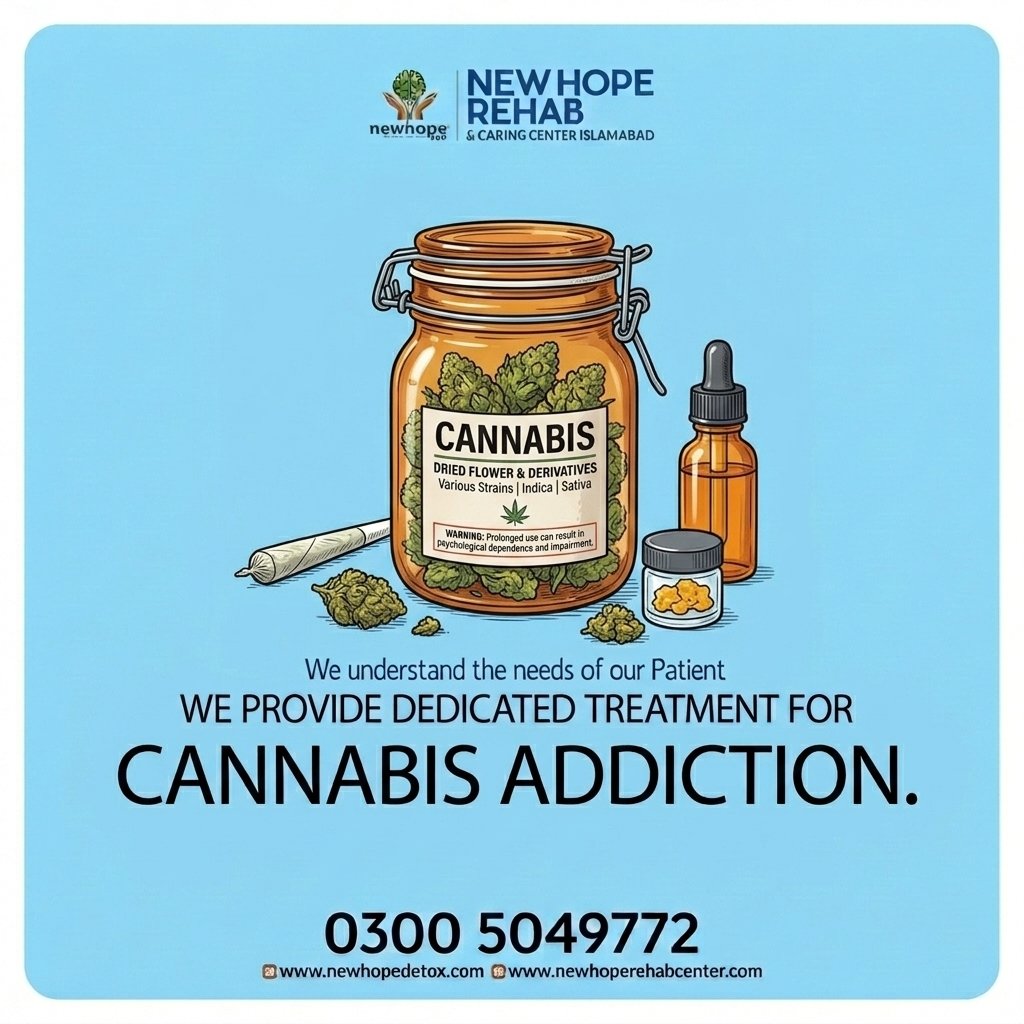
Cannabis, commonly known as marijuana, is often viewed as less harmful than other substances. However, regular or heavy use can become problematic for some individuals and may lead to cannabis use disorder. Dependence can affect motivation, memory, concentration, relationships, education, work, and emotional well-being.
For individuals and families seeking Cannabis or Marijuana Addiction Treatment in Islamabad, Pakistan, professional assessment can help determine the level of care required. At New Hope Rehab and Caring Centre Islamabad, treatment is approached with compassion, confidentiality, and individualized care based on each person’s physical and psychological needs.
What Is Cannabis or Marijuana Addiction?
Cannabis addiction refers to a pattern of cannabis use that becomes difficult to control and continues despite negative consequences. Some people develop tolerance, meaning they need more cannabis to experience similar effects. Others experience cravings or withdrawal symptoms when they attempt to stop.
Cannabis use disorder can affect people differently. A professional assessment is important for understanding the severity of use and identifying any co-occurring mental health concerns.
Signs and Symptoms of Cannabis Dependence
Potential warning signs include:
- Strong cravings for cannabis
- Using more cannabis than originally intended
- Difficulty reducing or stopping use
- Spending significant time obtaining or using cannabis
- Declining performance at work or school
- Loss of interest in normal activities
- Social withdrawal
- Memory or concentration difficulties
- Continued use despite personal or relationship problems
- Experiencing withdrawal after stopping
These symptoms do not automatically establish a diagnosis. A qualified healthcare professional should conduct a proper evaluation.
Why Does Cannabis Addiction Develop?
There is no single cause of cannabis dependence. Several factors may contribute.
Frequent or Heavy Use
Regular use can increase the likelihood of developing tolerance and dependence, particularly when cannabis is used frequently over a long period.
Stress and Emotional Difficulties
Some individuals use cannabis to cope with stress, anxiety, sadness, sleep difficulties, or other emotional challenges. However, relying on a substance as a coping mechanism can create additional problems over time.
Social and Environmental Factors
Peer influence, easy access, and social environments where cannabis use is common may increase the risk of continued use.
Personal and Family History
A history of substance use or certain mental health difficulties may increase vulnerability to problematic cannabis use.
Effects of Cannabis Addiction on Daily Life
Cannabis dependence can affect more than physical health. Some individuals experience difficulties with:
- Concentration and memory
- Motivation
- Academic or professional performance
- Family relationships
- Financial responsibilities
- Emotional stability
- Healthy daily routines
The impact varies according to factors such as frequency of use, age of first use, potency, duration of use, and individual health.
Cannabis Withdrawal Symptoms
People who use cannabis regularly may experience withdrawal after reducing or stopping use. Symptoms can include:
- Irritability
- Anxiety
- Restlessness
- Sleep difficulties
- Reduced appetite
- Low mood
- Headaches
- Strong cravings
Withdrawal symptoms are generally temporary, but they can make quitting difficult. Professional guidance can help individuals understand and manage these challenges.
How Cannabis Addiction Treatment Works
Comprehensive Assessment
Treatment begins with an evaluation of cannabis use, physical health, mental health, previous treatment attempts, family circumstances, and personal goals.
Individual Counseling
Counseling can help individuals explore the reasons behind cannabis use, recognize triggers, and develop healthier coping strategies.
Cognitive Behavioral Therapy (CBT)
CBT can help people identify thoughts and behaviors associated with substance use. It may also provide practical techniques for managing cravings, stress, and high-risk situations.
Group Therapy
Group therapy can offer peer support and provide an opportunity to learn from people experiencing similar recovery challenges.
Family Support
Family counseling can improve communication and help relatives understand cannabis dependence without relying on blame or stigma.
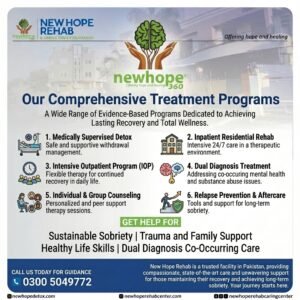
At New Hope Rehab and Caring Centre Islamabad, treatment plans are adapted according to each individual’s needs and progress.
Mental Health and Cannabis Use
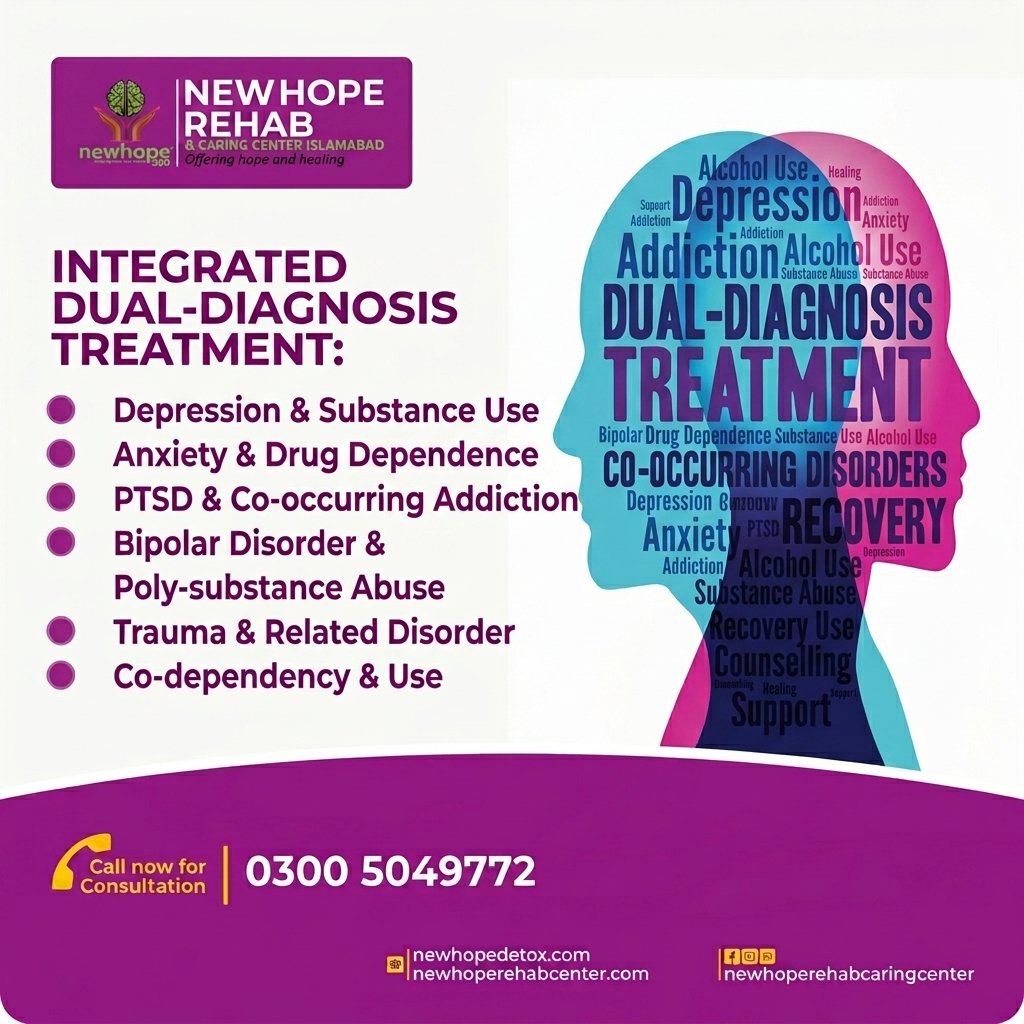
Some individuals who develop problematic cannabis use also experience depression, anxiety, trauma-related symptoms, or other psychological difficulties. In some cases, cannabis may worsen existing symptoms or make them more difficult to manage.
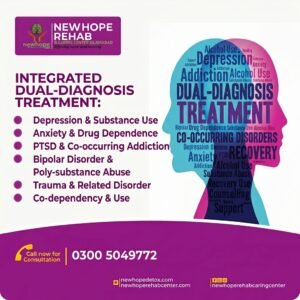
When mental health concerns and substance use occur together, an integrated treatment approach can help address both areas. A professional assessment can determine whether additional psychiatric or psychological care is appropriate.
Relapse Prevention and Long-Term Recovery
Stopping cannabis use is an important step, but maintaining recovery often requires continued effort. A relapse prevention plan can help individuals prepare for situations that may increase the temptation to return to cannabis.
Helpful strategies may include:
- Identifying personal triggers
- Developing healthy stress-management skills
- Maintaining regular sleep and exercise
- Avoiding high-risk environments
- Building positive social connections
- Continuing counseling when appropriate
- Creating meaningful daily activities
Recovery is an individual process, and setbacks should be approached as opportunities to reassess support needs rather than reasons to give up.
Frequently Asked Questions (FAQs)
1. What is cannabis or marijuana addiction?
Cannabis addiction is a pattern of marijuana use that becomes difficult to control and continues despite negative effects on health, relationships, work, education, or daily life.
2. Can cannabis addiction be treated?
Yes. Treatment may include assessment, individual counseling, behavioral therapies such as CBT, family support, group therapy, and relapse prevention planning.
3. What are common cannabis withdrawal symptoms?
Withdrawal can include irritability, anxiety, sleep problems, reduced appetite, restlessness, low mood, headaches, and cravings.
4. Is therapy helpful for marijuana addiction?
Behavioral therapies such as CBT can help individuals understand triggers, change unhealthy patterns, develop coping skills, and manage cravings.
5. How can families support someone recovering from cannabis addiction?
Families can provide respectful encouragement, participate in appropriate counseling, support healthy routines, avoid judgment, and encourage continued professional care.
Conclusion
Cannabis or marijuana addiction can affect physical health, emotional well-being, relationships, and everyday functioning. Although stopping can be challenging for people who have developed dependence, professional treatment can provide structured support and practical tools for recovery.
For those seeking Cannabis or Marijuana Addiction Treatment in Islamabad, Pakistan, New Hope Rehab and Caring Centre Islamabad focuses on individualized assessment, counseling, behavioral therapy, family involvement, and relapse prevention. With appropriate professional support, individuals can work toward healthier routines, improved well-being, and sustainable recovery.