
+92 312 7493940

Dual Diagnosis Treatment – Dual Diagnosis Treatment in Islamabad, Pakistan

Dual Diagnosis Treatment – Dual Diagnosis Treatment in Islamabad, Pakistan

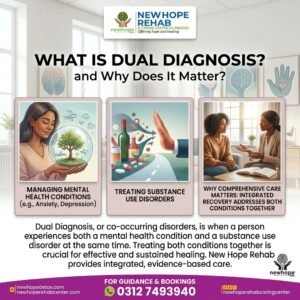
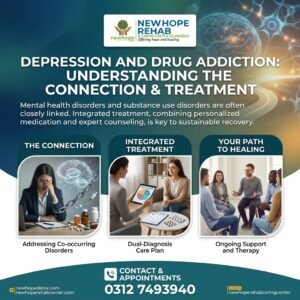
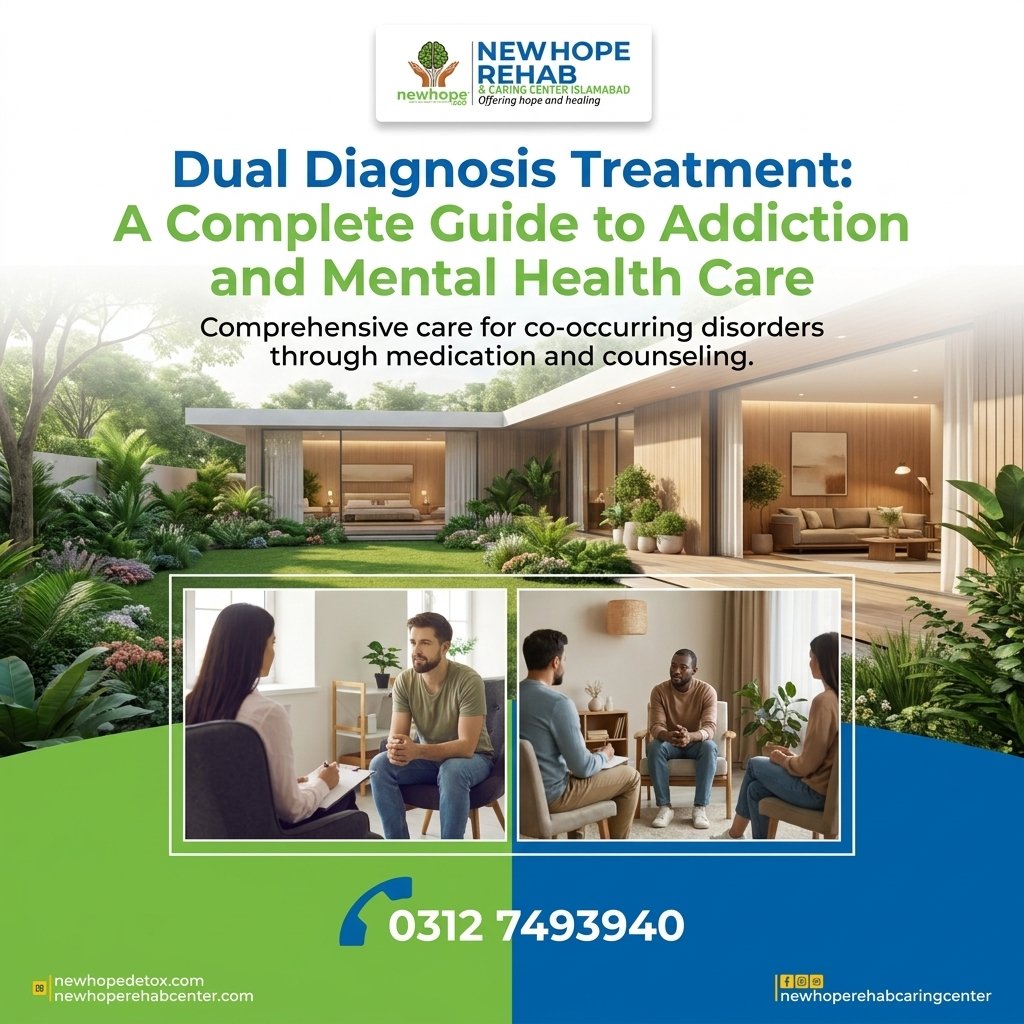
Dual diagnosis means someone has both a substance uses disorder and some kind of mental health disorder. If the problem is addressed on its own, it means that other co-occurring concerns could affect one another and complicate recovery. This integrated, person-centered approach helps someone to get the help they need for their addiction as well as with their mental health.

Both individuals and families applying for Dual Diagnosis Treatment Pakistan, first assessment by expert Care at New Hope Rehab and Caring Centre Islamabad can be tailored to the person, their use of alcohol or drugs, mental health, health conditions, family situation and goals for recovery.

What Is Dual Diagnosis Treatment?

Dual diagnosis treatment is an integrated approach for people experiencing both addiction and a mental health condition. Instead of viewing these issues as completely independent problems, healthcare providers assess how they interact and come up with a coordinated plan.

Substance use disorders may involve:

  • Alcohol
  • Heroin and other opioids
  • Cocaine
  • Crystal methamphetamine or ICE
  • Cannabis or marijuana
  • Prescription medications
  • Benzodiazepines

Common co-occurring mental health disorders include: Affective disorders, such as depression and bipolar disorder Anxiety disorders PTSD, or post-traumatic stress disorder Other mental health conditions

Interpretation of an online assessment for mental health or substance use disorder can only be done by a qualified professional.

Why Can Addiction & Mental Health Problems Happen Together?

There is not one because you can point to that explains co-occurring conditions. Several factors can contribute.

Self-Medication

Alcohol or drugs are often used by some people as an escape from feeling stressed, depressed, traumatized, unable to sleep or without other problems negatively affecting their mental health. While using substances can give the illusion of relief in the short term, over time it creates a cycle of dependency, often exacerbating symptoms.

Effects of Substance Use

Chronic substance use can impact sleep, mood, cognition and brain function. For some individuals, it may activate or worsen psychological symptoms.

Trauma and Stress

Exposure to trauma and chronic stress are risk factors for mental health problems in both adults and youth, as well as problematic substance use.

Shared Risk Factors

Both conditions may have a genetic component, and family history, social circumstances and environmental pressures all play a role as well.

Red flags that indicate you may want to consider a dual diagnosis assessment

Potential warning signs include:

  • Persistent sadness or anxiety
  • Significant mood changes
  • Intense desire for drugs or alcohol
  • Difficulty controlling substance use
  • Social withdrawal
  • Sleep disturbances
  • Problems at work or school
  • Difficulty managing emotions
  • A substance use disorder characterized by ongoing use notwithstanding transitory challenges
  • Repeated unsuccessful attempts to stop

These symptoms do not make a diagnosis You will need a full professional assessment.

How Dual Diagnosis Treatment Works

Dual Diagnosis Treatment – Dual Diagnosis Treatment in Islamabad, Pakistan

Comprehensive Assessment

Typically, treatment starts with an evaluation and review of substance use, mental health symptoms, medical history, medications, family situation and prior treatment.

The complete view enables clinicians to prioritize and select a suitable care level.

Medical Detoxification

Others need to participate in withdrawal management under supervision before starting rehabilitation. The necessity for detoxification is contingent on the substance which was abused as well as physical dependence, withdrawal dangers and health condition.

Many substances (e.g. Alcohol, Benzodiazepines) can cause potentially life-threatening withdrawal syndromes making it crucial that such a process be formally assessed.

Individual Therapy

Personalized treatment provides a confidential space to talk about substance-use triggers, emotional well-being and trauma, behavioral issues, and personal recovery goals.

Cognitive Behavioral Therapy

Cognitive Behavioral Therapy (CBT)-good for spotting negative thought patterns and instead develop better responses to issues such as cravings, anxiety, stress, etc.

Group Therapy

Group sessions may offer peer support and the chance to gain insights from others dealing with similar recovery issues.

Medication Management

When clinically indicated, medical professionals may treat certain mental health diagnoses or substance use disorders with pharmacologic agents. Drugs should be chosen and monitored on the basis of a person’s medical necessities.

Dual Diagnosis Treatment Among Family

Co-occurring disorders treatment is a family affair. Relatives may find it difficult to determine if certain behaviors are addiction-related, as part of mental health symptoms or both.

Relatives: Family counseling and education might be helpful for you.

  • Understand co-occurring disorders
  • Communicate more effectively
  • Establish healthy boundaries
  • Encourage appropriate treatment
  • Recognize warning signs
  • Support relapse prevention

New Hope Rehab and Caring Centre Islamabad views family involvement on a case-by-case basis, as appropriate and aligned with the treatment plan of the individual recipient and their privacy.

Relapse Prevention and Aftercare

While withdrawal symptoms may ease often, recovery does not end there. Mental health symptoms and substance-use cues may still need treatment as well.

An aftercare plan may include:

  • Ongoing counseling
  • Mental health follow-up
  • Medication monitoring when prescribed
  • Family support
  • Healthy daily routines
  • Stress-management techniques
  • Support groups
  • Relapse-prevention planning

In the event of resumption of using substances, a professional reassessment can identify any problems that may have contributed to this choice and whether treatment needs to be modified.

Why Integrated Care Matters

It is not uncommon to leave major challenges to recovery unaddressed when addiction is treated without considering the presence of an underlying mental health condition. Likewise, managing psychological symptoms without properly addressing problem substance use can complicate sustained improvement.

Unfortunately, integrated care enables professionals to look at both conditions and how they interact. Since conditions vary in combination and severity, treatment continues to be individualized.

Frequently Asked Questions (FAQs)

1.     What is dual diagnosis?

Dual diagnosis describes the existence of a substance use disorder and mental health condition within an individual person.

2.     What mental illnesses can accompa­ny addiction?

Anxiety disorders, depression, bipolar disease, posttraumatic stress disorder (PTSD), and other mental health issues are frequently co-occurring with substance use disorders. Diagnosis requires an objective assessment.

3.     Can dual diagnosis be treated?

Yes. Withdrawal management, psychotherapy and CBT, medication as needed, family support, recovery planning for long-term prevention of relapse (relapse is common in this disorder), follow-up mental health care.

4.     Is detoxification always required?

Is it true that detoxification is possible for everyone? No, detoxification really depends on the substance but also on the level of physical dependence, withdrawal risk and health of individual. A qualified professional would need to make the best recommendation for level of care.

5.     What can Families do for a Person with Dual Diagnosis?

Families will learn about co-occurring conditions, develop respectful communication skills, establish and maintain healthy boundaries, support their loved ones in professional treatment where necessary, and engage in family therapy when appropriate.

Conclusion

Dual diagnosis can complicate challenges because mental health conditions and substance use disorders may interact. Tackling these two issues together with an integrated treatment model guides you towards a sustainable recovery.

New Hope Rehab & Caring Centre Islamabad focused individually suitable Dual Diagnosis Treatment in Islamabad, Pakistan based on assessment, clinical care, addiction treatment and evidence-based therapy with long-term family support, relapse prevention and continuing care. With professional support, individuals can clarify the nature of their situations and take decisive steps to achieve better health, greater stability and improved overall quality of life.

Related Article

Dual Diagnosis Treatment – Dual Diagnosis Treatment in Islamabad, Pakistan
Dual Diagnosis Treatment

Dual Diagnosis Treatment – Dual Diagnosis Treatment in Islamabad, Pakistan

Dual diagnosis means someone has both a substance uses disorder and some kind of mental health disorder. If the problem is addressed on its own, it means that other co-occurring concerns could affect one another and complicate recovery. This integrated, person-centered approach helps someone to get the help they need for their addiction as well as with their mental health. Both individuals and families applying for Dual Diagnosis Treatment Pakistan, first assessment by expert Care at New Hope Rehab and Caring Centre Islamabad can be tailored to the person, their use of alcohol or drugs, mental health, health conditions, family situation and goals for recovery. What Is Dual Diagnosis Treatment? Dual diagnosis treatment is an integrated approach for people experiencing both addiction and a mental health condition. Instead of viewing these issues as completely independent problems, healthcare providers assess how they interact and come up with a coordinated plan. Substance use disorders may involve: Alcohol Heroin and other opioids Cocaine Crystal methamphetamine or ICE Cannabis or marijuana Prescription medications Benzodiazepines Common co-occurring mental health disorders include: Affective disorders, such as depression and bipolar disorder Anxiety disorders PTSD, or post-traumatic stress disorder Other mental health conditions Interpretation of an online assessment for mental health or substance use disorder can only be done by a qualified professional. Why Can Addiction & Mental Health Problems Happen Together? There is not one because you can point to that explains co-occurring conditions. Several factors can contribute. Self-Medication Alcohol or drugs are often used by some people as an escape from feeling stressed, depressed, traumatized, unable to sleep or without other problems negatively affecting their mental health. While using substances can give the illusion of relief in the short term, over time it creates a cycle of dependency, often exacerbating symptoms. Effects of Substance Use Chronic substance use can impact sleep, mood, cognition and brain function. For some individuals, it may activate or worsen psychological symptoms. Trauma and Stress Exposure to trauma and chronic stress are risk factors for mental health problems in both adults and youth, as well as problematic substance use. Shared Risk Factors Both conditions may have a genetic component, and family history, social circumstances and environmental pressures all play a role as well. Red flags that indicate you may want to consider a dual diagnosis assessment Potential warning signs include: Persistent sadness or anxiety Significant mood changes Intense desire for drugs or alcohol Difficulty controlling substance use Social withdrawal Sleep disturbances Problems at work or school Difficulty managing emotions A substance use disorder characterized by ongoing use notwithstanding transitory challenges Repeated unsuccessful attempts to stop These symptoms do not make a diagnosis You will need a full professional assessment. How Dual Diagnosis Treatment Works Comprehensive Assessment Typically, treatment starts with an evaluation and review of substance use, mental health symptoms, medical history, medications, family situation and prior treatment. The complete view enables clinicians to prioritize and select a suitable care level. Medical Detoxification Others need to participate in withdrawal management under supervision before starting rehabilitation. The necessity for detoxification is contingent on the substance which was abused as well as physical dependence, withdrawal dangers and health condition. Many substances (e.g. Alcohol, Benzodiazepines) can cause potentially life-threatening withdrawal syndromes making it crucial that such a process be formally assessed. Individual Therapy Personalized treatment provides a confidential space to talk about substance-use triggers, emotional well-being and trauma, behavioral issues, and personal recovery goals. Cognitive Behavioral Therapy Cognitive Behavioral Therapy (CBT)-good for spotting negative thought patterns and instead develop better responses to issues such as cravings, anxiety, stress, etc. Group Therapy Group sessions may offer peer support and the chance to gain insights from others dealing with similar recovery issues. Medication Management When clinically indicated, medical professionals may treat certain mental health diagnoses or substance use disorders with pharmacologic agents. Drugs should be chosen and monitored on the basis of a person’s medical necessities. Dual Diagnosis Treatment Among Family Co-occurring disorders treatment is a family affair. Relatives may find it difficult to determine if certain behaviors are addiction-related, as part of mental health symptoms or both. Relatives: Family counseling and education might be helpful for you. Understand co-occurring disorders Communicate more effectively Establish healthy boundaries Encourage appropriate treatment Recognize warning signs Support relapse prevention New Hope Rehab and Caring Centre Islamabad views family involvement on a case-by-case basis, as appropriate and aligned with the treatment plan of the individual recipient and their privacy. Relapse Prevention and Aftercare While withdrawal symptoms may ease often, recovery does not end there. Mental health symptoms and substance-use cues may still need treatment as well. An aftercare plan may include: Ongoing counseling Mental health follow-up Medication monitoring when prescribed Family support Healthy daily routines Stress-management techniques Support groups Relapse-prevention planning In the event of resumption of using substances, a professional reassessment can identify any problems that may have contributed to this choice and whether treatment needs to be modified. Why Integrated Care Matters It is not uncommon to leave major challenges to recovery unaddressed when addiction is treated without considering the presence of an underlying mental health condition. Likewise, managing psychological symptoms without properly addressing problem substance use can complicate sustained improvement. Unfortunately, integrated care enables professionals to look at both conditions and how they interact. Since conditions vary in combination and severity, treatment continues to be individualized. Frequently Asked Questions (FAQs) 1.     What is dual diagnosis? Dual diagnosis describes the existence of a substance use disorder and mental health condition within an individual person. 2.     What mental illnesses can accompa­ny addiction? Anxiety disorders, depression, bipolar disease, posttraumatic stress disorder (PTSD), and other mental health issues are frequently co-occurring with substance use disorders. Diagnosis requires an objective assessment. 3.     Can dual diagnosis be treated? Yes. Withdrawal management, psychotherapy and CBT, medication as needed, family support, recovery planning for long-term prevention of relapse (relapse is common in this disorder), follow-up mental health care. 4.     Is detoxification always required? Is it true that detoxification is possible for everyone? No, detoxification really

ICE | METH Addiction – ICE | METH Addiction Treatment in Islamabad, Pakistan
ICE | METH Addiction

ICE | METH Addiction – ICE | METH Addiction Treatment in Islamabad, Pakistan

ICE, commonly referring to crystal methamphetamine, is a powerful stimulant that can have serious effects on the brain, body, emotions, and behavior. Repeated use can lead to cravings, tolerance, dependence, sleep disruption, mood changes, and significant difficulties in personal or professional life. For individuals and families seeking ICE | METH Addiction Treatment in Islamabad, Pakistan, professional assessment and individualized care can provide an appropriate starting point. At New Hope Rehab and Caring Centre Islamabad, treatment can address substance use alongside physical health, mental health, family concerns, and long-term recovery needs. What Is ICE | METH Addiction? ICE is a form of methamphetamine, a potent central nervous system stimulant. It can produce increased alertness, energy, and euphoria, but repeated or heavy use can create significant physical and psychological problems. Methamphetamine addiction, clinically considered a stimulant use disorder when diagnostic criteria are met, may involve difficulty controlling use despite harmful consequences. Potential signs include: Strong cravings for methamphetamine Increasing amounts or frequency of use Difficulty stopping Severe changes in sleep patterns Loss of appetite Irritability or agitation Social withdrawal Neglect of responsibilities Continued use despite health or relationship problems A qualified healthcare professional should conduct an assessment before making a diagnosis. Effects of Crystal Meth on Physical and Mental Health Methamphetamine can affect multiple areas of health. Short-term effects may include increased heart rate, elevated blood pressure, reduced appetite, insomnia, and agitation. Long-term or heavy use may be associated with: Significant weight loss Cardiovascular problems Dental health problems Sleep disturbances Anxiety Depression Memory and concentration difficulties Paranoia or psychotic symptoms Social and occupational difficulties Severe agitation, hallucinations, chest pain, seizures, or dangerously elevated body temperature require urgent medical attention. Why ICE | METH Addiction Can Be Difficult to Overcome Methamphetamine strongly affects brain systems involved in reward, motivation, and pleasure. Repeated use can reinforce patterns of craving and compulsive behavior. Some people also use stimulants to cope with stress, emotional pain, fatigue, or difficult circumstances. When substance use becomes a primary coping strategy, stopping may require more than simply avoiding the drug. Professional treatment can help address both substance use and the factors that contribute to it. How ICE | METH Addiction Treatment Works Comprehensive Assessment Treatment begins with an evaluation of substance use, physical health, psychological symptoms, medications, previous treatment, and personal circumstances. This assessment helps determine the appropriate level of care and whether additional medical or psychiatric support is required. Withdrawal and Stabilization Unlike alcohol or certain sedative withdrawals, stimulant withdrawal is not typically managed with a specific medication that eliminates the entire withdrawal process. However, professional monitoring and supportive care can help individuals manage symptoms such as fatigue, low mood, sleep changes, irritability, and cravings. Individual Counseling One-to-one counseling can help individuals identify triggers, understand patterns of methamphetamine use, and develop healthier coping strategies. Cognitive Behavioral Therapy CBT can help individuals recognize unhelpful thoughts and behaviors and learn practical techniques for responding to cravings, stress, and high-risk situations. Contingency-Based Approaches Behavioral approaches that provide structured incentives for treatment-related goals may be considered in some stimulant-use treatment settings. Suitability depends on the individual’s treatment plan and available clinical resources. Dual Diagnosis and Mental Health Care Some people experiencing methamphetamine addiction also develop or experience worsening anxiety, depression, trauma-related symptoms, paranoia, or psychosis. When mental health and substance use problems occur together, both should be assessed. Continuing stimulant use may intensify psychological symptoms in some individuals, while untreated mental health difficulties can make recovery more challenging. At New Hope Rehab and Caring Centre Islamabad, mental health concerns can be considered as part of an individualized treatment plan when clinically appropriate. The Importance of Family Support ICE | METH addiction can affect the entire household. Family members may notice changes in behavior, sleep, mood, finances, or relationships before the person recognizes the severity of the problem. Family support may include: Learning about stimulant addiction Participating in family counseling Improving communication Establishing healthy boundaries Supporting treatment attendance Recognizing warning signs Encouraging professional help Support should remain compassionate while avoiding actions that unintentionally enable continued substance use. Relapse Prevention and Continuing Care Recovery from methamphetamine addiction often requires continued support after the initial treatment period. A relapse-prevention plan can help individuals identify situations and emotions that increase the risk of returning to drug use. Strategies may include: Identifying personal triggers Developing healthy sleep routines Managing stress constructively Avoiding high-risk environments Building positive social connections Continuing counseling Maintaining meaningful daily activities Attending follow-up care If a setback occurs, professional reassessment can help determine what additional support may be needed. Frequently Asked Questions (FAQs) 1. What is ICE or crystal meth? ICE is a commonly used name for crystal methamphetamine, a powerful stimulant drug that can lead to dependence and significant physical and psychological health problems. 2. Can ICE | METH addiction be treated? Yes. Treatment can include professional assessment, supportive withdrawal care, behavioral therapies, counseling, family involvement, mental health treatment, and relapse prevention. 3. Does methamphetamine withdrawal require detoxification? People can experience significant psychological and physical symptoms after stopping methamphetamine. Professional assessment can determine whether supervised stabilization or another level of care is appropriate. 4. Can methamphetamine cause mental health problems? Methamphetamine use can be associated with anxiety, depression, paranoia, and psychotic symptoms, particularly with heavy or prolonged use. Persistent or severe symptoms require professional assessment. 5. How can families help someone with methamphetamine addiction? Families can encourage professional treatment, learn about stimulant use disorders, maintain healthy boundaries, communicate without unnecessary judgment, and participate in family counseling when appropriate. Conclusion ICE | METH addiction is a serious health concern that can affect physical health, mental well-being, relationships, and everyday functioning. Recovery may require structured professional support that addresses both stimulant use and the factors that contribute to continued use. For individuals seeking ICE | METH Addiction Treatment in Islamabad, Pakistan, New Hope Rehab and Caring Centre Islamabad focuses on individualized assessment, counseling, behavioral therapy, mental health support, family involvement, and relapse-prevention planning. With appropriate care and continued support, individuals can work toward healthier routines,

Drug Addiction Treatment – Drug Addiction Treatment in Islamabad, Pakistan
Drug Addiction

Drug Addiction Treatment – Drug Addiction Treatment in Islamabad, Pakistan

Drug addiction is a complex disease that influences the mind, body, personality, other relationships and day to day functions. It can be a struggle to not fall back into using drugs as you previously have easy access, but along with this comes cravings, tolerance, dependence and inability to stop despite serious problems developing because of it. With proper clinical support, individuals struggling with substance use disorders can learn to live free from drugs and alcohol. Selecting an acceptable treatment level for drug addiction therapy in Islamabad, Pakistan is actually the preliminary step among human beings and households who want Drug Addiction Treatment in Islamabad. New Hope Rehab and Caring Centre Islamabad offers treatment based on individual needs that encompass physical health, mental health, family situations, as well as long-term recovery goals. What Is Drug Addiction Treatment? Drug addiction treatment is the process of medical or psychotherapeutic intervention, for dependency on substances such as alcohol and prescription drugs. They can involve assessment, medically managed withdrawal, counselling, behavioral therapy, family support and/or relapse prevention aftercare. How this breaks down depends on the drug in question, as well as one’s medical and psychological needs. Some of the most common substances associated with substance use disorder include: Heroin and other opioids Crystal methamphetamine or ICE Cocaine Cannabis or marijuana Prescription medications Benzodiazepines Other stimulants or illicit drugs Professional evaluation is required prior to establishing a plan of treatment. When To Seek Professional Help Drug addiction can have an onset over a long period of time, and several warning signs may be ignored at first. Potential signs include: Strong or frequent cravings Increasing tolerance Using more than intended Repeated unsuccessful attempts to stop Letting work, school or family responsibilities slide Withdrawing from friends and family Money or legal problems over drug use Using despite health problems Experiencing withdrawal symptoms Disinterest in activities or hobbies that were once important to us These symptoms alone do not diagnose a condition. You should be assessed by a qualified health professional. How Drug Addiction Treatment Works Comprehensive Assessment The first step of treatment typically involves an evaluation of substance use, physical health status, mental health status; the need for further medications; prior treatments; and family or social circumstances. This data identifies if treatment does not require residential, outpatient, home-based or medically supervised care. Detoxification and Withdrawal Management Some people are not able to start rehabilitation without medical detox. The withdrawal symptoms if any for a medically supervised detox, depend on the type of substance, length of time it was used, its addictive potential, degree of physical dependence and general patient health. A number of substances, particularly alcohol and some sedative drugs, can result in life-threatening withdrawal syndromes. Those who are heavily reliant should consult a doctor instead of withdrawing safely without medications. Comprehensive Assessment One-to-one counseling offers a confidential environment in which to examine triggers, emotional struggles, behavioral patterns and individual goals for recovery. Cognitive Behavioral Therapy (CBT) CBT — Cognitive Behavioral Therapy is an evidence-based psychological strategy that offers a means for individuals to recognize unproductive thought patterns regarding relapse and essentially build new coping responses to cravings, high-risk situations or stressors. Group Therapy Alternatively, group therapy can also provide peer support and the chance to learn from others who have encountered similar recovery challenges. Disorders are the families of dual diagnosis and mental health-based care. There are also cases where a substance use disorder occurs along with (a pattern of) depression, anxiety, trauma-related conditions or other mental health issues. This phenomenon is sometimes referred to as a dual diagnosis, as the patient is diagnosed with both alcohol addiction and a mental disorder. So, if both are present, it’s a clinical reason to make it part of addressing together! Untreated psychological problems could impede recovery, while ongoing substance abuse might exacerbate the mental illness. The New Hope Rehab and Caring Centre Islamabad also provide mental health assessment and psychological support as a part of treatment if clinically significant. The Role of Family Support Addiction does not only impact individuals, it also impacts families. Relatives will feel worried, frustrated, broke or confused on how to help. Family support can involve: Education about addiction Family counseling Improved communication Healthy boundaries Relapse-prevention education Encouragement for continued treatment Families need to promote recovery but not take the blame for their loved one treatment. Relapse Prevention and Aftercare Even when a person successfully completes detoxification or residential treatment, recovery does not end. Relapse risk is greater if you return home to a previous environment (unmanaged stress), become emotionally overwhelmed, or possibly encounter triggers. A relapse-prevention plan may include: Identifying personal triggers Continuing counseling Building healthy routines Developing stress-management skills Avoiding high-risk situations Maintaining supportive relationships Attending follow-up appointments Having a plan for how you will act on your cravings. A professional reassessment following a relapse can identify what went wrong and whether or not treatment needs to be adjusted. Why Individualized Treatment Matters But there is a no one-size-fits-all treatment plan. Good care accounts for things like kind of drug, degree of use and physical health, as well as the mental health status, past treatment experience, family support and environment. For example, a person dependent on opioids needs a different management than someone with stimulant use disorder or cannabis use disorder. More importantly, it has further added that generalized programs should not be practiced to treat this but rather the treatment relies on clinical assessment. Frequently Asked Questions (FAQs) 1.     What is drug addiction treatment? Drug abuse therapy is a way of life action that treats difficult sexual utilization via proper medicinal care, advising, behavioral treatment, family support, resistance avoidance and continuing care. 2.     Does detoxification alone address drug addiction? However, typically detoxification is just the first step. It alleviates withdrawal but doesn’t treat the emotional, psychological and social aspects of addiction. And staying with therapy can be critical for the long-haul. 3.     Is drug addiction a co-occurring condition with depression or anxiety? Yes. Integrated care is particularly useful when someone with

Family Support Program – Family Support Program in Islamabad, Pakistan
Family Support Program

Family Support Program – Family Support Program in Islamabad, Pakistan

Addiction and mental health challenges rarely affect only one person. When a family member struggles with substance use, depression, anxiety, or another psychological concern, parents, spouses, siblings, and caregivers may also experience stress, confusion, fear, and emotional exhaustion. A structured Family Support Program in Islamabad, Pakistan can help families understand these challenges and learn healthier ways to support recovery. At New Hope Rehab and Caring Centre Islamabad, family involvement can be an important part of a comprehensive recovery plan. The purpose is not to blame family members or place responsibility for recovery on them. Instead, family support focuses on education, communication, healthy boundaries, emotional well-being, and constructive involvement in treatment. What Is a Family Support Program? A family support program is a structured service designed to help relatives and caregivers understand addiction and mental health conditions. Depending on individual circumstances, it may include family counseling, education, communication guidance, relapse-prevention education, and emotional support. Families can learn how substance use and mental health conditions may affect behavior and relationships. They can also develop practical strategies for responding to difficult situations without judgment, confrontation, or enabling harmful behavior. Why Family Support Matters in Recovery Recovery can become more difficult when family members do not understand what a loved one is experiencing. Miscommunication, conflict, stigma, and unrealistic expectations can create additional stress. A family support program may help relatives: Understand addiction as a health condition Improve communication Establish appropriate boundaries Reduce unnecessary conflict Recognize potential relapse warning signs Encourage treatment participation Support healthier routines Protect their own emotional well-being Family participation should always respect the patient’s privacy, preferences, and treatment plan. Who Can Participate in Family Support? Depending on the situation, family support may involve: Parents Spouses Adult children Siblings Close relatives Caregivers Other trusted individuals Not every family member needs to participate in every session. Healthcare professionals can help determine what level of involvement is appropriate. Key Elements of a Family Support Program Family Counseling Family counseling provides a structured environment where relatives can discuss concerns and relationship difficulties with professional guidance. It can encourage respectful communication and help families address unresolved issues. Education About Addiction Understanding addiction can reduce misconceptions and stigma. Families can learn about cravings, dependence, withdrawal, triggers, relapse, and the long-term nature of recovery. Communication Skills Healthy communication involves listening carefully, expressing concerns respectfully, and avoiding language that creates unnecessary shame or defensiveness. Healthy Boundaries Supporting someone does not mean accepting harmful or unsafe behavior. Families can learn how to establish boundaries while remaining compassionate and supportive. Relapse Prevention Education Family members can learn to recognize changes in behavior that may indicate increasing risk. The goal is early support and professional intervention rather than blame. Family Support and Mental Health Addiction may occur alongside mental health conditions such as anxiety, depression, trauma-related disorders, or other psychological difficulties. These co-occurring concerns can affect the entire family. A family support program can help relatives understand the relationship between mental health and substance use. It may also encourage families to recognize when additional professional assessment is needed. At New Hope Rehab and Caring Centre Islamabad, family involvement can be incorporated into treatment when clinically appropriate and consistent with the individual’s needs and preferences. Supporting a Loved One Without Enabling Addiction Families sometimes struggle to distinguish between healthy support and enabling behavior. Healthy support may involve: Encouraging professional treatment Providing emotional encouragement Supporting healthy routines Maintaining clear boundaries Communicating calmly Taking warning signs seriously Enabling, by contrast, may involve repeatedly covering up harmful behavior, providing resources that facilitate substance use, or ignoring serious problems to avoid conflict. Professional family counseling can help relatives understand this distinction. Taking Care of the Family Member, Too Family members can experience significant emotional strain while supporting someone through recovery. Stress, sleep problems, anxiety, anger, and feelings of guilt can affect their own health. Self-care is therefore an important part of family support. Relatives may benefit from: Maintaining healthy routines Seeking their own counseling when needed Staying connected with trusted people Setting realistic expectations Taking breaks from caregiving responsibilities Learning about addiction and recovery Supporting a loved one should not require a family member to neglect their own well-being. Family Support During Long-Term Recovery Recovery is a continuing process. Even after formal treatment ends, families may remain an important source of encouragement. Long-term family support can involve: Encouraging follow-up appointments Supporting treatment adherence Maintaining healthy communication Helping reduce unnecessary household stress Recognizing progress Responding constructively to setbacks A relapse or setback should be treated as a reason to seek appropriate professional help rather than as evidence that recovery is impossible. Frequently Asked Questions (FAQs) 1. What is a Family Support Program? A Family Support Program provides education, counseling, and practical guidance to relatives of people experiencing addiction or mental health difficulties. 2. Why should families participate in recovery? Family involvement can improve communication, reduce misunderstanding, strengthen healthy support, and help create a stable environment for recovery. 3. Can family members attend counseling sessions? In many cases, yes. Family counseling can be included when clinically appropriate and when participation is consistent with the patient’s treatment plan and privacy. 4. How can families avoid enabling addiction? Families can establish clear boundaries, avoid covering up harmful behavior, encourage professional treatment, and provide emotional support without facilitating substance use. 5. Does family support continue after rehabilitation? It can. Continued family involvement may support follow-up care, healthy routines, communication, and relapse-prevention planning after formal treatment ends. Conclusion A Family Support Program in Islamabad, Pakistan can help families understand addiction and mental health challenges while developing healthier communication, boundaries, and coping strategies. Recovery is an individual journey, but supportive relationships can provide valuable encouragement along the way. At New Hope Rehab and Caring Centre Islamabad, family-centered support can complement addiction and mental health treatment through counseling, education, emotional guidance, and recovery planning. The focus remains on respectful, ethical care that considers the needs of both the individual receiving treatment and the people supporting them.