Teen drug addiction can develop gradually, and the early warning signs are not always obvious. Changes in mood, behavior, school performance, friendships, or daily routines may be dismissed as normal teenage behaviour. However, when several changes happen together or become more severe, they may indicate a substance use problem that needs attention.
Understanding the warning signs of teen drug addiction can help parents respond early. Early support may reduce health risks, prevent addiction from becoming more severe, and help a teenager access appropriate treatment and mental health care.
What Is Teen Drug Addiction?
Teen drug addiction refers to a pattern of compulsive drug use in an adolescent despite negative consequences. It can involve substances such as cannabis, opioids, stimulants, sedatives, prescription medications used without medical direction, or multiple substances.
Teenagers may be particularly vulnerable because the brain continues developing throughout adolescence. Peer pressure, stress, trauma, mental health conditions, family difficulties, and easy access to substances can contribute to problematic drug use.
Experimentation does not always mean addiction, but repeated use, loss of control, cravings, and problems at home or school should be taken seriously.
Warning Signs of Drug Use in Teenagers
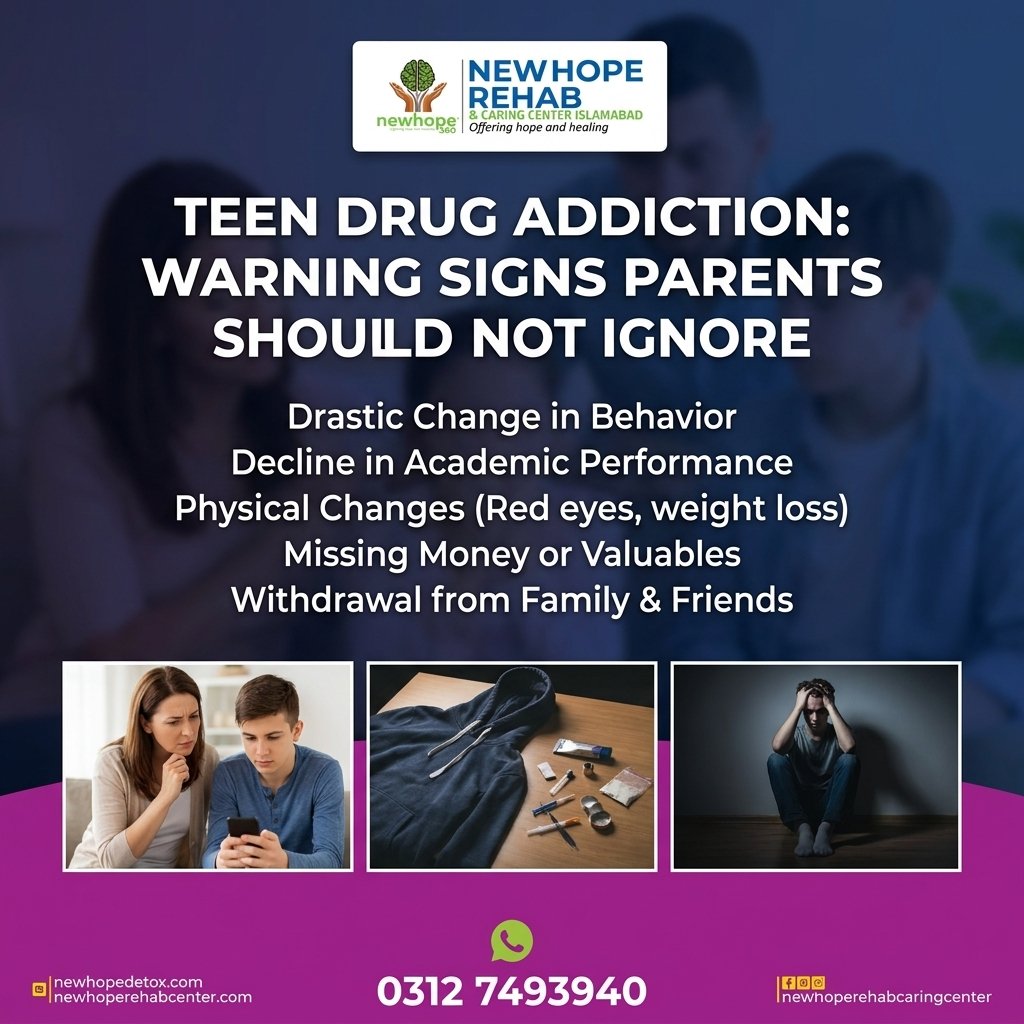
Parents should look for patterns rather than relying on one isolated behavior. Common warning signs may include:
Sudden Changes in Behavior
A teenager who becomes unusually secretive, irritable, aggressive, withdrawn, or emotionally unpredictable may be experiencing a problem. Sudden changes that persist over time deserve attention.
Declining School Performance
Drug use can affect concentration, motivation, memory, and attendance. Falling grades, frequent absences, disciplinary problems, or losing interest in previously enjoyable activities can be warning signs.
Changes in Friends and Social Circles
A teenager may suddenly stop spending time with longtime friends and begin associating with a new group. Changes in social relationships are not automatically evidence of drug use, but they can be concerning when combined with other signs.
Changes in Sleep and Appetite
Some substances can significantly affect sleep and appetite. Sleeping much more or less than usual, staying awake at unusual hours, or experiencing major changes in eating habits may indicate a health or substance-related problem.
Neglecting Personal Responsibilities
Missing household responsibilities, ignoring personal hygiene, abandoning hobbies, or losing interest in sports and activities may indicate that something is wrong.
Unexplained Money or Missing Belongings
Repeatedly asking for money, stealing money, selling possessions, or having unexplained purchases may occur when a teenager is trying to obtain drugs.
Physical Changes
Depending on the substance, parents may notice bloodshot eyes, unusual pupils, poor coordination, slurred speech, unexplained injuries, changes in weight, or frequent complaints of feeling unwell.
No single physical sign proves drug use, so parents should consider the overall pattern.
Emotional and Mental Health Warning Signs

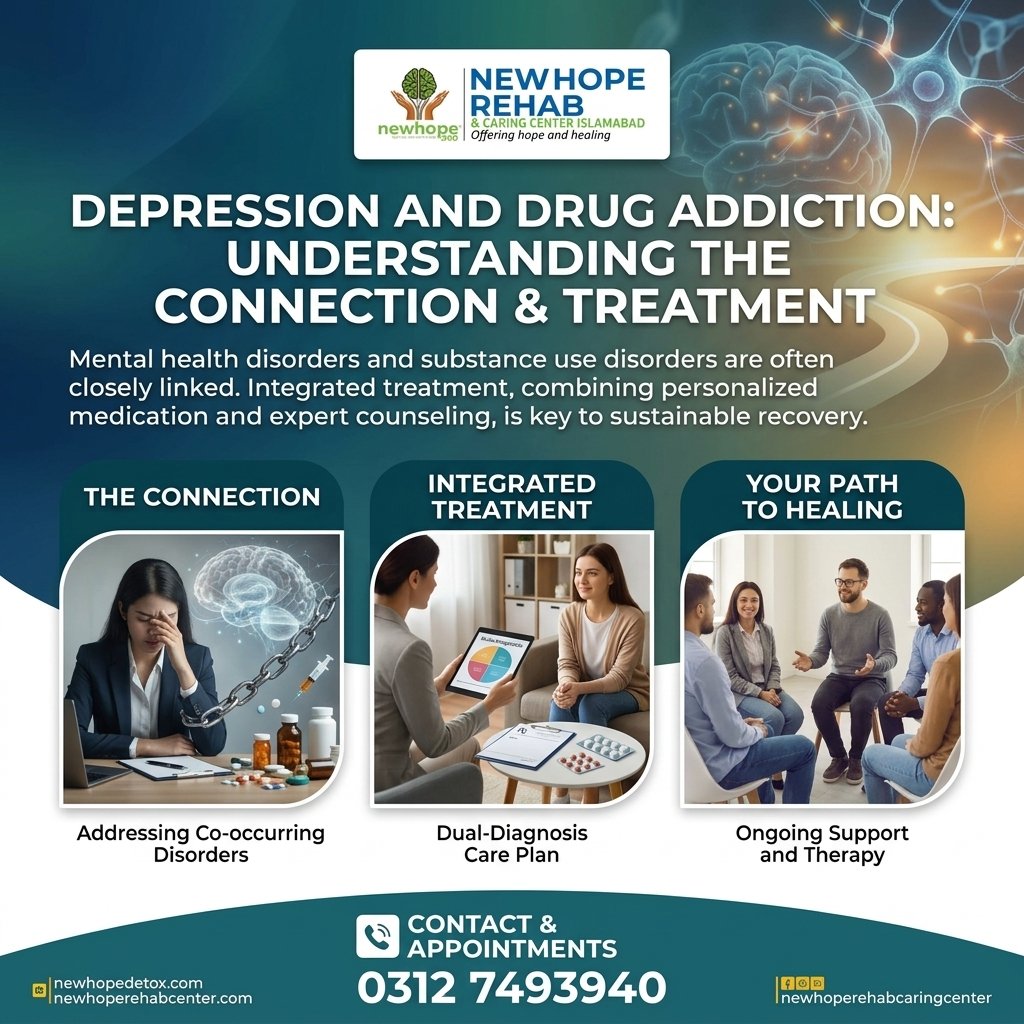
Teen drug addiction may occur alongside anxiety, depression, trauma, ADHD, or other mental health concerns. Watch for persistent sadness, severe anxiety, hopelessness, extreme mood changes, social isolation, or significant changes in personality.
Drug use can sometimes be an attempt to cope with emotional pain. At the same time, substance use can make existing mental health symptoms worse. This relationship is one reason professional assessment is important.
If a teenager talks about suicide, self-harm, or wanting to die, parents should treat the situation as urgent and seek immediate professional or emergency help.
Why Parents Should Not Ignore These Signs
Ignoring concerning behavior does not necessarily make the problem disappear. Substance use can interfere with education, relationships, physical health, emotional development, and future opportunities.
Early intervention can provide an opportunity to understand what is happening before drug use becomes more established. It can also identify underlying issues such as depression, anxiety, trauma, or family stress.
How Should Parents Talk to a Teenager About Drug Use?
A calm conversation is usually more productive than accusations or threats.
Choose a private time when the teenager is sober and relatively calm. Explain the specific changes you have noticed and focus on concern for their health rather than immediately assigning blame.
Parents can ask open-ended questions such as:
- “I have noticed that you have been missing school more often. Is something bothering you?”
- “You seem different lately, and I am worried about you. Can we talk?”
- “Have you been using anything to help you cope with stress?”
Listening carefully can encourage a teenager to communicate honestly.
Professional Assessment for Teen Drug Addiction
If drug use is suspected, a healthcare professional or addiction specialist can assess the teenager’s physical health, substance use, emotional wellbeing, and family circumstances.
An assessment may consider:
- Which substances are being used
- Frequency and amount of use
- Signs of dependence or withdrawal
- School and family difficulties
- Mental health symptoms
- Physical health concerns
- Risk of overdose or other complications
- Previous treatment attempts
A professional assessment helps determine what level of support is appropriate.
Treatment for Teen Drug Addiction
Treatment should be appropriate for the teenager’s age, health, substance use, and individual circumstances. Depending on the situation, treatment may include counseling, behavioral therapies, family therapy, mental health care, medical monitoring, or treatment for withdrawal.
For teenagers with co-occurring mental health conditions, addressing both substance use and mental health is important. Treating only one problem may leave the other unresolved.
In some cases, a structured residential or inpatient program may be considered. Others may benefit from outpatient treatment while continuing school and family life.
The Role of Family Support
Family involvement can be an important part of recovery. Parents can help by establishing reasonable boundaries, maintaining communication, supporting healthy routines, and participating in recommended counseling or family therapy.
Recovery is rarely an overnight process. Relapse can occur, but it does not mean treatment has failed. It may indicate that the treatment plan needs to be reassessed and strengthened.
Teen Drug Addiction Treatment at New Hope Rehab and Caring Centre Islamabad
New Hope Rehab and Caring Centre Islamabad provides addiction-related support and treatment services. Families concerned about teen drug use can seek a professional assessment to better understand the situation and determine suitable next steps.
The most appropriate approach depends on the teenager’s substance use, physical health, mental health, family environment, and level of risk. Professional guidance can help families avoid relying solely on punishment or confrontation.
Frequently Asked Questions
1. What are the first signs of teen drug addiction?
Early signs may include sudden behavioral changes, declining school performance, secrecy, changes in friends, sleep or appetite changes, withdrawal from family, and loss of interest in normal activities. One sign alone does not confirm addiction.
2. How can parents tell if a teenager is using drugs?
Parents should look for persistent changes across several areas, including behavior, school, relationships, physical health, and emotional wellbeing. A professional assessment is the best way to evaluate suspected substance use.
3. Should parents punish a teenager for drug use?
Punishment alone may not address the reasons behind substance use. A calm conversation, appropriate boundaries, professional assessment, and supportive treatment may be more helpful.
4. Can teenagers recover from drug addiction?
Yes. Teenagers can benefit from appropriate addiction treatment and ongoing support. Early intervention may help address substance use before it causes more serious health, educational, and social consequences.
5. When should parents seek professional help?
Parents should consider professional help when drug use is suspected, repeated, causing problems at school or home, or accompanied by significant emotional or physical changes. Immediate help is necessary when there is an overdose, severe intoxication, loss of consciousness, difficulty breathing, or suicidal behavior.
Conclusion
Teen drug addiction can be difficult for families to recognize, especially when warning signs resemble ordinary teenage changes. Persistent secrecy, declining school performance, major mood changes, new social patterns, physical symptoms, and neglect of responsibilities should not automatically be dismissed.
Parents do not need to diagnose addiction on their own. A supportive conversation followed by professional assessment can help identify the problem and determine appropriate care. With timely intervention, family support, and evidence-based treatment, teenagers struggling with substance use can work toward healthier and safer lives.