+92 312 7493940

Mental health services in Pakistan || Rehab Center in Islamabad/Rawalpindi


Mental health is an integral part of well-being. Mastery of emotional balance, psychological stability, and healthy coping skills determines how average people think, feel, and act in day-to-day life. When mental-health-related issues inevitably arise, professional support can offer guidance, structure and care. Having access to reliable mental health benefits means that people can get evaluated and treated appropriately in a safe, confidential environment.

Mental health services are provided in New Hope Rehab and Caring Centre Islamabad based on evidence-based practice, ethics, and patient-centered care. As a trusted provider recognized as among the Best Rehab center in Islamabad/rawalpindi, The focus remains on helping those who Shiv under the guidance and supervision of highly trained professional clinical staff with compassion and professionalism.

In this article, we discuss the challenges mental health services aim to resolve, various treatment options available, as well as how structured care can promote long-term em
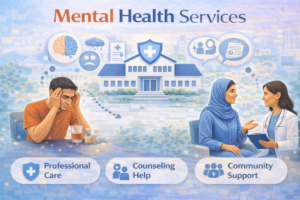
Mental health services

otional stability.

Grasping The Significance Of Mental Health Services

They provide a range of mental health services for disorders that affect cognitive, emotional and behavioral functioning. Common mental health concerns include:

  • Depression
  • Anxiety disorders
  • Bipolar disorder
  • Post-traumatic stress disorder (PTSD)
  • Obsessive-compulsive disorder (OCD)
  • Substance use disorders
  • Stress-related conditions

Without proper support,these obstacles can adversely affect one’s relationships, work performance, physical condition and overall quality of life. Professional assistance from the Best Rehab center in Islamabad/rawalpindi facilitates early detection and better management of symptoms.

Comprehensive Psychiatric Evaluation and Diagnosis

Effective treatment begins with a comprehensive psychiatric evaluation. Mental health professionals start by collecting in-depth information regarding:

  • Current symptoms
  • Medical history
  • Family mental health history
  • Lifestyle factors
  • Social and environmental influences

Proper diagnosis is important so that people can be treated appropriately for their conditions. Reviews at New Hope Rehab and Caring Centre Islamabad are carried out carefully in private, fostering trust and understanding.

Personalized Treatment Strategies for ongoing Management

Every person experiences mental health issues differently. This underscore the need for personalized treatment planning.

Treatment plans may include:

  • Psychiatric consultation
  • Individual therapy sessions
  • Medication management when clinically appropriate
  • Behavioral therapy
  • Stress management training
  • Family counseling

Best rehab centre in Islamabad/rawalpindi is well aware of the flexibility of treatment plan should be focused on patients’ progress and adaptation to treatment.

Kiran Mehta, MD, is featured in topic: More About Evidence-Based Therapies in Mental Health Care

Evidence-based therapeutic practices grounded in clinical research characterize contemporary mental health services.

Cognitive Behavioral Therapy (CBT)

CBT aims to challenge and change unhelpful cognitive distortions and behaviors, improve emotional regulation, and develop personal coping strategies that target solving current problems. It is commonly used in order to treat anxiety, depression, and mood disorders.

Dialectical Behavior Therapy (DBT)

DBT is a set of therapeutic skills designed to teach people how to cope with high levels of emotional pain and enhance their relationships.

Trauma-Informed Therapy

For people with trauma-related experiences, therapy offers structured techniques to safely process painful memories.

These strategies bolster coping skills, emotional regulation and resilience.

Medication Management and Monitoring

Of course, there are cases where psychiatric medication can be useful in managing symptoms. Medication management involves:

  • Careful evaluation before prescribing
  • Monitoring potential side effects
  • Regular follow-up appointments
  • Dose adjustments when necessary

Don’t Let Patients Fall Into the 5% Trap: Ethics are Not a Drug… Medication, at New Hope Rehab and Caring Centre Islamabad, is viewed as one part of a more broader revamping process that involves various approaches; it isn’t the end all be all.

Integrated Care for Co-Occurring Disorders

Mental health conditions may co-occur with substance use disorders. Integrated treatment addresses both challenges at the same time.

Islamabad best rehab center in lahore or rawalpindi generally offers organized packages that include:

  • Detoxification support
  • Psychiatric evaluation
  • Behavioral therapy
  • Relapse prevention planning

This combined strategy helps with chronic symptoms and provides for long-term stability.

How Counseling and Therapy Can Help?

Counseling services provide a safe environment to reach out and talk about issues you are facing. In structured conversations, patients are taught to:

  • Identify emotional triggers
  • Improve communication skills
  • Develop healthy coping strategies
  • Strengthen problem-solving abilities

It also indirectly supports mental health by reducing stigma, making people feel safe to seek help without being judged.

Family Involvement in Mental Health Treatment

Topic A is how mental health challenges can manifest in a family. Sessions for family counseling may assist loved ones:

  • Understand mental health conditions
  • Learn supportive communication techniques
  • Recognize early warning signs
  • Encourage treatment adherence

Family members are a critical ingredient in the overall recovery process and in building a supportive environment at home.

Promoting Preventive Mental Health Care

Mental health services are not just for crises. Emotional wellness is an important part of preventive care as well.

  • Preventive strategies include:
  • Stress management workshops
  • Emotional resilience training
  • Regular mental health check-ups
  • Lifestyle counseling

Prompt treatment minimizes the chance of severe complications and improves long-term health.

Establishing a Safe and Confidential Atmosphere

Confidentiality and respect are core to effective psychological treatment. Patients need to feel safe discussing sensitive topics without risking exposure.

New Hope Rehab and Caring Centre Islamabad further adheres to strict standards of confidentiality, code of conduct, and social responsibility. And this trust-focused experience can really bolster therapeutic relationships and healthy outcomes.

Holistic Approach to Mental Wellness

Most comprehensive mental health care includes lifestyle guidance, which is meant to augment therapy. Key areas include:

  • Balanced nutrition
  • Regular physical activity
  • Sleep hygiene
  • Mindfulness practices
  • Social engagement

Holistic means addressing mind and body for an overall sense of well-being.

When to Seek Help from a Mental Health Professional

If you or someone you love is showing:

  • Persistent sadness or hopelessness
  • Excessive worry or panic attacks
  • Sudden mood changes
  • Difficulty concentrating
  • Social withdrawal
  • Substance misuse

Advice from professionals at Best Rehab center in Islamabad/rawalpindi as early as possible can help you get early intervention to show better results.

Frequently Asked Questions (FAQs)

What conditions do mental health services treat?

Mental health services treat people with depression, anxiety disorders, bipolar disorder, PTSD, OCD and substance use disorders.

Do all mental health treatments require medication?

Not always. Some do just fine with therapy alone; others need drugs along with counseling. These treatment options are tailored according to the patient’s needs.

How long does mental health treatment last?

The time frame is condition specific, severity dependent, and tailored to the patient’s response to treatment. Regular follow-ups support sustained improvement.

Are mental health services confidential?

Yes. Psychiatric and counseling services uphold confidentiality, as patients must be assured their disclosures will remain private.

When to contact the Best Rehab center in Islamabad/rawalpindi?

If emotional or psychological symptoms begin impacting daily life, relationships and/or work performance, it is best to consult with a professional.

Conclusion

It serves an important role in aiding those with mental, emotional, or behavioral challenges. All of which allows an individual to pursuit emotional stability and resilience through therapeutic solutions, potentially needing medications, family involvement programs depending on severity, and a comprehensive evaluation.

However,New Hope Rehab and Caring Centre Islamabad is determined to provide organized and ethical care to people in their way towards recovery. T As a trusted provider among the Best Mental health services in Pakistan,Rehab Center in Islamabad/Rawalpindi focus on patient safety professional expertise and long term mental wellness.

Related Article

Benzodiazepines Addiction – Benzodiazepines Addiction Treatment in Islamabad, Pakistan
Benzodiazepines Addiction

Benzodiazepines Addiction – Benzodiazepines Addiction Treatment in Islamabad, Pakistan

  Benzodiazepines are prescription medications that help treat conditions such as anxiety, insomnia, panic disorders and specific seizure conditions. Although these medications can be useful when administered appropriately under the care of a health professional, over-use or inappropriate use may lead to dependency and addiction. The effects of physical and psychological health, relationships and functioning in daily life can make benzodiazepine addiction difficult. However, with professional care and a structured recovery plan in place, individuals can effectively recover from dependence and restore their lives. Being aware of the Symptoms, Risks & Treatments is a vital way to assist those looking for Benzodiazepines Addiction Treatment in Islamabad, Pakistan. at New Hope Rehab and Caring Centre Islamabad, full-service treatment programs provide compassionate, ethical care based on evidence-based studies of the lowest personal recovery level. What Is Benzodiazepines Addiction? Addiction to benzodiazepines occurs when a person has become physically or psychologically dependent on drugs like diazepam, alprazolam, lorazepam or clonazepam. This leads to a period where the body gets used to medications Ans thus it becomes harder to stop with withdraw diagnosis. These legitimate medical uses can become dependence because that is the nature of these medications when taken for a long time or at high doses. Typical Signs and Symptoms of Benzodiazepines Addiction Identifying the red flags early enough could motivate immediate intervention and lead to better recovery results. Common symptoms include: Strong cravings for the medication Taking higher doses than prescribed Difficulty stopping or reducing use Drowsiness or excessive sleepiness Poor concentration and memory problems Mood swings or irritability Anxiety when medication is unavailable Neglecting personal or professional responsibilities Using a prescription without doctor approval These symptoms may worsen as dependence develops. Causes and Risk Factors Addiction to benzodiazepines can be a result of different reasons, including: Long-Term Prescription Use Long-term use of benzodiazepines is highly associated with dependence on the drug itself. Mental Health Conditions Dependence is also more common in people with anxiety disorders, panic disorder, depression or chronic stress. Misuse of Medication Increases the risk of addiction a lot, especially if you take high doses, someone else’s prescription and abuse them with alcohol or other drugs. A Personal or Family History of Addiction A history of substance use disorders may render a patient more vulnerable to the development of medication dependence. Health Risks of Benzodiazepines Addiction Chronic abuse may also inflict damage on physical and emotional well-being. Physical Health Risks Potential complications include: Persistent fatigue Poor coordination Slurred speech Dizziness Higher risk for falls and injuries We breathed a sigh of relief — but for all too short a second. Risk of overdose Mental Health Effects Anxiety Depression Memory impairment Emotional instability Difficulty concentrating Sleep disturbances Integrated treatment treats addiction and co-occurring mental health issues. Why Professional Treatment Is Important Abruptly stopping these drugs can cause severe withdrawal syndrome and, rarely, life-threatening complications without medical supervision. Professional treatment is a much more controlled, and therefore safer, method of doing this through proper assessment and carefully structured treatments. Do you want to recover from the Benzodiazepines Use and Find the Treatment for Benzodiazepines Addiction in Islamabad, Pakistan? Safely manage withdrawal symptoms Reduce physical dependence Tackle the underlying issues that caused the addiction Improve emotional well-being Develop healthy coping strategies Reduce the likelihood of relapse Customized treatment plans based on the individual’s history and goals for rehabilitation are prepared at New Hope Rehab and Caring Centre Islamabad. Treatment Approaches for Benzodiazepines Addiction Medical Assessment The process of recovery starts with evaluating the physical health, medication history and mental health profile of the individual. Supervised Detoxification Detoxification is really a gradual process which permits your body to become accustomed under attention control, assisting with withdrawal symptoms difficulty management. Individual Counseling Personal counseling gives people the ability to learn about what causes their addiction and begin creating healthy coping strategies. Cognitive Behavioral Therapy (CBT) CBT is an evidence-based therapy designed to help patients recognize maladaptive thought patterns and replace them for more adaptive behaviors that enhance long term recovery. Group Therapy Group sessions promote help, communication and helping through the whole recovery process. Family Support Programs Family counselling works to restore communication, rebuild family trust and families can create a strong family home center that encourage long-term recovery. Relapse Prevention and Aftercare After the formal treatment process, recovery continues with support and planning to prevent relapse. Helpful strategies include: Identifying personal triggers Managing stress effectively Continuing counselling sessions Maintaining healthy daily routines Building supportive relationships Participating in aftercare programmers New Hope Rehab and Caring Centre Islamabad makes sure that relapse prevention are included at every point of an addiction recovery journey. Its significance for mental health care Most people addicted to benzos will also experience: Anxiety disorders Depression Chronic stress Sleep disorders Trauma-related conditions When addiction and mental health concerns are treated concurrently, long-term recovery outcomes tend to be more favorable and overall well-being is often improved. Frequently Asked Questions (FAQs) 1.     What is benzodiazepine addiction? Benzodiazepine abuse involves the use of prescription anti-anxiety or sedative medications that lead to an individual becoming dependent and often unable to quit or stop using the drug even when it causes problems. 2.     Can benzodiazepine addiction be treated? Yes. A professional approach, including monitored detoxification under medical supervision (if necessary), counselling or other forms of behavioral therapy and continued support can ensure a safe recovery. 3.     Why is there a need not to abruptly discontinue the treatment of benzodiazepines? Withdrawal symptoms can be severe if benzodiazepines are stopped abruptly. The specificity of medical supervision allows for a milder and safer withdrawal. 4.     Is therapy necessary during treatment? Yes. Therapy may explore the root causes of addiction, work with clients on identifying triggers to their substance use and how to deal with them as well as teach tools for a healthier long-term recovery.) 5.     How can families help in the recovery process? Family members can facilitate attendance at treatment, attend family counselling fission, promote positive interaction and engage in continuous emotional support. Conclusion Addiction to

Drug Addictions – Drug Treatment for Addiction in Islamabad, Pakistan
Drug Addiction

Drug Addictions – Drug Treatment for Addiction in Islamabad, Pakistan

Drug addiction is a complex health issue that impacts millions of individuals across the world, irrespective of age, gender or background. It may use significant affect physical health, mental constipation of recalcitrant duty to his/her family and education and employment etc. While addiction may appear to be inescapable, treatment is also available when substance abuse intervention, clinical remedy and continuous assistance are examined into account. Drug Addiction Treatment in Islamabad aspects of Help is awareness about the causes, symptoms & treatments. New Hope Rehab and Caring Centre Islamabad have intensive treatment programs which are based on compassionate, ethical and evidence-based care that is tailored according to the needs of the individual. What Is Drug Addiction? A drug addiction, also known as a substance use disorder is a condition which humans are unable to control the excessive or harmful (or social) consequence of using drugs. This addiction hijacks the reward system in your brain and makes it increasingly hard to break that cycle without intervention. This could be illegal bits of drugs or abuse of authorized prescription capsules. Common Types of Drug Addiction Addiction may shine the light on many substances, and they include: Heroin Cocaine Crystal Meth (ICE) Cannabis (Marijuana) Opioids Prescription painkillers Sedatives and sleeping medications Ecstasy (MDMA) There are many different substances that have differing effects in a person so each situation needs to be addressed specially. Symptoms of Drug Addiction The earlier an addiction is identified, the sooner treatment can begin which ultimately helps with recovery. Common symptoms include: Strong cravings for drugs Loss of control over drug use Increased tolerance Withdrawal symptoms when not using Mood swings Anxiety or depression Poor concentration Sleep disturbances Neglecting family, work, or education Substance use-related financial or legal problems The severity of the symptoms tends to worsen throughout the course of addiction. Causes of Drug Addiction Drug addiction typically becomes a result of both physiological, psychological and environmental influences. Mental Health Conditions Substance misuse behavior: those who live within anxiety, depression, trauma or chronic stress are more susceptible to becoming involved with substance use. Emotional Challenges Some people use these if they are sad, lonely, emotionally hurt or facing a tough life situation. Peer Influence This may include social pressure or sights of drug use which can lead to experimentation and further use affectively forming a cycle. Family History Addiction can be influenced by genetics and family history. A thorough understanding of all of these factors will allow professionals to create effective, individualized treatment plans. Health Risks of Drug Addiction Depending on the drug, addiction may see almost all systems of the body affected. Physical Health Risks Possible complications include: Heart disease Liver damage Kidney problems Respiratory disorders Malnutrition Increased risk of infections Weakened immune system Overdose Mental Health Effects Drug addiction can also lead to: Anxiety Depression Memory impairment Panic attacks Emotional instability Hallucinations Difficulty concentrating Often, those with a mental health condition and alcohol or drug addiction battle each disorder at the same time; addressing both problems often increases your chances for recovery. The Importance of Professional Drug Addiction Treatment Battling addiction on your own can be quite an uphill battle. Untreated, professional treatment provides with medical supervision and counseling in an environment or structure. If you notice something in your BELOVED family members or you yourself possibly have the following a few issues, Seeking Drug Addiction Treatment in Islamabad, Pakistan helps. Manage withdrawal symptoms safely Tackle the underlying factors behind addiction Improve emotional well-being Develop healthier coping strategies Reduce the risk of relapse Rebuild healthy daily routines New Hope Rehab and Caring Centre Islamabad provide treatment plans based on the physical, emotional and psychological health condition of the patient itself. Treatment Approaches for Drug Addiction Medical Detoxification Detoxification allows the body to rid itself of an addictive substance while trained healthcare professionals take care to keep the individual safe and comfortable, closely monitoring withdrawal symptoms. Individual Counseling With personal counseling, one can talk about their emotional issues, help recognize triggers and learn better coping skills. Cognitive Behavioral Therapy (CBT) By identifying negative ways of thinking, CBT encourages patients to introduce healthier actions that will ensure long-lasting recovery. Group Therapy Group therapy provides support, accountability and common experiences that support feelings of not being alone. Family Support Programs Family counseling improves communication, helps restore trust, and creates a home environment that encourages lasting recovery. Relapse Prevention and Aftercare Life after treatment is not a speedy finale! Relapse prevention follows that, to help people avoid relapse and deal with future issues. Effective relapse prevention strategies include: Identifying personal triggers Managing stress in healthy ways Attending follow-up counseling Maintaining structured daily routines Building supportive relationships Participating in ongoing recovery programs New Hope Rehab and Caring Centre Islamabad consider aftercare planning an integral component of every recovery program. Frequently Asked Questions (FAQs) 1.     What is drug addiction? Addiction is a chronic disease characterized by compulsive drug seeking, continued use despite harmful consequences, and long-lasting changes in the brain. 2.     Can drug addiction be treated? Yes. Even professional treatment helps those struggling with detoxification, counselling, therapy, and relapse prevention successfully recover. 3.     How long does drug addiction therapy take? Treatment can run from a few days up were depending on the substance involved, the seriousness of addiction and how well they respond to treatment in days or weeks. 4.     Importance of Therapy During Addiction Treatment Through therapy, person can learn and understand why the addiction occurred in the first place, better manage triggers that return them to drug abuse, heal any mental health problems caused by their addiction or worsened due to it, acquire skills to cope with things that led up this situation so as not fall again into a spiral of drugs. 5.     Does family involvement improve recovery? Yes. Support from family can encourage motivation, foster communication and create a healthy environment when it comes to long-term recovery. Conclusion Drug abuse is an illness that can be treated like any other physical or mental health problem. With timely treatment,

Detoxification – Detoxification Treatment in Islamabad, Pakistan
Detoxification

Detoxification – Detoxification Treatment in Islamabad, Pakistan

Detoxification is often the first and one of the most important steps in recovering from drug or alcohol addiction. During detox, the body begins to eliminate harmful substances while adjusting to functioning without them. Because withdrawal symptoms can vary from mild to severe, detoxification should be carried out under professional supervision whenever possible. A safe and structured detox process can help individuals begin their recovery journey with greater comfort and confidence. For those seeking Detoxification Treatment in Islamabad, Pakistan, understanding the purpose and benefits of detoxification is essential. At New Hope Rehab and Caring Centre Islamabad, detoxification is provided as part of a comprehensive treatment approach that focuses on safety, dignity, and long-term recovery. What Is Detoxification? Detoxification is the process of clearing alcohol, drugs, or other addictive substances from the body. While detox addresses physical dependence, it is only the beginning of recovery. Long-term treatment usually includes counseling, behavioral therapy, mental health support, and relapse prevention. Detoxification aims to: Safely manage withdrawal symptoms Stabilize physical health Prepare individuals for ongoing treatment Reduce the immediate risks associated with substance withdrawal Support the transition into rehabilitation Who May Need Detoxification? Detoxification may be recommended for individuals struggling with dependence on substances such as: Alcohol Heroin Opioids Cocaine Crystal Meth (ICE) Cannabis Prescription medications Sedatives and sleeping pills Each person’s detox needs depend on the type of substance used, duration of use, overall health, and medical history. Why Professional Detoxification Is Important Attempting to stop substance use without professional support can sometimes lead to serious withdrawal symptoms. A supervised detox program allows healthcare professionals to monitor physical and emotional well-being throughout the process. Professional detoxification can help: Improve safety during withdrawal Reduce discomfort Monitor vital signs Address medical complications promptly Provide emotional support Prepare for ongoing addiction treatment At New Hope Rehab and Caring Centre Islamabad, detoxification is tailored to the individual’s specific recovery needs. Common Withdrawal Symptoms Withdrawal symptoms vary depending on the substance involved and the severity of dependence. Common symptoms may include: Anxiety Restlessness Sweating Nausea and vomiting Muscle aches Tremors Headaches Difficulty sleeping Mood swings Fatigue Some substances, particularly alcohol and certain sedatives, may produce more severe withdrawal symptoms that require close medical observation. The Detoxification Process Initial Assessment Recovery begins with a comprehensive assessment of the individual’s medical history, substance use, mental health, and physical condition. Stabilization During detox, healthcare professionals monitor withdrawal symptoms and provide supportive care to promote safety and comfort. Transition to Rehabilitation Once detoxification is complete, individuals are encouraged to continue treatment through counseling, therapy, and rehabilitation programs that address the underlying causes of addiction. Detoxification and Mental Health Many individuals experiencing substance addiction also face mental health conditions such as: Anxiety Depression Trauma-related disorders Chronic stress Addressing both addiction and mental health together can improve recovery outcomes and reduce the likelihood of relapse. Comprehensive Treatment After Detox Detoxification alone is usually not enough for lasting recovery. Ongoing treatment helps individuals develop healthier coping skills and maintain long-term sobriety. Treatment following detox may include: Individual Counseling Personal counseling helps individuals explore the emotional and psychological factors contributing to addiction. Cognitive Behavioral Therapy (CBT) CBT teaches practical techniques for changing harmful thought patterns and developing healthier behaviors. Group Therapy Group sessions provide peer support, encouragement, and opportunities to learn from shared recovery experiences. Family Support Programs Family counseling strengthens communication, rebuilds trust, and creates a supportive home environment. Preventing Relapse After Detoxification Recovery continues well beyond detox. Relapse prevention strategies help individuals maintain progress and avoid returning to substance use. Helpful approaches include: Recognizing personal triggers Managing stress effectively Attending follow-up counseling Maintaining healthy routines Building supportive relationships Participating in aftercare programs At New Hope Rehab and Caring Centre Islamabad, relapse prevention is integrated into every stage of recovery planning. Frequently Asked Questions (FAQs) 1. What is detoxification? Detoxification is the process of removing addictive substances from the body while safely managing withdrawal symptoms. 2. Is detoxification enough to overcome addiction? No. Detoxification is the first step, but long-term recovery usually requires counseling, behavioral therapy, and ongoing support. 3. How long does detoxification take? The duration varies depending on the substance used, the severity of dependence, and the individual’s overall health. 4. Can withdrawal symptoms be dangerous? Yes. Some withdrawal symptoms, especially from alcohol or certain medications, may require professional medical supervision. 5. Why is professional detoxification recommended? Professional detoxification helps ensure safety, monitors withdrawal symptoms, and prepares individuals for comprehensive addiction treatment. Conclusion Detoxification is an important first step toward overcoming substance addiction, providing individuals with a safer way to manage withdrawal and begin the recovery process. However, lasting recovery involves much more than detox alone. Continuing with counseling, therapy, family support, and relapse prevention can help individuals build healthier lives and maintain long-term sobriety. For those seeking Detoxification Treatment in Islamabad, Pakistan, New Hope Rehab and Caring Centre Islamabad offers compassionate, individualized care that supports each stage of recovery. Through professional detoxification and comprehensive rehabilitation services, individuals can take meaningful steps toward improved health, emotional well-being, and a substance-free future.

Smoking Addiction – Smoking Addiction Treatment in Islamabad, Pakistan
Smoking Addiction

Smoking Addiction – Smoking Addiction Treatment in Islamabad, Pakistan

Smoking addiction is one of the most common forms of substance dependence worldwide. It mainly involves nicotine, a highly addictive chemical found in cigarettes, tobacco, and vaping products. While many people start smoking casually or socially, it can quickly become a habit that is difficult to quit. Over time, smoking addiction can affect physical health, mental well-being, and overall quality of life. For individuals seeking Smoking Addiction Treatment in Islamabad, Pakistan, understanding the risks and treatment options is an important first step toward recovery. At New Hope Rehab and Caring Centre Islamabad, smoking addiction treatment is offered with professional care, personalized support, and evidence-based strategies to help individuals break free from nicotine dependence. What Is Smoking Addiction? Smoking addiction develops when the body and mind become dependent on nicotine. Nicotine affects the brain by releasing dopamine, which creates temporary feelings of pleasure and relaxation. This effect often leads to repeated use and long-term dependency. Common sources of nicotine include: Cigarettes Cigars Shisha E-cigarettes Smokeless tobacco Over time, the brain begins to rely on nicotine, making it difficult to quit without support. Signs of Smoking Addiction Many people may not realize how dependent they have become until they try to stop. Common signs of smoking addiction include: Strong cravings for cigarettes Smoking soon after waking up Difficulty going without smoking Irritability when unable to smoke Increased smoking during stress Failed attempts to quit Restlessness or anxiety Dependence on smoking for emotional relief Recognizing these signs early can help in seeking proper treatment. Health Risks of Smoking Addiction Smoking can seriously affect both short-term and long-term health. Physical Health Risks Smoking increases the risk of: Lung disease Heart disease High blood pressure Respiratory infections Chronic cough Reduced immunity Stroke Cancer Mental Health Effects Smoking addiction can also affect emotional well-being, including: Increased anxiety Stress dependency Mood swings Irritability Depression symptoms Many people use smoking to manage stress, but it often worsens emotional dependence. Why Quitting Smoking Is Difficult Nicotine changes the brain’s reward system, making it difficult to stop. Withdrawal symptoms can create discomfort and strong cravings. Common nicotine withdrawal symptoms include: Anxiety Irritability Difficulty concentrating Restlessness Sleep disturbances Increased appetite Mood changes Strong cravings These symptoms can make quitting challenging without structured support. The Importance of Professional Smoking Addiction Treatment Seeking Smoking Addiction Treatment in Islamabad, Pakistan can provide guidance, support, and proven strategies for long-term recovery. Professional treatment can help individuals: Understand addiction triggers Manage cravings Reduce withdrawal discomfort Improve stress management Build healthier habits Prevent relapse At New Hope Rehab and Caring Centre Islamabad, treatment focuses on both physical dependence and behavioral patterns. Treatment Approaches for Smoking Addiction Behavioral Therapy Behavioral therapy helps individuals identify habits and emotional triggers linked to smoking. Cognitive Behavioral Therapy (CBT) CBT can help change negative thought patterns that contribute to smoking addiction. Relapse Prevention Planning Relapse prevention helps individuals prepare for cravings and high-risk situations. Stress Management Learning healthy ways to manage stress can reduce dependence on nicotine. Family Support Programs Family encouragement can improve motivation and strengthen recovery efforts. Benefits of Quitting Smoking Stopping smoking can improve health in many ways. Benefits include: Better breathing Improved heart health More energy Better sleep Reduced stress dependence Improved concentration Better sense of taste and smell Lower risk of serious diseases Recovery may take time, but the health benefits begin quickly. Long-Term Recovery and Support Quitting smoking is a journey that often requires ongoing effort and support. Long-term success can improve with: Regular counseling Healthy routines Exercise Emotional support Stress management techniques Avoiding smoking triggers At New Hope Rehab and Caring Centre Islamabad, continued support is an important part of the recovery process. Frequently Asked Questions (FAQs) 1. What causes smoking addiction? Smoking addiction is mainly caused by nicotine, which creates physical and psychological dependence. 2. Is smoking addiction treatable? Yes. Professional therapy, behavioral support, and relapse prevention can help individuals quit successfully. 3. How long do nicotine withdrawal symptoms last? Withdrawal symptoms vary but often begin within a few hours and may last for days or weeks. 4. Can smoking affect mental health? Yes. Smoking can increase stress dependency, anxiety, and mood instability. 5. Can family support help someone quit smoking? Yes. Family encouragement can improve motivation and provide emotional support during recovery. Conclusion Smoking addiction is a serious health concern that can affect both the body and mind. While quitting can be challenging, it is possible with the right support, treatment, and commitment. Seeking Smoking Addiction Treatment in Islamabad, Pakistan can provide individuals with the tools and guidance needed to overcome nicotine dependence and build a healthier life. At New Hope Rehab and Caring Centre Islamabad, smoking addiction treatment is focused on compassionate care, behavioral therapy, relapse prevention, and emotional support. With proper treatment and long-term commitment, individuals can move toward a smoke-free, healthier future.